Neuronal Damage in Murine Experimental Cerebral Malaria, Implications for Neuronal Repair and Sequelae
Monique F. Stins, Irene Gramaglia, Joyce Velez, Carlos A. Pardo, Henri van der Heyde

TL;DR
This study explores neuronal damage and potential repair mechanisms in a mouse model of cerebral malaria, focusing on the hippocampus and its long-term effects.
Contribution
The study reveals extensive neuronal damage in murine cerebral malaria and identifies potential repair responses involving neuroprogenitor cells.
Findings
Plasmodium infection causes significant neuronal damage in the hippocampus of eCM mice.
Neurofilament light chain levels increase in cerebrospinal fluid during eCM, indicating neuronal fragmentation.
Increased influx of neuroprogenitor cells suggests a potential repair mechanism in eCM.
Abstract
Cerebral malaria (CM) is a deadly complication of P. falciparum infection. Although adults with CM have a higher mortality rate, CM affects mostly children under the age of 5 years. Neurological symptoms and signs include impaired consciousness, coma, seizures, and increased intracranial hypertension. Upon survival of a CM episode, persistent neurologic deficits occur in a subset of surviving children. These sequelae include recurrent seizures, behavioral deficits, loss of developmental milestones, learning disabilities and attention deficit hyperactivity disorder, which can remain with the survivors. The underlying neuropathology of these post CM neurologic sequelae are unclear. Therefore, we probed the extensive neuronal damage that occurs in an experimental murine model of cerebral malaria (eCM), focusing on the hippocampus. In addition, we explored responses of neuro-progenitor…
Genes, proteins, chemicals, diseases, species, mutations and cell lines named across the full text — each resolved to its canonical identifier and authoritative record.
Click any figure to enlarge with its caption.
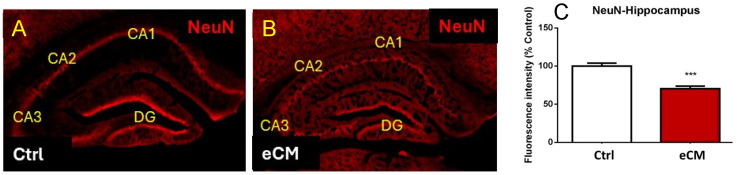 Figure 1
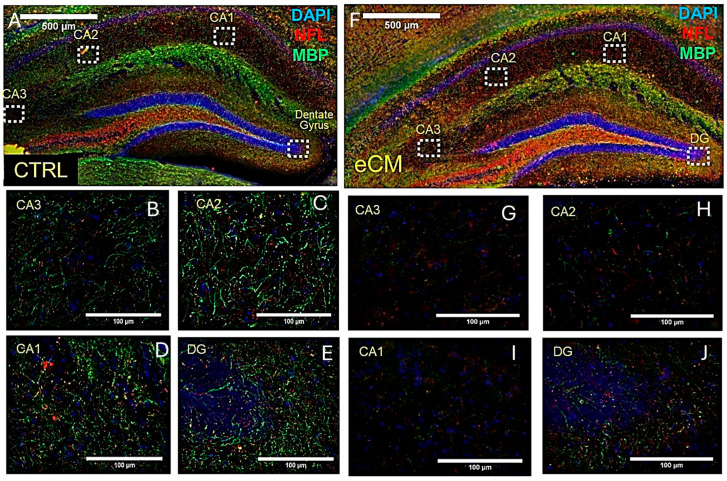 Figure 2
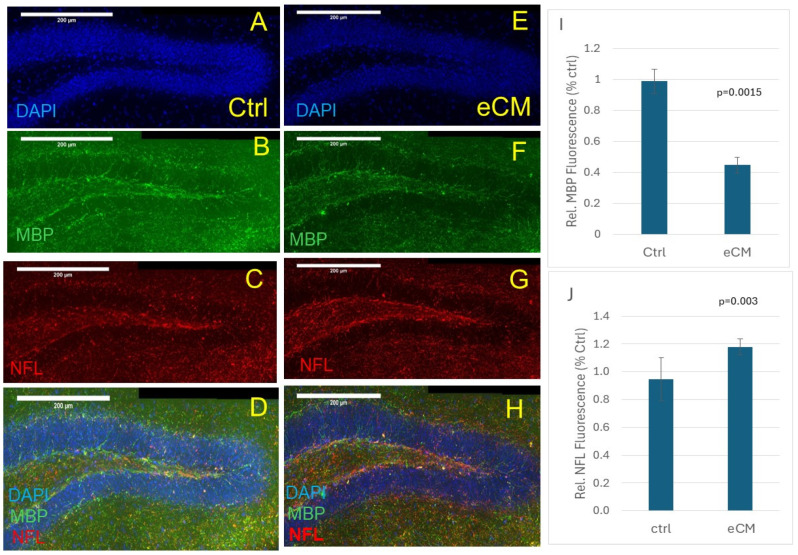 Figure 3
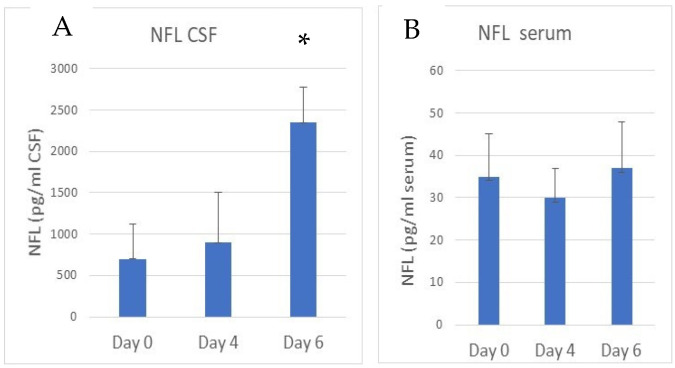 Figure 4
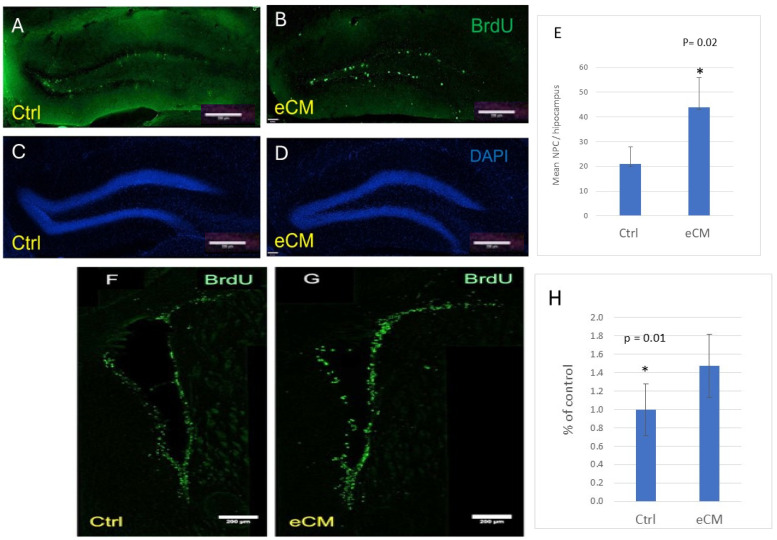 Figure 5
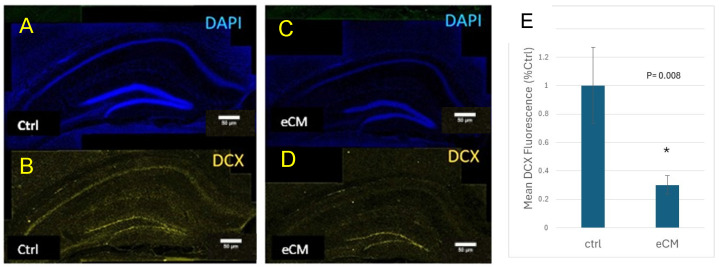 Figure 6
Peer Reviews
No public reviews on file for this paper yet. If you reviewed it on a platform where reviews are public (OpenReview, ICLR, NeurIPS, ICML), you can paste yours below so the community can read it here.
Videos
No videos yet. Explain this paper in a talk, walkthrough, or lecture? Add one.
Taxonomy
TopicsMalaria Research and Control · Neuroscience and Neuropharmacology Research · Calpain Protease Function and Regulation