Antitumor Effect of Curcumin, D6 Turmeric, and Hydrochloride Mitoxantrone on Canine and Human Urothelial Cancer Cells
Thayná Oliveira da Silva, Luís Gustavo Ramos de Moraes Calheiros, Felipe Barbosa, Fernanda Bueno Morrone, Liliana Rockenbach, Patrícia de Faria Lainetti, Antonio Fernando Leis Filho, Márcio de Carvalho, Carlos Eduardo Fonseca-Alves, Renée Laufer Amorim

TL;DR
This study shows that curcumin and turmeric may help fight bladder cancer in dogs and humans by reducing cancer cell growth and migration.
Contribution
The study explores curcumin and D6 turmeric as potential adjuvants for canine and human bladder cancer treatment.
Findings
Curcumin reduced cancer cell viability and migration in both canine and human cell lines.
Mitoxantrone hydrochloride showed strong cytotoxic effects, especially in canine cells.
Curcumin induced apoptosis and modulated genes related to cancer progression.
Abstract
Bladder cancer is a challenging disease in both humans and dogs, and current treatments such as surgery and chemotherapy often yield limited success. Because dogs naturally develop this cancer and share many clinical and biological features with humans, they are valuable models for investigating new therapies. In this study, we tested curcumin—a natural compound derived from turmeric—alongside a chemotherapeutic agent on bladder cancer cell lines from both species. Our results demonstrated that curcumin decreased cancer cell viability, reduced migration, and increased apoptosis. The chemotherapeutic drug showed pronounced cytotoxic effects in canine cells. These findings support the potential use of curcumin as an adjuvant to conventional therapies, possibly improving outcomes in dogs with bladder cancer. Further research is needed to better understand curcumin’s mechanisms and safety…
Genes, proteins, chemicals, diseases, species, mutations and cell lines named across the full text — each resolved to its canonical identifier and authoritative record.
Click any figure to enlarge with its caption.
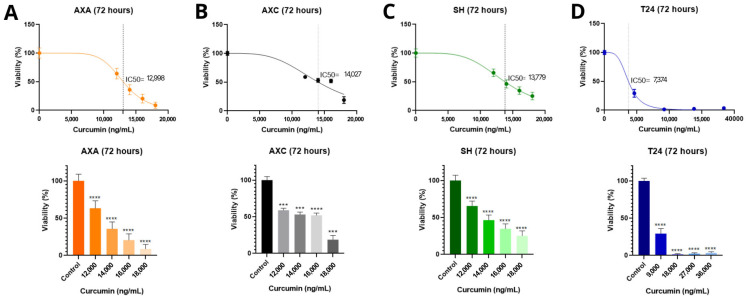 Figure 1
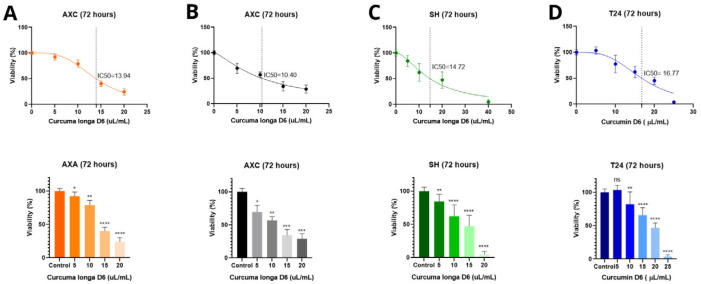 Figure 2
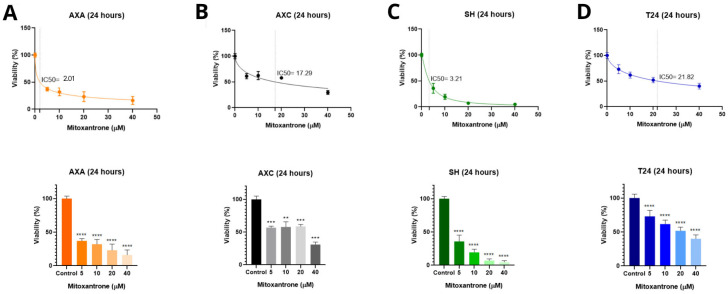 Figure 3
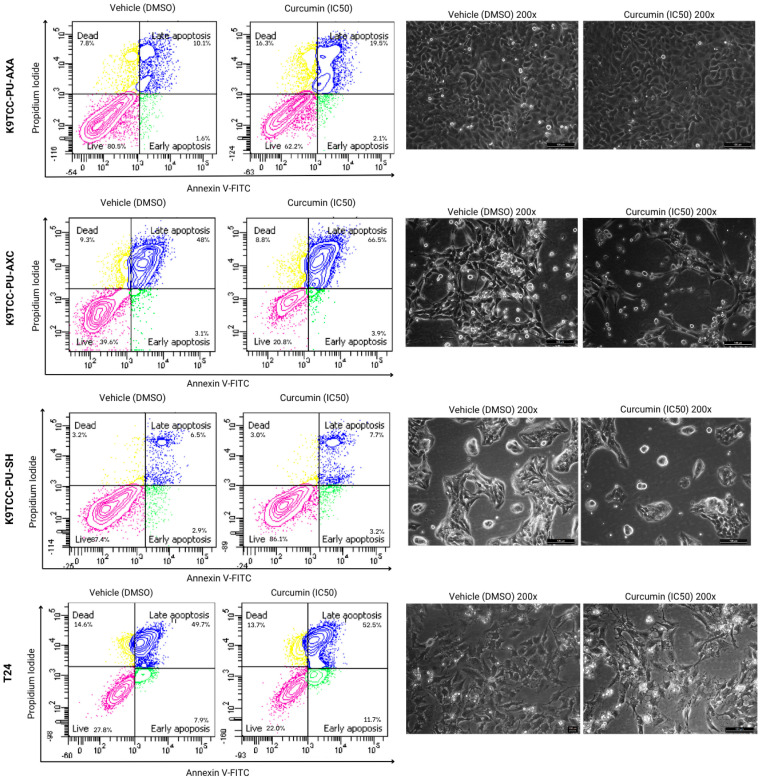 Figure 4
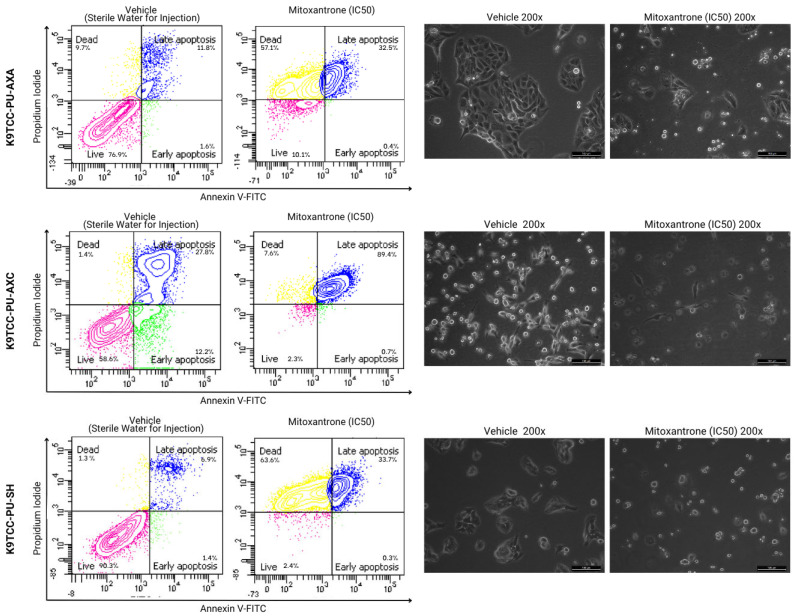 Figure 5
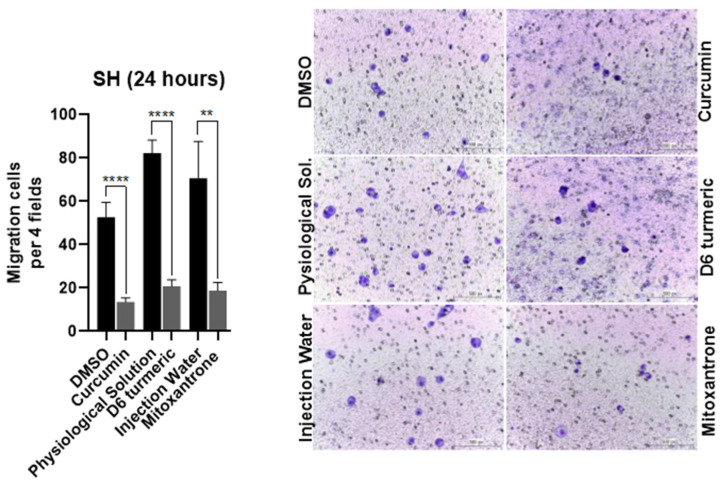 Figure 6
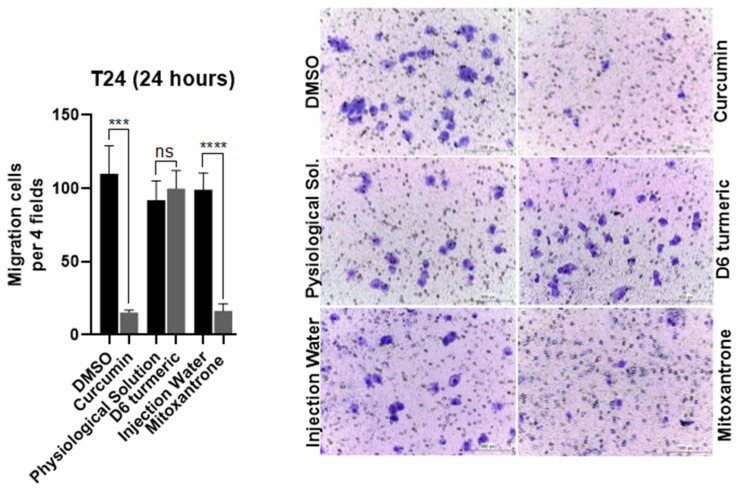 Figure 7
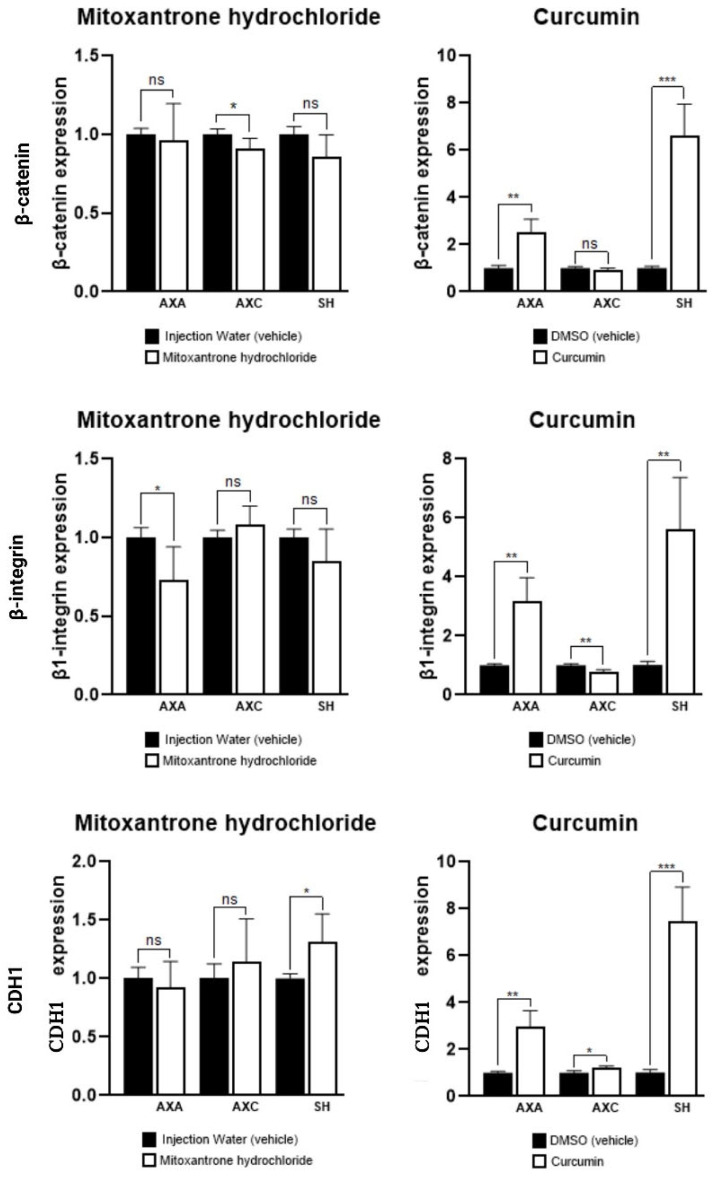 Figure 8
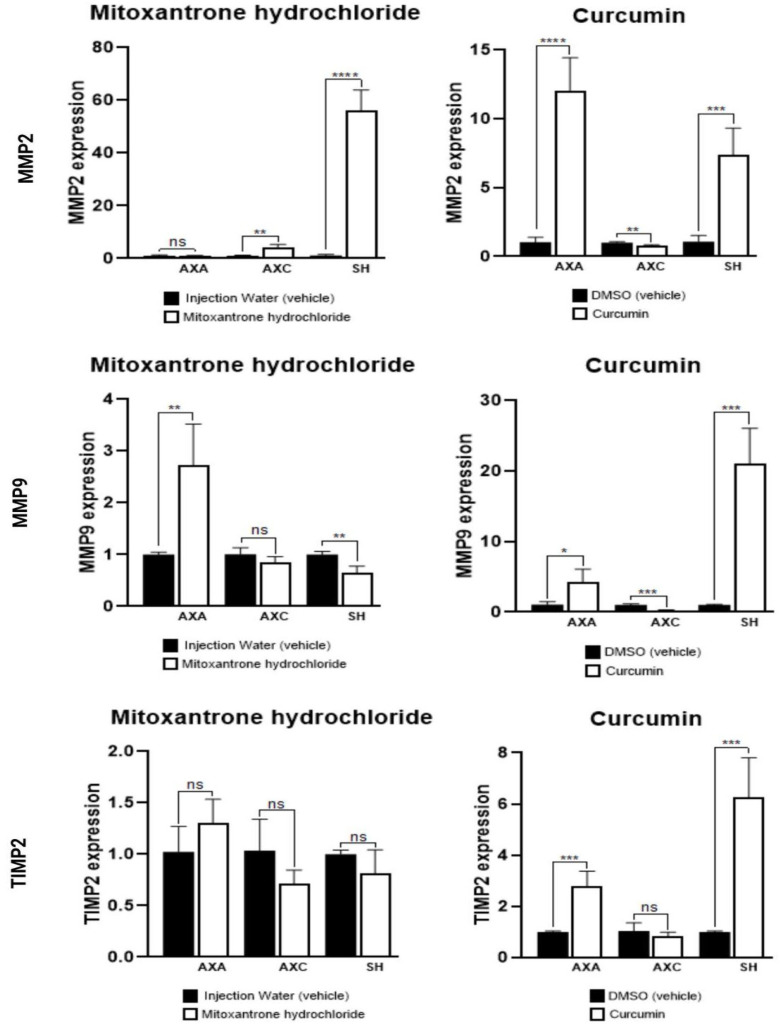 Figure 9
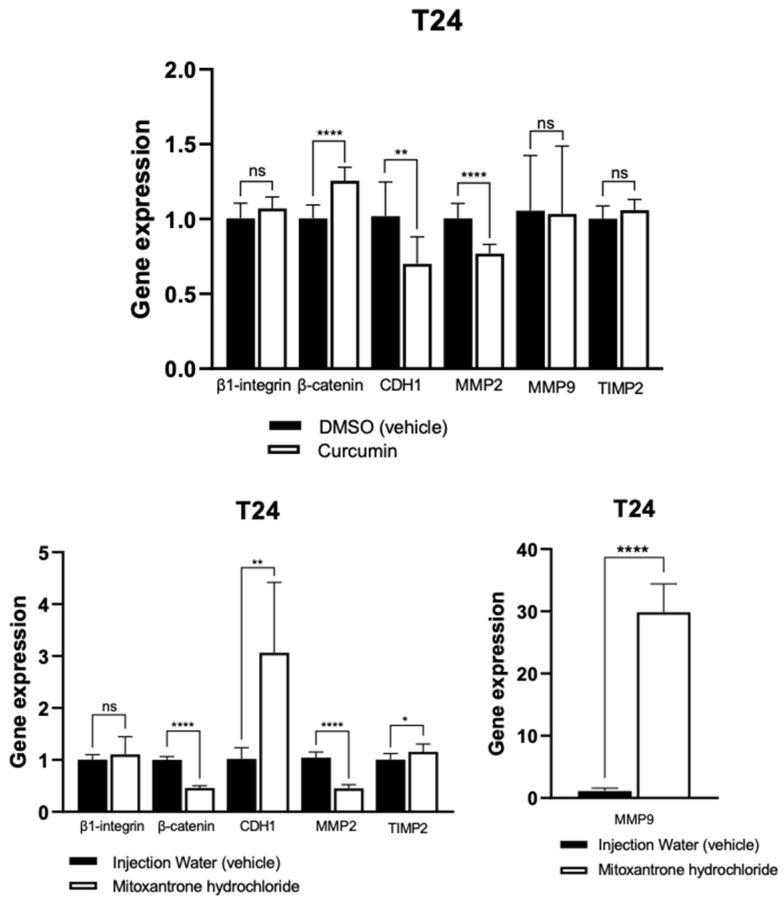 Figure 10
Peer Reviews
No public reviews on file for this paper yet. If you reviewed it on a platform where reviews are public (OpenReview, ICLR, NeurIPS, ICML), you can paste yours below so the community can read it here.
Videos
No videos yet. Explain this paper in a talk, walkthrough, or lecture? Add one.
Taxonomy
TopicsCurcumin's Biomedical Applications · Fibroblast Growth Factor Research · Cancer-related Molecular Pathways