Dietary Supplementation with Whole-Fat or Defatted Antarctic Krill Powder Improves the Growth Performance, Body Coloration, and Immune Capability of Red–White Koi Carp (Cyprinus carpio var. koi)
Hongmei Song, Yixin Liang, Yexin Yang, Chao Liu, Yi Liu, Xidong Mu, Xuejie Wang

TL;DR
Adding Antarctic krill powder to koi carp diets improves growth, color, and immunity, but too much can harm the liver.
Contribution
The study identifies optimal replacement levels of whole-fat and defatted krill meal in koi carp diets to enhance performance and immunity without liver damage.
Findings
Replacing fish meal with krill meal improves growth rate and reduces liver and visceral indices in koi carp.
Defatted krill meal increases antioxidant activity and carotenoid content more than whole-fat krill meal.
Excessive krill meal causes liver damage, with recommended replacement levels of 20-30% for whole-fat and 10-20% for defatted krill meal.
Abstract
Replacing fish meal with varying levels of whole-fat or defatted Antarctic krill meal can offer the following advantages: (1) enhanced SGR and WGR, and reduced HSI and VSI, thereby improving the growth performance of red-and-white carp; (2) increased carotenoid content in the scales and skin, along with enhanced expression of TYR for improved body coloration; (3) augmented lysozyme and superoxide dismutase enzyme activities, with better antioxidant effects observed in the defatted krill meal replacement group; and (4) substitution of whole-fat krill meal significantly downregulates the expression of LPL. Meanwhile, elevated levels of whole-fat replacement groups lead to a reduction in the liver AKP enzyme activity, as well as an increase in the number of lipid droplets. However, the defatted replacement groups at high levels exhibit a significant increase in the vacuolated degeneration…
Genes, proteins, chemicals, diseases, species, mutations and cell lines named across the full text — each resolved to its canonical identifier and authoritative record.
Click any figure to enlarge with its caption.
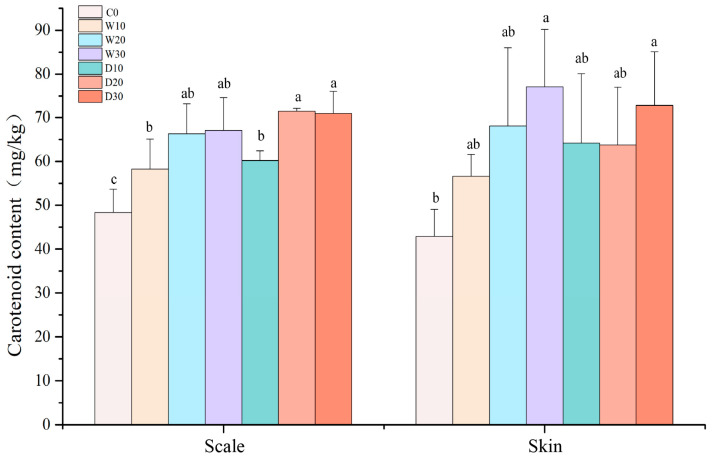 Figure 1
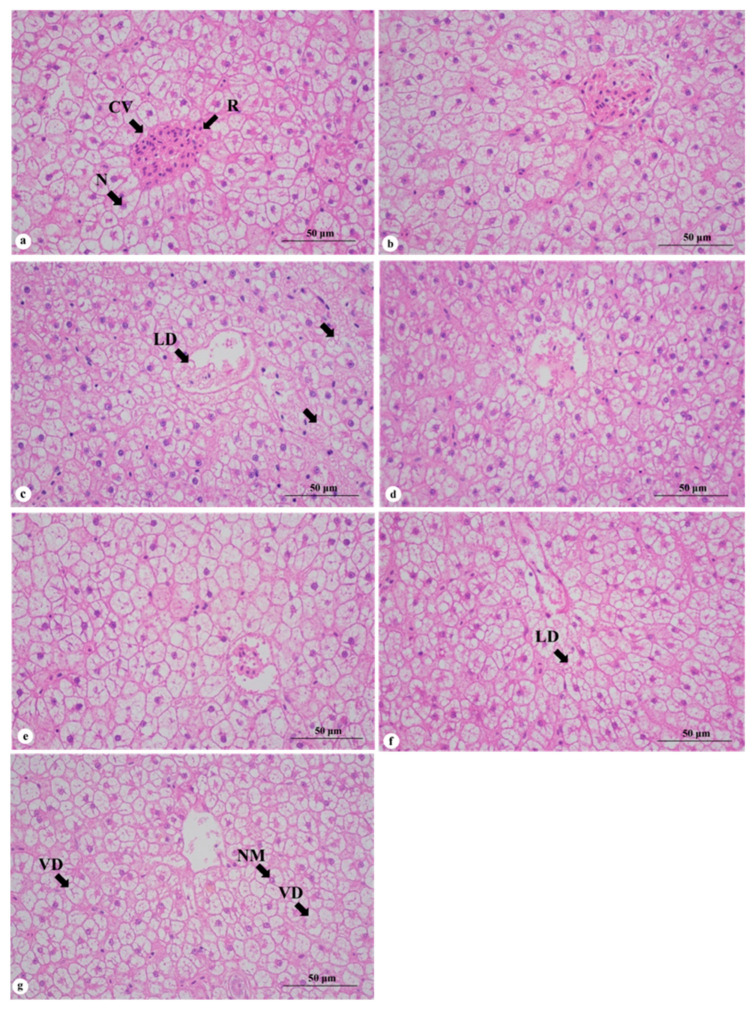 Figure 2
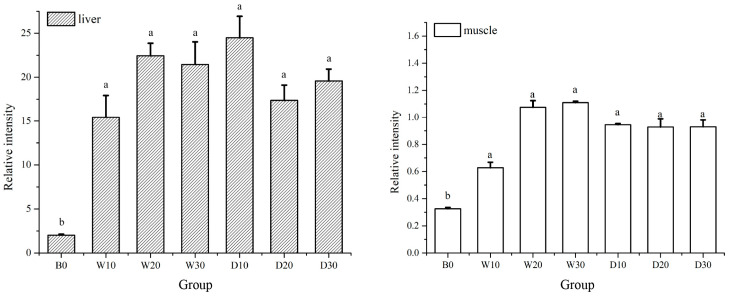 Figure 3
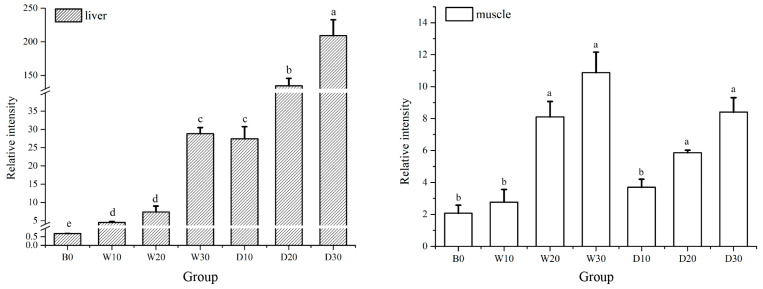 Figure 4
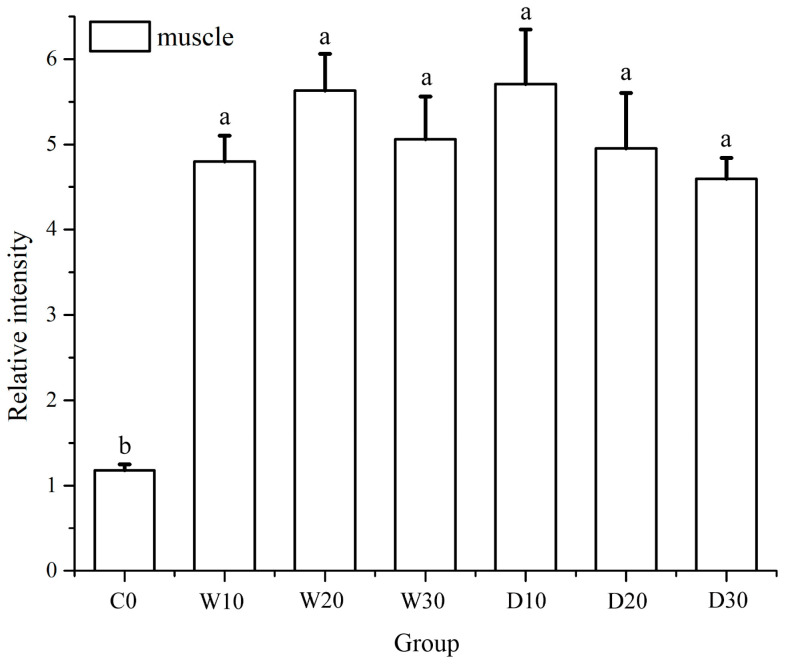 Figure 5
Peer Reviews
No public reviews on file for this paper yet. If you reviewed it on a platform where reviews are public (OpenReview, ICLR, NeurIPS, ICML), you can paste yours below so the community can read it here.
Videos
No videos yet. Explain this paper in a talk, walkthrough, or lecture? Add one.
Taxonomy
TopicsAquaculture Nutrition and Growth · Aquaculture disease management and microbiota · Antioxidant Activity and Oxidative Stress