From Bench to Piglet: A Comparison of In Vivo and In Vitro Effects of Phytogenics on Post-Weaning Diarrhea, Growth Performance, and Bacterial Behavior
Anika Weitmann, Sonja Axmann, Klaus Männer, Teemu Rinttilä, Tobias Aumiller

TL;DR
This study compares how plant-based compounds affect piglet health in lab and real-world settings, finding that certain combinations improve growth and reduce diarrhea.
Contribution
The study demonstrates the effectiveness of combining specific phytogenic compounds in feed additives to improve piglet health and performance.
Findings
Prototype two, containing carvacrol, eugenol, and star anise oil, showed stronger antimicrobial activity and inhibited biofilm formation better than prototype one.
PFA Core 2 improved piglet body weight, daily gain, feed efficiency, and fecal scores compared to the control group.
The study shows that in vitro assays can guide the development of effective phytogenic feed additives for livestock.
Abstract
The post-weaning period in piglet production is associated with bacterial disorders and challenges such as diarrhea. Bioactive plant compounds are promising alternatives to traditional antimicrobial growth promoters, although translating lab studies to field conditions remains challenging. This study investigates the antimicrobial properties of bioactive plant compounds to tackle these issues. Carvacrol, eugenol, garlic oil, star anise oil, and tea tree oil were screened for their antimicrobial activities, effects on biofilm formation, bacterial communication, and adhesion to piglet intestinal mucus. Based on the results, two prototypes were created. Prototype two, containing carvacrol, eugenol, and star anise oil, showed stronger antimicrobial activity and better inhibition of biofilm formation and bacterial communication than prototype one, which contained garlic oil and tea tree oil.…
Genes, proteins, chemicals, diseases, species, mutations and cell lines named across the full text — each resolved to its canonical identifier and authoritative record.
Click any figure to enlarge with its caption.
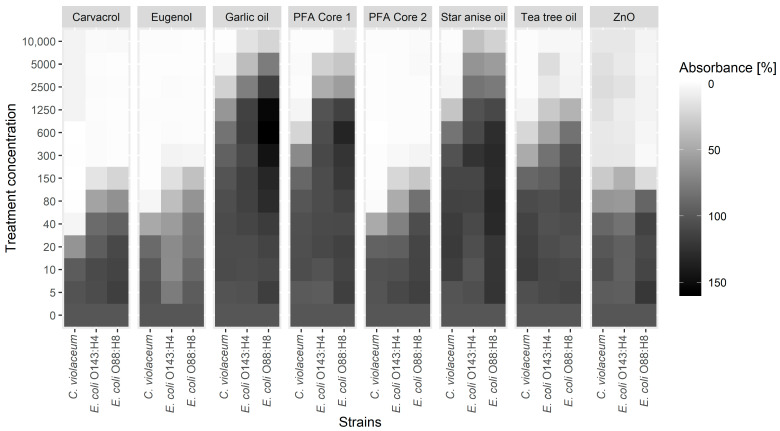 Figure 1
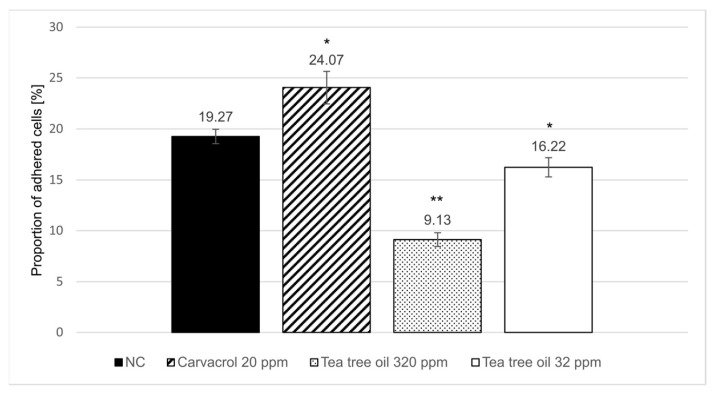 Figure 2
Peer Reviews
No public reviews on file for this paper yet. If you reviewed it on a platform where reviews are public (OpenReview, ICLR, NeurIPS, ICML), you can paste yours below so the community can read it here.
Videos
No videos yet. Explain this paper in a talk, walkthrough, or lecture? Add one.
Taxonomy
TopicsEssential Oils and Antimicrobial Activity · Piperaceae Chemical and Biological Studies · Ginger and Zingiberaceae research