Novel Hyperplastic Expansion of White Adipose Tissue Underlies the Metabolically Healthy Obese Phenotype of Male LFABP Null Mice
Anastasia Diolintzi, Yinxiu Zhou, Angelina Fomina, Yifei Sun, Seema Husain, Labros S. Sidossis, Susan K. Fried, Judith Storch

TL;DR
Mice lacking LFABP become obese but stay metabolically healthy by expanding subcutaneous fat through increased adipocyte numbers rather than size.
Contribution
The study reveals a novel mechanism of healthy obesity through hyperplastic expansion of white adipose tissue in LFABP null mice.
Findings
LFABP−/− mice on HFD have double the fat mass but smaller adipocytes compared to wild-type mice.
Deletion of Lfabp alters pathways related to adipose expansion, including cholesterol biosynthesis and adipogenesis.
LFABP absence may enhance interorgan communication, promoting metabolically beneficial SAT expansion.
Abstract
Obesity is an important risk factor for the development of metabolic syndrome disorders. We previously showed that the liver fatty acid-binding protein null mouse (LFABP−/−) becomes obese upon high-fat diet (HFD) feeding but remains metabolically healthy. Here, we find that the obese LFABP−/− mouse increases subcutaneous adipose tissue (SAT) mass by markedly increasing the number rather than the size of adipocytes, as is typical with HFD. Indeed, while HFD-fed LFABP−/− mice had almost double the fat mass of WT, SAT adipocyte size was >4-fold smaller and adipocyte number was 5-fold higher in the LFABP−/−. Transcriptomic analysis of SAT revealed that Lfabp deletion alters the expression of multiple pathways that modulate adipose expansion and function including cholesterol biosynthesis, adipogenesis, and extracellular matrix remodeling. LFABP is expressed in the liver and small intestine…
Genes, proteins, chemicals, diseases, species, mutations and cell lines named across the full text — each resolved to its canonical identifier and authoritative record.
Click any figure to enlarge with its caption.
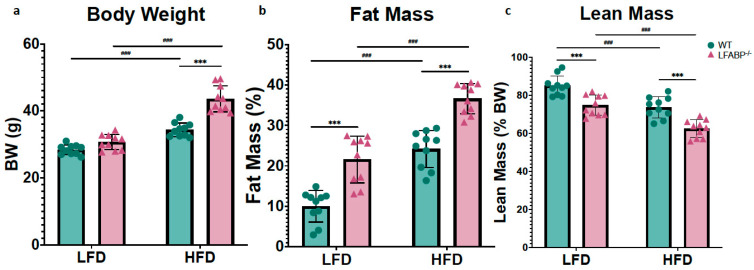 Figure 1
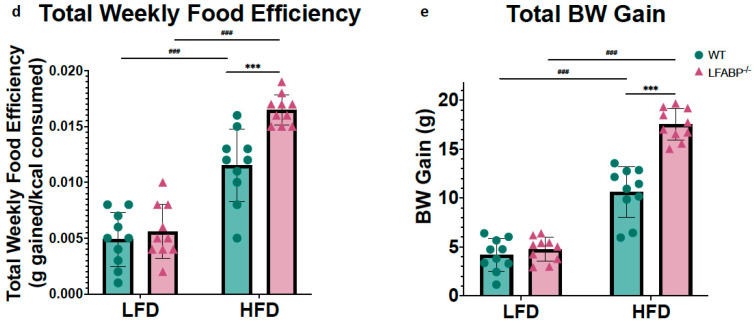 Figure 2
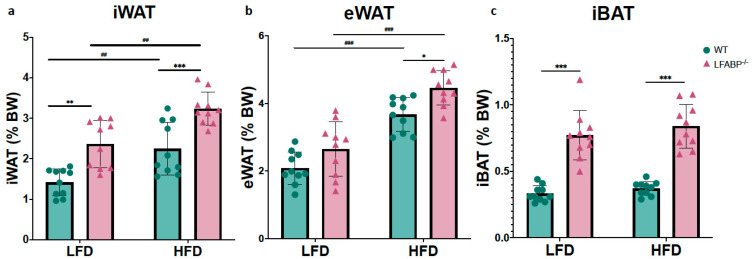 Figure 3
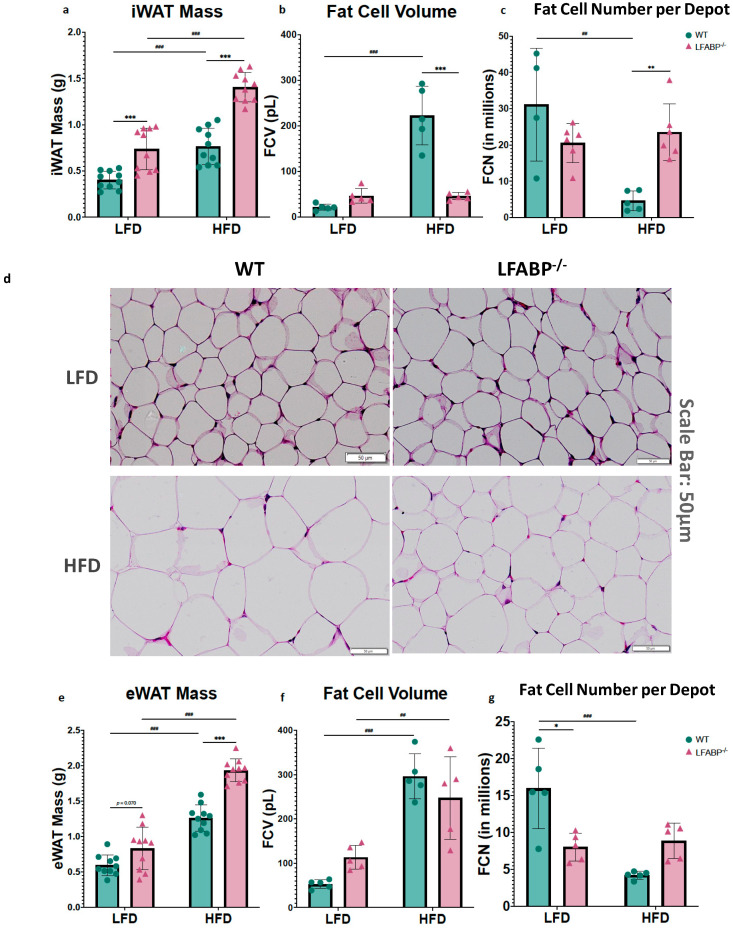 Figure 4
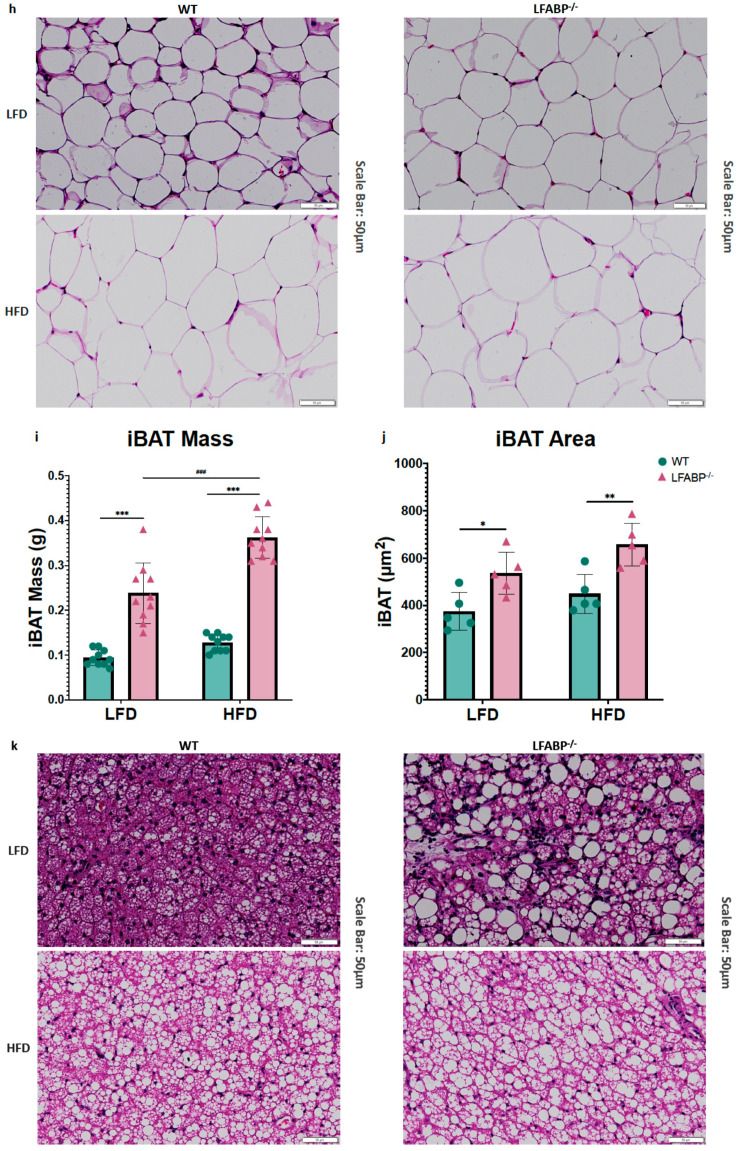 Figure 5
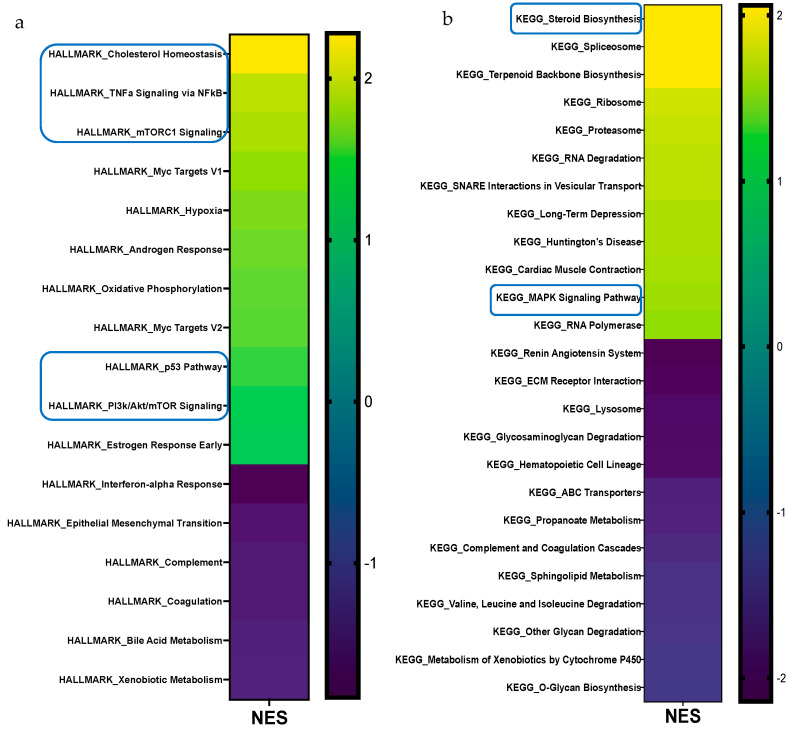 Figure 6
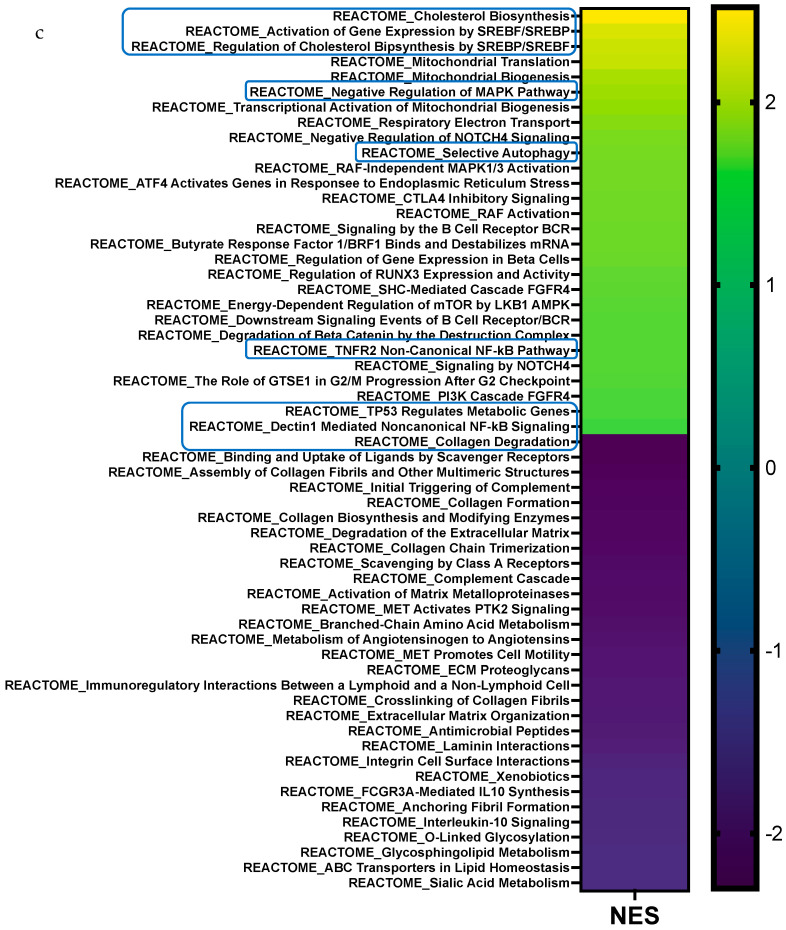 Figure 7
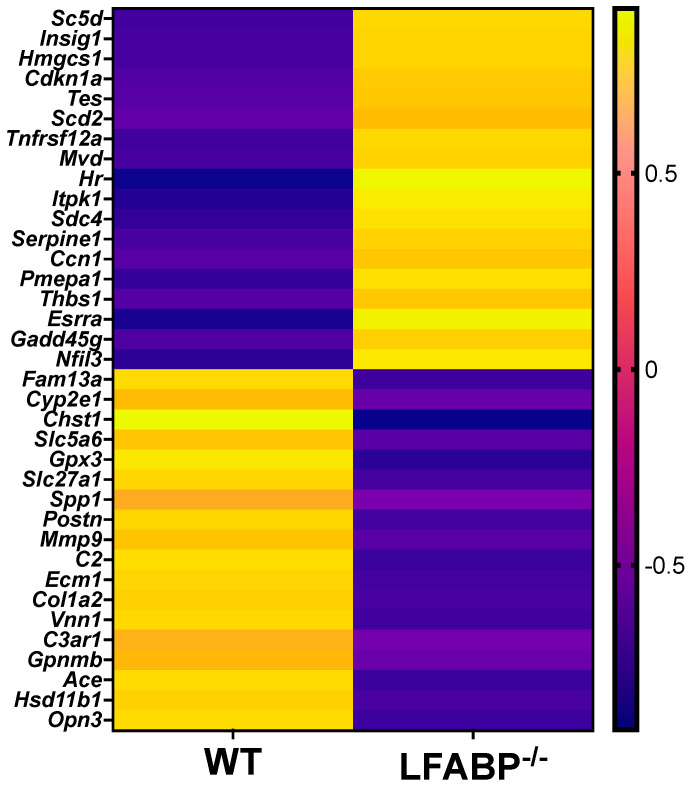 Figure 8
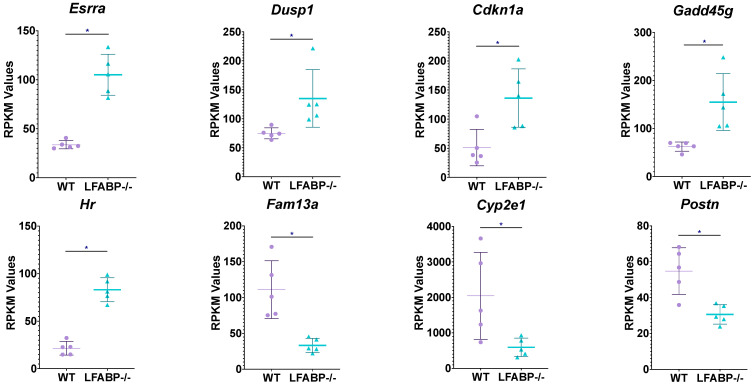 Figure 9
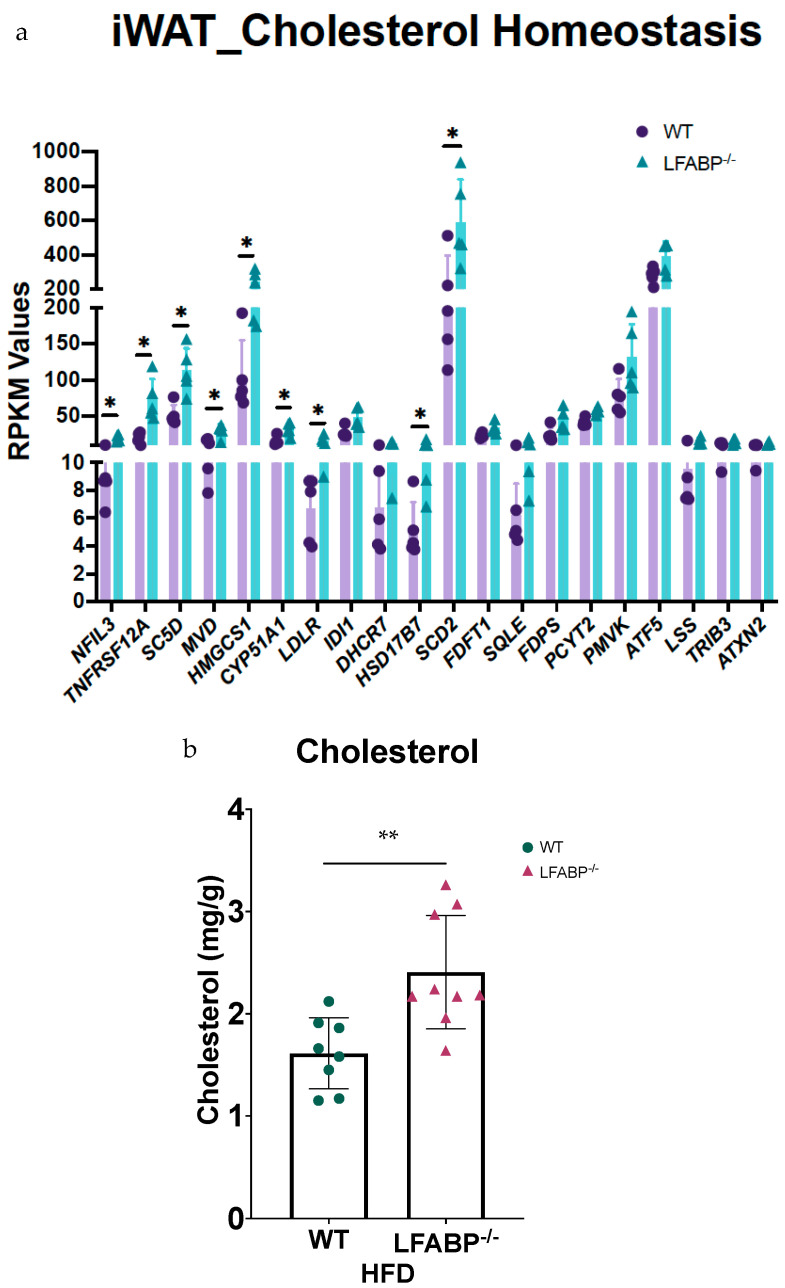 Figure 10
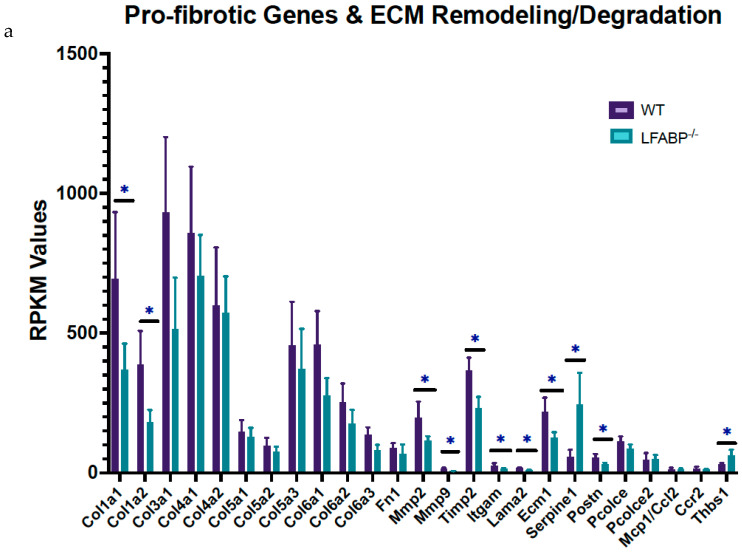 Figure 11
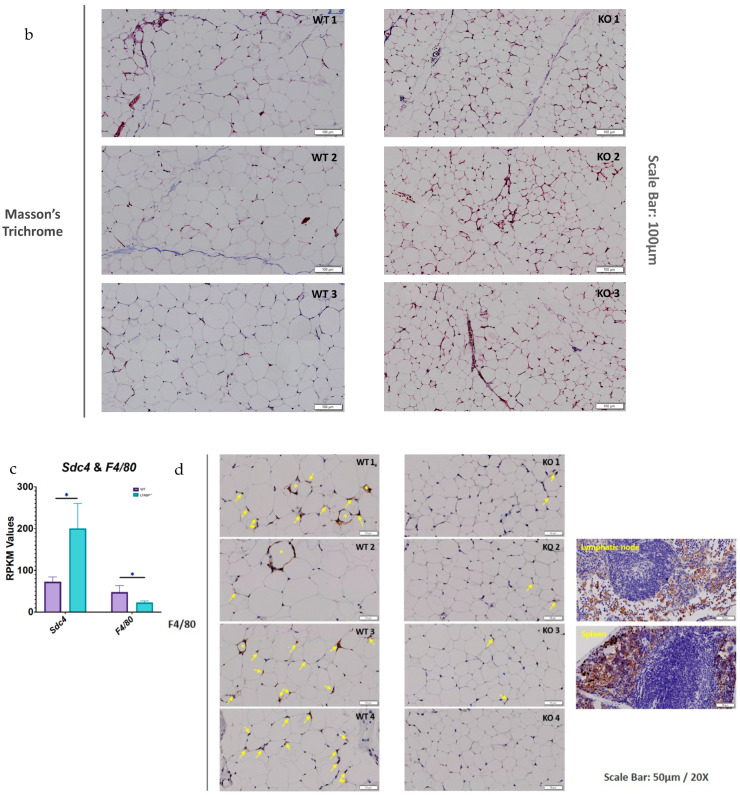 Figure 12
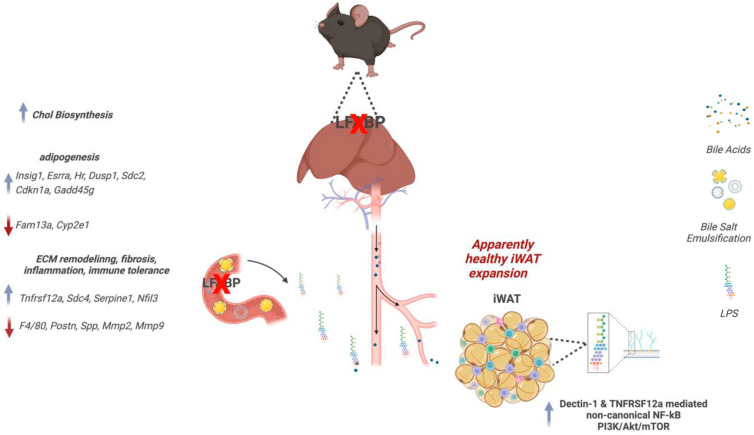 Figure 13
 Figure 14
 Figure 15
Peer Reviews
No public reviews on file for this paper yet. If you reviewed it on a platform where reviews are public (OpenReview, ICLR, NeurIPS, ICML), you can paste yours below so the community can read it here.
Videos
No videos yet. Explain this paper in a talk, walkthrough, or lecture? Add one.
Taxonomy
TopicsAdipose Tissue and Metabolism · Peroxisome Proliferator-Activated Receptors · Adipokines, Inflammation, and Metabolic Diseases