A Comprehensive Evaluation of Clinicopathologic Characteristics, Molecular Features and Prognosis in Lung Adenocarcinoma with an Acinar Component
Hanie Abolfathi, Manal Kordahi, Victoria Saavedra Armero, Nathalie Gaudreault, Dominique K. Boudreau, Andréanne Gagné, Michèle Orain, Pierre Oliver Fiset, Patrice Desmeules, Fabien Claude Lamaze, Yohan Bossé, Philippe Joubert

TL;DR
This study shows that even small acinar components in lung adenocarcinoma can worsen patient outcomes when combined with more aggressive tumor patterns.
Contribution
The study reveals that minor acinar components, when present with other aggressive patterns, significantly impact prognosis in lung adenocarcinoma.
Findings
Tumors with a minor acinar component had worse recurrence-free survival compared to acinar-predominant tumors.
EGFR exon 19 deletions were more common in acinar-predominant tumors than in those with a minor acinar component.
Patients with an acinar component who received EGFR TKIs had better post-recurrence survival.
Abstract
Lung adenocarcinoma (LUAD) is the most common type of lung cancer, and its prognosis often depends on the tumor’s microscopic structure. Acinar-predominant, the most frequent histological pattern, is associated with an intermediate prognosis. However, it remains unclear how minor acinar components influence patient outcomes. In this study, we examined over 1200 LUAD cases to compare patients with acinar-predominant tumors to those with tumors containing a minor acinar component. We analyzed the clinical characteristics, common driver mutations, and recurrence-free survival. We also evaluated the effect of EGFR tyrosine kinase inhibitors (TKIs) on post-recurrence survival in EGFR-mutated LUAD patients harboring an acinar component. Our results show that even small acinar components can worsen outcomes when combined with more aggressive patterns. This research suggests that looking beyond…
Genes, proteins, chemicals, diseases, species, mutations and cell lines named across the full text — each resolved to its canonical identifier and authoritative record.
Click any figure to enlarge with its caption.
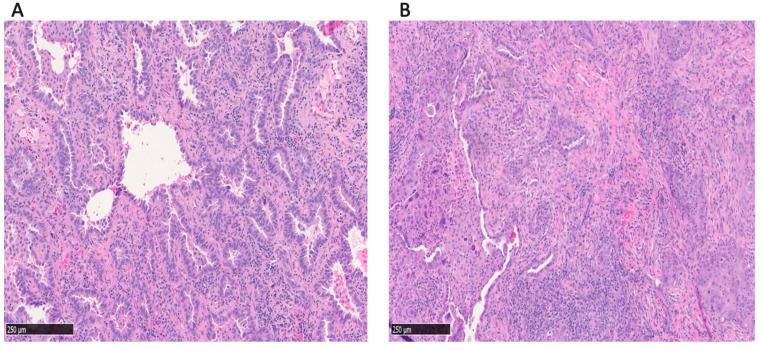 Figure 1
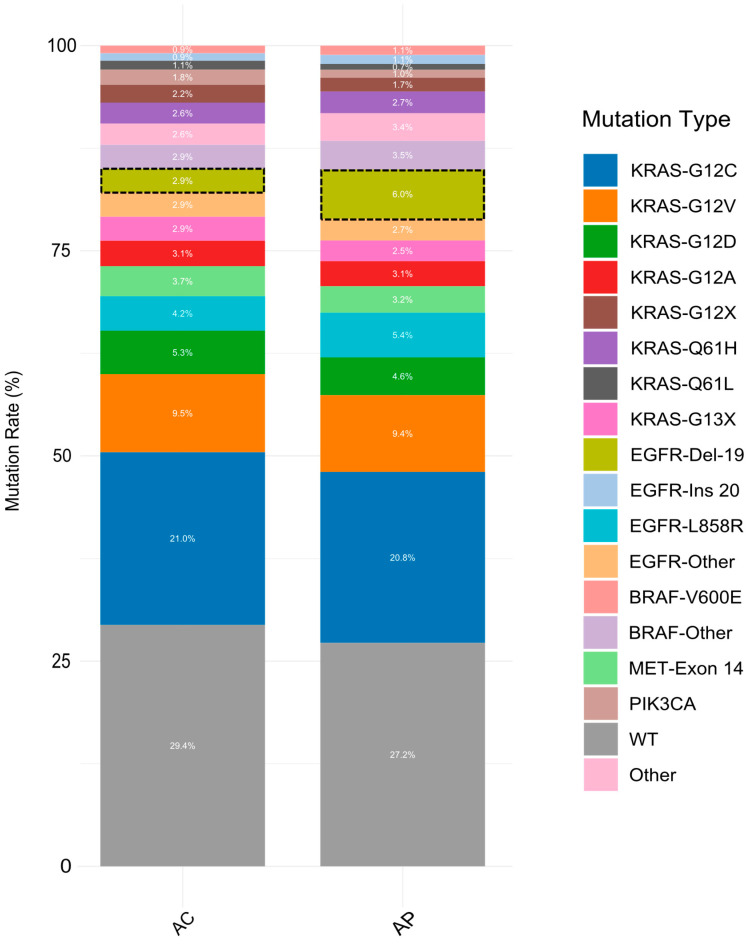 Figure 2
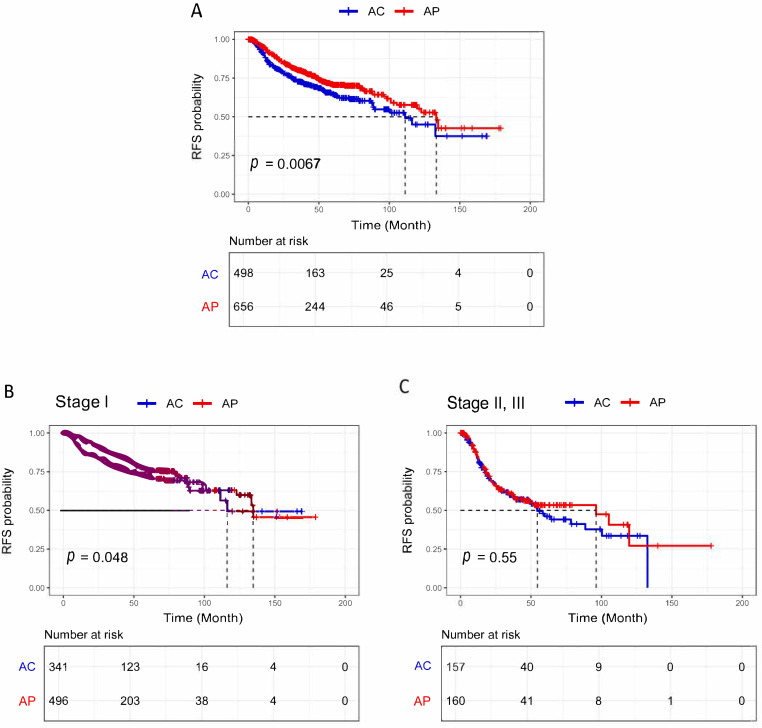 Figure 3
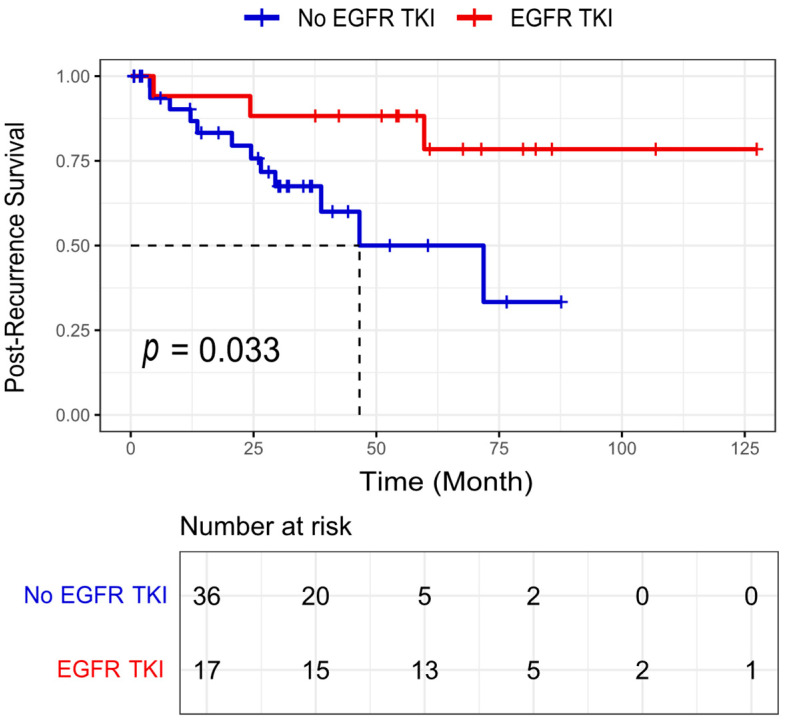 Figure 4
Peer Reviews
No public reviews on file for this paper yet. If you reviewed it on a platform where reviews are public (OpenReview, ICLR, NeurIPS, ICML), you can paste yours below so the community can read it here.
Videos
No videos yet. Explain this paper in a talk, walkthrough, or lecture? Add one.
Taxonomy
TopicsLung Cancer Diagnosis and Treatment · Lung Cancer Treatments and Mutations · Radiomics and Machine Learning in Medical Imaging