Construction of Coexpression Networks Affecting Litter Size in Goats Based on Transcriptome Analysis
Yifan Ren, Junmin He, Guifen Liu, Chen Wei, Xue Li, Jingyi Mao, Guoping Zhang, Wenhao Zhang, Li Long, Ming Wang, Kechuan Tian, Xixia Huang

TL;DR
This study identifies key genes and gene networks in goat ovaries and uteruses that are linked to litter size, offering insights for improving goat reproduction through molecular breeding.
Contribution
The study constructs coexpression networks and identifies novel candidate genes (FOXC1, FOSB, FGL2) associated with goat litter size using RNA-seq and WGCNA.
Findings
1224 differentially expressed genes were identified in ovarian and uterine tissues of high- and low-yield goats.
Four coexpression modules were significantly correlated with litter size, with magenta and green modules containing key candidate genes.
FOXC1, FOSB, and FGL2 were found to play important roles in both ovarian and uterine tissues related to reproduction.
Abstract
Litter size is a critical trait affecting the reproductive performance of goats. Understanding its molecular mechanisms can provide genetic insights into multiple kidding in goats. In this study, we analysed transcriptomic data from the ovarian and uterine tissues of Jining Grey goats during oestrus. Using weighted gene coexpression network analysis (WGCNA), we constructed a coexpression network related to litter size and identified key modules and genes associated with reproduction. These findings provide a theoretical foundation for molecular breeding aimed at improving the reproductive performance of goats. Optimal litter size on goat farms is an important trait for production and economic efficiency. The ovary and uterus, key components of the reproductive system, play essential roles in reproductive performance. In recent years, numerous genes linked to goat reproductive…
Genes, proteins, chemicals, diseases, species, mutations and cell lines named across the full text — each resolved to its canonical identifier and authoritative record.
Click any figure to enlarge with its caption.
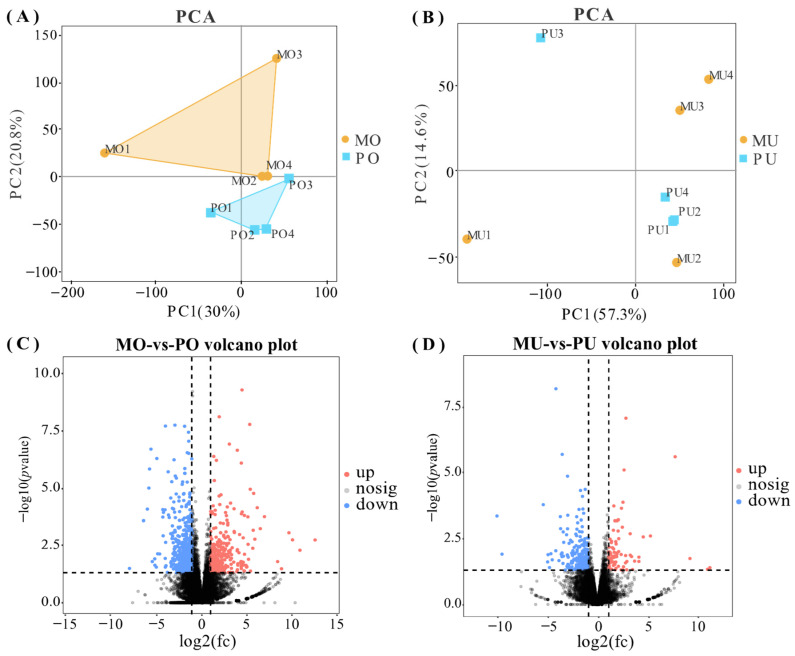 Figure 1
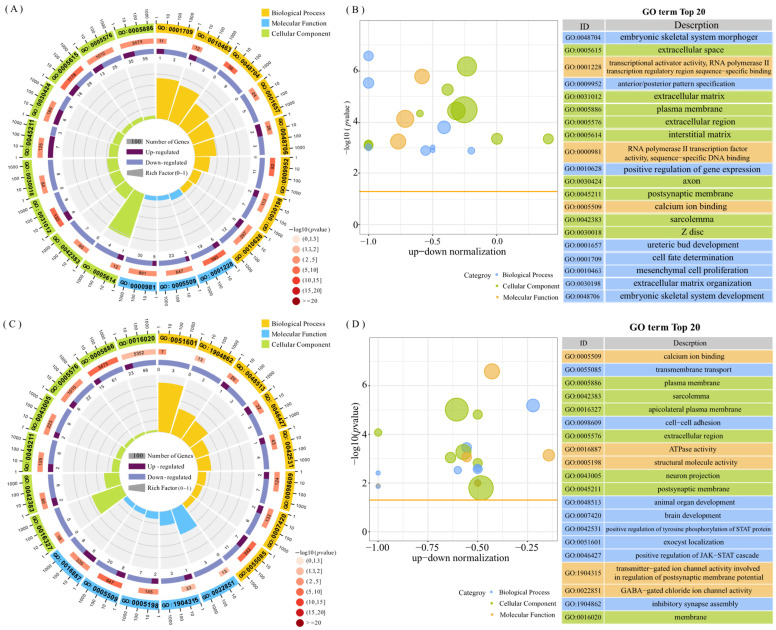 Figure 2
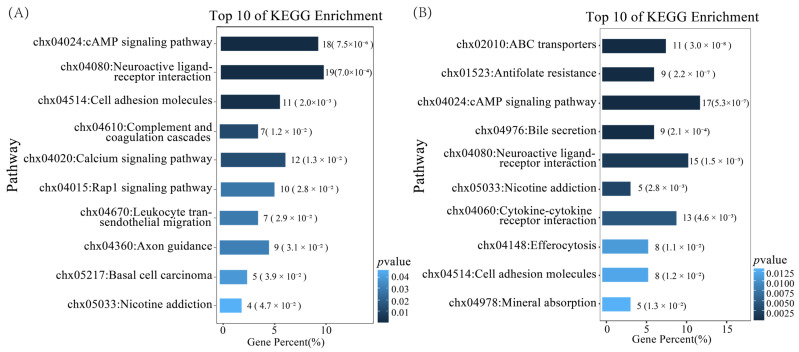 Figure 3
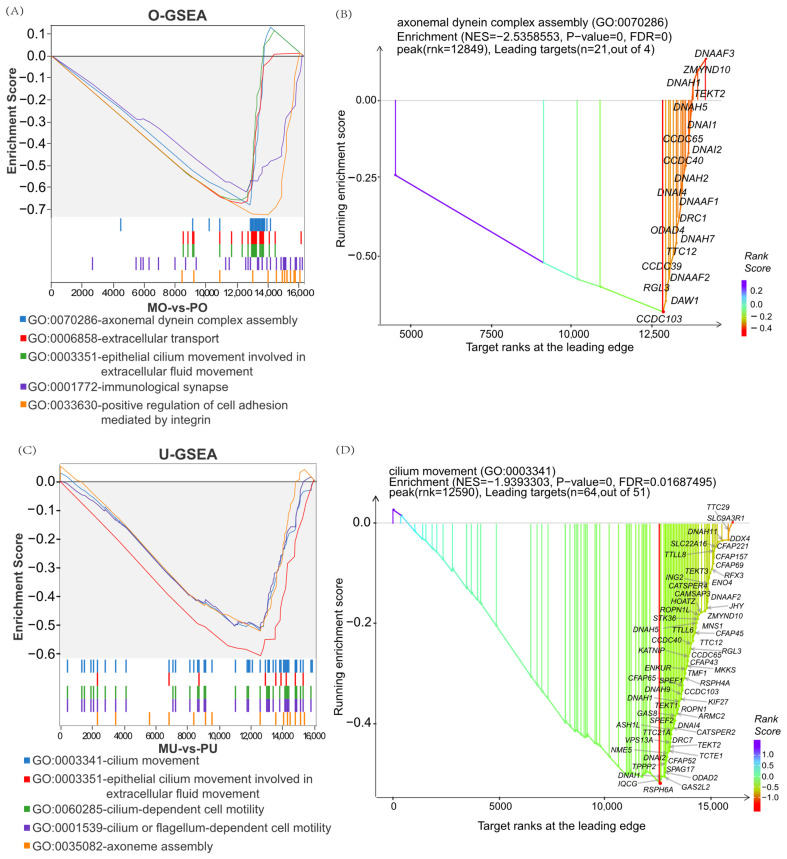 Figure 4
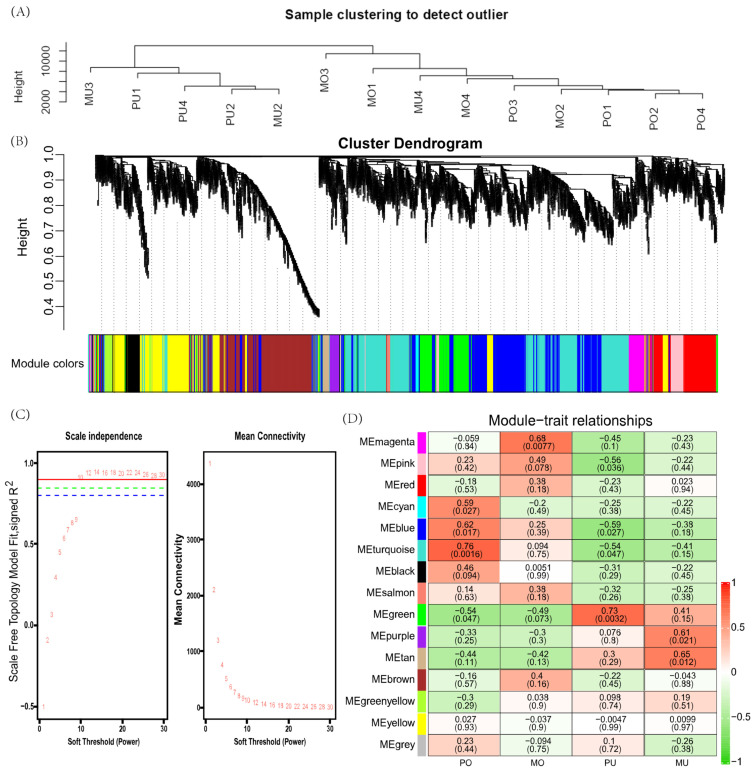 Figure 5
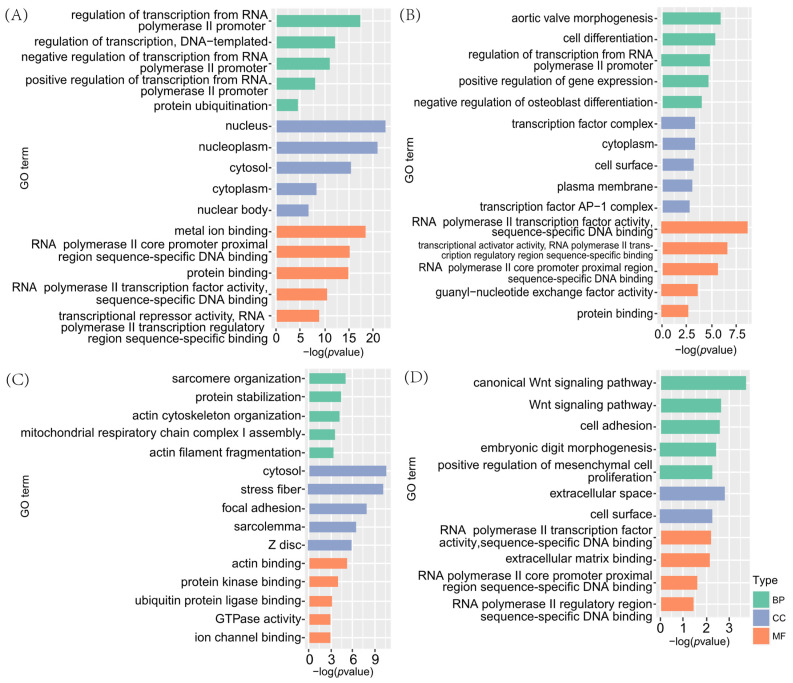 Figure 6
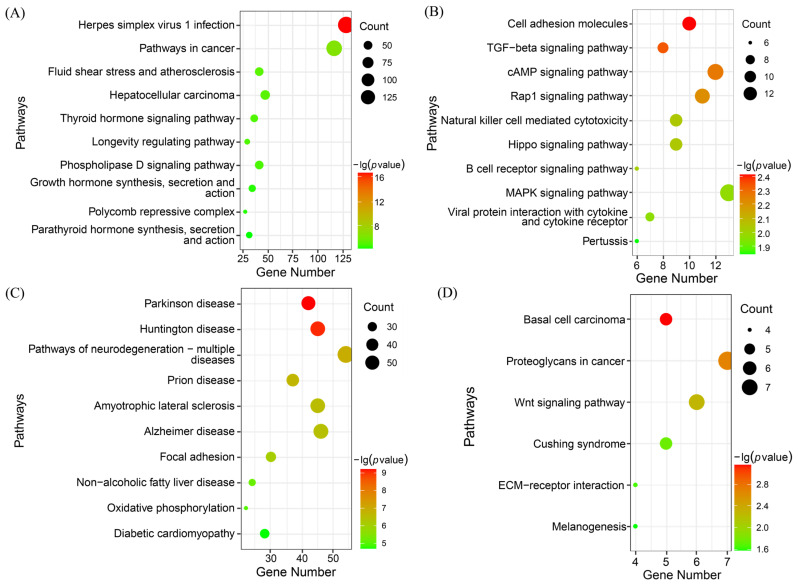 Figure 7
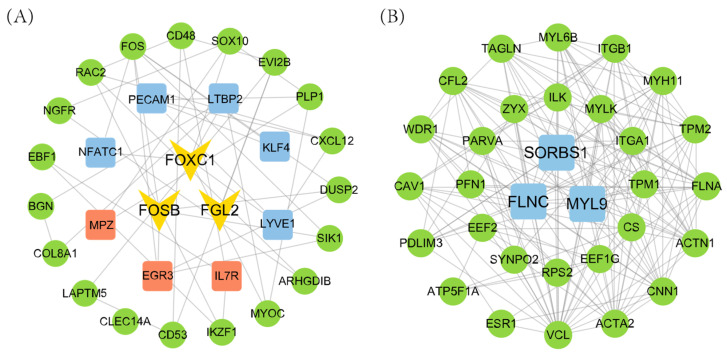 Figure 8
Peer Reviews
No public reviews on file for this paper yet. If you reviewed it on a platform where reviews are public (OpenReview, ICLR, NeurIPS, ICML), you can paste yours below so the community can read it here.
Videos
No videos yet. Explain this paper in a talk, walkthrough, or lecture? Add one.
Taxonomy
TopicsGenetic and phenotypic traits in livestock · Reproductive Physiology in Livestock · Cancer-related molecular mechanisms research