Reference Intervals for Conventional Transthoracic Echocardiography and Two-Dimensional Speckle Tracking Echocardiography-Derived Strain Values in the Dutch Sheepdog (‘Schapendoes’)
Dinand Favier, Celine Brugada-Terradellas, Johannes Vernooij, Alma Hulsman, Giorgia Santarelli

TL;DR
This study establishes breed-specific echocardiographic reference intervals for Dutch Sheepdogs and evaluates the impact of factors like body weight and heart rate on cardiac measurements.
Contribution
The study provides novel breed-specific echocardiographic reference intervals and strain values for Dutch Sheepdogs using advanced imaging techniques.
Findings
Body weight was the most significant independent variable for conventional echocardiographic measurements.
Strain analysis was feasible, but heart rate notably affected radial and circumferential strain measurements.
Anxious behavior in Dutch Sheepdogs, such as panting and tachycardia, affected image quality and analysis.
Abstract
Echocardiography is the most commonly used diagnostic technique for cardiac examination when cardiac disease is suspected. Echocardiographic values in dogs can vary due to differences in body size, thoracic conformation, and activity levels. Therefore, breed-specific echocardiographic reference intervals are preferred. Two-dimensional speckle tracking echocardiography is an advanced imaging technique that allows for the measurement of deformation parameters, contributing to systolic function assessment for the entire ventricle (through global strain and strain rate) or its segments (through segmental strain and strain rate values). The aim of this study was to establish breed-specific reference intervals for conventional echocardiography for the Dutch Sheepdog and compare them with ranges commonly used in canine medicine. Furthermore, two-dimensional speckle tracking-derived strain and…
Genes, proteins, chemicals, diseases, species, mutations and cell lines named across the full text — each resolved to its canonical identifier and authoritative record.
Click any figure to enlarge with its caption.
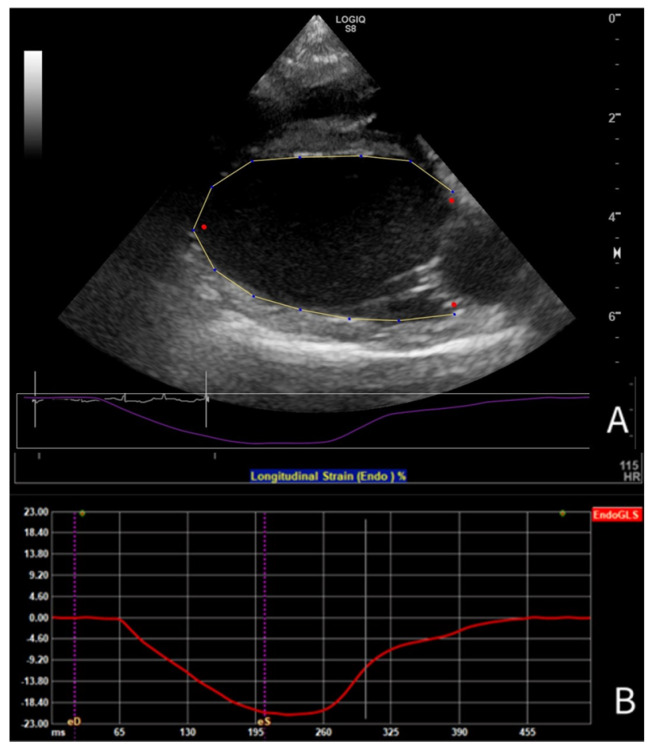 Figure 1
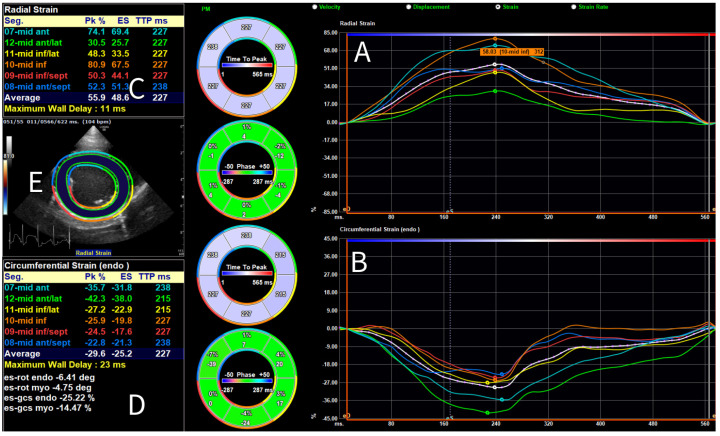 Figure 2
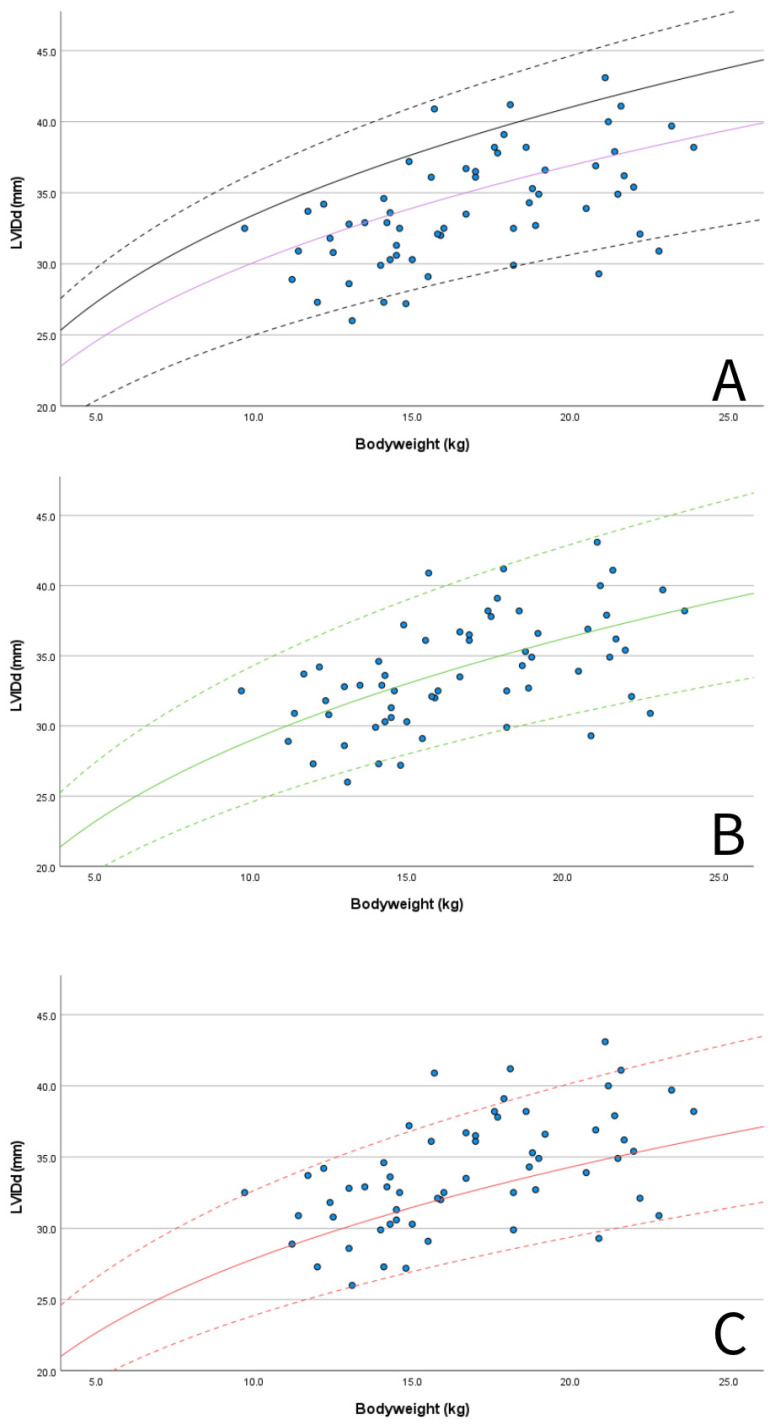 Figure 3
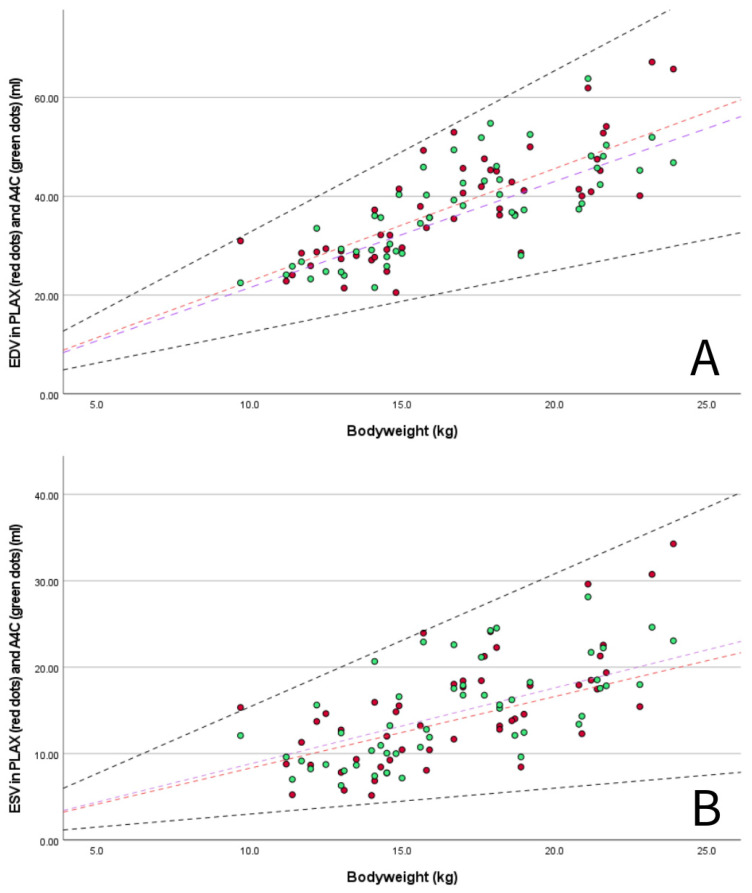 Figure 4
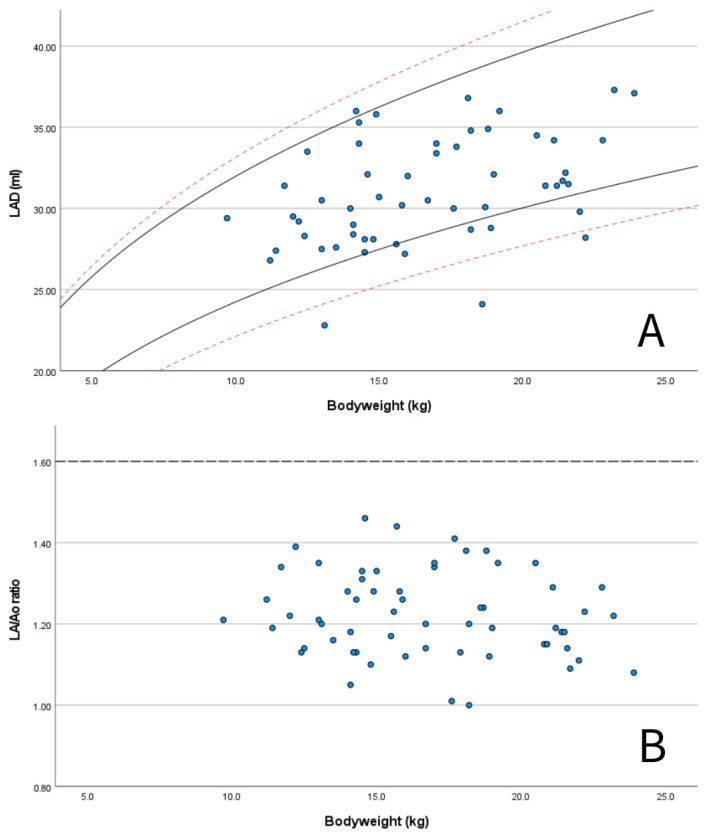 Figure 5
Peer Reviews
No public reviews on file for this paper yet. If you reviewed it on a platform where reviews are public (OpenReview, ICLR, NeurIPS, ICML), you can paste yours below so the community can read it here.
Videos
No videos yet. Explain this paper in a talk, walkthrough, or lecture? Add one.
Taxonomy
TopicsCardiovascular Conditions and Treatments · Cardiovascular Function and Risk Factors · Congenital Heart Disease Studies