Phase Ia/Ib Study of Afatinib with Capecitabine in Patients with Refractory Solid Tumors and Pancreaticobiliary Cancers
Gentry G. King, Kelsey K. Baker, Andrew L. Coveler, William P. Harris, Stacey A. Cohen, Veena Shankaran, David B. Zhen, Rachael A. Safyan, Hannah H. Lee, Annie Alidina, Jeniece Hensel, Reina Hibbert, Greg A. Durm, Yvonne C. LaFary, Anne Younger, Sita Kugel, Eric Collisson

TL;DR
A clinical trial found that combining afatinib and capecitabine is safe but not effective for treating advanced pancreatic and biliary cancers.
Contribution
The study identifies KRAS wild-type status as a potential biomarker for better outcomes with anti-EGFR therapies in these cancers.
Findings
Afatinib plus capecitabine showed tolerable safety but no significant clinical benefit in refractory pancreatic and biliary cancers.
KRAS wild-type cancers had better disease control and longer survival compared to KRAS-mutated cancers.
Future research should focus on novel anti-EGFR therapies in KRAS wild-type cancers with comprehensive molecular profiling.
Abstract
The epidermal growth factor receptor (EGFR) is overactive in many solid tumors. Afatinib, an EGFR/HER2/HER3 inhibitor, synergizes with capecitabine in preclinical models. This phase Ia/Ib trial evaluated the safety and preliminary efficacy of afatinib plus capecitabine in refractory pancreatic ductal adenocarcinoma, biliary cancers, and other solid tumors. Afatinib plus capecitabine is tolerable but does not have clinically meaningful efficacy in refractory pancreatico-biliary cancers. Numerically better disease control rates (50% vs. 20%) and median survival (5.8 months vs. 3.9 months) were observed for KRAS wild-type (WT) vs. KRAS-mutated (MUT) pancreatic cancers. Similarly, better disease control (40% vs. 20%) and median survival (5 months vs. 3.1 months) were observed for KRASWT vs. KRASMUT biliary cancers. Future studies should test novel anti-EGFR therapies in KRASWT cancers,…
Genes, proteins, chemicals, diseases, species, mutations and cell lines named across the full text — each resolved to its canonical identifier and authoritative record.
Click any figure to enlarge with its caption.
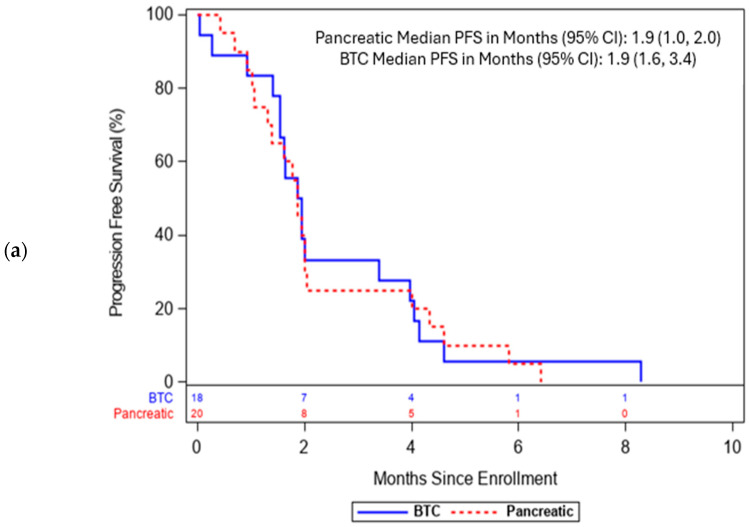 Figure 1
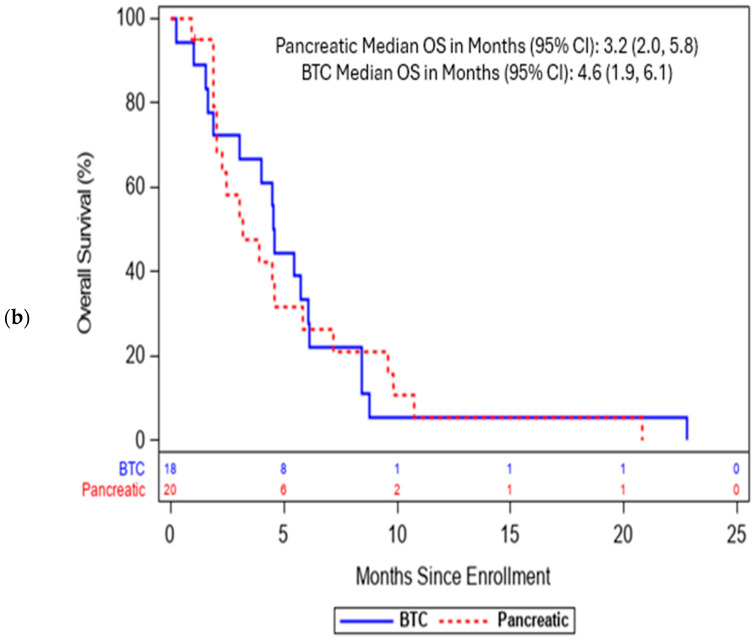 Figure 2
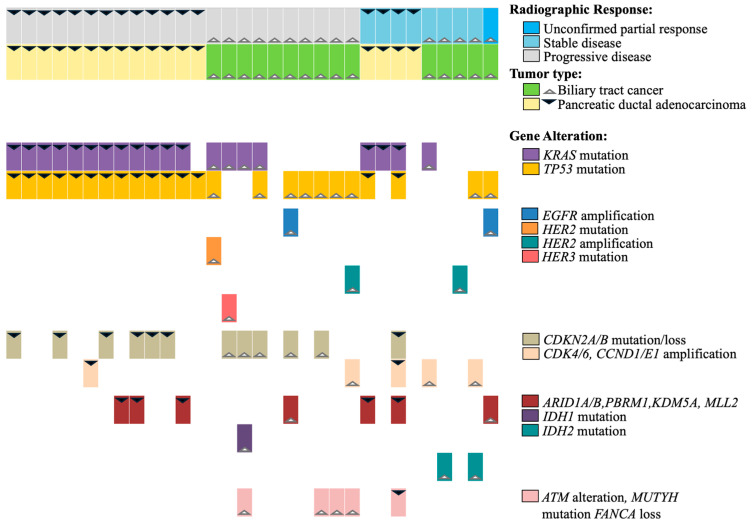 Figure 3
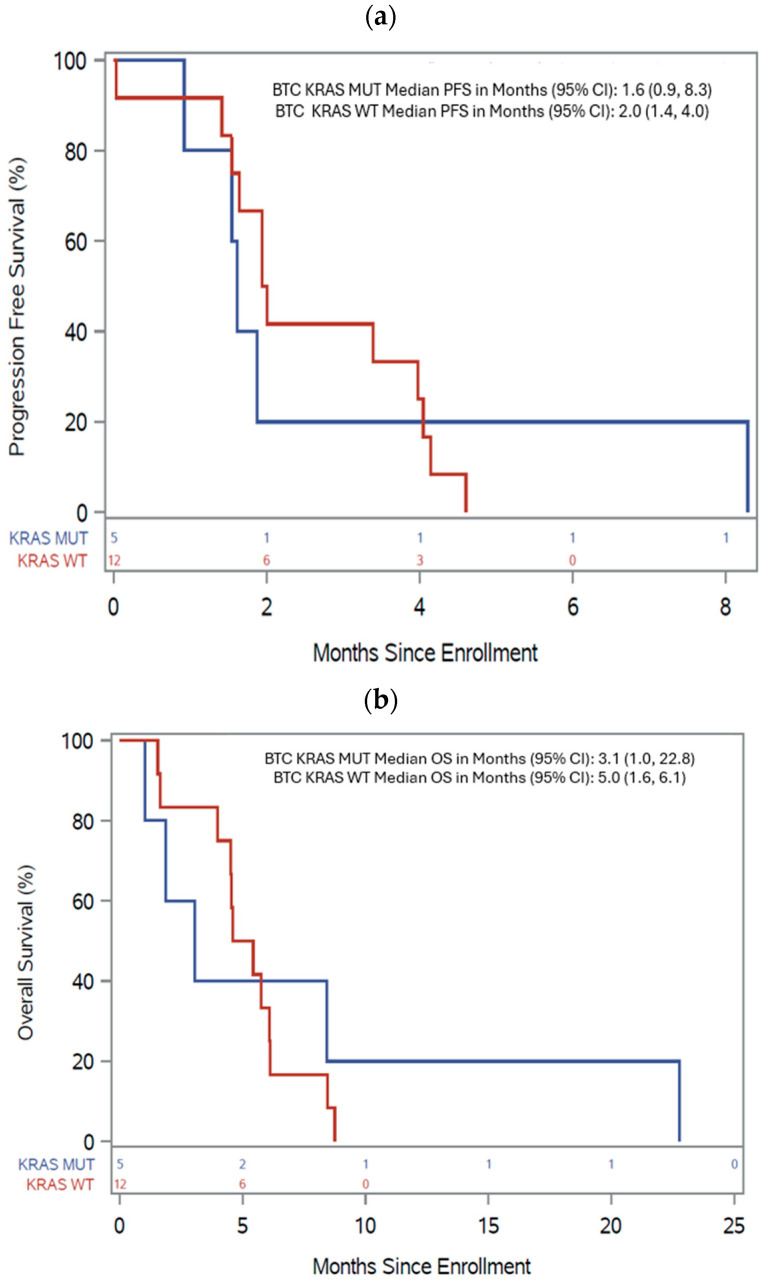 Figure 4
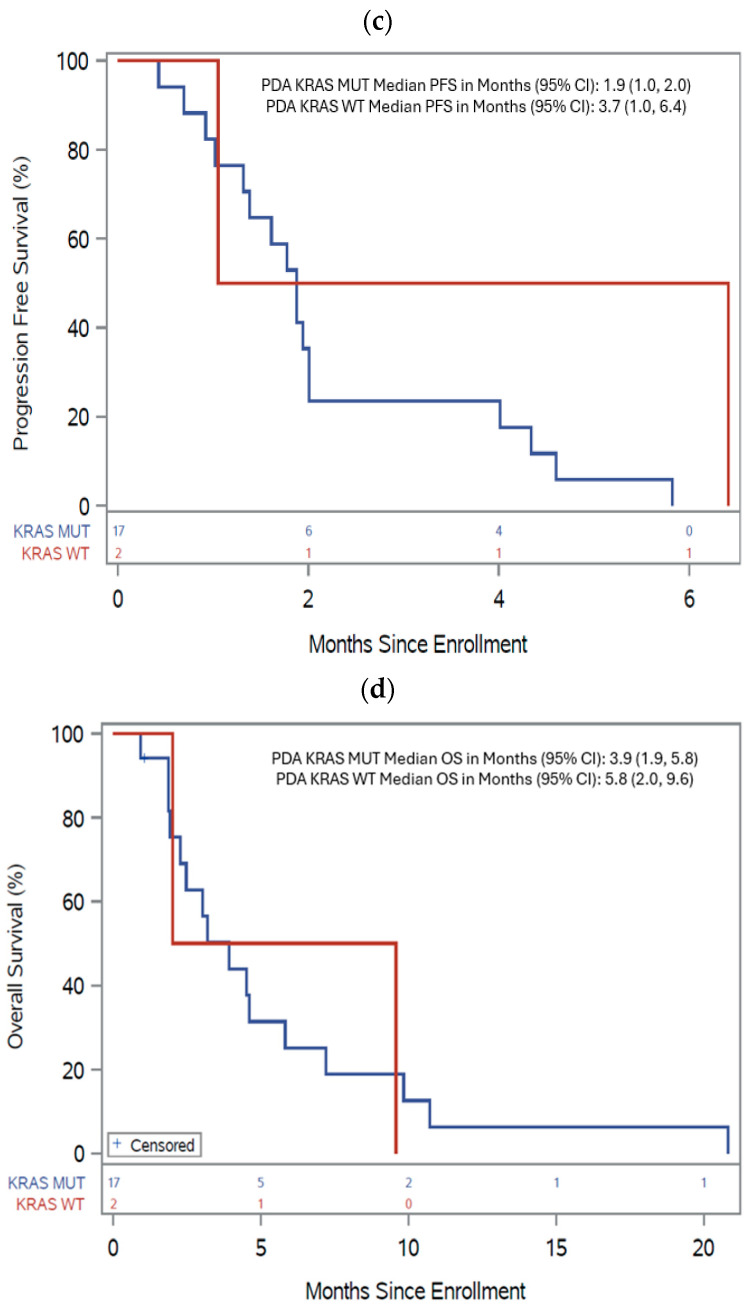 Figure 5
Peer Reviews
No public reviews on file for this paper yet. If you reviewed it on a platform where reviews are public (OpenReview, ICLR, NeurIPS, ICML), you can paste yours below so the community can read it here.
Videos
No videos yet. Explain this paper in a talk, walkthrough, or lecture? Add one.
Taxonomy
TopicsPancreatic and Hepatic Oncology Research · Chronic Lymphocytic Leukemia Research · Colorectal Cancer Treatments and Studies