Primary Cell Cultures in Neurobiology: Optimized Protocol for Culture of Mouse Fetal Hindbrain Neurons
Hadrien Glibert, Laure Bridoux, Maëlle Palate, Coralie Piget, Marie-Thérèse Ahn, Roberta Gualdani, Ana Domínguez-Bajo, Frédéric Clotman, Filippo M. Rijli, Françoise Gofflot

TL;DR
This paper presents a reliable protocol for culturing mouse fetal hindbrain neurons in vitro, enabling detailed study of brainstem neuronal networks.
Contribution
The study introduces a novel, reproducible method for culturing hindbrain neurons with controlled glial cell expansion.
Findings
Neurons cultured using this protocol develop extensive axonal and dendritic branching by 10 days in vitro.
Functional synapses and excitable neurons were confirmed through immunofluorescence and patch-clamp recordings.
The method supports molecular and physiological analyses, demonstrated via tamoxifen-induced Cre recombination.
Abstract
Primary cultures of neural cells are important key tools for basic and translational neuroscience research. These primary cell cultures are classically generated from the rodent brain hippocampus or cortex and optimized for enrichment in neurons at the expense of glial cells. Importantly, considerable differences exist in neuronal cell populations and in glial cell contribution between different brain regions. Because many basic and translational research projects aim to identify mechanisms underlying brainstem neuronal networks that affect major vital functions, primary cultures representative of cell populations present in the hindbrain are required. However, the preparation of primary cultures of brainstem/hindbrain neurons is scarcely described in the literature, limiting the possibilities for studying the development and physiology of these brain regions in vitro. The present…
Genes, proteins, chemicals, diseases, species, mutations and cell lines named across the full text — each resolved to its canonical identifier and authoritative record.
Click any figure to enlarge with its caption.
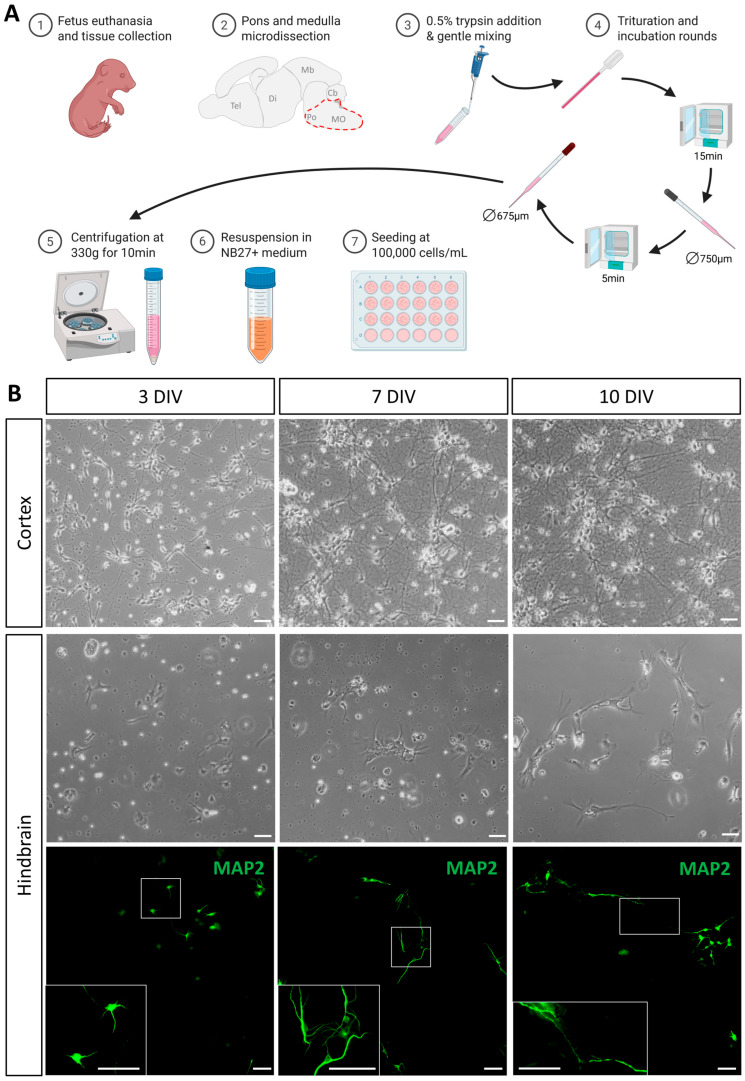 Figure 1
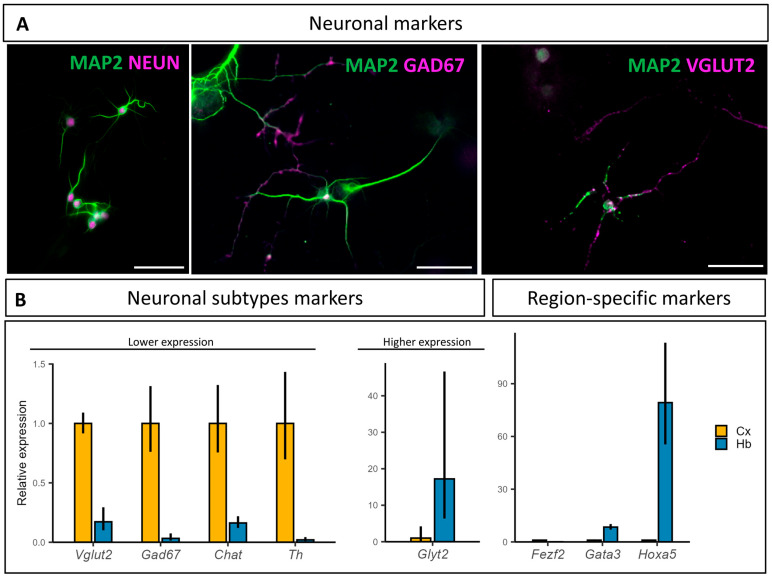 Figure 2
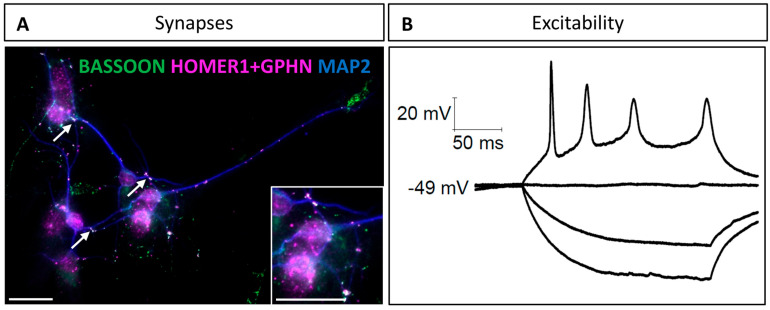 Figure 3
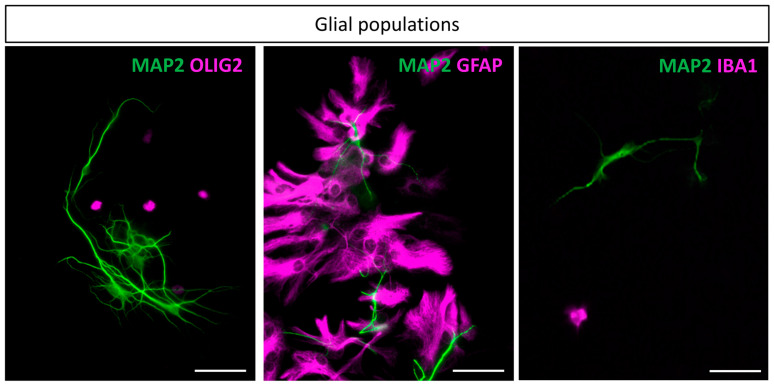 Figure 4
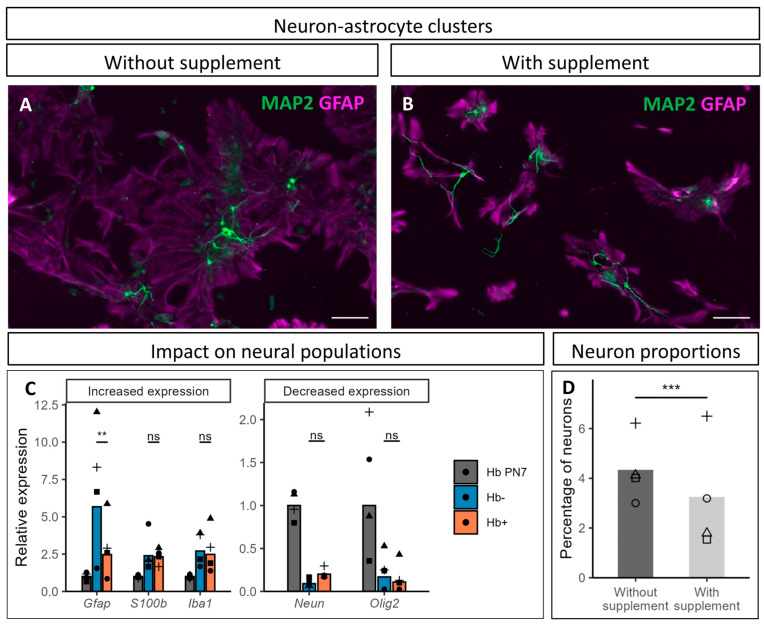 Figure 5
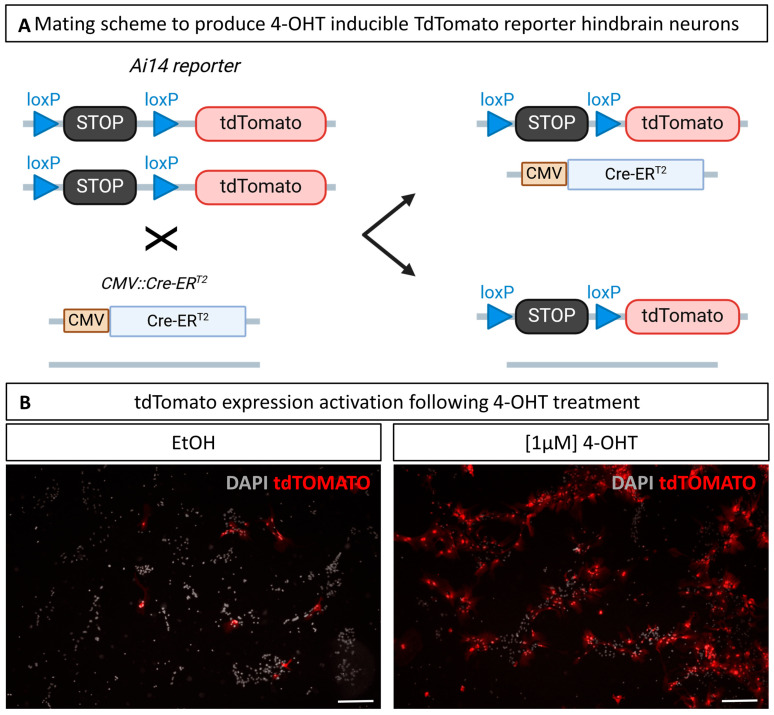 Figure 6
Peer Reviews
No public reviews on file for this paper yet. If you reviewed it on a platform where reviews are public (OpenReview, ICLR, NeurIPS, ICML), you can paste yours below so the community can read it here.
Videos
No videos yet. Explain this paper in a talk, walkthrough, or lecture? Add one.
Taxonomy
TopicsNeurogenesis and neuroplasticity mechanisms · Neuroinflammation and Neurodegeneration Mechanisms · Neuroscience and Neuropharmacology Research