Physiological roles of an Acinetobacter-specific σ factor
Emily E. Bacon, Kevin S. Myers, Rubén Iruegas-López, Amy B. Banta, Michael Place, Ingo Ebersberger, Jason M. Peters

TL;DR
This study explores how the Acinetobacter-specific transcription factor SigAb helps the antibiotic-resistant pathogen Acinetobacter baumannii respond to stress, especially metal stress like copper.
Contribution
The study identifies SigAb as a unique metal stress-responsive ECF σ factor in Acinetobacter and reveals its direct and indirect regulatory roles.
Findings
SigAb directly regulates genes like itself, RelA, and SabS, but indirectly controls hundreds of genes, including metal resistance genes.
CRISPRi knockdown of sigAb or sabS increases copper sensitivity and copper-induced transcription.
Genes aabA and aabB in the sigAb operon have anti-SigAb activity, and all three are important for fitness even under optimal growth conditions.
Abstract
The Gram-negative pathogen Acinetobacter baumannii is considered an “urgent threat” to human health due to its propensity to become antibiotic resistant. Understanding the distinct regulatory paradigms used by A. baumannii to mitigate cellular stresses may uncover new therapeutic targets. Many γ-proteobacteria use the extracytoplasmic function (ECF) σ factor, RpoE, to invoke envelope homeostasis networks in response to stress. Acinetobacter species contain the poorly characterized ECF “SigAb”; however, it is unclear if SigAb has the same physiological role as RpoE. Here, we show that SigAb is a metal stress-responsive ECF that appears unique to Acinetobacter species and distinct from RpoE-like ECFs. We combine promoter mutagenesis, motif scanning, and chromatin immunoprecipitation-sequencing (ChIP-seq) to define the direct SigAb regulon, which consists of genes encoding SigAb itself,…
Genes, proteins, chemicals, diseases, species, mutations and cell lines named across the full text — each resolved to its canonical identifier and authoritative record.
Click any figure to enlarge with its caption.
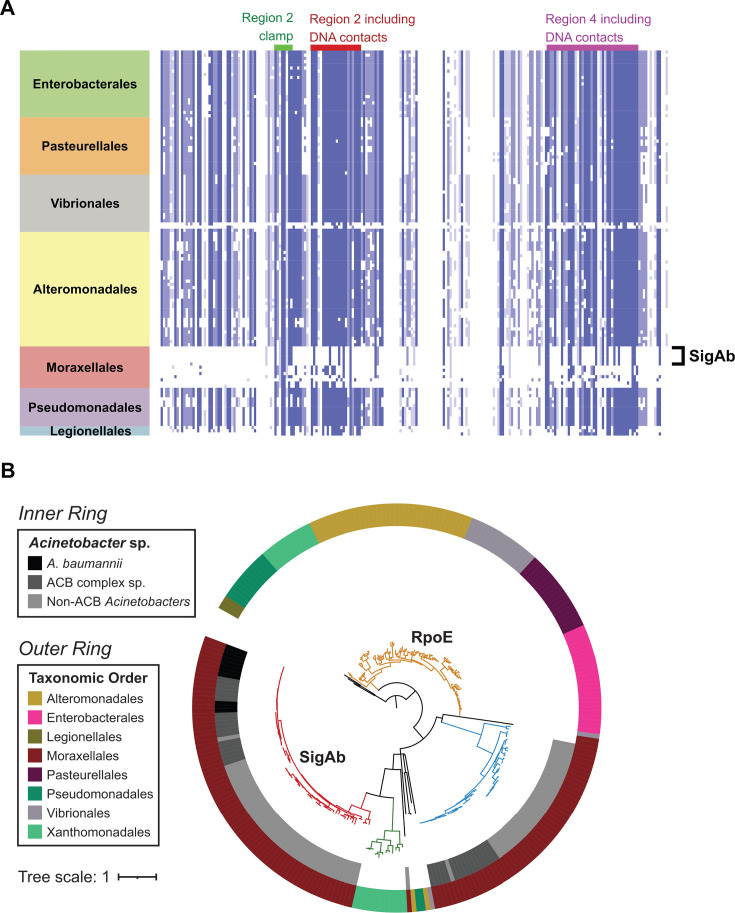 Figure 1
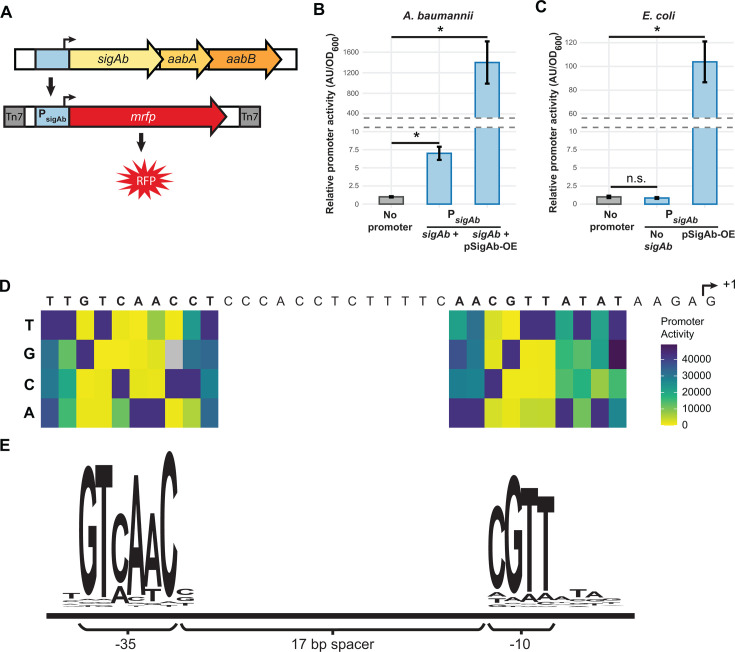 Figure 2
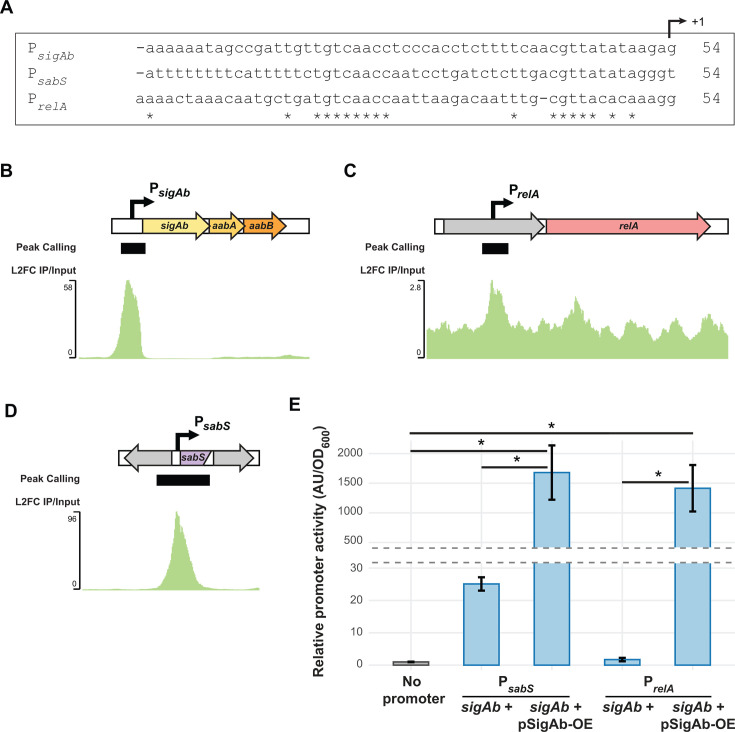 Figure 3
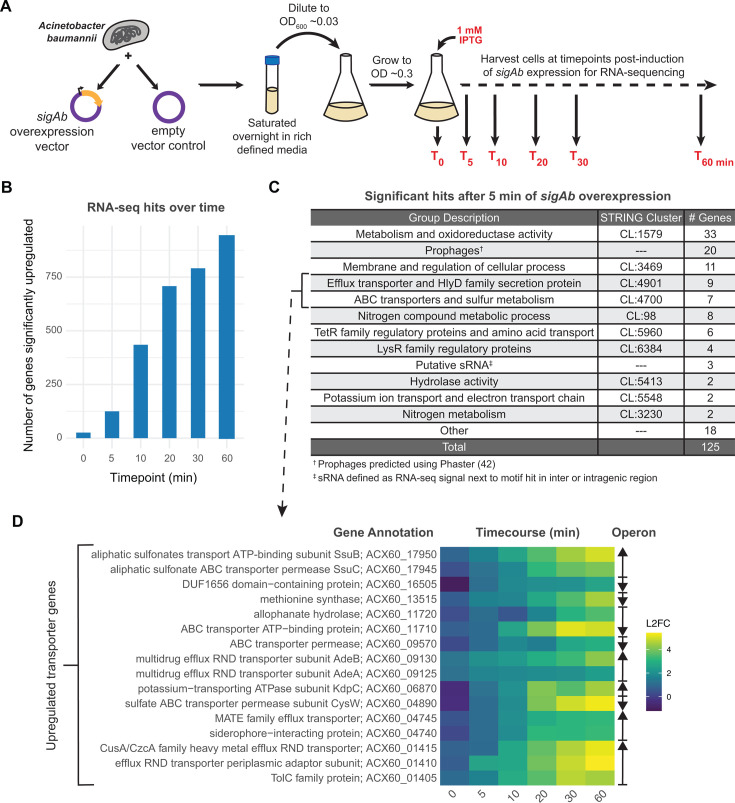 Figure 4
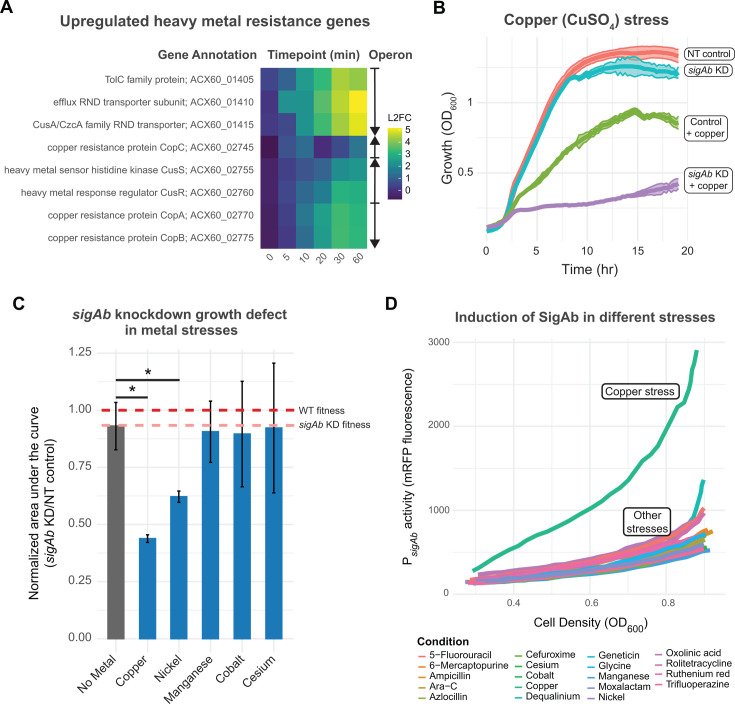 Figure 5
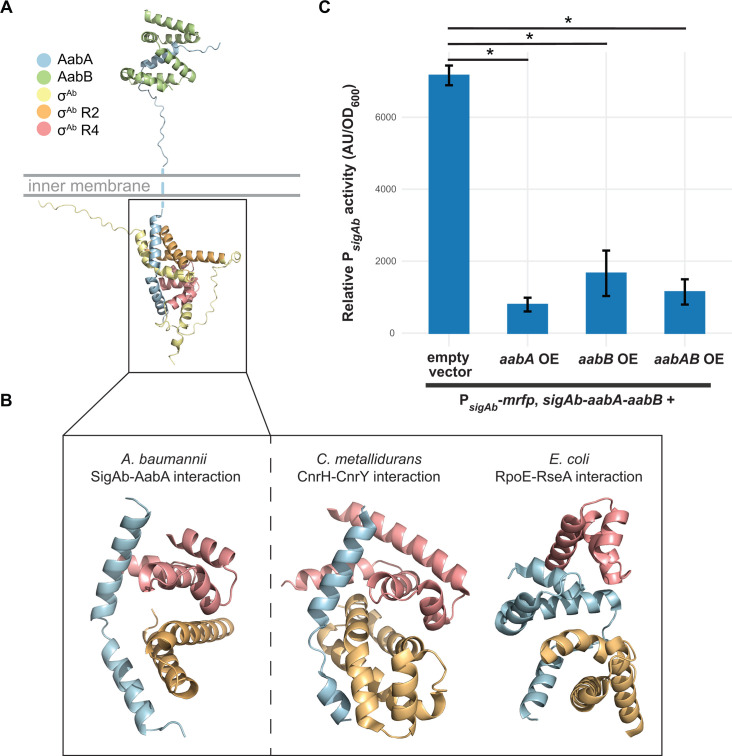 Figure 6
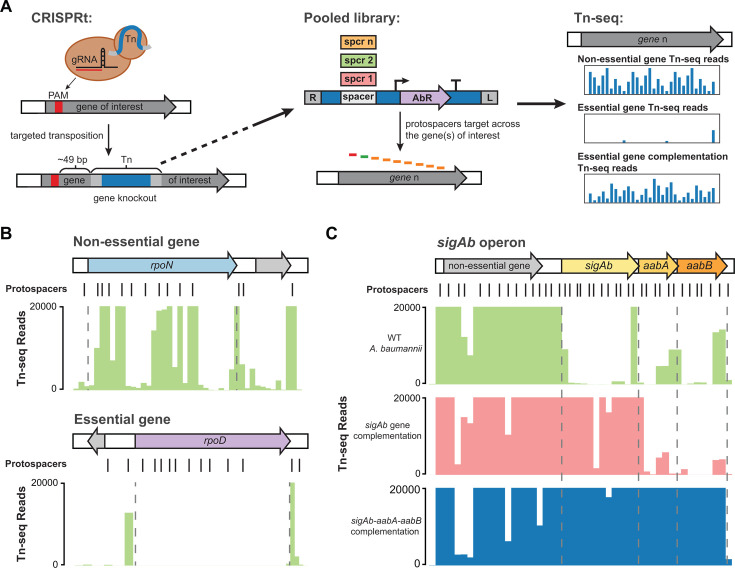 Figure 7
Peer Reviews
No public reviews on file for this paper yet. If you reviewed it on a platform where reviews are public (OpenReview, ICLR, NeurIPS, ICML), you can paste yours below so the community can read it here.
Videos
No videos yet. Explain this paper in a talk, walkthrough, or lecture? Add one.
Taxonomy
TopicsAntibiotic Resistance in Bacteria · Trace Elements in Health · CRISPR and Genetic Engineering