Role of glucuronoxylomannan and steryl glucosides in protecting against cryptococcosis
Gabriel Soares Matos, Samyr M. Querobino, Veronica S. Brauer, Luna S. Joffe, Nivea Pereira de Sa, Caroline Mota Fernandes, Deveney DaSilva, Vanessa A. da Silva, Marinaldo Pacífico Cavalcanti Neto, Tyler Normile, Hengwei Zhu, Surita R. Bhatia, Li Tan, Parastoo Azadi

TL;DR
This study identifies how specific components of the Cryptococcus fungal capsule and glycolipids work together to stimulate immunity and protect against infection, offering insights for developing a cryptococcal vaccine.
Contribution
The study reveals that glucuronic acid, xylose, and mannose in the capsule, along with steryl glucosides, are essential for immunostimulation and protection against cryptococcosis.
Findings
Glucuronic acid and xylose are required for protection, as their absence prevents IFNγ and IL-17A production by γδ T cells.
Deletion of SGL1 alters the ratio of mannose in glucuronoxylomannan (GXM) microfibers, impacting capsule structure.
Steryl glucosides (SGs) on the capsule promote small microfiber formation and may enhance vaccine efficacy.
Abstract
The development of vaccines for fungal diseases, including cryptococcosis, is an emergent line of research and development. In previous studies, we showed that a Cryptococcus mutant lacking the SGL1 gene (∆sgl1) accumulates certain glycolipids called steryl glucosides (SGs) on the fungal capsule, promoting an effective immunostimulation that totally protects the host from a secondary cryptococcal infection. However, this protection is lost when the cryptococcal capsule is absent in the ∆sgl1 background. The cryptococcal capsule is mainly composed of glucuronoxylomannan (GXM), a polysaccharide microfiber consisting of glucuronic acid, xylose, and mannose linked by glycosidic bonds forming specific triads. In this study, we engineered cells to lack each of the GXM components and tested the effect of these deletions on protection under the condition of SG accumulation. We found that…
Genes, proteins, chemicals, diseases, species, mutations and cell lines named across the full text — each resolved to its canonical identifier and authoritative record.
Click any figure to enlarge with its caption.
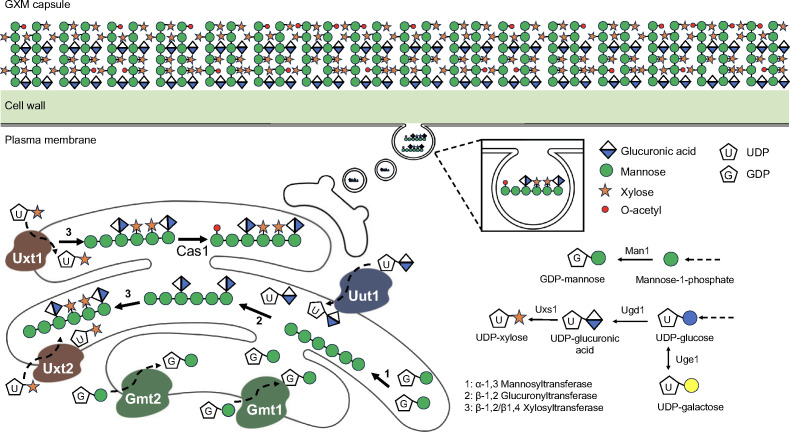 Figure 1
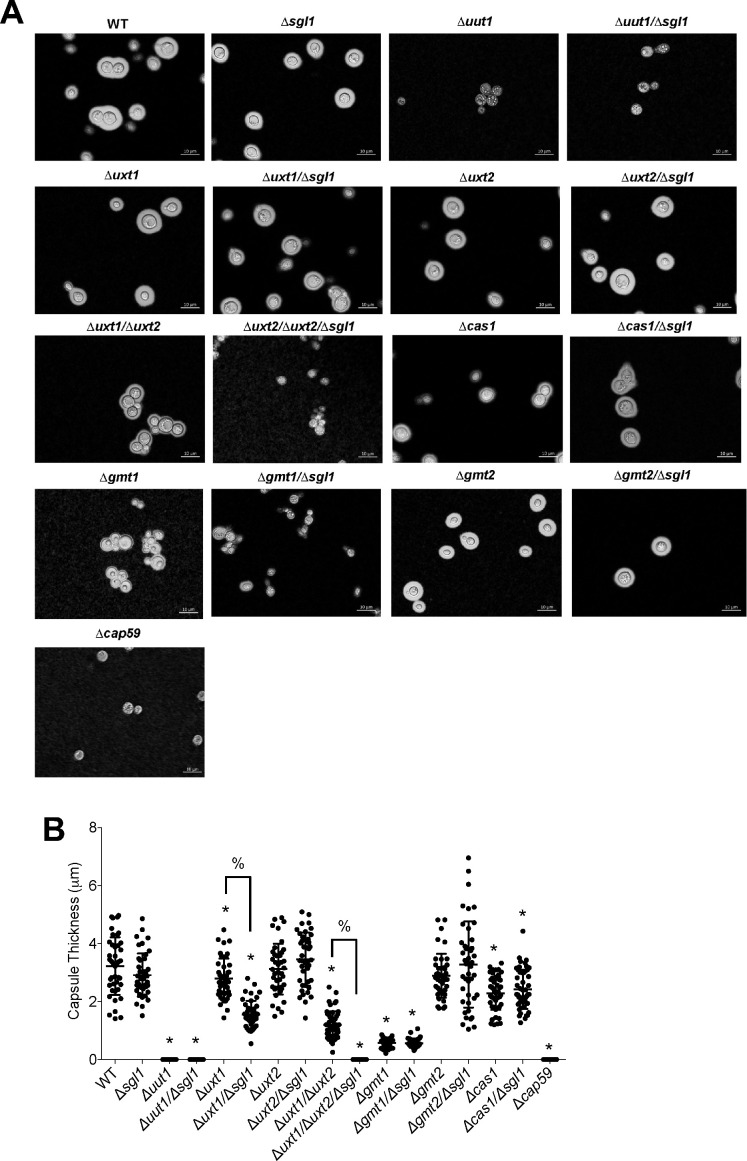 Figure 2
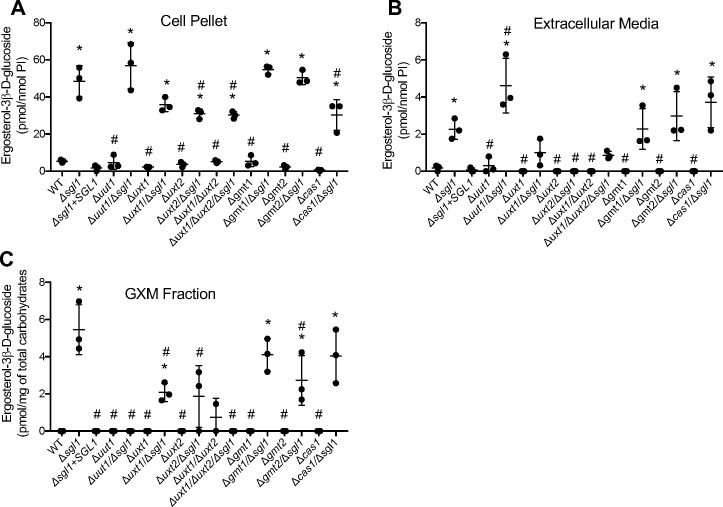 Figure 3
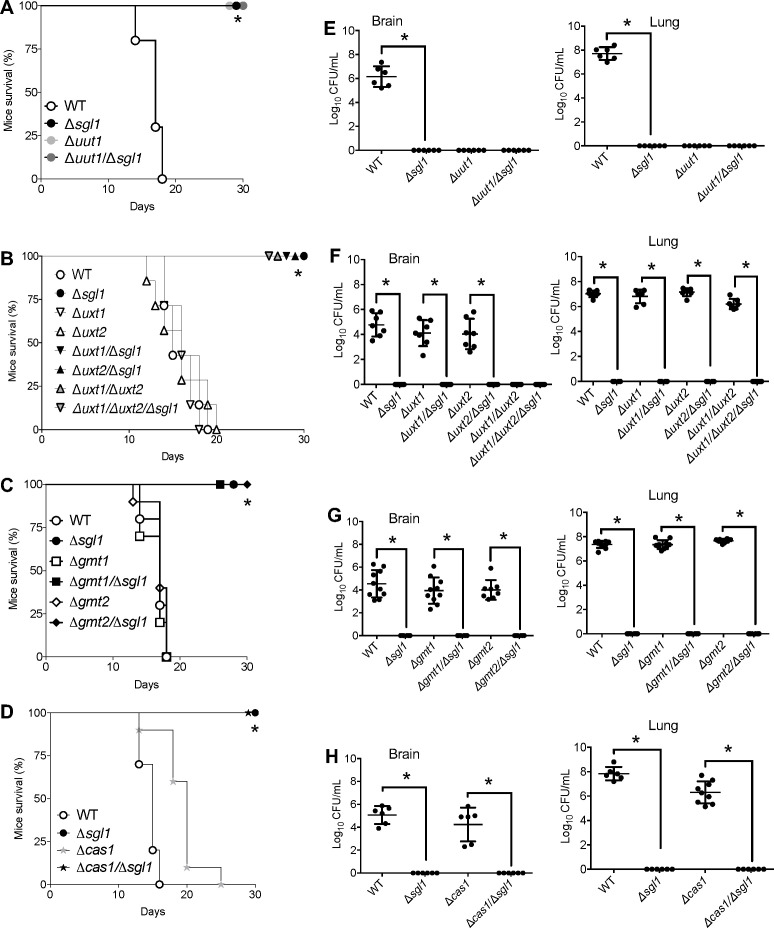 Figure 4
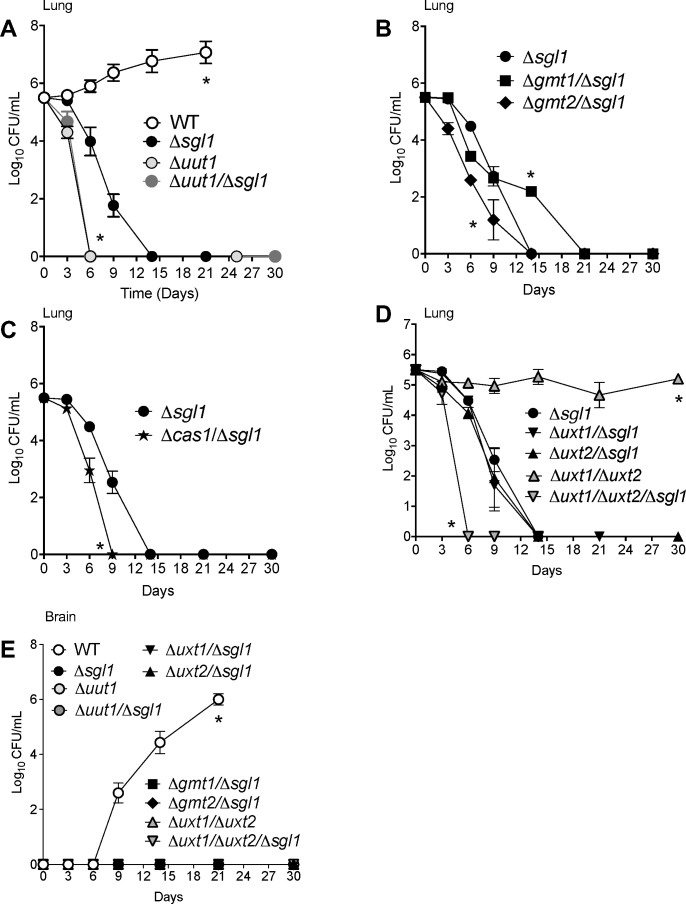 Figure 5
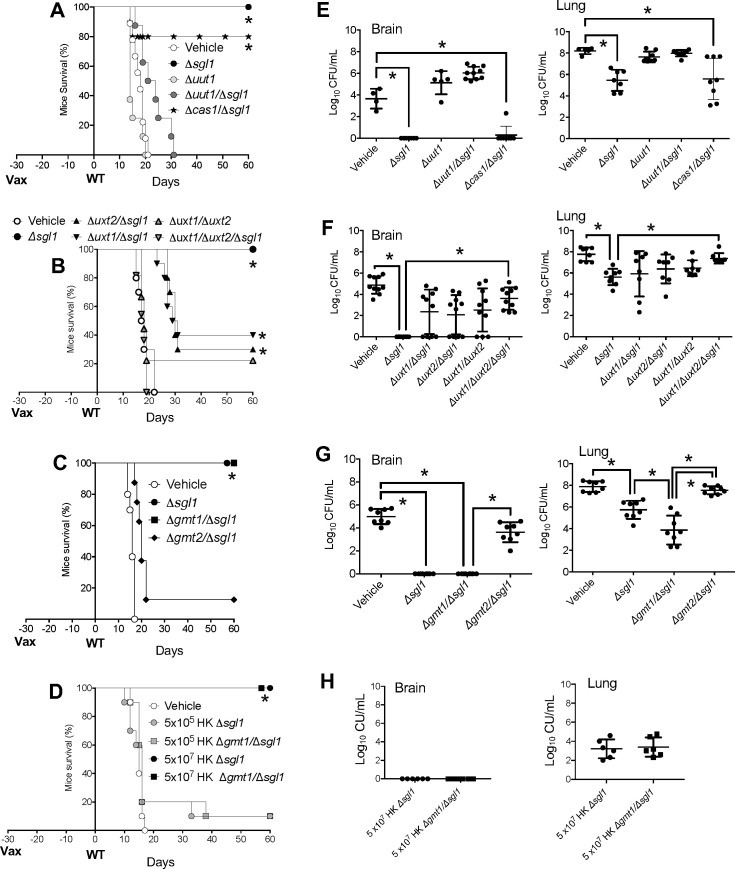 Figure 6
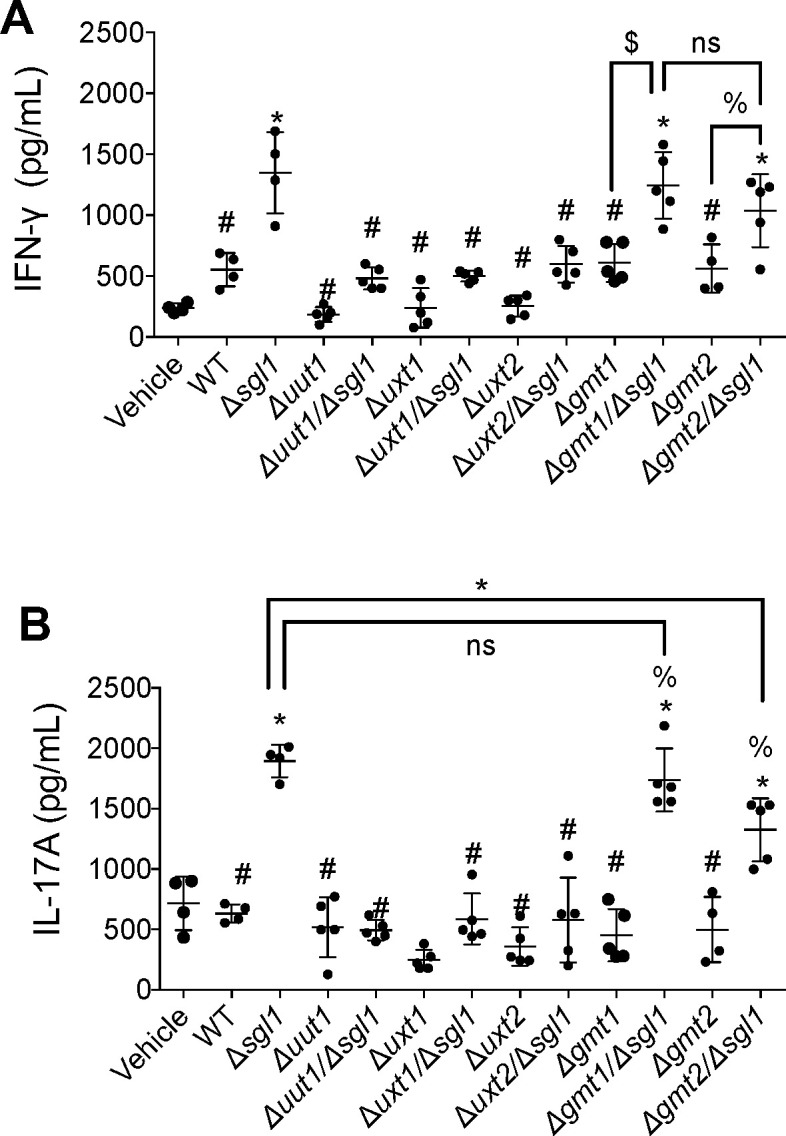 Figure 7
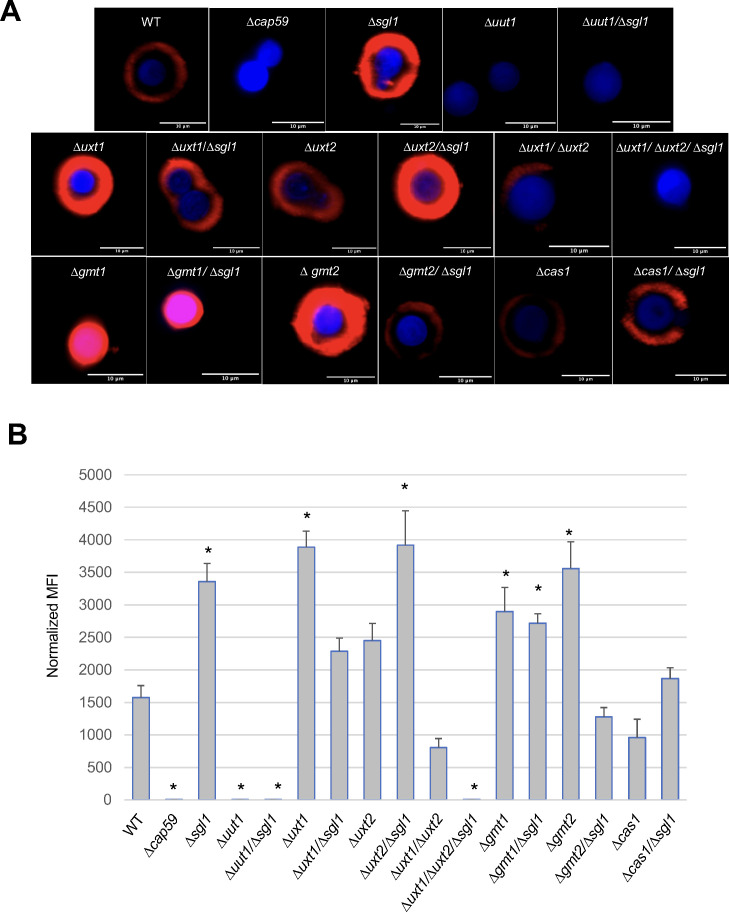 Figure 8
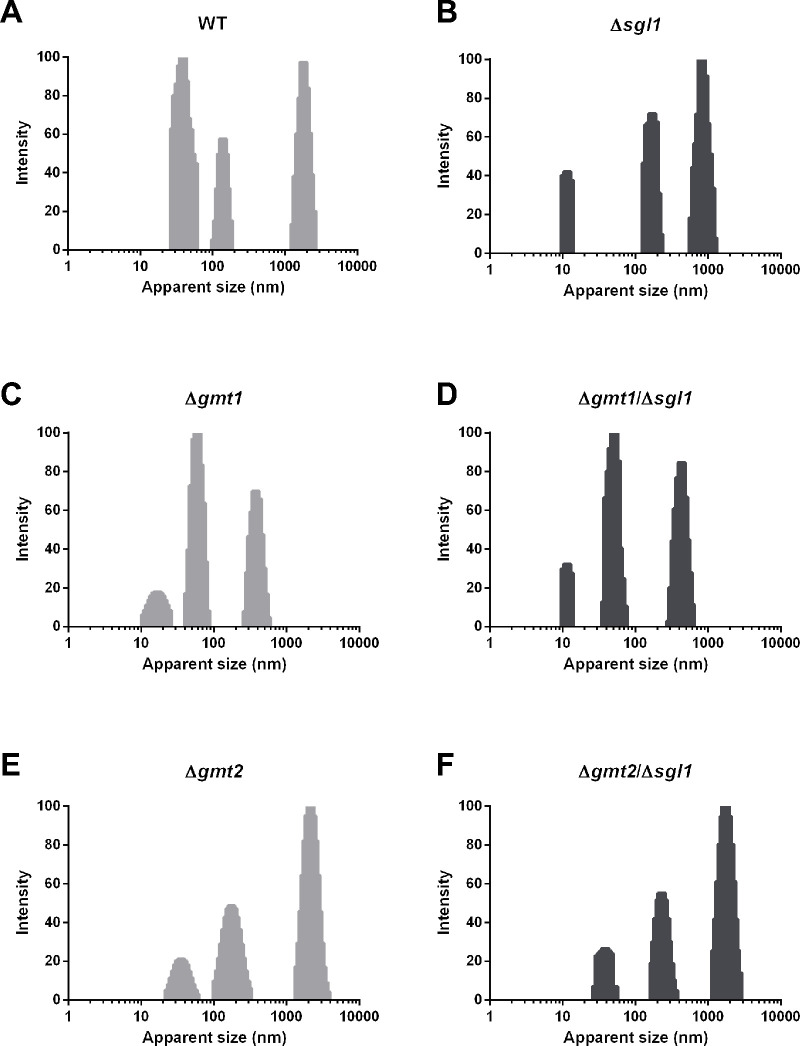 Figure 9
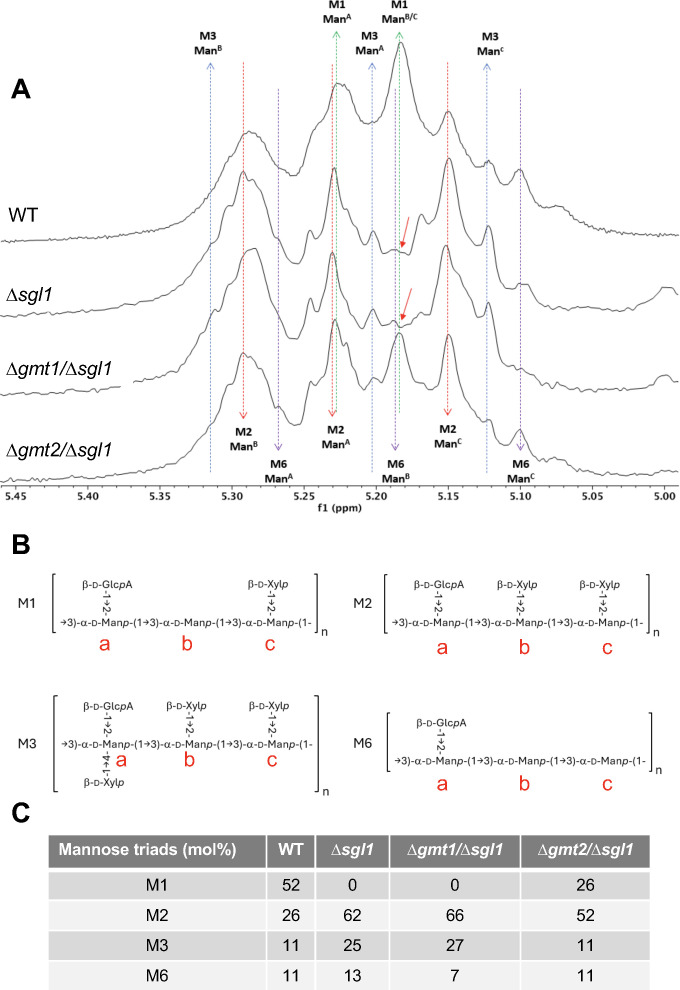 Figure 10
Peer Reviews
No public reviews on file for this paper yet. If you reviewed it on a platform where reviews are public (OpenReview, ICLR, NeurIPS, ICML), you can paste yours below so the community can read it here.
Videos
No videos yet. Explain this paper in a talk, walkthrough, or lecture? Add one.
Taxonomy
TopicsFungal Infections and Studies · Antifungal resistance and susceptibility · Infectious Diseases and Mycology