An RNA ligase partner for the prokaryotic protein-only RNase P: insights into the functional diversity of RNase P from genome mining
Rekha Seshadri, Venkat Gopalan

TL;DR
This study explores the connection between a specific RNA ligase and the protein-based version of RNase P in prokaryotes, offering insights into their evolutionary roles.
Contribution
The study reveals a significant overrepresentation of an RNA ligase in genomes with protein-based RNase P, suggesting a functional link.
Findings
An RNA ligase with circularization activity is overrepresented in genomes containing the protein form of RNase P.
This linkage suggests possible evolutionary advantages for different RNase P variants under specific conditions.
Abstract
RNase P can use either an RNA- or a protein-based active site to catalyze 5′-maturation of transfer RNAs (tRNAs). This distinctive attribute in the biocatalytic repertoire raises questions about the underlying evolutionary driving forces, especially if each variant somehow affords a selective advantage under certain conditions. Upon mining all publicly available prokaryotic genomes and examining gene co-occurrence, we discovered that an RNA ligase with circularization activity was significantly overrepresented in genomes that contain the protein form of RNase P. This unexpected linkage inspires testable ideas to understand the bases for scenarios that might favor RNase P variants of different architectures/make-up.
Genes, proteins, chemicals, diseases, species, mutations and cell lines named across the full text — each resolved to its canonical identifier and authoritative record.
Click any figure to enlarge with its caption.
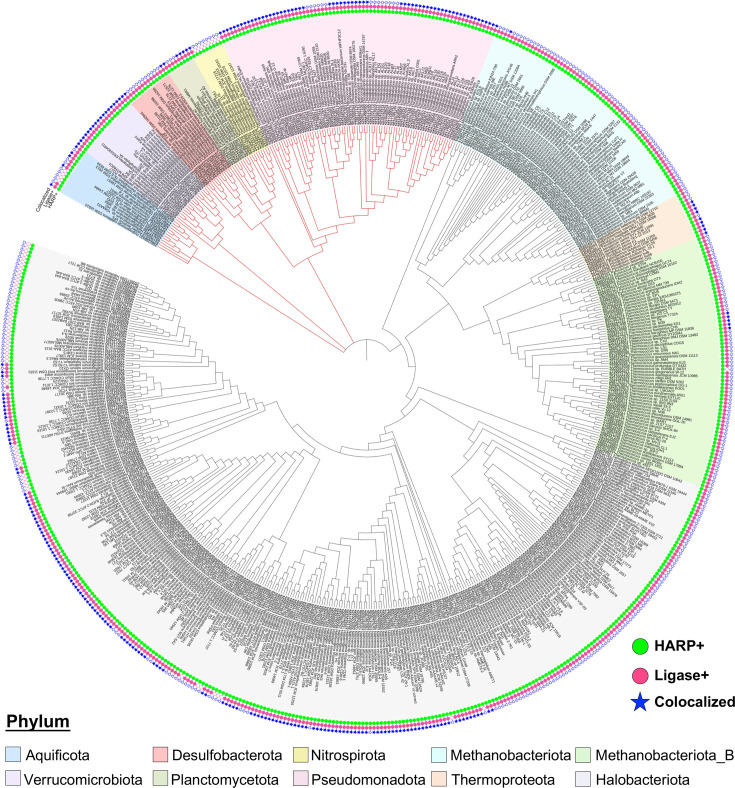 Figure 1
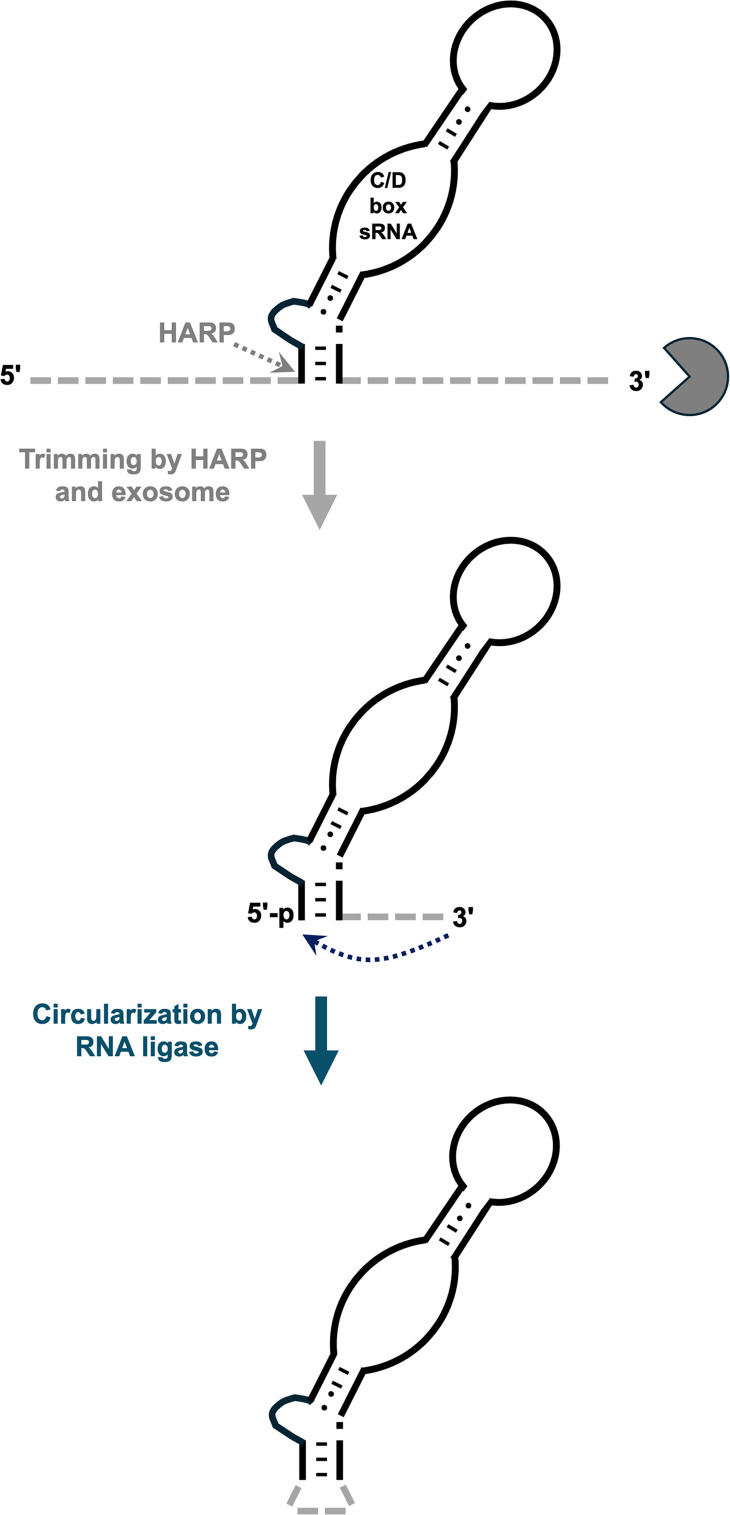 Figure 2
Peer Reviews
No public reviews on file for this paper yet. If you reviewed it on a platform where reviews are public (OpenReview, ICLR, NeurIPS, ICML), you can paste yours below so the community can read it here.
Videos
No videos yet. Explain this paper in a talk, walkthrough, or lecture? Add one.
Taxonomy
TopicsRNA and protein synthesis mechanisms · RNA modifications and cancer · Genomics and Phylogenetic Studies