Rescuing vascular dysfunction in dorsal pancreatic arteries prevents tacrolimus-induced glucose metabolism disorder in mice
Lingyan Fei, Honghong Wang, Dongliang Zhao, Xiaohua Wang, Jizhen Ren, Lanyun Liu, Chun Tang, Yan Lei, Qingqing Wang, Yuanpeng Nie, Yang Liu, Na Li, Ming Zhong, Nan Xu, Jin Wei, Pontus B. Persson, Andraes Patzak, Pratik H. Khedkar, Zhihua Zheng, Shan Jiang

TL;DR
Blocking the renin-angiotensin system with valsartan prevents tacrolimus-induced glucose metabolism issues in mice by improving pancreatic and renal vascular function.
Contribution
This study reveals a novel mechanism linking tacrolimus-induced vascular dysfunction to glucose metabolism disorder, and shows that RAS inhibition can prevent these effects.
Findings
Valsartan improves tacrolimus-induced hyperglycemia, hypoinsulinemia, and insulin resistance in mice.
Tacrolimus causes pancreatic islet dysfunction and β-cell loss, which are mitigated by valsartan.
Renal and pancreatic vascular dysfunction caused by tacrolimus is alleviated by RAS inhibition.
Abstract
Long-term adverse effects of the immunosuppressant tacrolimus (Tac), such as nephrotoxicity, hepatotoxicity and diabetes, have been widely reported. Up to 33.6% of solid organ transplantation patients receiving Tac treatment develop hyperglycemia; however, the underlying mechanisms remain poorly understood. Here, using a mouse model of Tac-induced hyperglycemia, we found that Tac-induced body-weight loss, hyperglycemia, hypoinsulinemia, glucose intolerance and insulin resistance were improved by valsartan, a renin-angiotensin system (RAS) inhibitor. Histological and immunofluorescence analysis of the pancreas showed reduced islet areas and β-cell mass in Tac-treated mice. Moreover, when compared to control mice, isolated islets from Tac-treated mice showed a downregulation of cell-proliferation markers (Ki67, Ccna2 and Ccnd1) while an upregulation of apoptotic markers (DNA…
Genes, proteins, chemicals, diseases, species, mutations and cell lines named across the full text — each resolved to its canonical identifier and authoritative record.
Click any figure to enlarge with its caption.
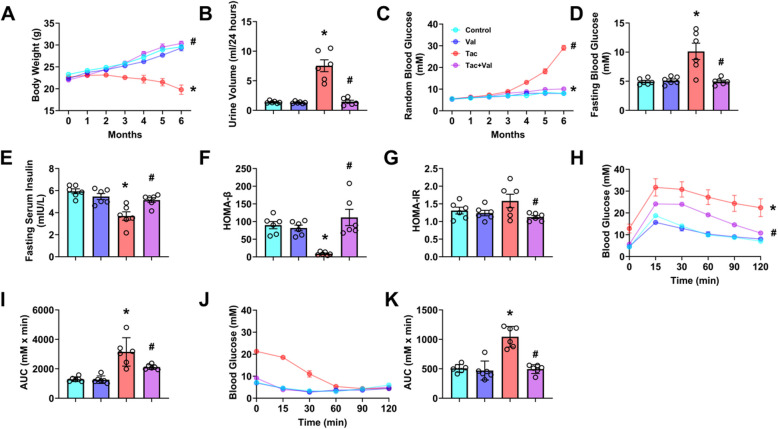 Figure 1
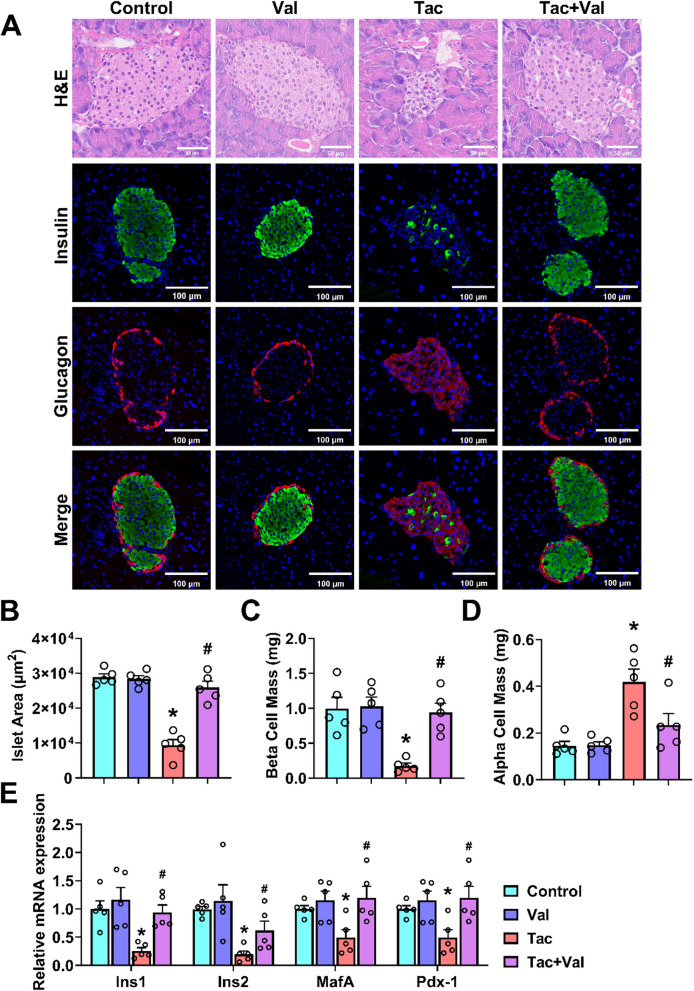 Figure 2
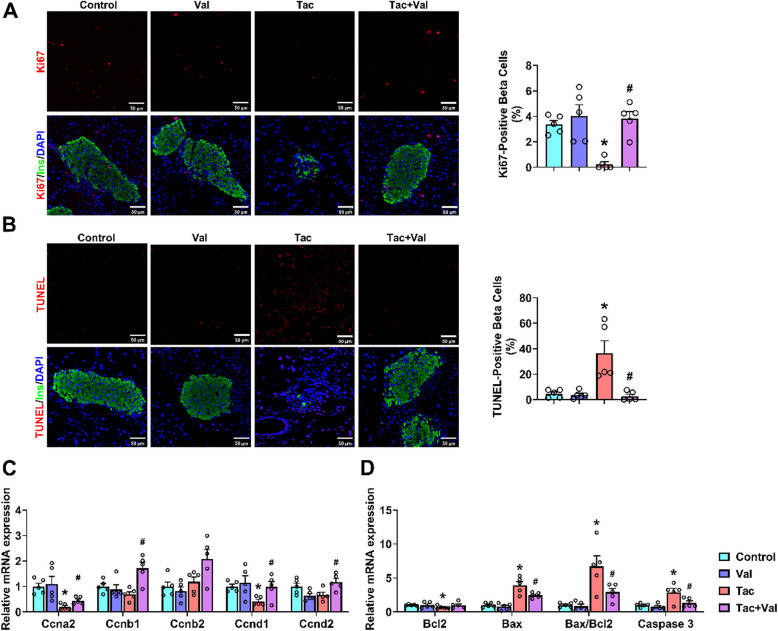 Figure 3
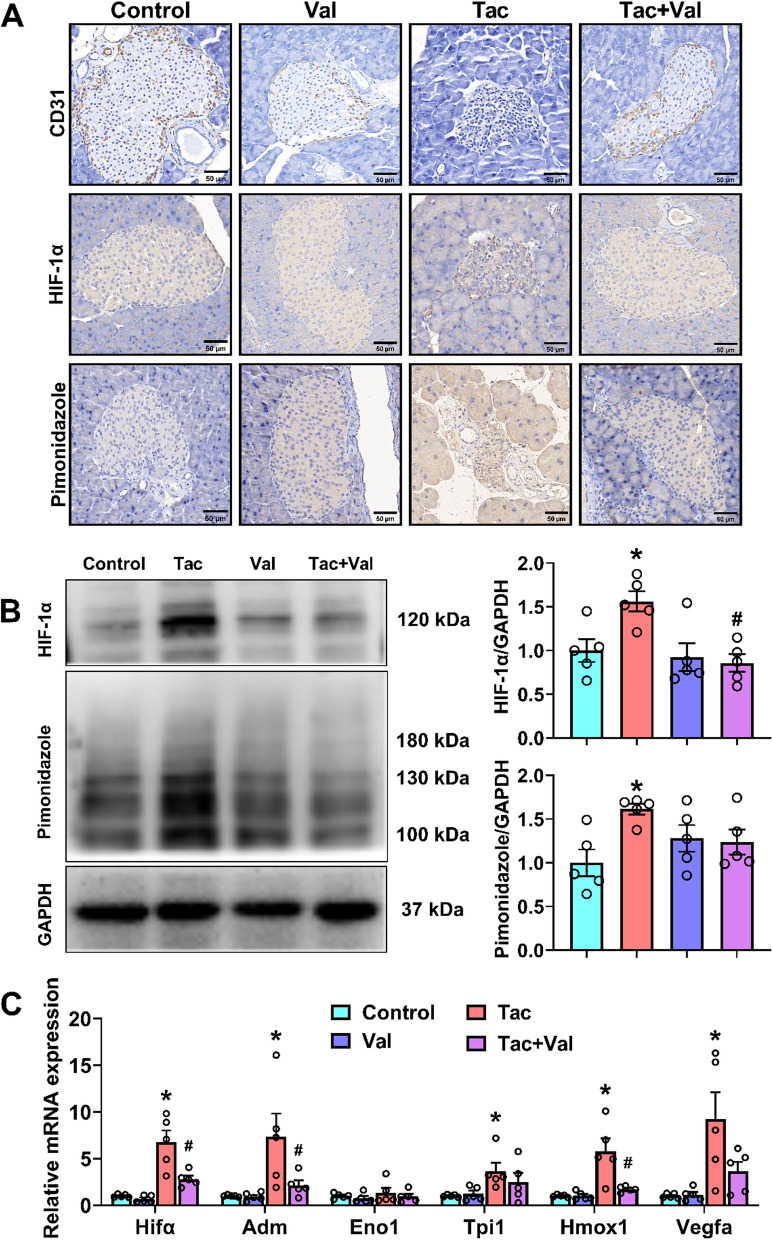 Figure 4
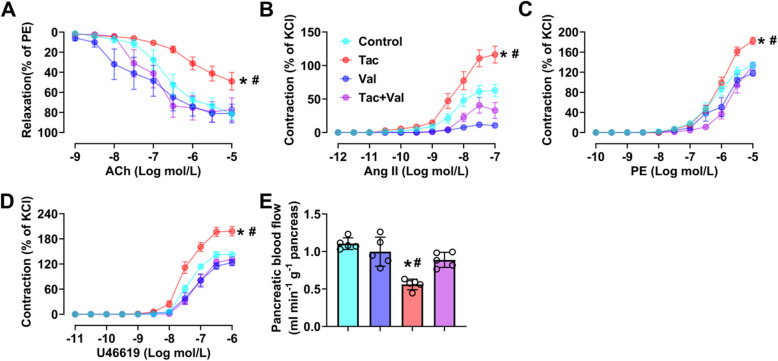 Figure 5
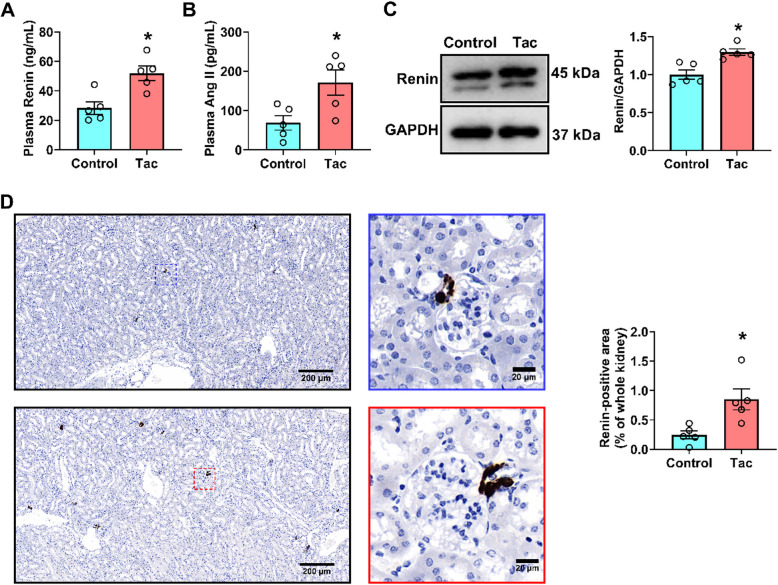 Figure 6
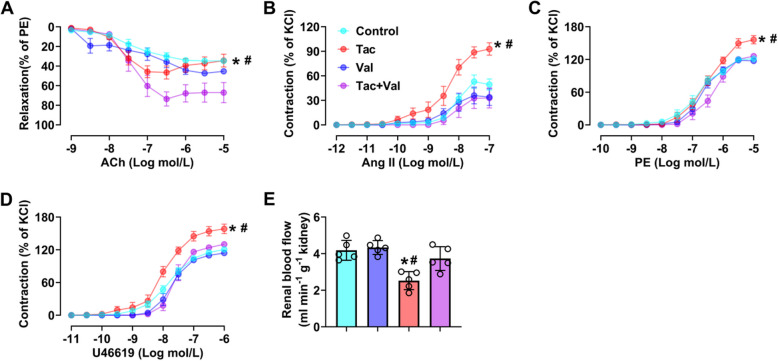 Figure 7
Peer Reviews
No public reviews on file for this paper yet. If you reviewed it on a platform where reviews are public (OpenReview, ICLR, NeurIPS, ICML), you can paste yours below so the community can read it here.
Videos
No videos yet. Explain this paper in a talk, walkthrough, or lecture? Add one.
Taxonomy
TopicsRenal Transplantation Outcomes and Treatments · Organ Transplantation Techniques and Outcomes · Cardiac Ischemia and Reperfusion