Glycogen depletion in astrocytes induces sex-dimorphic remodeling of astrocytic and synaptic structures with concomitant anxiety-like behaviors and maternal care deficits
Xiaotong Shi, Yuanyuan Zhu, Zhaoyichun Zhang, Ningcan Ma, Danyi He, You Wu, Ziyi Dai, Xinyan Qin, Yingyi Chen, Youyi Zhao, Haopeng Zhang, Jing Huang, Hui Zhang, Ze Fan

TL;DR
Glycogen depletion in astrocytes causes female-specific changes in brain structure and behavior, including anxiety and poor maternal care.
Contribution
This study reveals a sex-specific role of astrocytic glycogen in structural brain plasticity and maternal behavior.
Findings
Female Pygb-KI mice showed reduced astrocyte area, branching, and dendritic spine loss.
Glycogen depletion in astrocytes correlates with anxiety-like behaviors and maternal care deficits in females.
Offspring of Pygb-KI dams had reduced survival rates and social communication deficits.
Abstract
Maternal care is an instinctive social behavior indispensable for survival and gene transmission. Postpartum maternal behavior is profoundly affected by mother’s emotional state via incompletely elucidated complex mechanisms including metabolic regulation. Brain glycogen, primarily located in astrocytes, is a potent modulator for brain plasticity and provides neuroprotection against bioenergetic insults. The regulation of brain glycogen is of relevance to hormonal control that might be linked to sex-dimorphic responses in mental health. The present study aims to investigate the involvement of glycogen in the sex differences of brain structural plasticity, and to characterize the impacts on affective and maternal behaviors in both sexes. Male and female brain-type glycogen phosphorylase knock-in (Pygb-KI) mice were generated to exhaust glycogen in astrocytes in both sexes. Metabolomics,…
Genes, proteins, chemicals, diseases, species, mutations and cell lines named across the full text — each resolved to its canonical identifier and authoritative record.
Click any figure to enlarge with its caption.
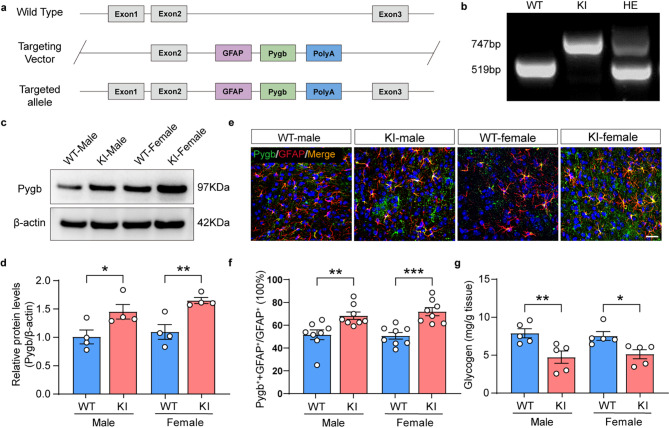 Figure 1
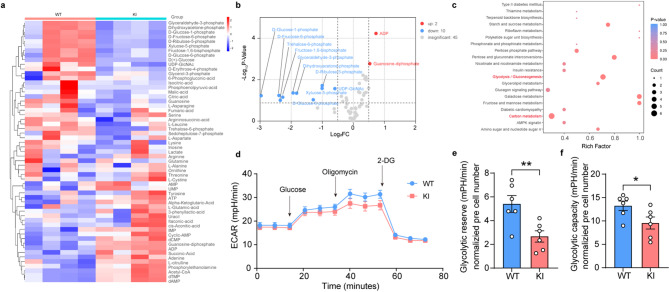 Figure 2
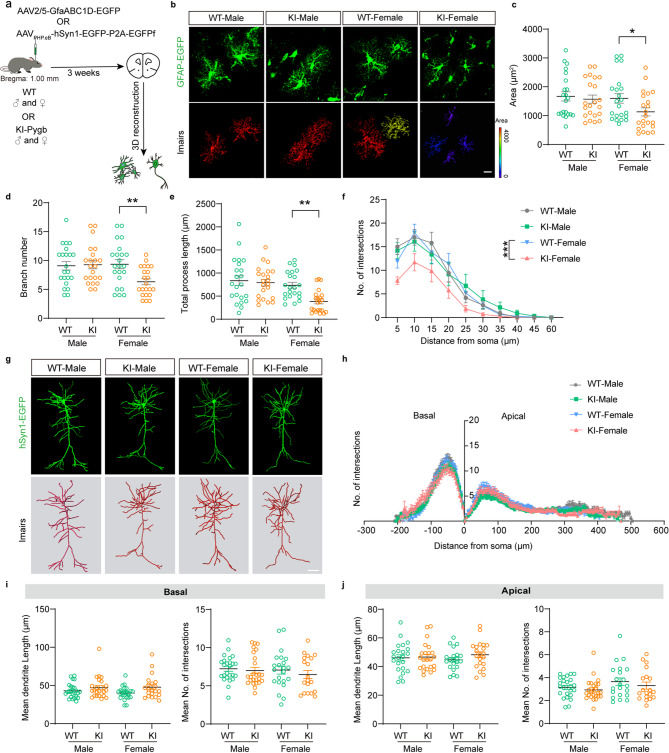 Figure 3
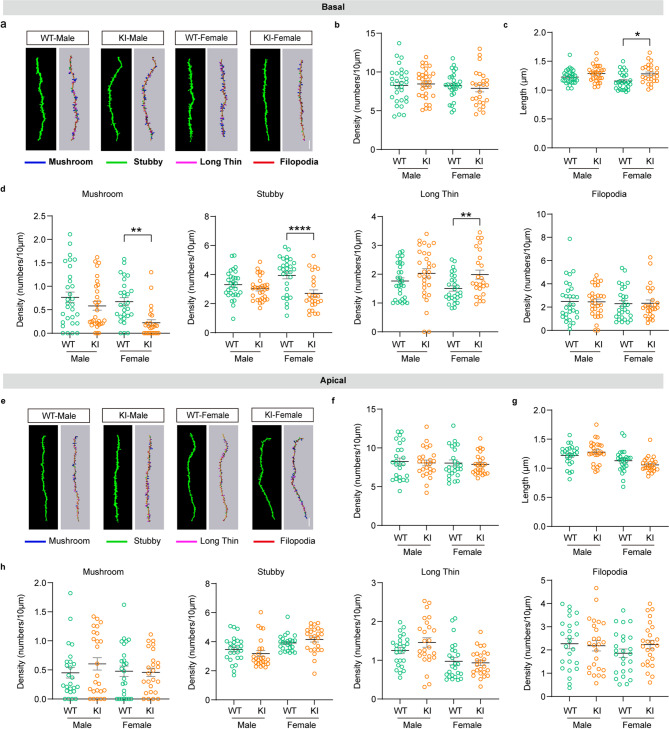 Figure 4
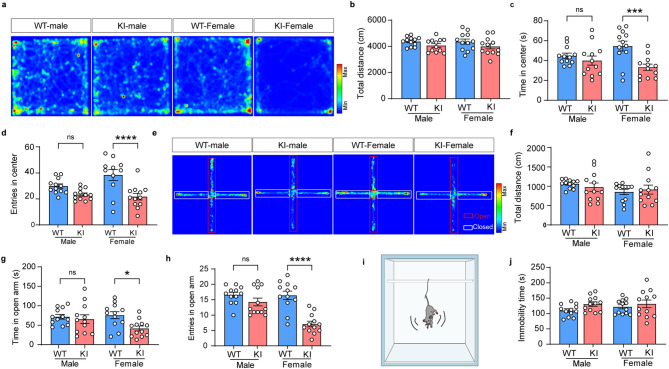 Figure 5
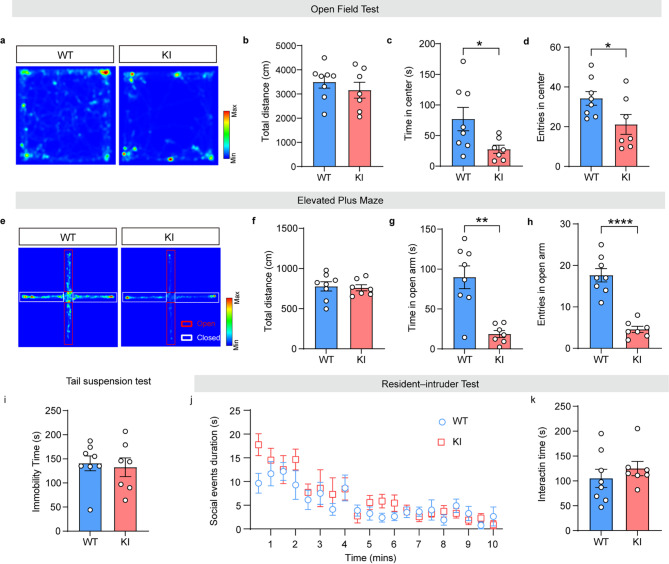 Figure 6
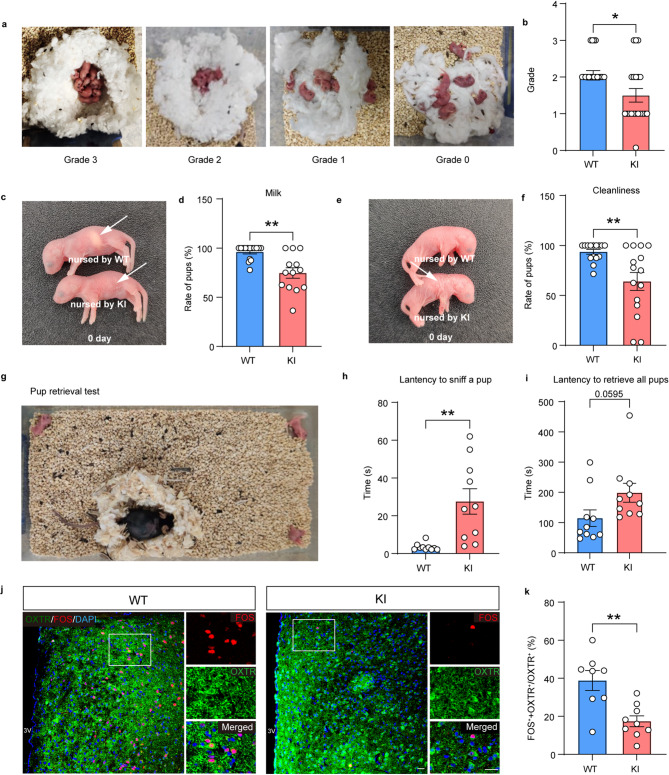 Figure 7
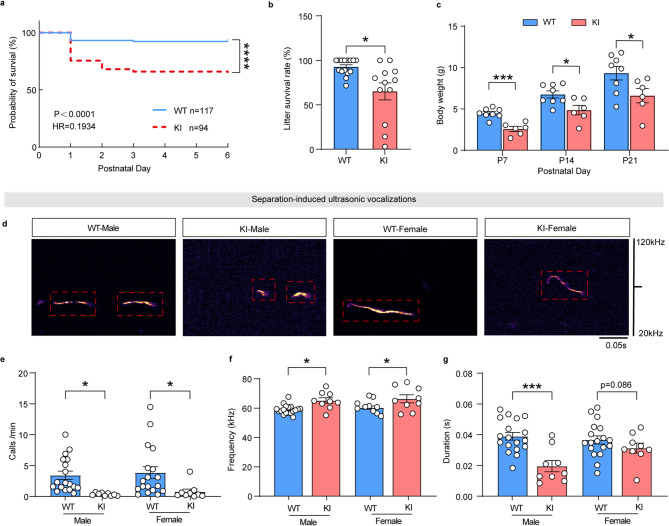 Figure 8
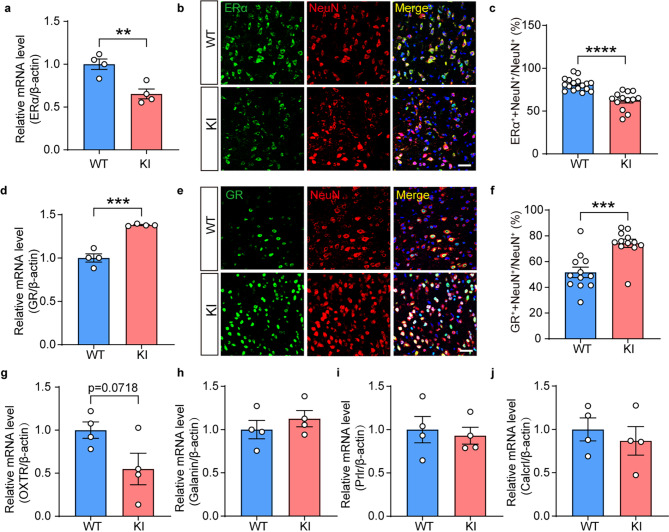 Figure 9
Peer Reviews
No public reviews on file for this paper yet. If you reviewed it on a platform where reviews are public (OpenReview, ICLR, NeurIPS, ICML), you can paste yours below so the community can read it here.
Videos
No videos yet. Explain this paper in a talk, walkthrough, or lecture? Add one.
Taxonomy
TopicsNeuroendocrine regulation and behavior · Stress Responses and Cortisol · Maternal Mental Health During Pregnancy and Postpartum