Lithium-ion conducting self-assembled organic nanowires: optimizing mechanical performance and ionic conductivity through programmable supramolecular interactions
Vishwakarma Ravikumar Ramlal, Sam Sankar Selvasundarasekar, Akanksha Singh, Jenil Ankola, Rabindranath Lo, Subrata Kundu, Amal Kumar Mandal

TL;DR
Researchers developed self-assembled nanowires that improve both the mechanical strength and ionic conductivity of solid-state lithium-ion conductors.
Contribution
A new supramolecular design that optimizes noncovalent interactions to enhance both mechanical and ionic properties of nanowires.
Findings
Precise hydrogen bonding significantly improves mechanical properties like Young's modulus and toughness.
The nanowires achieve high ionic conductivity and a high Li-ion transference number.
Molecular dynamics show Li-ions prefer hopping through axial pathways in the nanowires.
Abstract
The emergence of wearable devices has led to a greater need for battery materials that are safe, resilient, and exhibit high levels of ionic conductivity. Here, we present a supramolecular design as a useful tactic through fine tuning of the noncovalent interactions to overcome the standard trade-off in solid state Li-ion conductors between ionic conductivity and mechanical resilience. We report solution processable self-assembled organic nanowires (SONs) with varying supramolecular interactions through structural mutation to boost Li-ion conductivity and mechanical integrity. The findings indicate that precise H-bonding plays a crucial role in achieving a maximum Young's modulus (1050.5 ± 38 MPa) and toughness (15 666 ± 423 kJ m−3), surpassing the impact of the number of H-bonding sites. The highly structured H-bonded morphology facilitated the creation of binding pockets, enhancing…
Genes, proteins, chemicals, diseases, species, mutations and cell lines named across the full text — each resolved to its canonical identifier and authoritative record.
Click any figure to enlarge with its caption.
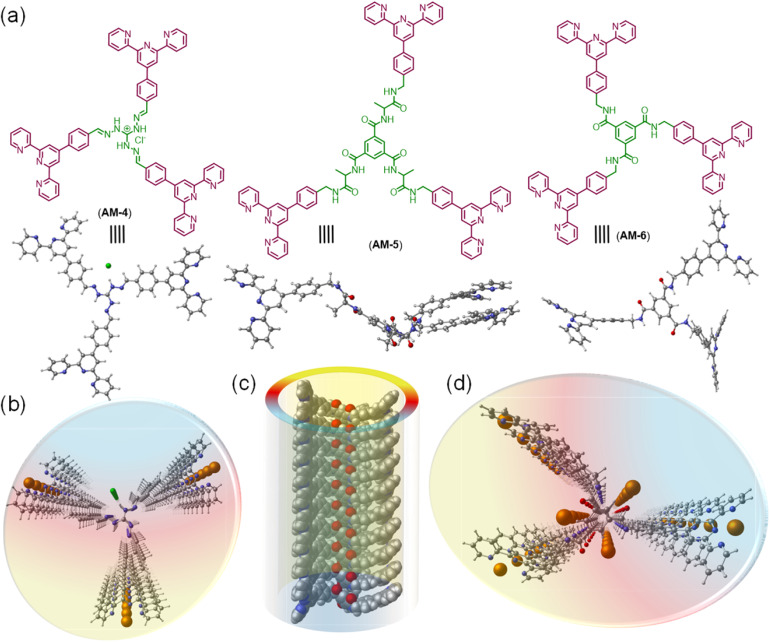 Figure 1
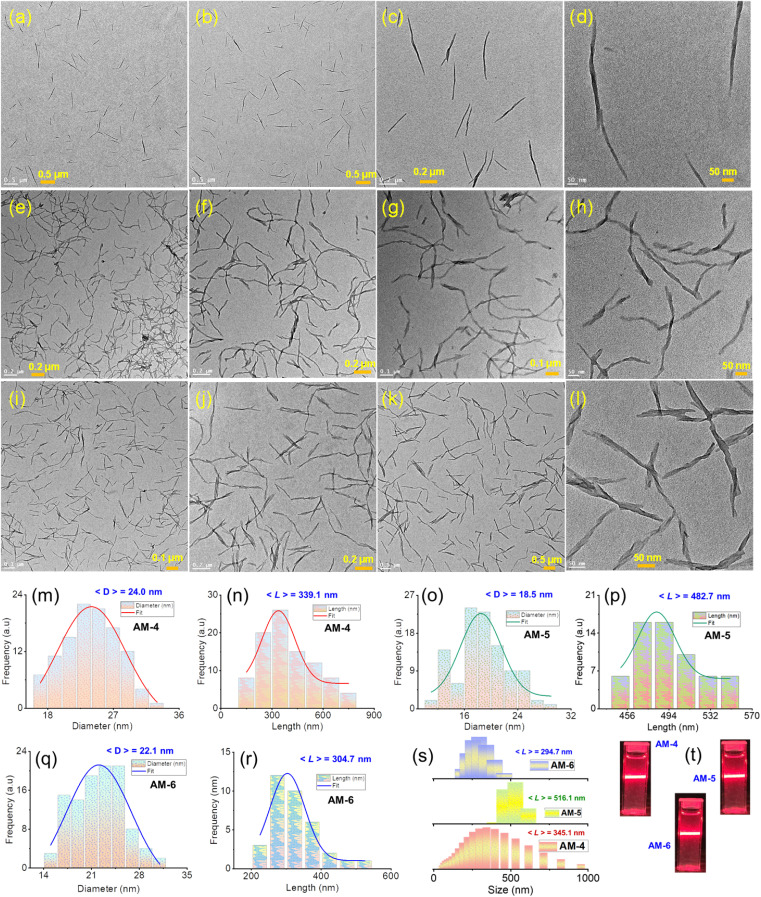 Figure 2
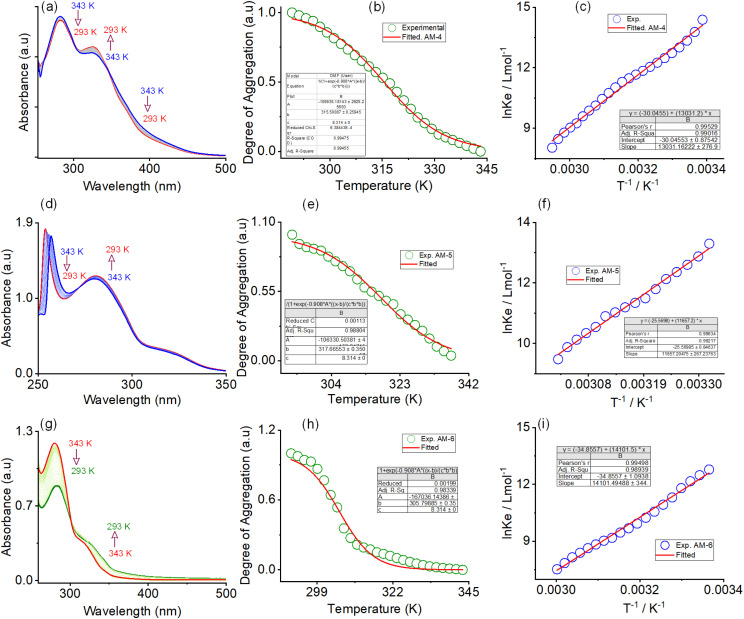 Figure 3
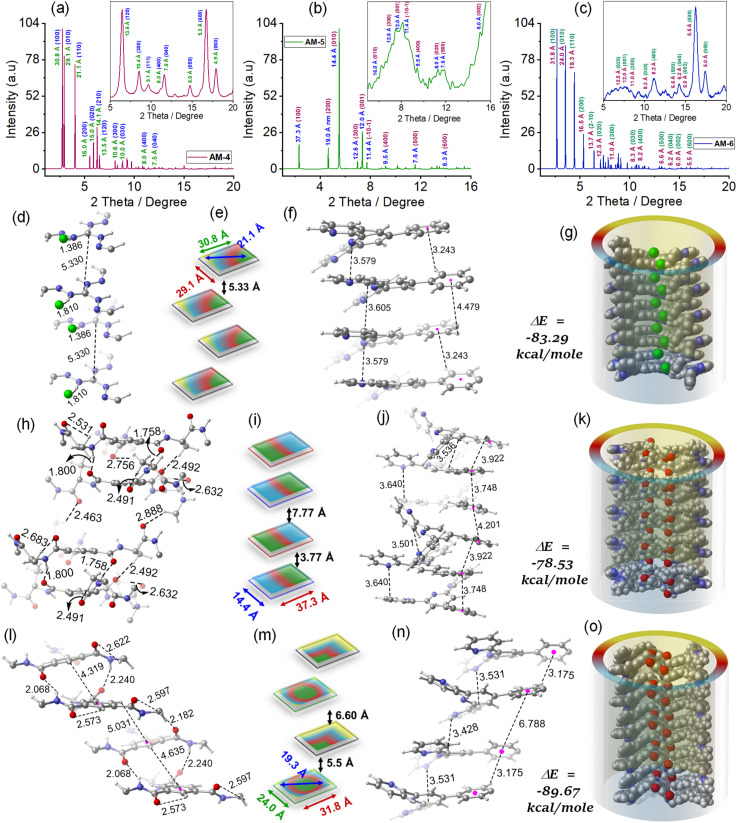 Figure 4
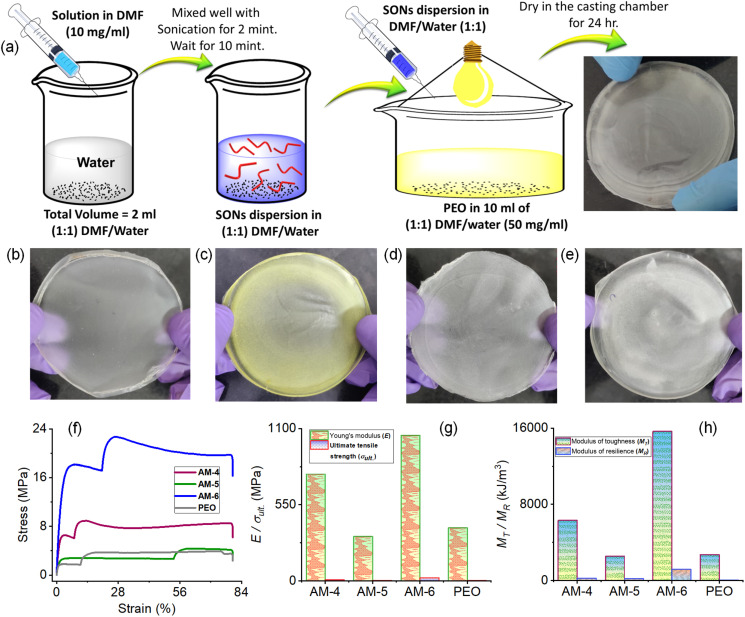 Figure 5
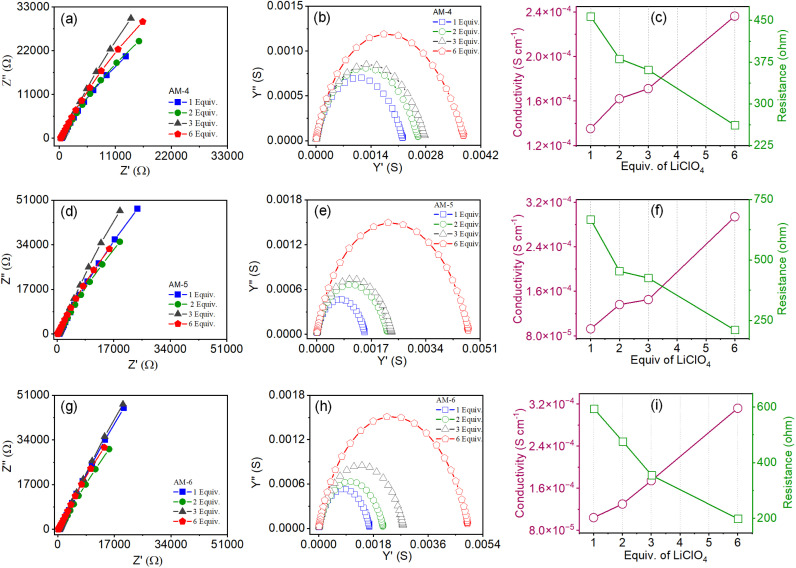 Figure 6
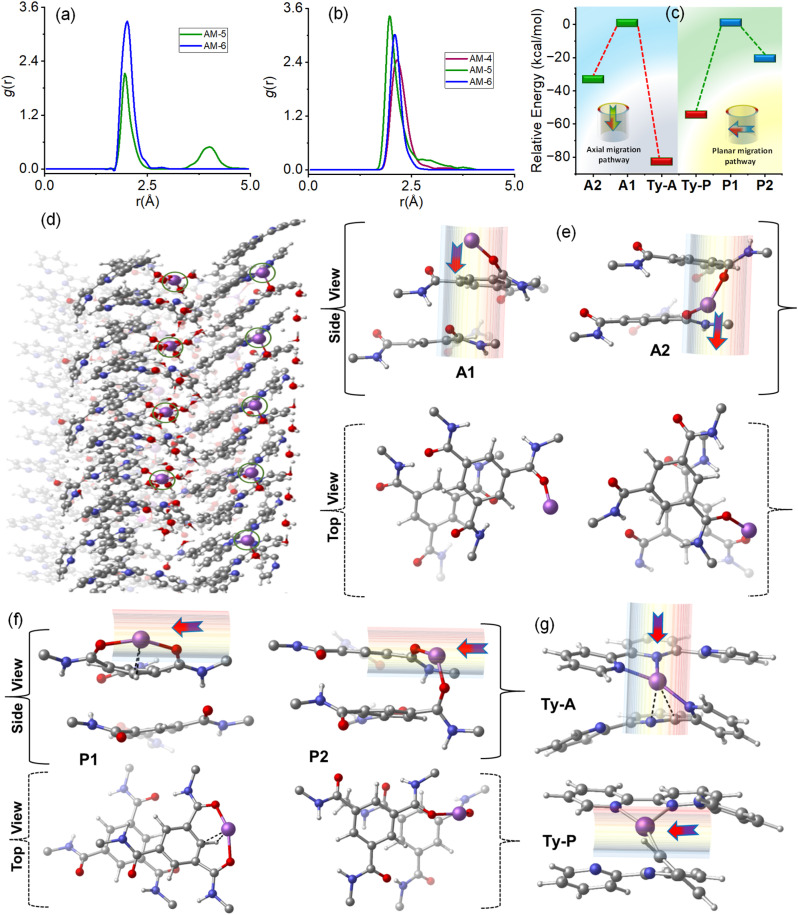 Figure 7
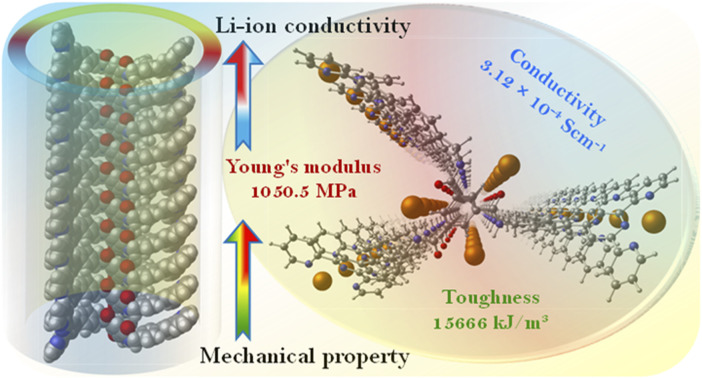 Figure 8
Peer Reviews
No public reviews on file for this paper yet. If you reviewed it on a platform where reviews are public (OpenReview, ICLR, NeurIPS, ICML), you can paste yours below so the community can read it here.
Videos
No videos yet. Explain this paper in a talk, walkthrough, or lecture? Add one.
Taxonomy
TopicsAdvanced Battery Materials and Technologies · Advancements in Battery Materials · Advanced Battery Technologies Research