Bile acids inhibit equilibrative adenosine transport to alter adenosine receptor signaling in cholestasis
Arnav Joshi, Sijie Chen, Fazlur Md Rahman, Sreenath Nair, Xiaolin Cheng, Rajgopal Govindarajan

TL;DR
High bile acid levels in cholestasis disrupt adenosine transport, altering adenosine receptor signaling through specific interactions with ENT transporters.
Contribution
The study identifies ENT2 and ENT3 as key transporters mediating bile acid-adenosine interactions, revealing a novel mechanism for adenosine receptor signaling disruption in cholestasis.
Findings
Bile acids selectively inhibit adenosine transport via ENT2 and ENT3, with minimal impact on other nucleosides.
In vivo experiments show reduced adenosine accumulation in cholestatic mice livers due to transport interference.
Computational models suggest overlapping binding sites for bile acids and adenosine within ENT translocation pores.
Abstract
High plasma bile acid (BA) levels in individuals with cholestasis affect adenosine (Ado) receptor (AdoR) signaling, but the underlying mechanisms are unclear. Here, we investigated BA interference with cellular Ado transport as a putative mechanism for altering extracellular Ado availability for AdoR signaling. Computational modeling and experimental studies revealed that equilibrative nucleoside transporter 2 (ENT2), but not ENT1, is capable of translocating BAs across the mammalian plasma membrane. ENT2-mediated BA transport has low affinity, is pH independent, and is partially sensitive to inhibition by nitrobenzylthioinosine (NBMPR). At cholestatic plasma concentrations of BAs, however, BAs interfere with Na+-independent, NBMPR-sensitive, ENTs without affecting Na+-driven, NBMPR-insensitive, concentrative nucleoside transporters. Interestingly, this BA interference with ENT…
Genes, proteins, chemicals, diseases, species, mutations and cell lines named across the full text — each resolved to its canonical identifier and authoritative record.
Click any figure to enlarge with its caption.
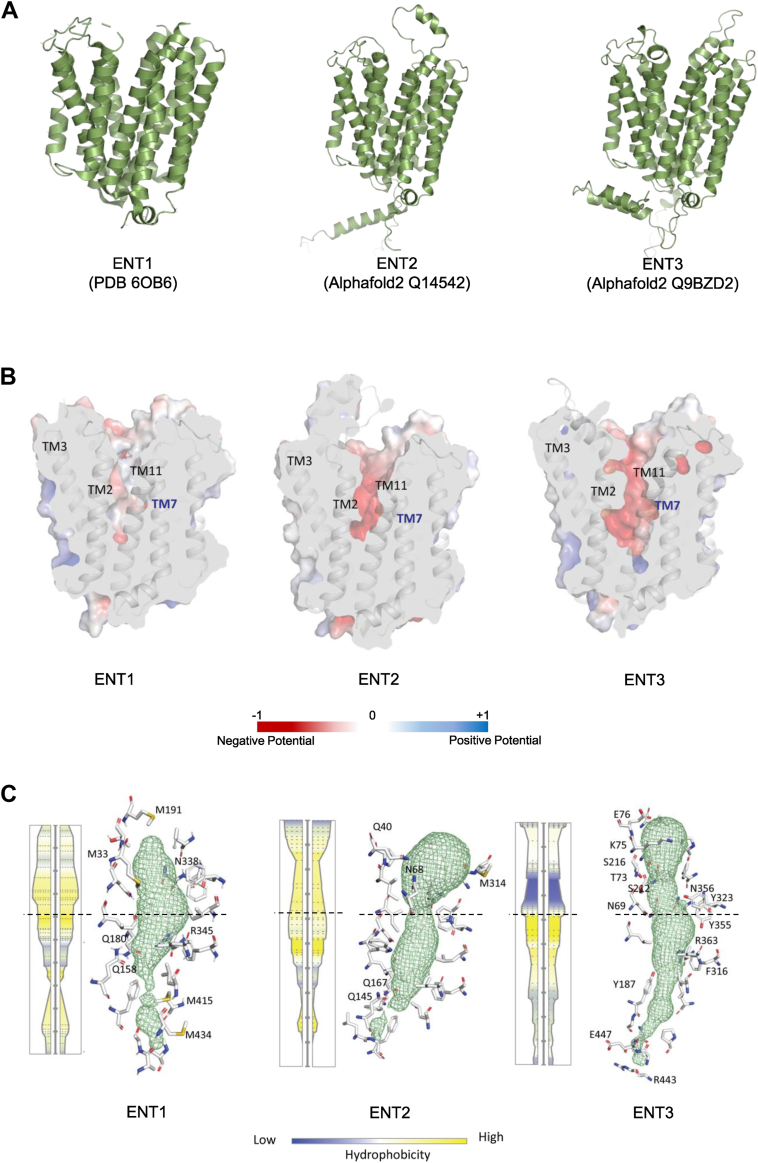 Figure 1
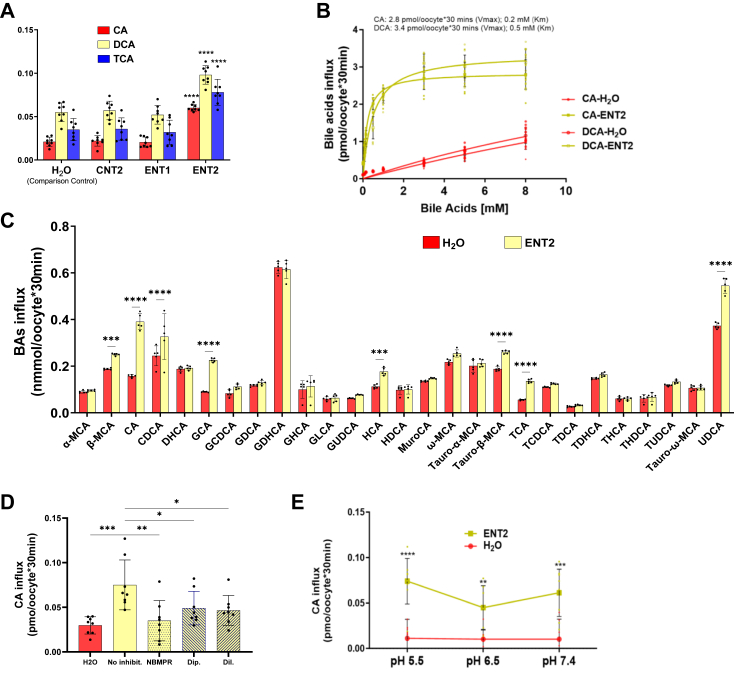 Figure 2
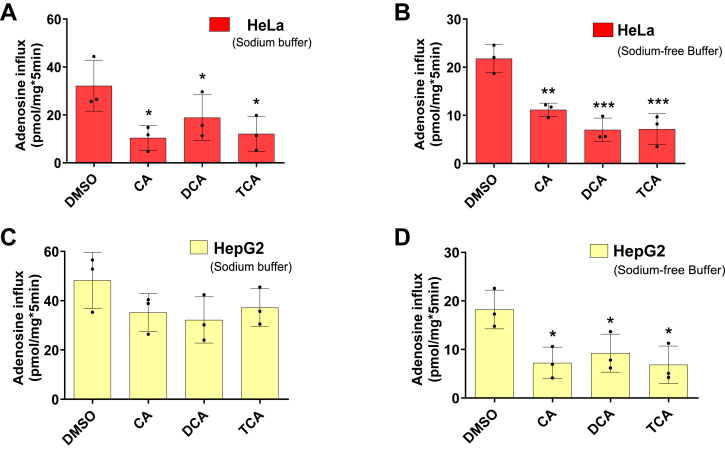 Figure 3
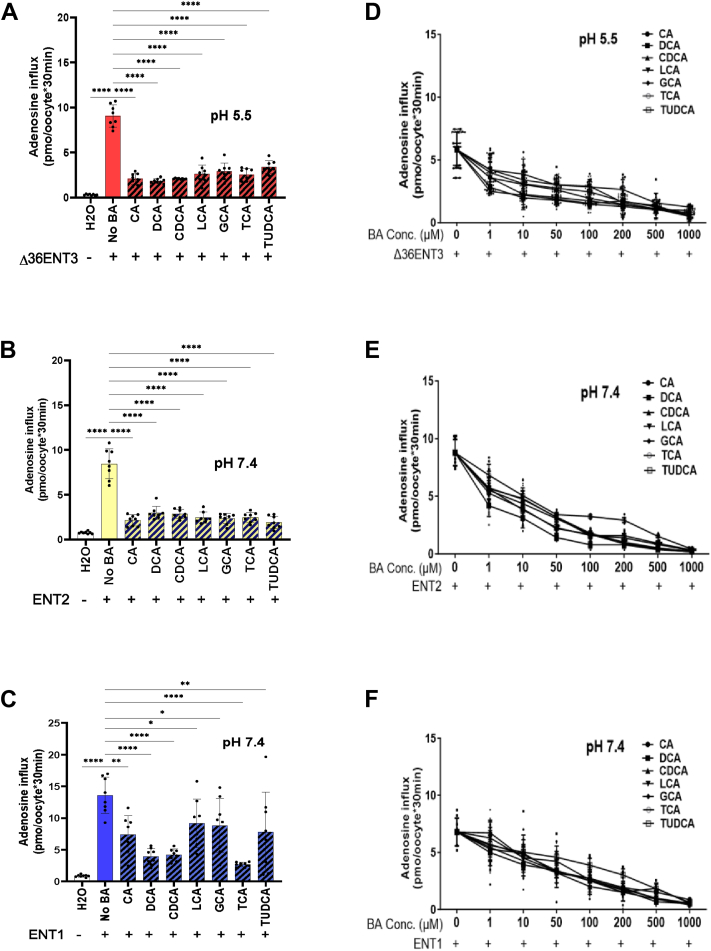 Figure 4
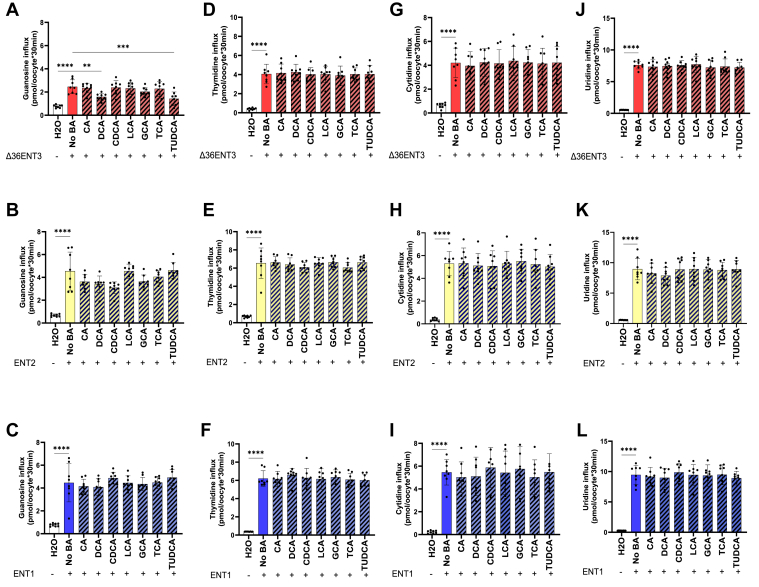 Figure 5
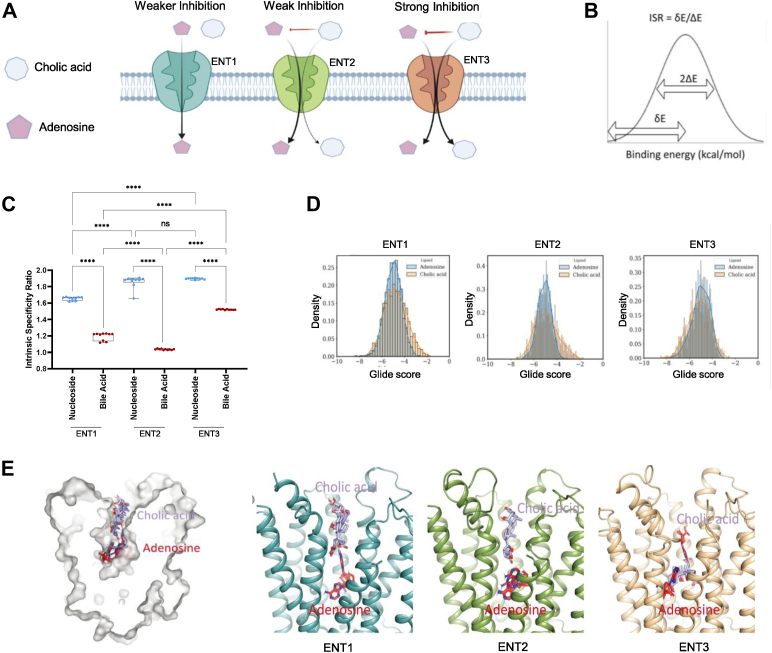 Figure 6
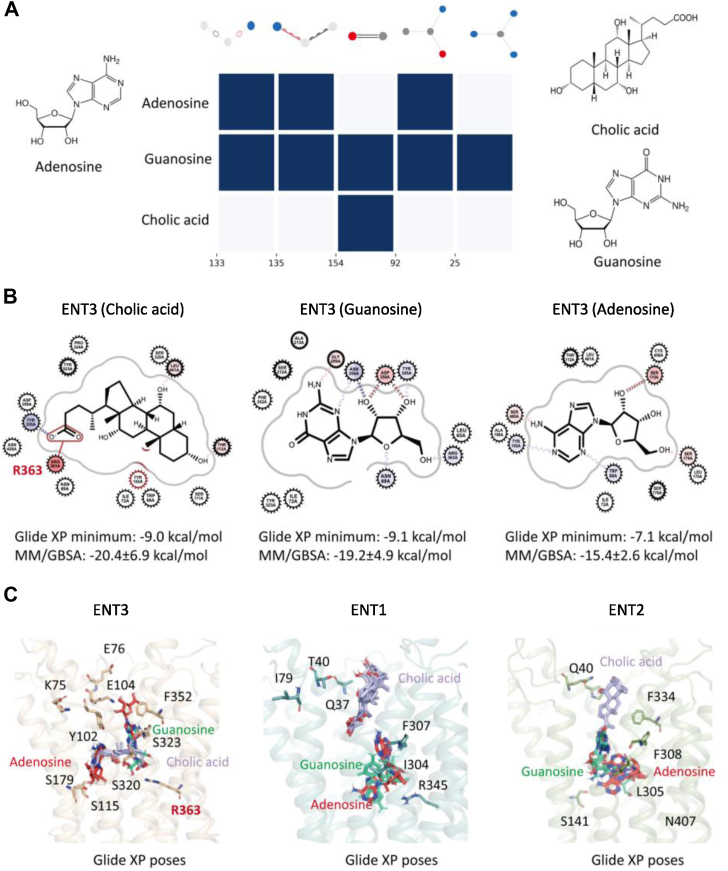 Figure 7
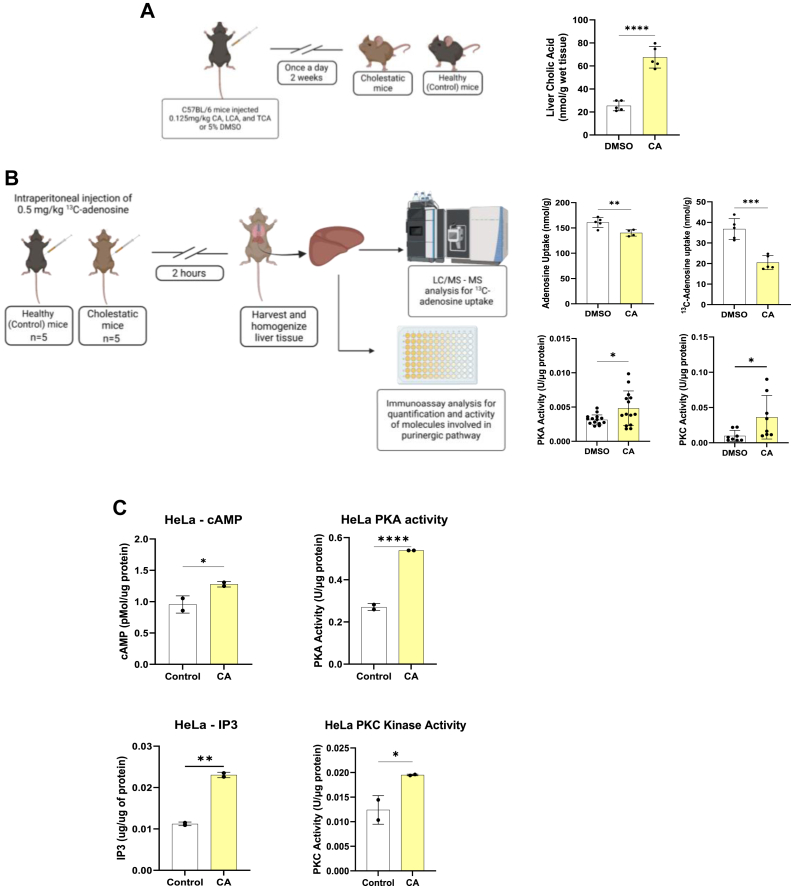 Figure 8
Peer Reviews
No public reviews on file for this paper yet. If you reviewed it on a platform where reviews are public (OpenReview, ICLR, NeurIPS, ICML), you can paste yours below so the community can read it here.
Videos
No videos yet. Explain this paper in a talk, walkthrough, or lecture? Add one.
Taxonomy
TopicsDrug Transport and Resistance Mechanisms · Adenosine and Purinergic Signaling · HIV/AIDS drug development and treatment