Ultra-long-term subcutaneous EEG recordings in ten epilepsy patients: Experiences and circadian rhythms in epileptiform discharges
S.J. van Norden, K.H. Kho, A.M. Meppelink, J.J. Ardesch, M.C. Tjepkema-Cloostermans, M.J.A.M. van Putten

TL;DR
A subcutaneous EEG device was tested for long-term epilepsy monitoring, showing good tolerance but low compliance, and revealing circadian patterns in some patients.
Contribution
Demonstrates the feasibility and patient tolerance of ultra-long-term subcutaneous EEG recordings for epilepsy monitoring.
Findings
Electrode implantation, explantation, and continuous wear were well tolerated by patients.
A circadian rhythm in epileptiform discharge rate was observed in three out of ten patients.
Discrepancies were found between reported seizures and annotated ictal patterns in EEG recordings.
Abstract
•EEG electrode implantation, explantation, and continuous wear were well tolerated.•On average, the electrode was worn for 441 days, with an overall compliance of 27 %.•A circadian rhythm in epileptiform discharge rate was observed in three patients.•Reported seizures and annotated ictal patterns revealed discrepancies. EEG electrode implantation, explantation, and continuous wear were well tolerated. On average, the electrode was worn for 441 days, with an overall compliance of 27 %. A circadian rhythm in epileptiform discharge rate was observed in three patients. Reported seizures and annotated ictal patterns revealed discrepancies. Recently, a subcutaneous electroencephalography (sqEEG) electrode became available, enabling ultra-long-term EEG recordings. In our PREDYct study, we aim to predict the efficacy of vagus nerve stimulation (VNS) in epilepsy patients. The study records…
Genes, proteins, chemicals, diseases, species, mutations and cell lines named across the full text — each resolved to its canonical identifier and authoritative record.
Click any figure to enlarge with its caption.
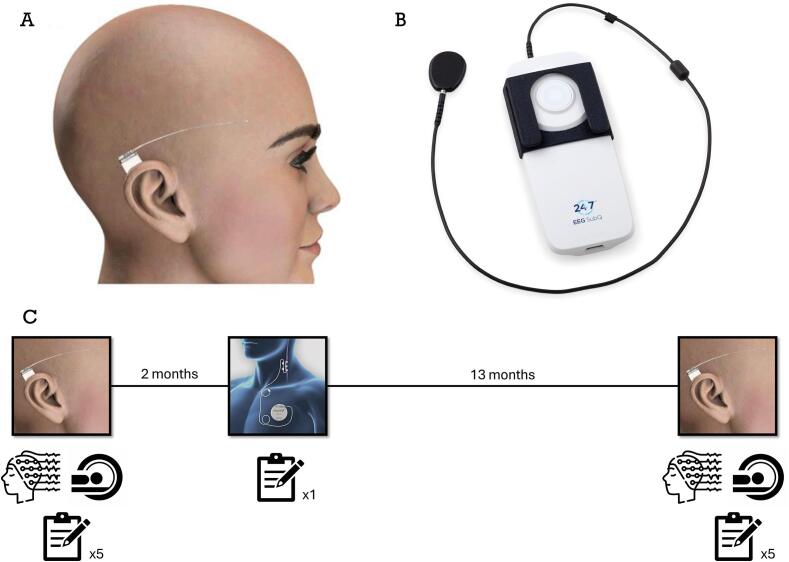 Figure 1
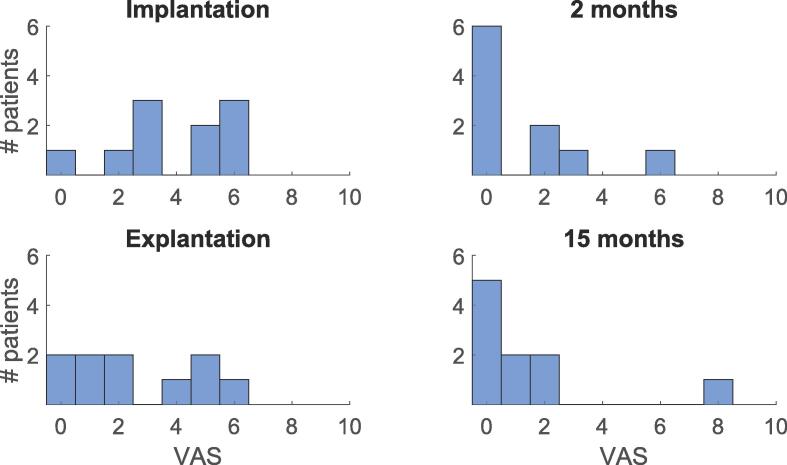 Figure 2
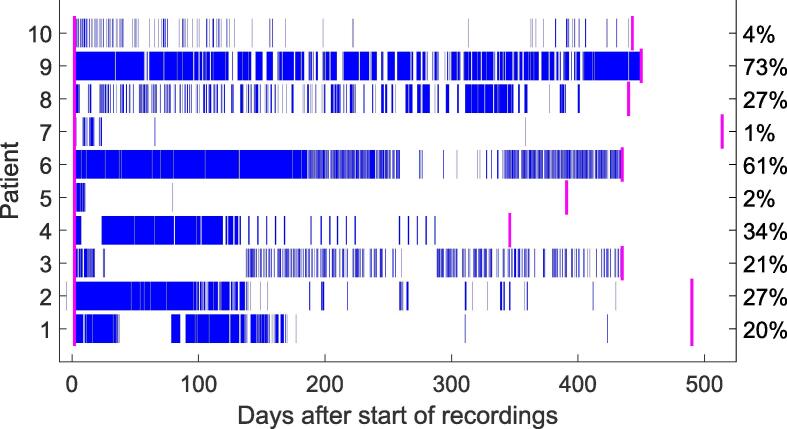 Figure 3
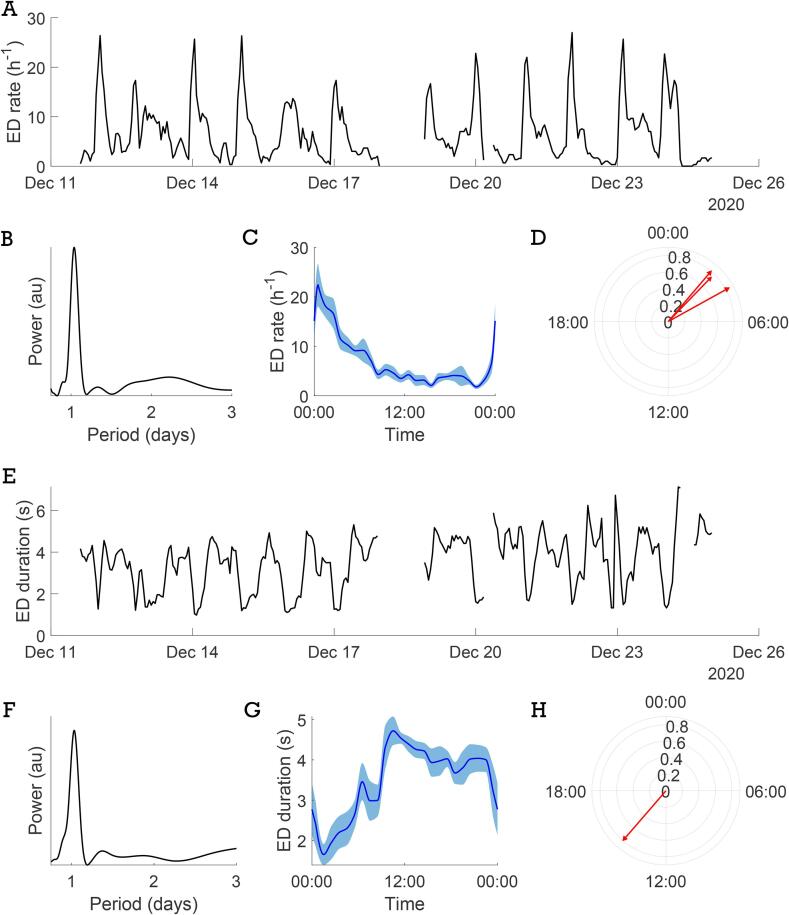 Figure 4
Peer Reviews
No public reviews on file for this paper yet. If you reviewed it on a platform where reviews are public (OpenReview, ICLR, NeurIPS, ICML), you can paste yours below so the community can read it here.
Videos
No videos yet. Explain this paper in a talk, walkthrough, or lecture? Add one.
Taxonomy
TopicsEpilepsy research and treatment · EEG and Brain-Computer Interfaces · Neuroscience and Neuropharmacology Research