RBC balanced immuno-inflammatory signatures identify advanced breast cancer patients on CDK4/6 inhibitors at increased risk of progression and death
Jiayi Ma, Yaohui Wang, Ziping Wu, Liheng Zhou, Yanping Lin, Shuguang Xu, Jie Zhang, Jingsong Lu, Wenjin Yin

TL;DR
This study shows that RBC-based immuno-inflammatory scores can better predict outcomes and side effects in breast cancer patients taking CDK4/6 inhibitors compared to traditional methods.
Contribution
The RBC-IMM score and phosphatidylcholine-based model offer novel predictive tools for CDK4/6 inhibitor treatment outcomes in advanced breast cancer.
Findings
RBC-IMM score accurately predicts progression-free survival and death in CDK4/6 inhibitor-treated patients.
RBC-IMM outperforms classical immuno-inflammatory scores in predicting clinical outcomes.
Phosphatidylcholine involvement in RBC-CDKI interactions improves PFS prediction when combined with clinical data.
Abstract
The association of immuno-inflammatory parameters, especially RBC balanced signatures, with survival outcomes and adverse events still require investigation for advanced breast cancer (ABC) patients receiving cyclin-dependent kinase 4/6 inhibitor (CDKI). Herein, RBC balanced immuno-inflammatory (RBC-IMM) score was developed and capable of predicting progression-free survival (PFS) events (p < 0.001), death (p < 0.001) and grade 3/4 leukopenia (p = 0.010). RBC-IMM score also predicted PFS more accurately than classical-IMM score (AUC = 0.766 and 0.596 respectively, p = 0.005). Besides, clinico+RBC_index exhibited superior performance to clinico_index for 18-month PFS through machine learning (training set: AUC = 0.830 and 0.764 respectively; testing set: AUC = 0.894 and 0.715 respectively). Additionally, liquid chromatography-tandem mass spectrometry identified phosphatidylcholine…
Genes, proteins, chemicals, diseases, species, mutations and cell lines named across the full text — each resolved to its canonical identifier and authoritative record.
Click any figure to enlarge with its caption.
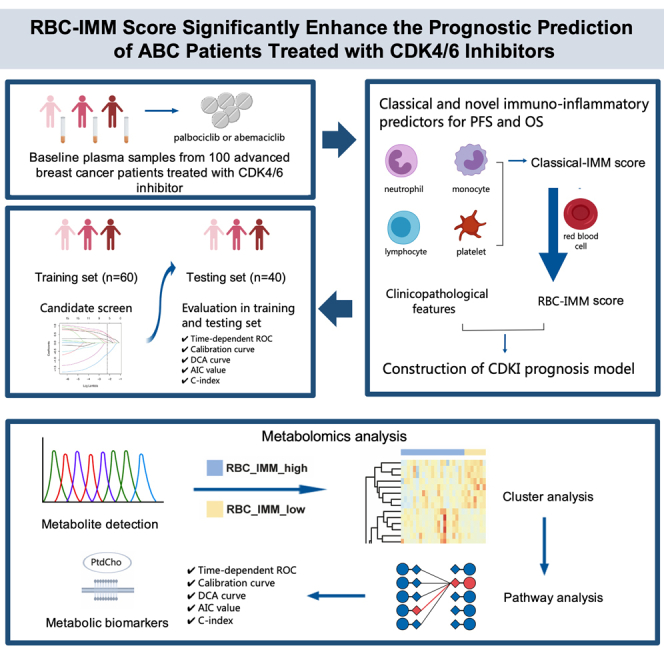 Figure 1
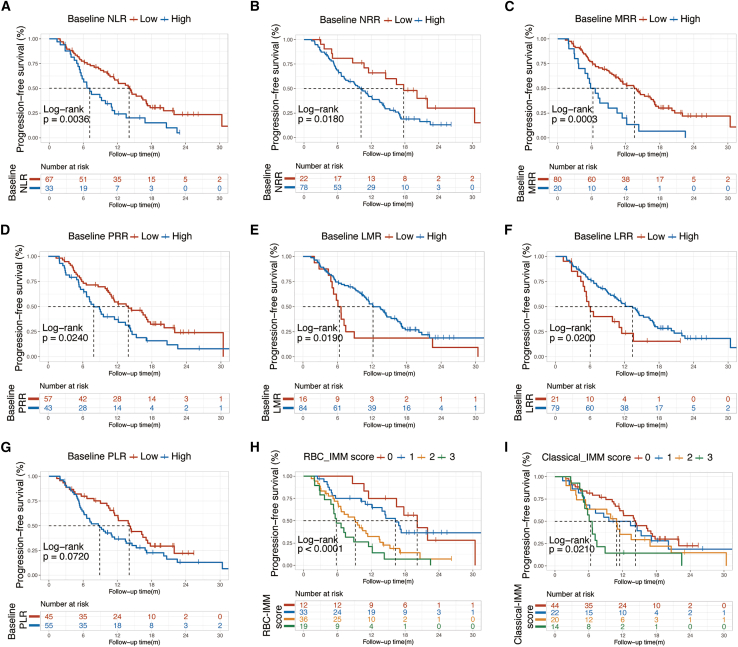 Figure 2
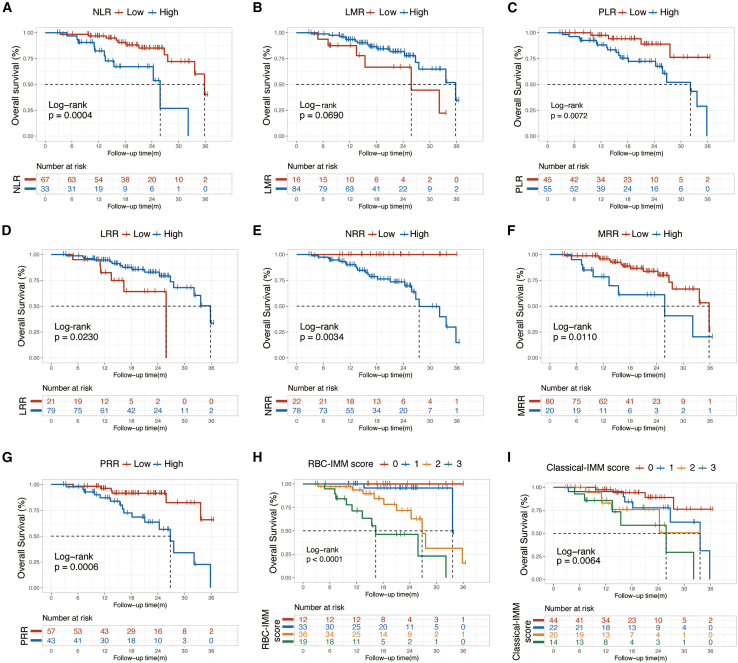 Figure 3
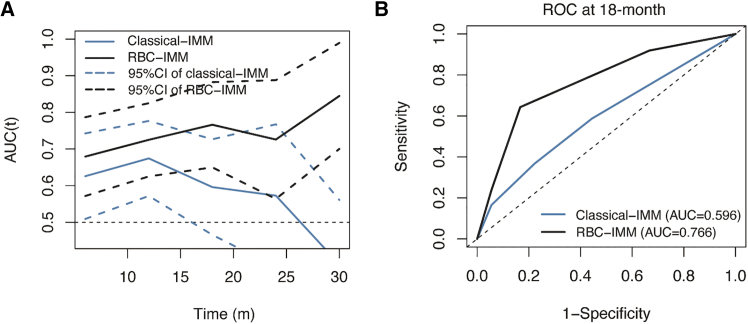 Figure 4
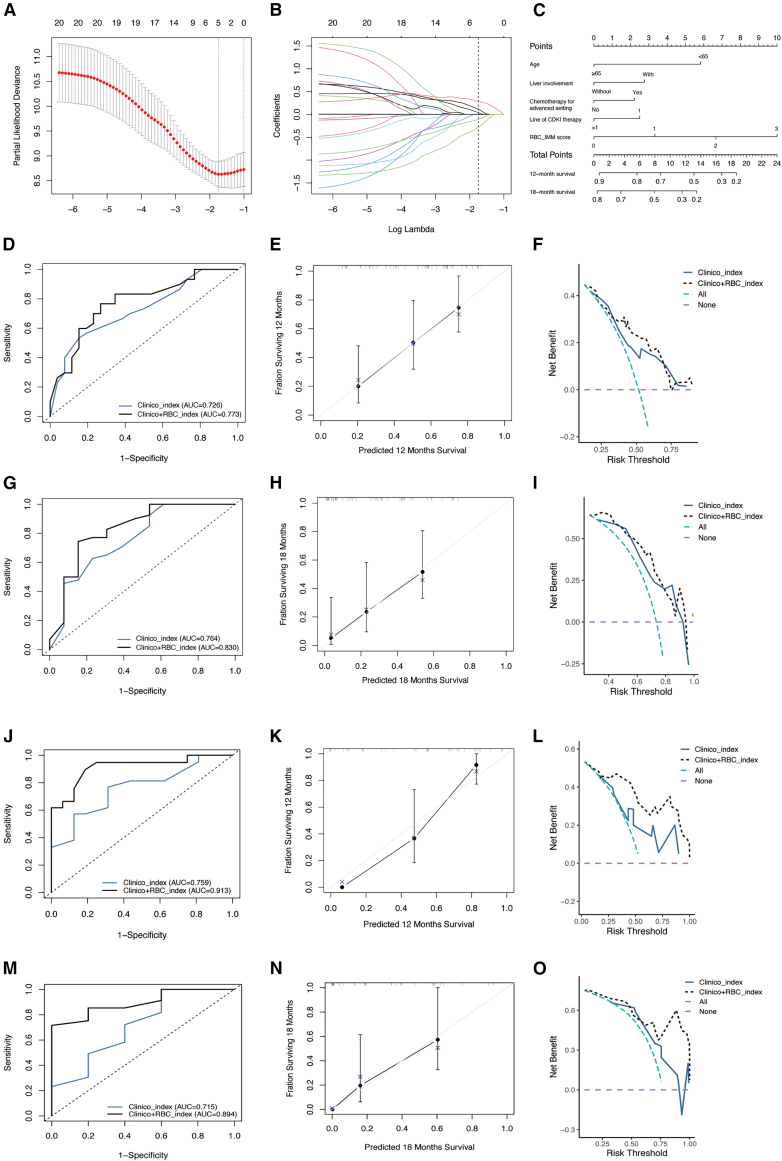 Figure 5
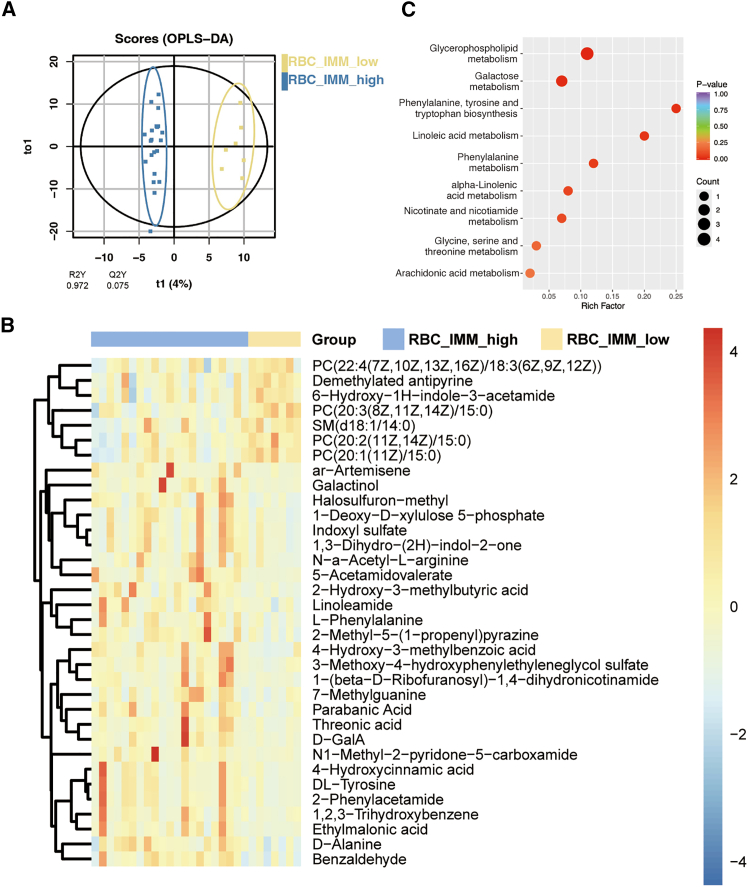 Figure 6
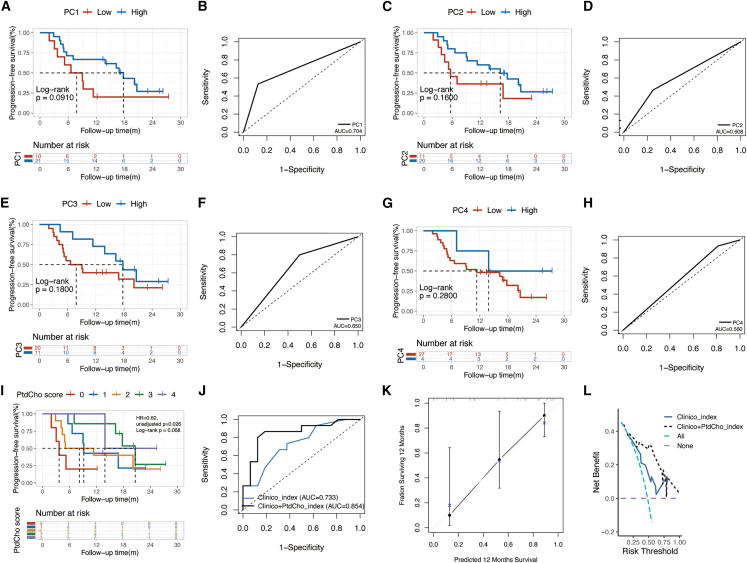 Figure 7
Peer Reviews
No public reviews on file for this paper yet. If you reviewed it on a platform where reviews are public (OpenReview, ICLR, NeurIPS, ICML), you can paste yours below so the community can read it here.
Videos
No videos yet. Explain this paper in a talk, walkthrough, or lecture? Add one.
Taxonomy
TopicsAdvanced Breast Cancer Therapies · Cancer-related cognitive impairment studies · Breast Cancer Treatment Studies