Asymmetrical flow field-flow fractionation and multi-angle laser light scattering: A new analytical approach for the characterisation of insect protein aggregation/polymerisation after heat treatment of Tenebrio molitor larvae
Ariel Anouma, Céline Niquet-Léridon, Bénédicte Lorrette, Thierry Aussenac

TL;DR
This paper introduces a new method using A4F-MALLS to study how heat treatment affects insect protein aggregation and polymerization in Tenebrio molitor larvae.
Contribution
The novel use of A4F-MALLS coupling provides a detailed characterization of heat-induced protein aggregation and polymerization in insect proteins.
Findings
Heat treatment increases protein aggregation, reducing solubility by 35%.
Protein polymerization occurs via intermolecular S-S bonds, forming high molar mass and compact structures.
A4F-MALLS effectively quantifies and characterizes aggregated and polymerized proteins.
Abstract
Understanding the structural modifications of insect proteins during the transformation processes used for extract preparation is essential for optimising their functionalities and obtaining high added-value proteins. From this perspective and in addition to classical analytical approaches, we developed an original methodology based on the implementation of Asymmetrical Flow Field-Flow Fractionation and Multi-Angle Laser Light Scattering (A4F-MALLS) coupling to quantify and characterise the aggregation/polymerisation phenomena of Tenebrio molitor larvae proteins after heat treatment (from 65 to 95 °C). Applied to heat-treated larvae proteins in conjunction with the evaluation of intrinsic fluorescence, surface hydrophobicity and sodium dodecyl sulphate polyacrylamide gel electrophoresis (SDS-PAGE), the AF4-MALLS method enabled us to quantify and characterise the aggregated proteins…
Genes, proteins, chemicals, diseases, species, mutations and cell lines named across the full text — each resolved to its canonical identifier and authoritative record.
Click any figure to enlarge with its caption.
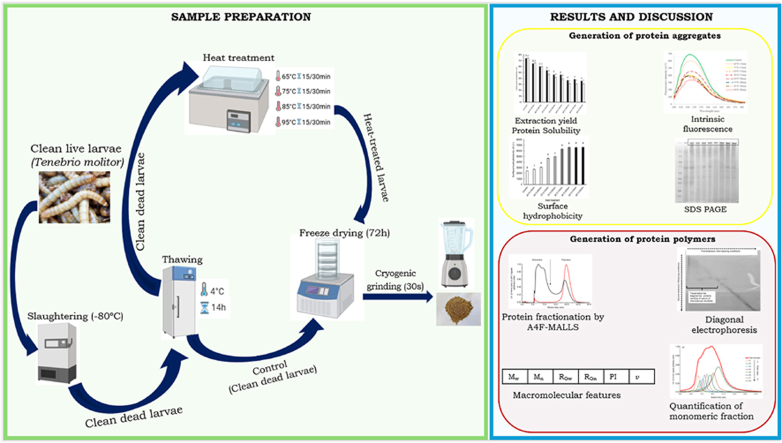 Figure 1
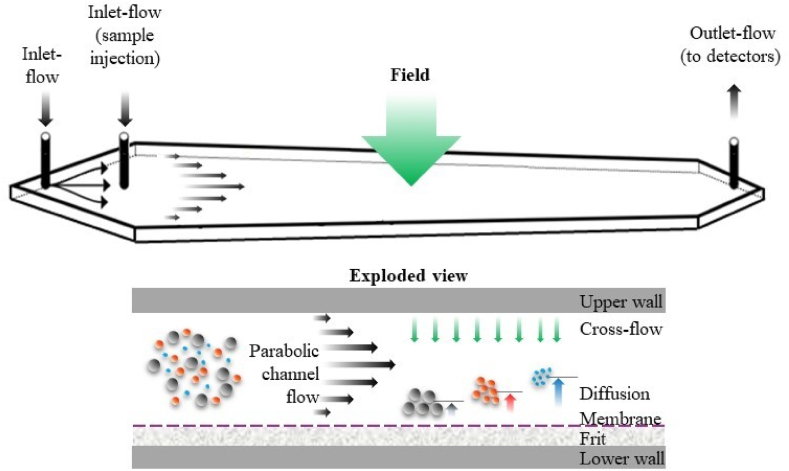 Figure 2
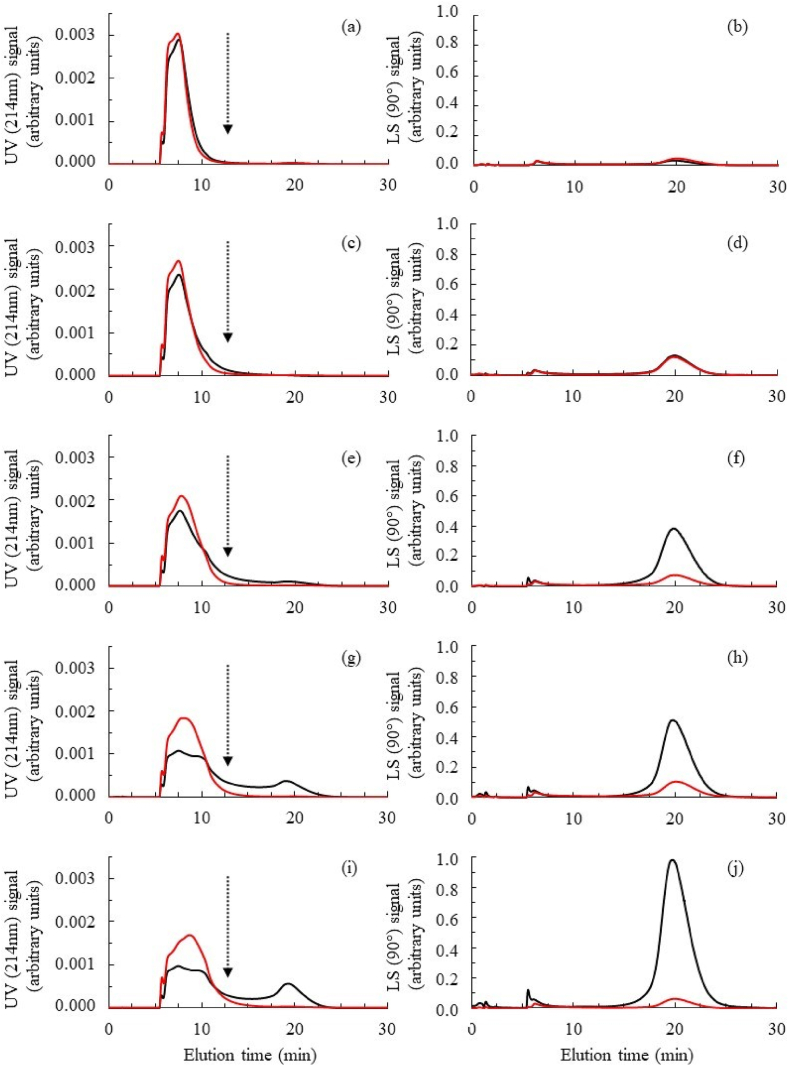 Figure 3
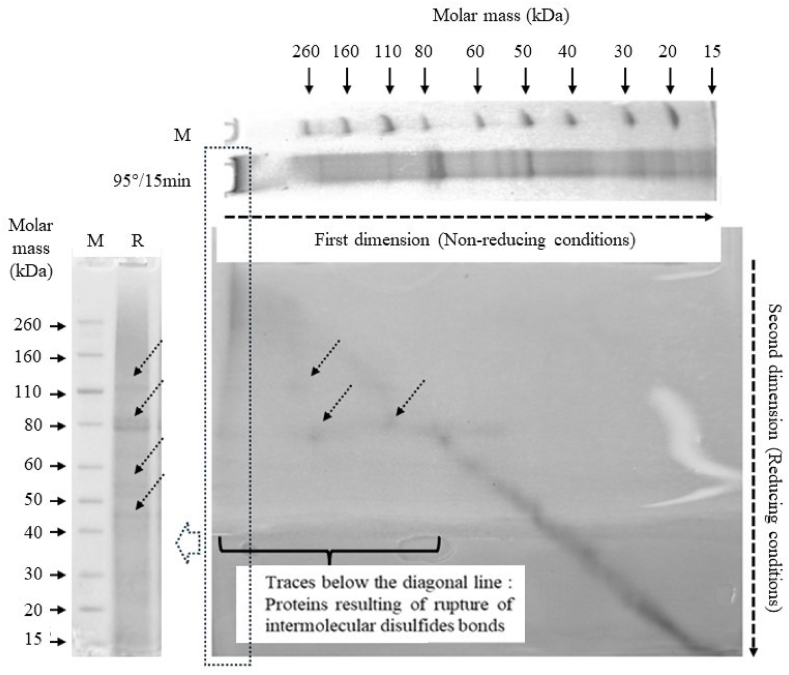 Figure 4
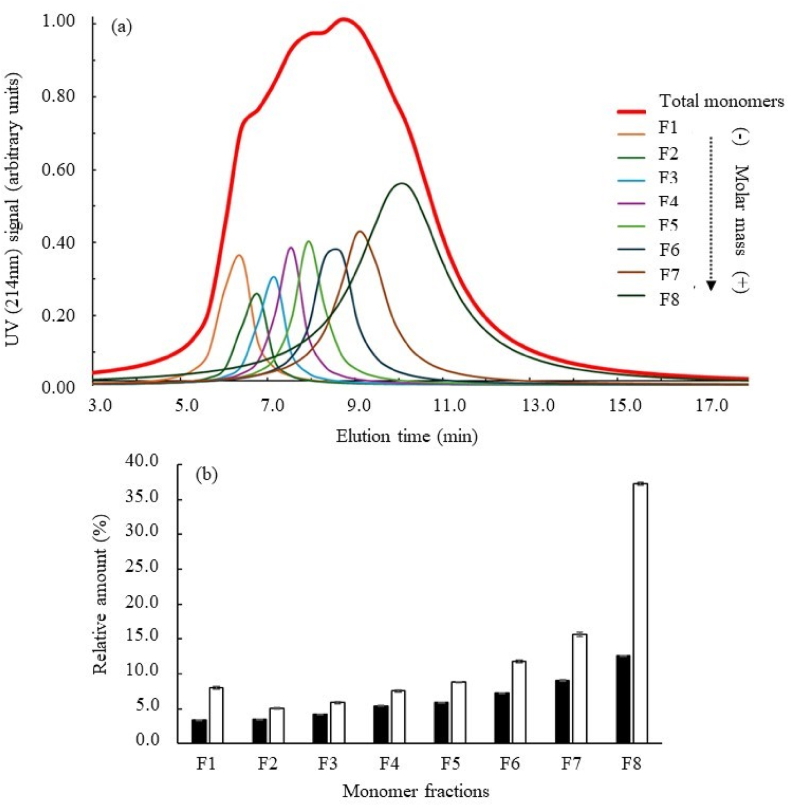 Figure 5
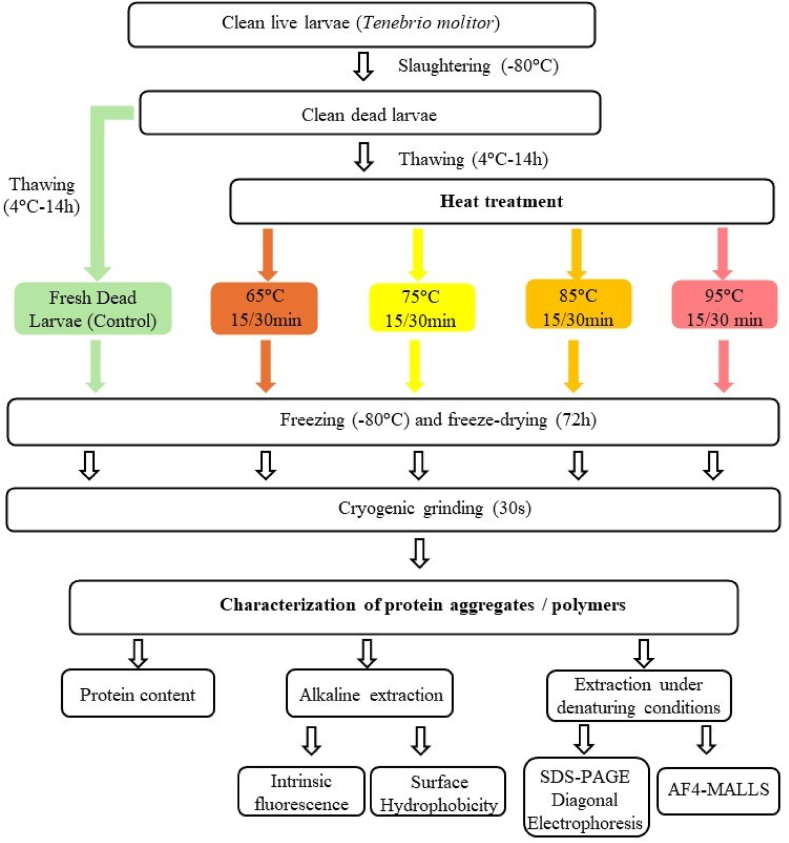 Figure 6
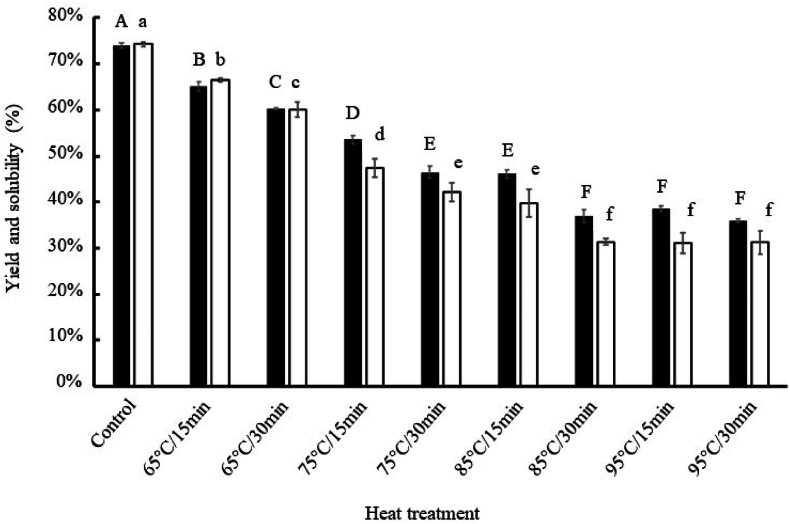 Figure 7
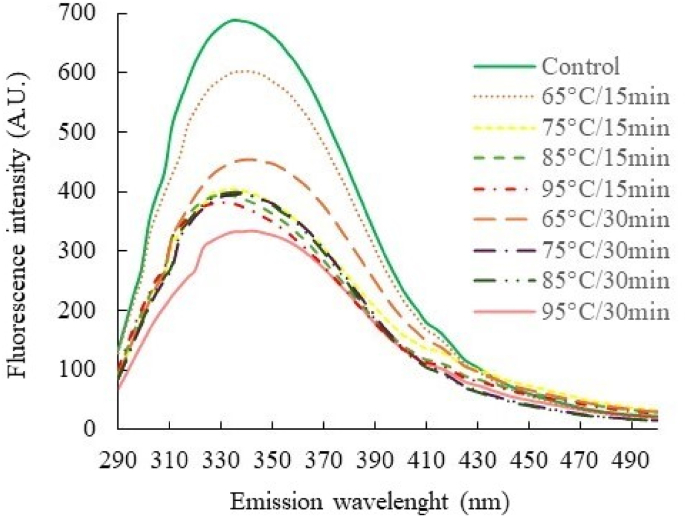 Figure 8
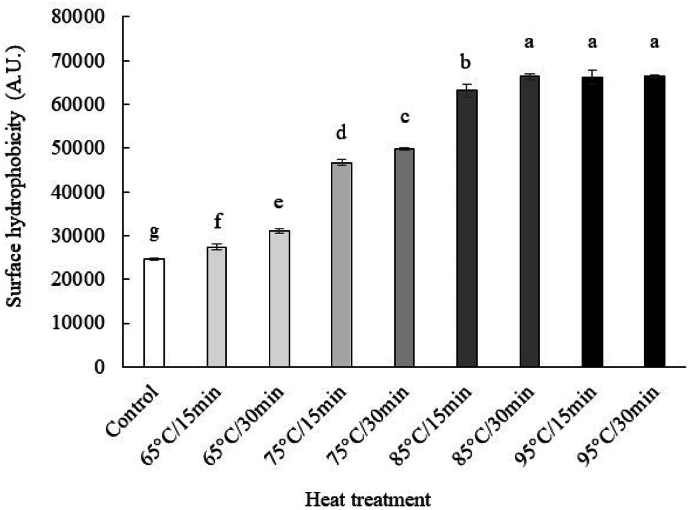 Figure 9
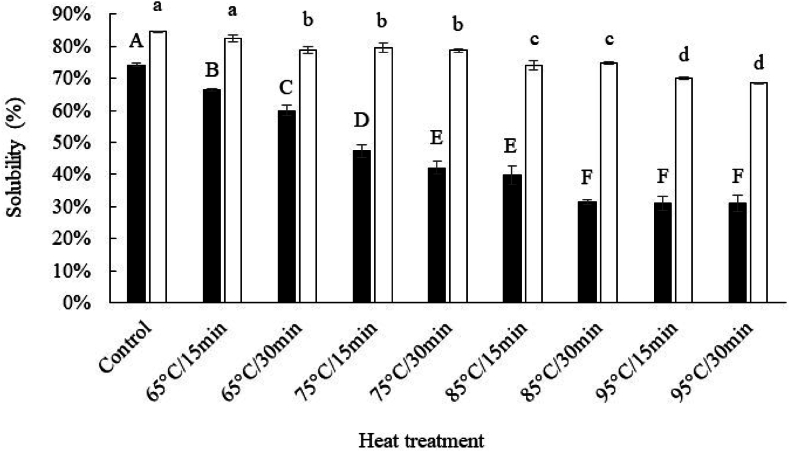 Figure 10
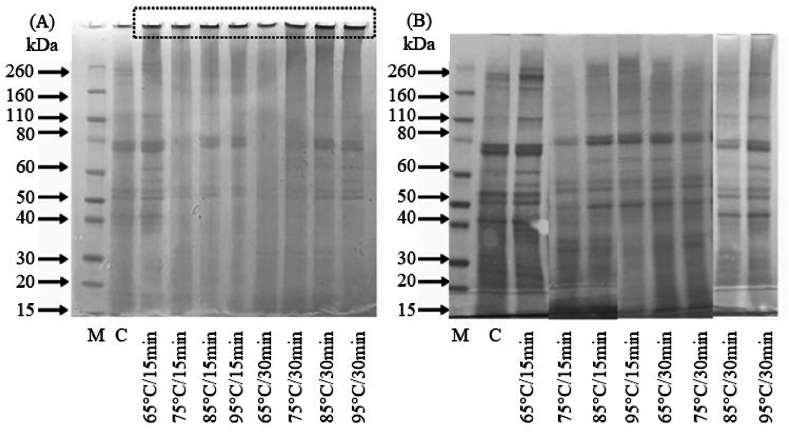 Figure 11
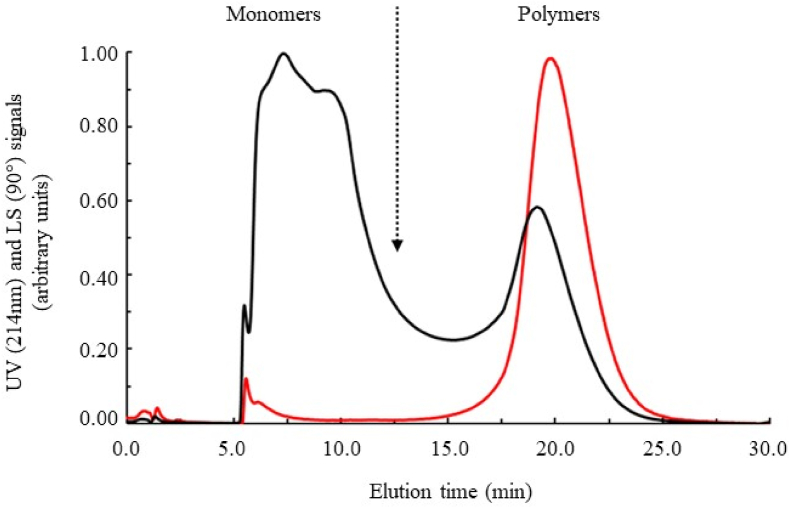 Figure 12
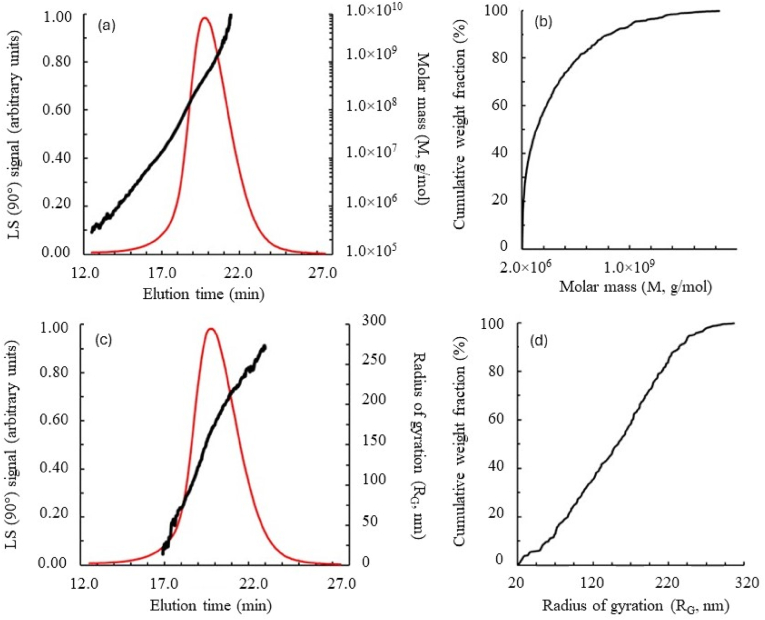 Figure 13
Peer Reviews
No public reviews on file for this paper yet. If you reviewed it on a platform where reviews are public (OpenReview, ICLR, NeurIPS, ICML), you can paste yours below so the community can read it here.
Videos
No videos yet. Explain this paper in a talk, walkthrough, or lecture? Add one.
Taxonomy
TopicsInsect Utilization and Effects · Moringa oleifera research and applications