Multidirectional therapeutic effects of synthesized HMGB1 peptide on liver cirrhosis in mice
Masaki Mito, Atsunori Tsuchiya, Soichi Ishii, Takafumi Tonouchi, Kaito Furuyama, Ryo Jinbo, Nobutaka Takeda, Hiroyuki Abe, Katsuto Tamai, Shuji Terai

TL;DR
A synthesized HMGB1 peptide shows multiple therapeutic effects in reducing liver cirrhosis in mice by targeting fibrosis and improving liver cell function.
Contribution
The study demonstrates the multidirectional effects of HMGB1 peptide treatment on liver cirrhosis, including fibrosis reduction and improved lipid metabolism.
Findings
HMGB1 peptide treatment reduces αSMA-positive hepatic stellate cells from week two in a cirrhosis model.
Treatment suppresses collagen pathway activity in macrophages and enhances hepatocyte lipid metabolism.
Peptide treatment induces cell migration factors like Cxcl12 and Ccl25, suggesting enhanced liver healing.
Abstract
Liver cirrhosis is a serious disease characterized by liver dysfunction and severe fibrosis; however, no breakthrough drugs have effectively improved fibrosis, making it an unmet medical need. We have previously reported that the HMGB1 peptide, synthesized from box A of the HMGB1 protein, ameliorates liver fibrosis and is a promising candidate for fibrosis-improving drugs against liver cirrhosis. In this study, we used spatial analysis to observe treatment-induced changes over time. Liver cirrhosis was induced in C57BL/6J mice using carbon tetrachloride (CCl4) injections, followed by HMGB1 peptide treatment. To assess the temporal effects of HMGB1 on the liver in a CCl4-induced cirrhosis mouse model, we used GeoMx spatial analysis. We focused on αSMA-positive active hepatic stellate cells (HSCs), F4/80-positive macrophages, and CK8/18-positive hepatocytes to determine how each cell…
Genes, proteins, chemicals, diseases, species, mutations and cell lines named across the full text — each resolved to its canonical identifier and authoritative record.
Click any figure to enlarge with its caption.
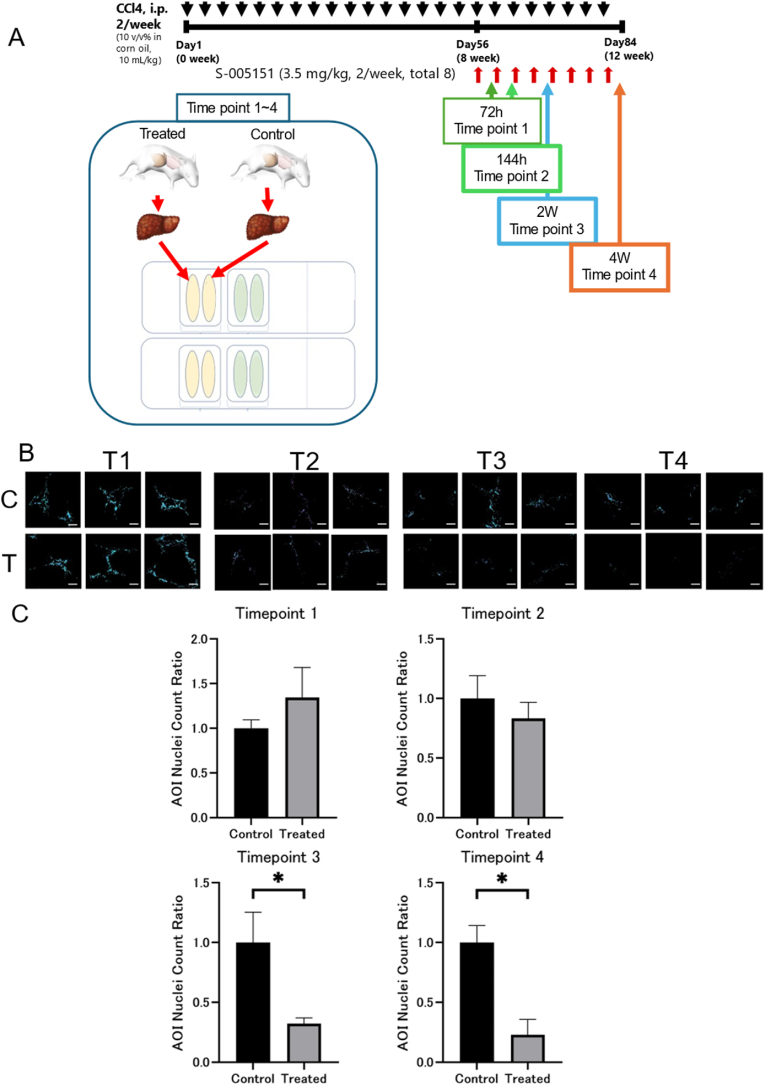 Figure 1
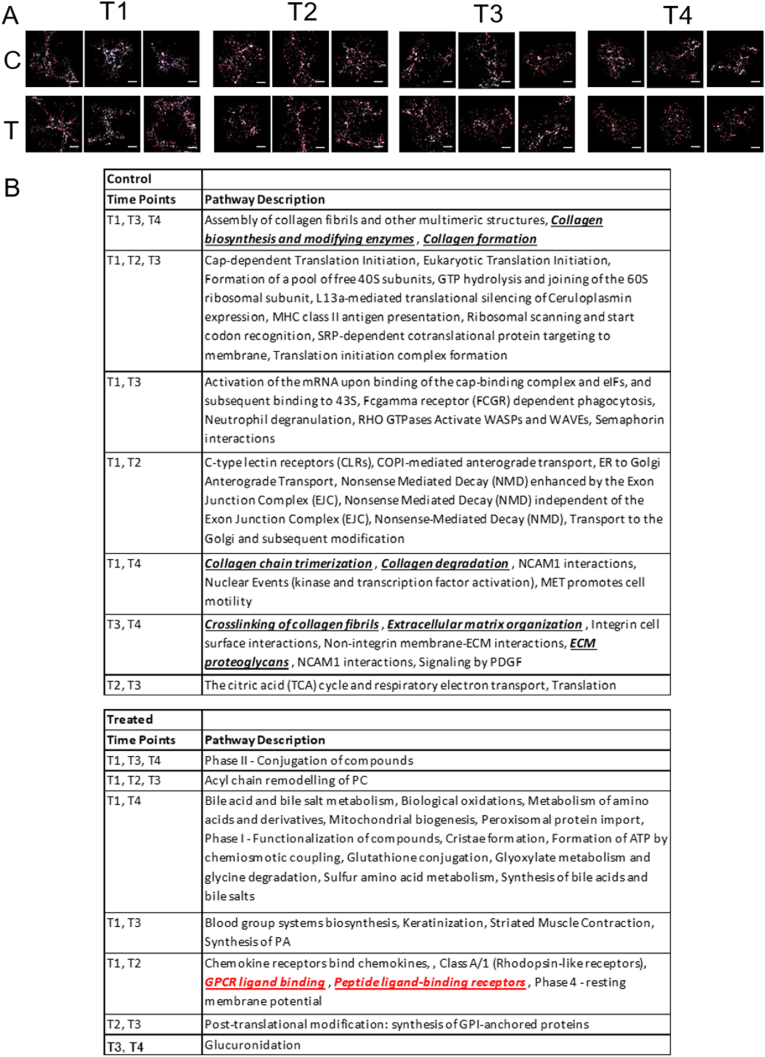 Figure 2
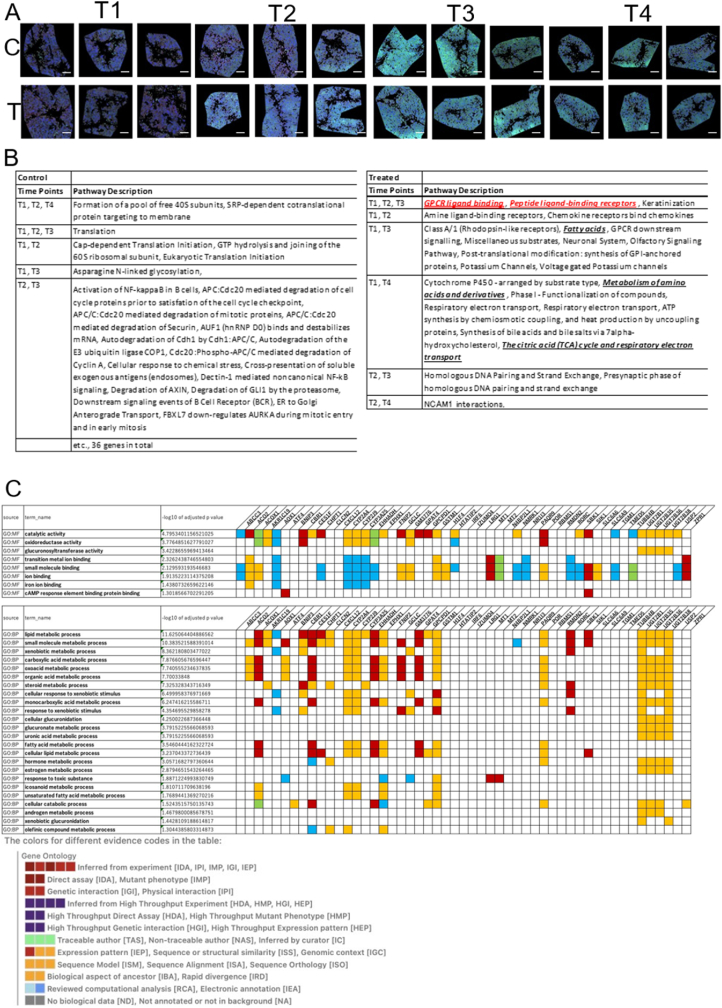 Figure 3
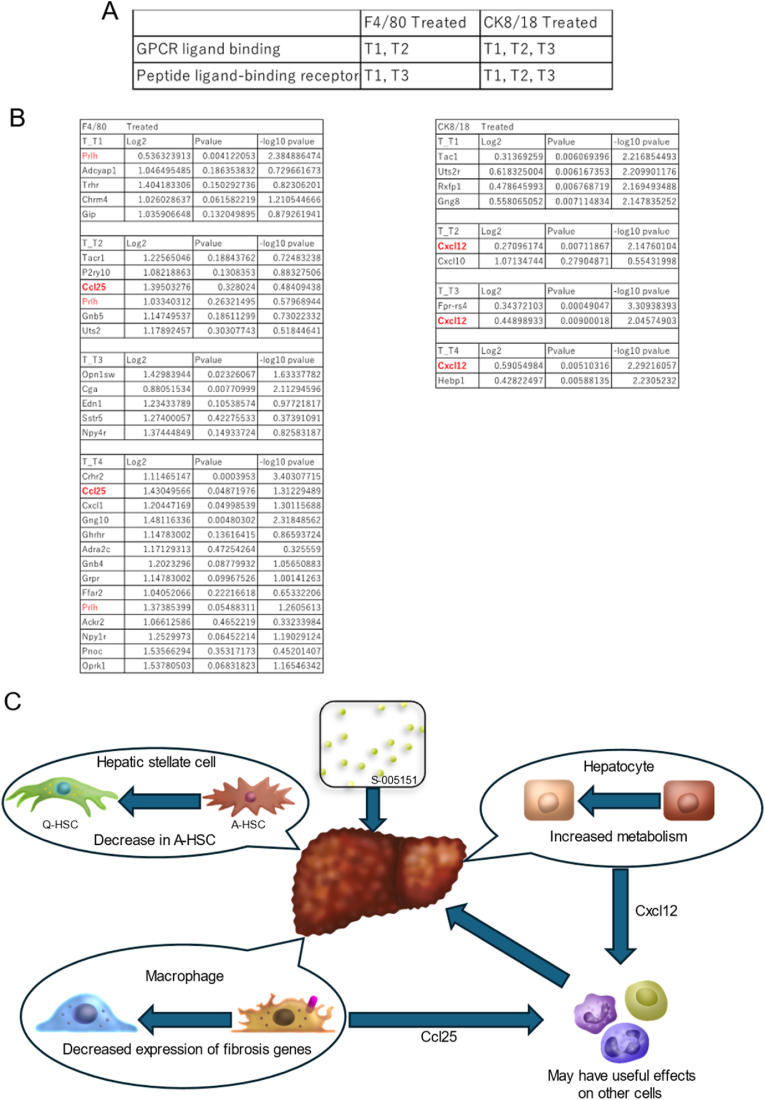 Figure 4
Peer Reviews
No public reviews on file for this paper yet. If you reviewed it on a platform where reviews are public (OpenReview, ICLR, NeurIPS, ICML), you can paste yours below so the community can read it here.
Videos
No videos yet. Explain this paper in a talk, walkthrough, or lecture? Add one.
Taxonomy
TopicsAdvanced Glycation End Products research · Liver Disease Diagnosis and Treatment · Biochemical effects in animals