Thickness dependent oxidation in CrCl3: a scanning X-ray photoemission and Kelvin probe microscopies study
Shafaq Kazim, Rahul Parmar, Maryam Azizinia, Matteo Amati, Muhammad Rauf, Andrea Di Cicco, Seyed Javid Rezvani, Dario Mastrippolito, Luca Ottaviano, Tomasz Klimczuk, Luca Gregoratti, Roberto Gunnella

TL;DR
This study explores how the thickness of CrCl3 flakes affects their oxidation and electronic properties, offering insights for developing nanodevices.
Contribution
The study reveals how surface oxidation and vacancy manipulation in thin CrCl3 flakes can enable new nanodevice designs.
Findings
Thinner CrCl3 flakes preserve their properties better than thicker ones.
Surface oxidation and Cl vacancies facilitate interfacial modifications.
Dry transfer in atmospheric conditions induces Cl vacancy migration.
Abstract
The modifications in the electronic properties induced by the thickness and size of an individual flake of transition-metal halides on different substrates (silicon oxide or In-doped tin oxide) are of particular technological interest, even more in the case of chromium trihalides (CrX3, X = Cl, Br, and I), whose longer lifetime under ambient conditions is particularly intriguing. By using synchrotron-based scanning photoelectron microscopy with a resolution of 0.1 μm and Kelvin probe force microscopy, we evaluated the surface modification reaction and the surface potential. Our results established the correlations of the two latter properties with the thickness of flakes, observing a natural tendency to preserve their characteristic when the flakes have significantly less thickness. This is in contrast to thicker flakes, which show alteration patterns similar to those observed in…
Genes, proteins, chemicals, diseases, species, mutations and cell lines named across the full text — each resolved to its canonical identifier and authoritative record.
Click any figure to enlarge with its caption.
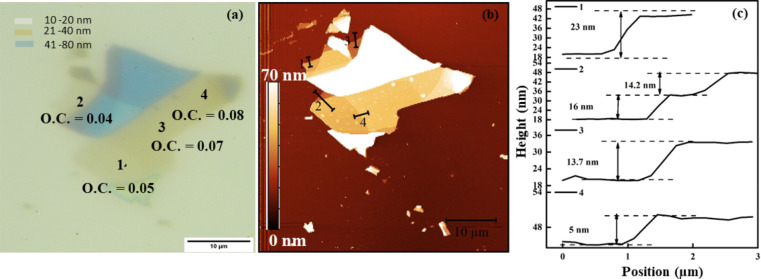 Figure 1
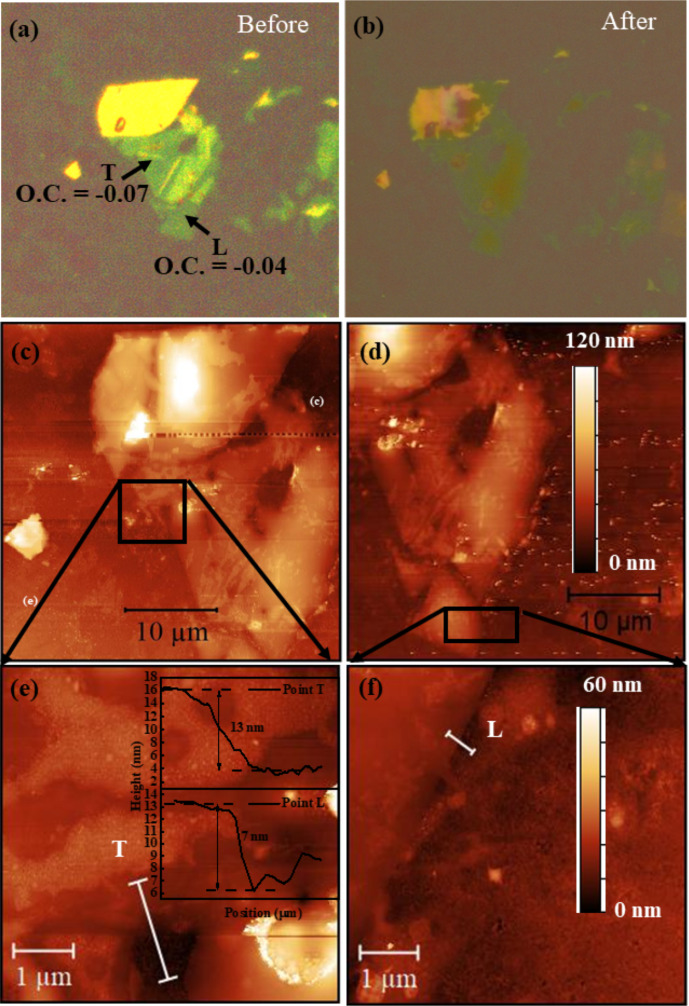 Figure 2
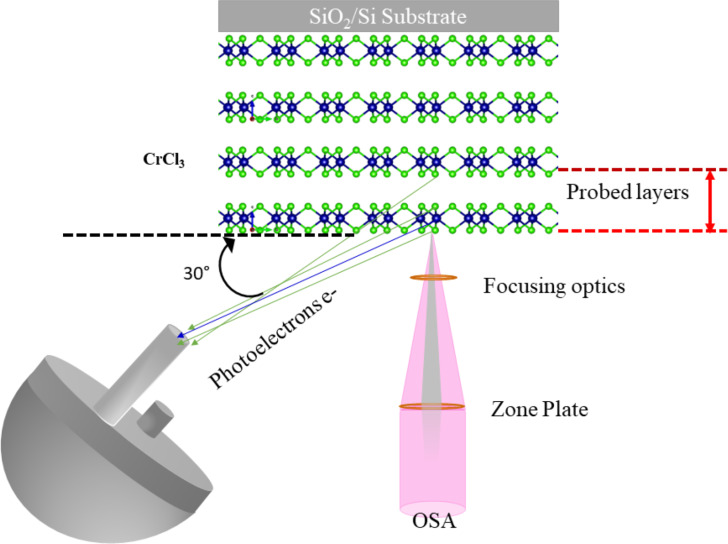 Figure 3
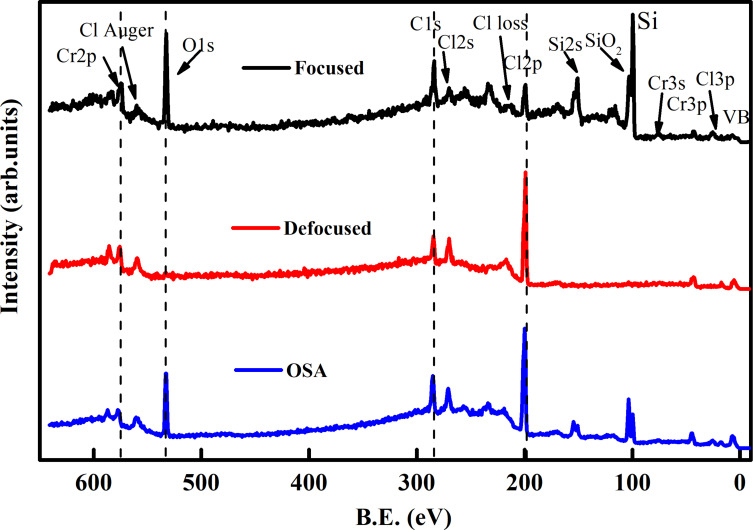 Figure 4
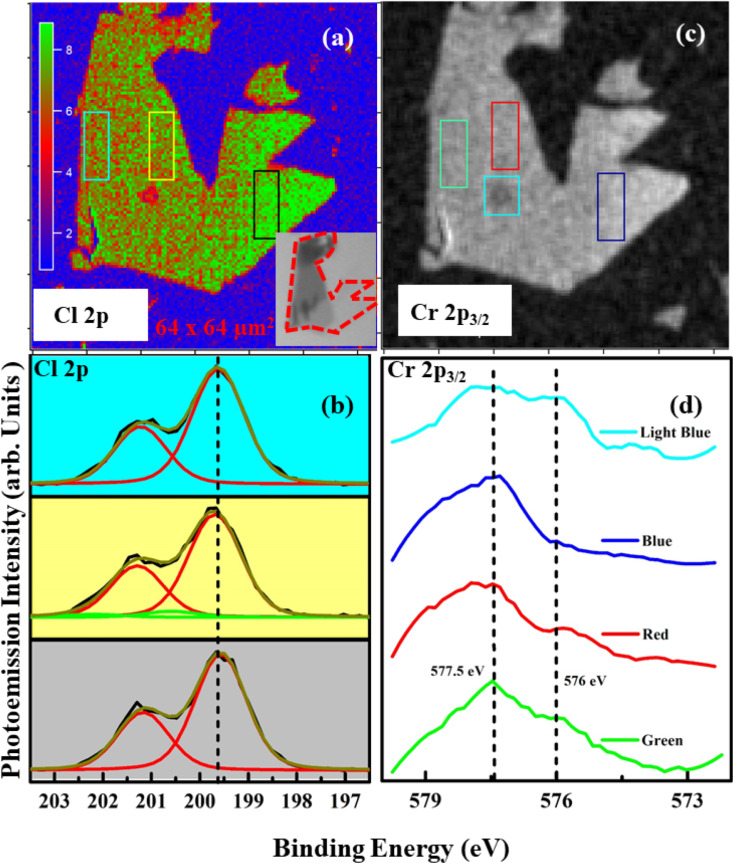 Figure 5
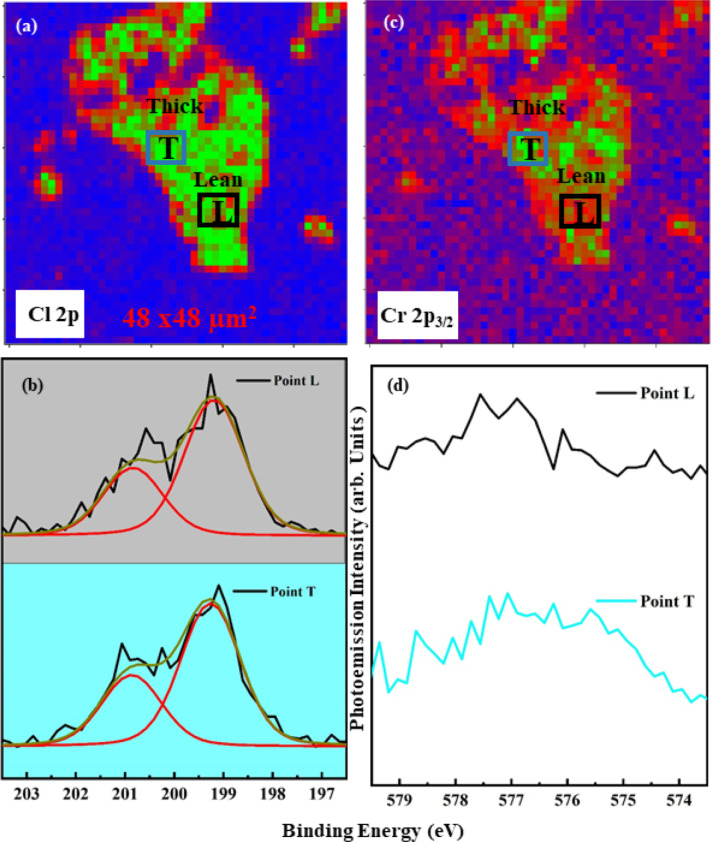 Figure 6
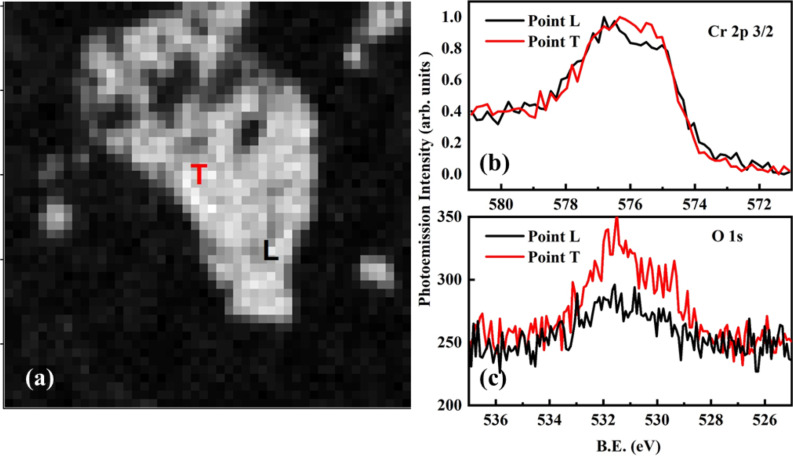 Figure 7
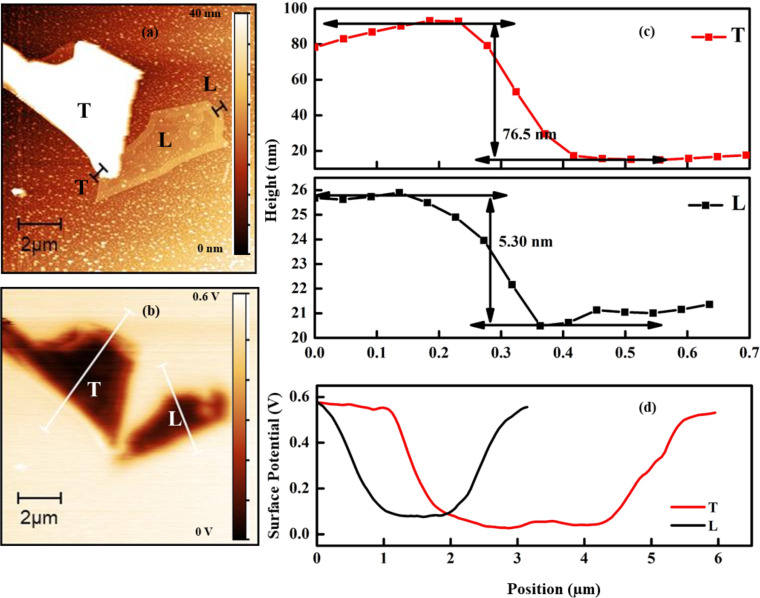 Figure 8
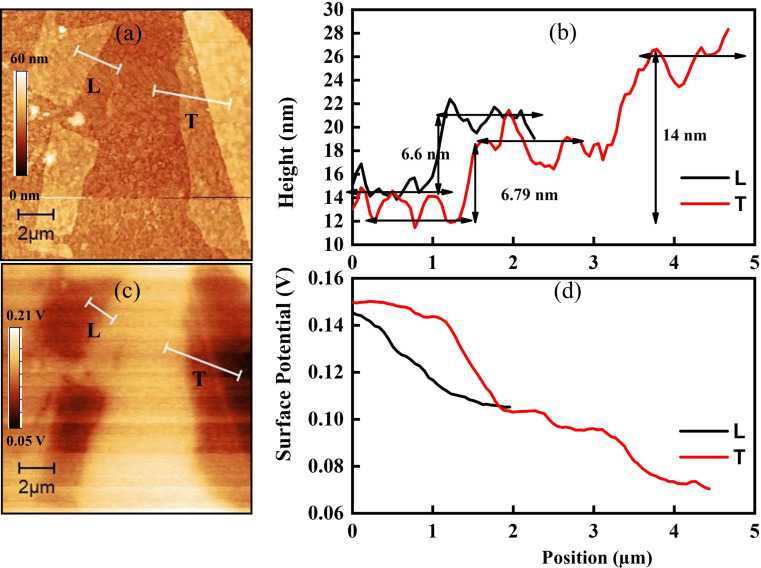 Figure 9
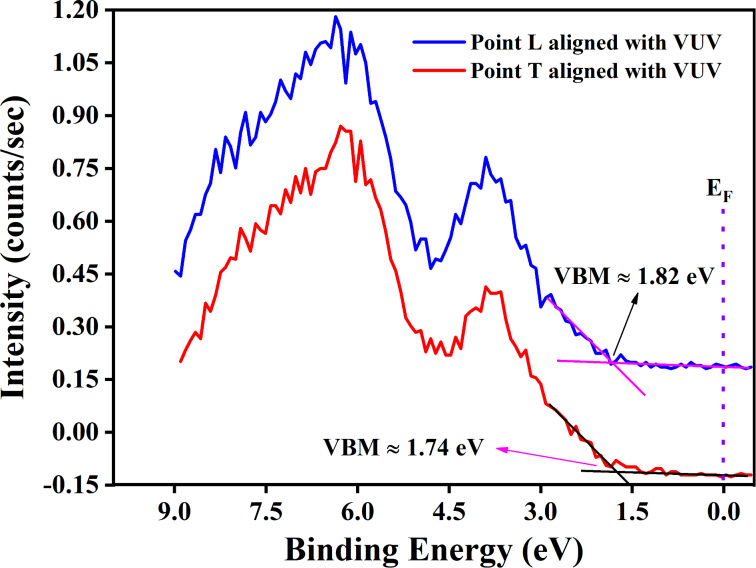 Figure 10
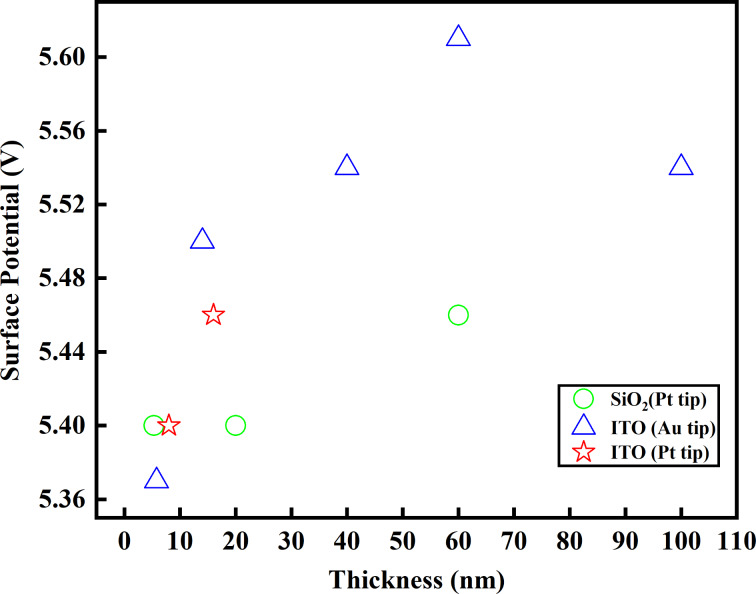 Figure 11
Peer Reviews
No public reviews on file for this paper yet. If you reviewed it on a platform where reviews are public (OpenReview, ICLR, NeurIPS, ICML), you can paste yours below so the community can read it here.
Videos
No videos yet. Explain this paper in a talk, walkthrough, or lecture? Add one.
Taxonomy
Topics2D Materials and Applications · Machine Learning in Materials Science · Electronic and Structural Properties of Oxides