A versatile route towards 6-arylpipecolic acids
Erich Gebel, Cornelia Göcke, Carolin Gruner, Norbert Sewald

TL;DR
This paper introduces a new method to create enantiomerically pure pipecolic acid derivatives with aryl groups in the C6 position using chiral amino acids and metal-catalyzed reactions.
Contribution
A novel route for synthesizing 6-arylpipecolic acids using chiral amino acids and transition metal-catalyzed cross-coupling.
Findings
Enantiomerically pure pipecolic acid derivatives with aryl modifications in C6 position were successfully synthesized.
NMR analysis revealed conformational constraints and dihedral angles consistent with coupling constants.
The method utilizes a chiral pool and transition metal catalysis for efficient synthesis.
Abstract
Pipecolic acid is known as a non-proteinogenic amino acid with a secondary amine. It contains a six-membered ring and is, like its five-membered correlate, known for its secondary structure inducing properties, which are particularly useful in the design of peptide conformations. We present a new and improved way to generate enantiomerically pure pipecolic acid derivatives with aryl modifications in C6 position by utilising the chiral pool of a non-proteinogenic amino acid in combination with transition metal-catalysed cross-coupling reactions. Moreover, we present an in-depth NMR analysis of the key intermediate steps, which illustrates the conformational constraints in accordance with coupling constants and resulting dihedral angles.
Genes, proteins, chemicals, diseases, species, mutations and cell lines named across the full text — each resolved to its canonical identifier and authoritative record.
Click any figure to enlarge with its caption.
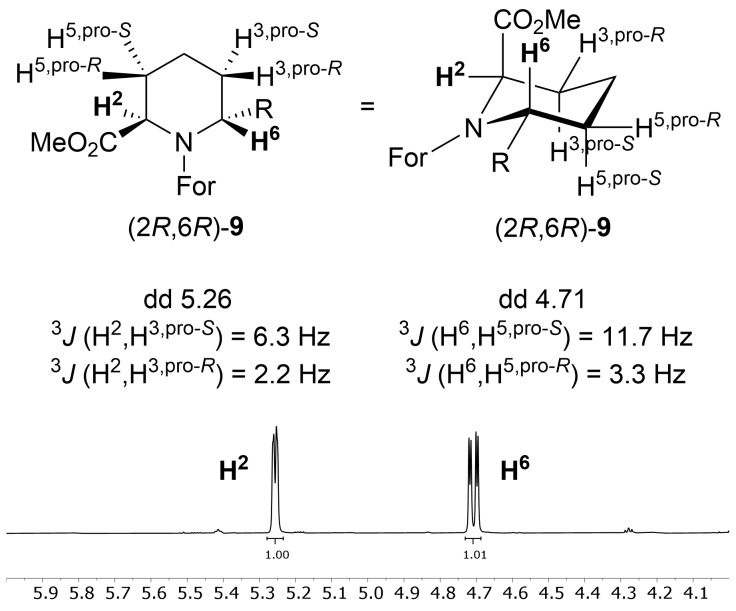 Figure 1
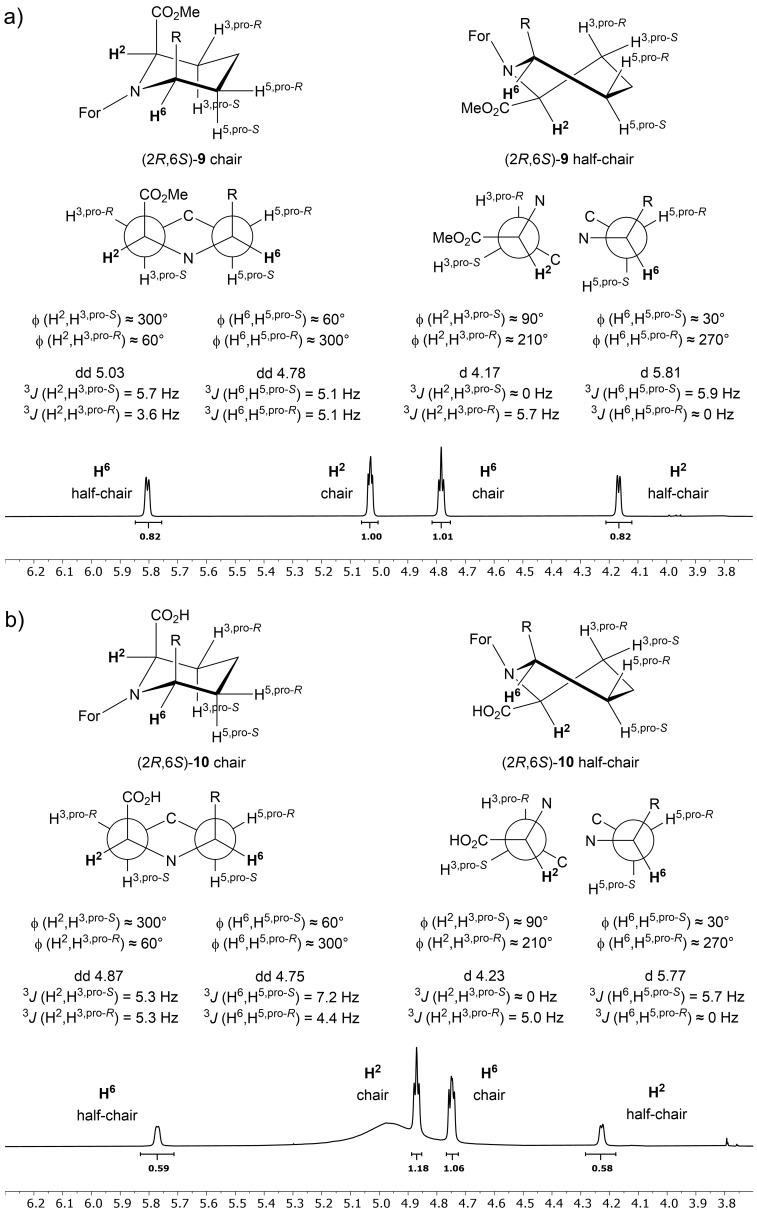 Figure 2
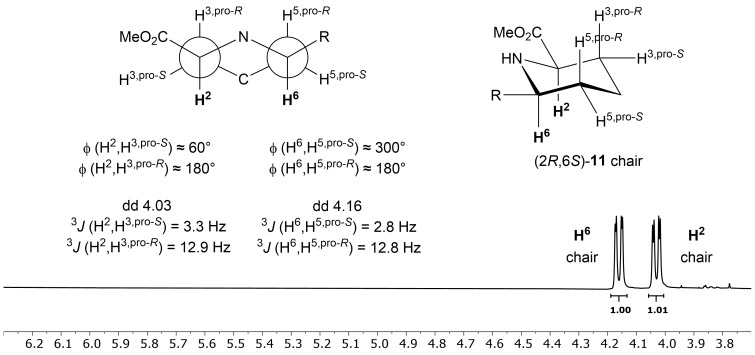 Figure 3
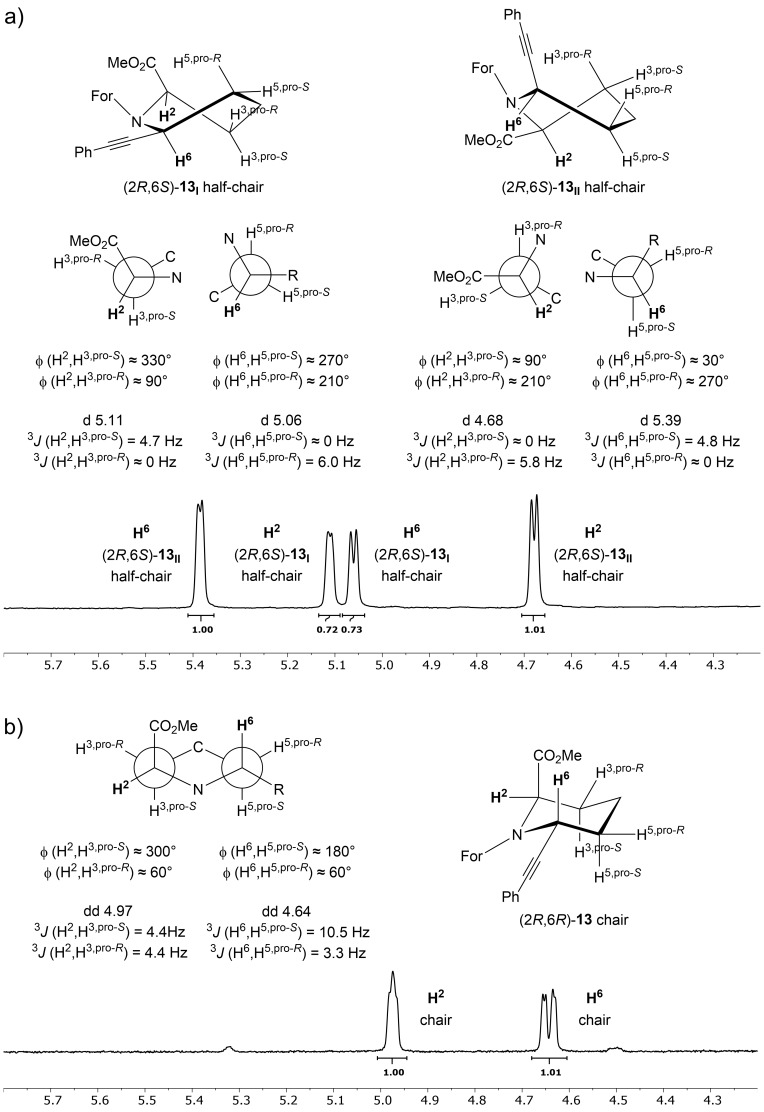 Figure 4
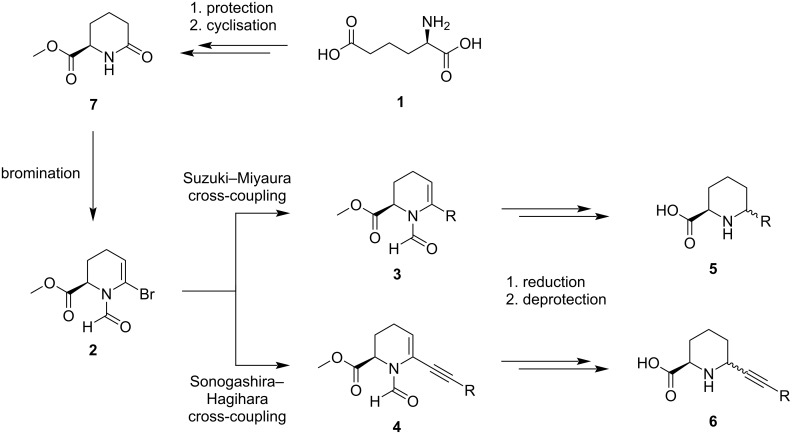 Figure 5
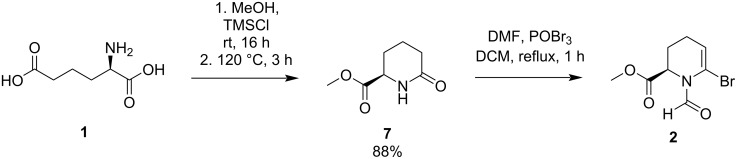 Figure 6
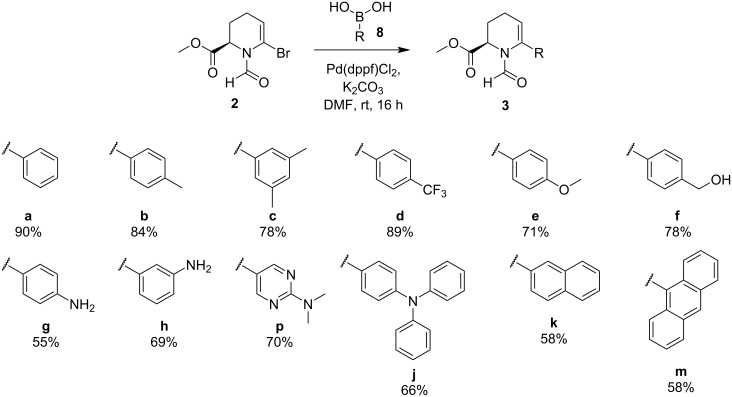 Figure 7
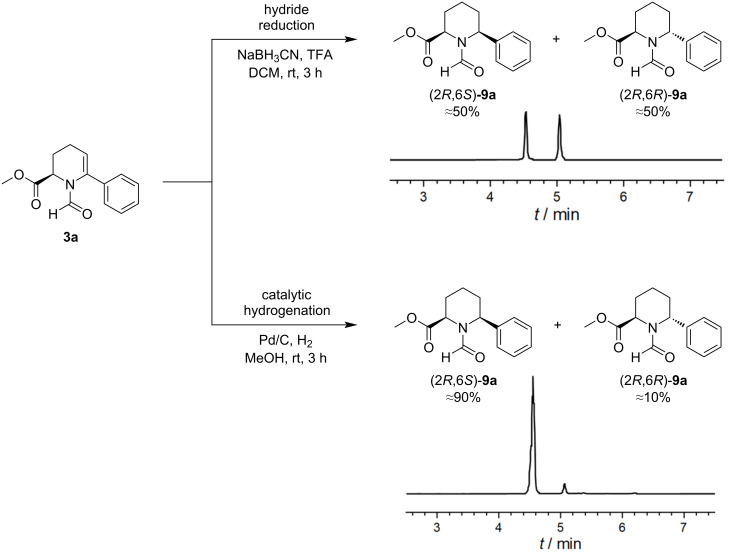 Figure 8
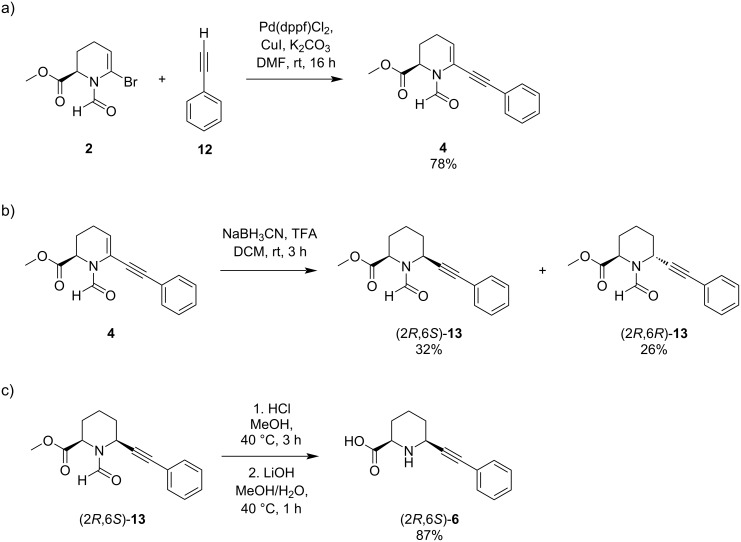 Figure 9
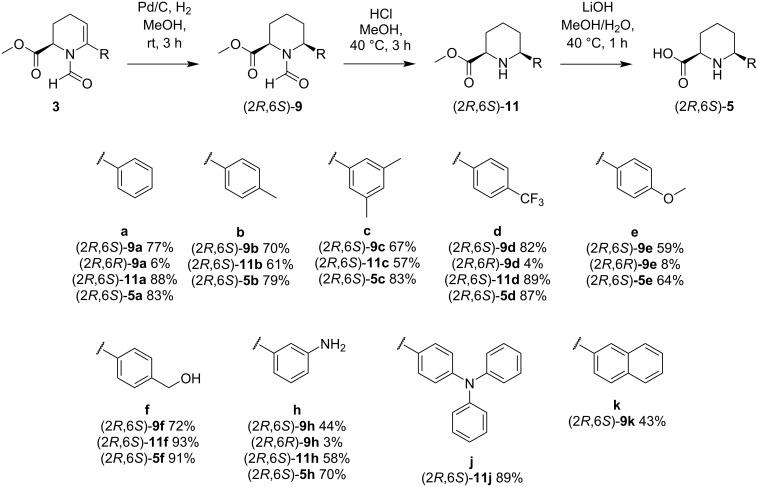 Figure 10
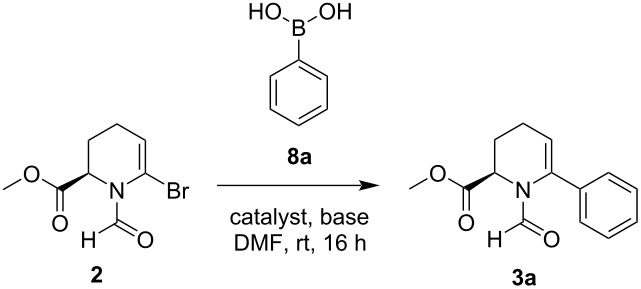 Figure 11
Peer Reviews
No public reviews on file for this paper yet. If you reviewed it on a platform where reviews are public (OpenReview, ICLR, NeurIPS, ICML), you can paste yours below so the community can read it here.
Videos
No videos yet. Explain this paper in a talk, walkthrough, or lecture? Add one.
Taxonomy
TopicsChemical Synthesis and Analysis · Asymmetric Synthesis and Catalysis · Synthetic Organic Chemistry Methods