An innovative cardiac rehabilitation based on the power–force–velocity profile to further improve cardiorespiratory capacities in coronary artery disease patients: CITIUS study
Marie Fanget, Pierre Labeix, Jean-Benoit Morin, Manon Bayle, Jerome Koral, Rodolphe Testa, Nicolas Peyrot, Vincent Gremeaux, Marie-Christine Iliou, Thierry Busso, Jari Antero Laukkanen, Frederic Roche, David Hupin

TL;DR
A new cardiac rehabilitation program based on individual power-force-velocity profiles improves cardiorespiratory fitness and cholesterol more than traditional methods in heart disease patients.
Contribution
A novel cardiac rehabilitation approach using power–force–velocity profiling for personalized training in coronary artery disease patients.
Findings
The experimental group showed significantly greater improvements in VO2 peak and VO2 at VT1 compared to the control group.
The experimental group had significant improvements in LDL cholesterol levels compared to the control group.
Abstract
Individually optimizing the training programme of cardiac rehabilitation (CR) remains a major concern among coronary artery disease (CAD) patients. The power–force–velocity profile (PFVP) for a given task is usually assessed to improve performance in athletes through individualized training. Therefore, assessing PFVP on stationary cycle ergometer may allow better personalization of CR programme. The aim of this study was to compare the effects of a new CR customized based on patient’s PFVP vs. a traditional CR in CAD patients on cardiorespiratory, biological, and muscular systems. A total of 86 patients participated in this study. The 3-week intervention consisted of physical training sessions (4/week) and therapeutic education workshops (1/week). Experimental group patients followed a specific cycle ergometer training programme focusing on their less developed PFVP quality. Control…
Genes, proteins, chemicals, diseases, species, mutations and cell lines named across the full text — each resolved to its canonical identifier and authoritative record.
Click any figure to enlarge with its caption.
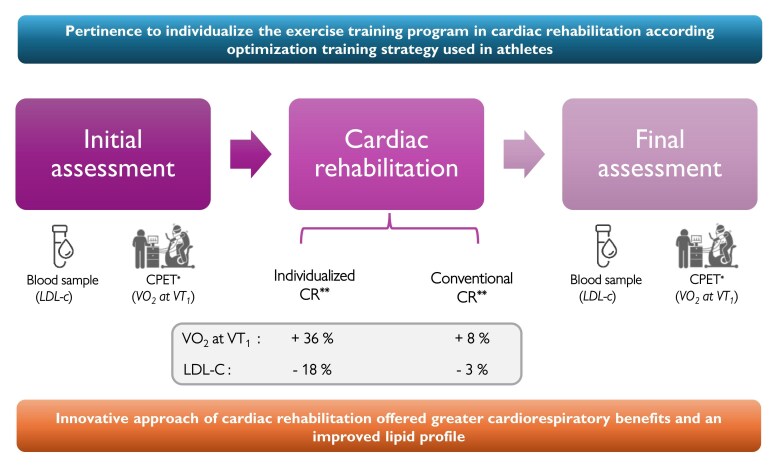 Figure 1
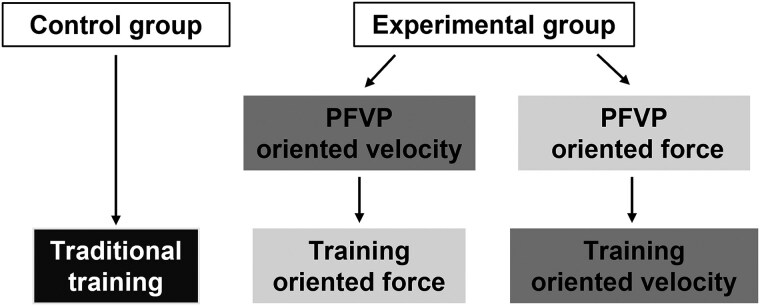 Figure 2
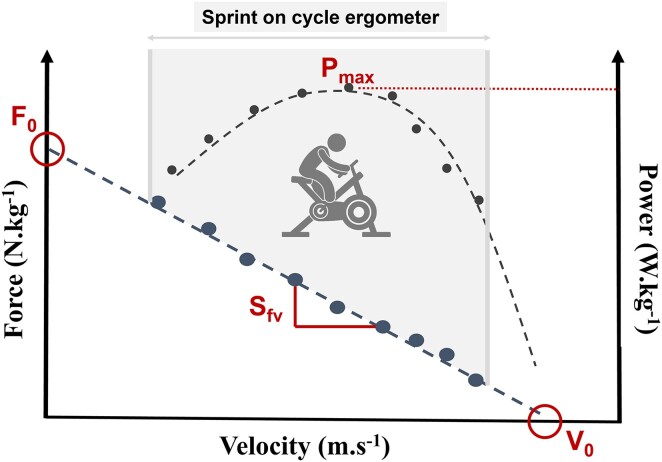 Figure 3
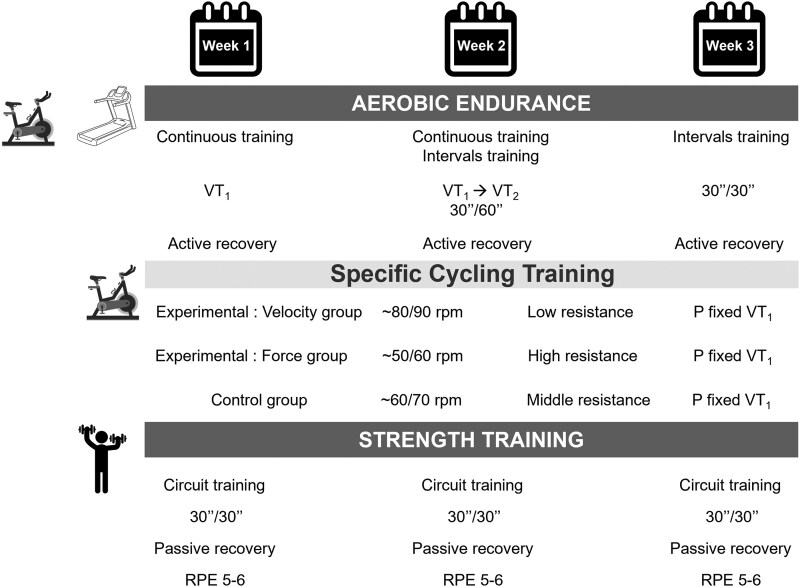 Figure 4
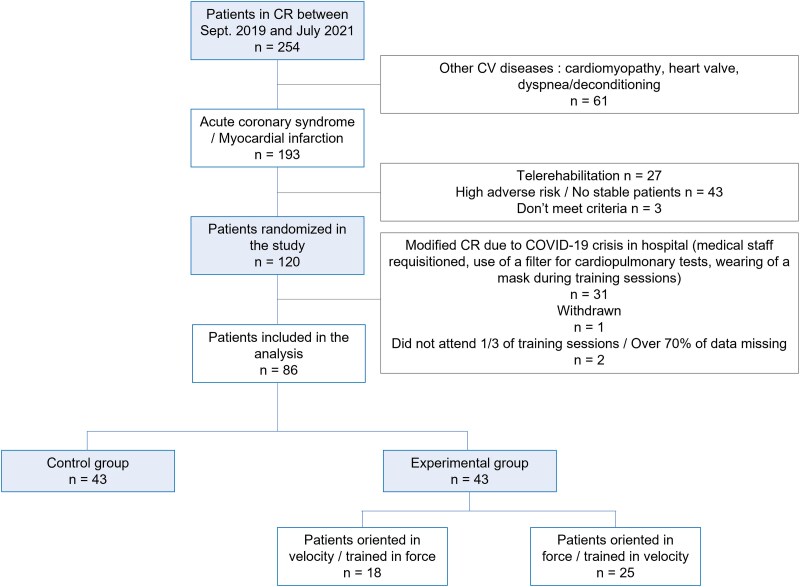 Figure 5
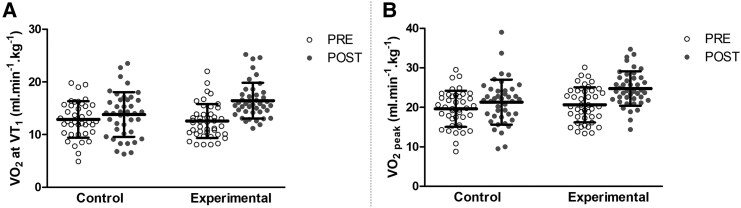 Figure 6
Peer Reviews
No public reviews on file for this paper yet. If you reviewed it on a platform where reviews are public (OpenReview, ICLR, NeurIPS, ICML), you can paste yours below so the community can read it here.
Videos
No videos yet. Explain this paper in a talk, walkthrough, or lecture? Add one.
Taxonomy
TopicsCardiac Health and Mental Health · Heart Rate Variability and Autonomic Control · Cardiovascular and exercise physiology