Comparative Genomics and Phylogenetic Analyses of Aquarius macrophyllus and Related Genera in Alismataceae Based on Plastome Data
Jie Li, Shengnan Wei, Jianan Ying, Qixiang Lu

TL;DR
This study sequenced and analyzed the plastome of Aquarius macrophyllus and related genera to understand their evolutionary relationships and genomic features.
Contribution
The study provides the first detailed plastome analysis of Aquarius macrophyllus and clarifies its phylogenetic position within Alismataceae.
Findings
The plastome of A. macrophyllus is 180,860 bp with 133 annotated genes.
Phylogenetic analysis supports the monophyly of Aquarius and its sister relationship with Echinodorus.
Positive selection was observed in rps2, rps18, and rps7 genes, especially in Sagittaria species.
Abstract
Aquarius macrophyllus, an aquatic species native to South America, has been widely utilized as an ornamental plant. Although the plastome data have been commonly used in plant evolution and phylogenetics, research on the plastome of A. macrophyllus remains scarce. In this study, we sequenced the plastome of A. macrophyllus and conducted a comparative analysis incorporating eight species from related genera of Caldesia, Sagittaria, Alisma, and Luronium. The assembled plastome was 180,860 bp in size, with 133 genes annotated, including 88 protein‐coding genes, 8 rRNA, and 37 tRNA. Comparative analyses showed that the genome lengths of the nine plastomes ranged from 159,063 to 180,860 bp, including a large single copy (LSC, 89,203–99,125 bp), a small single copy (SSC, 10,131–19,753 bp), and a pair of inverted repeat sequences (IR, 25,124–39,664 bp). The nine plastomes were similar in…
Genes, proteins, chemicals, diseases, species, mutations and cell lines named across the full text — each resolved to its canonical identifier and authoritative record.
Click any figure to enlarge with its caption.
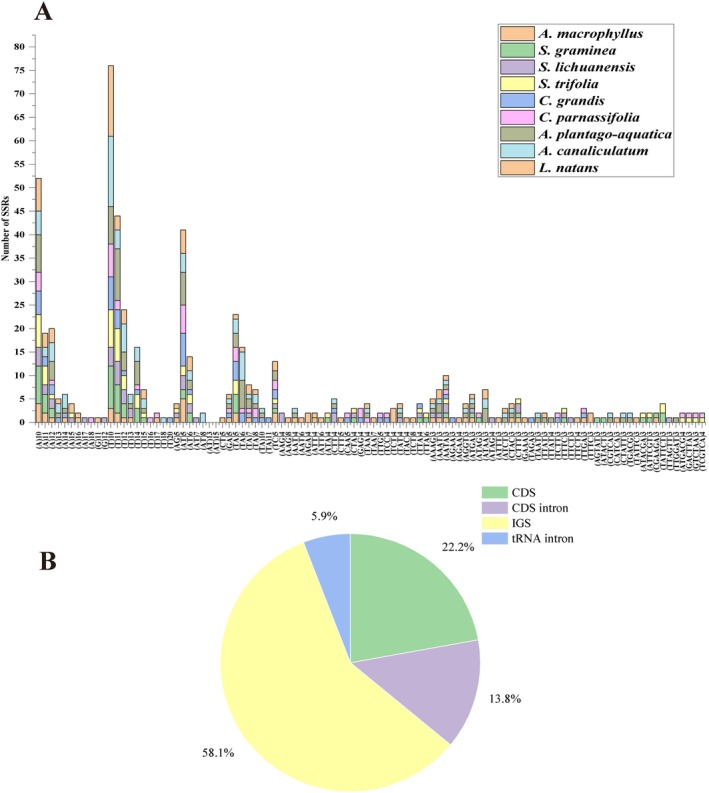 Figure 1
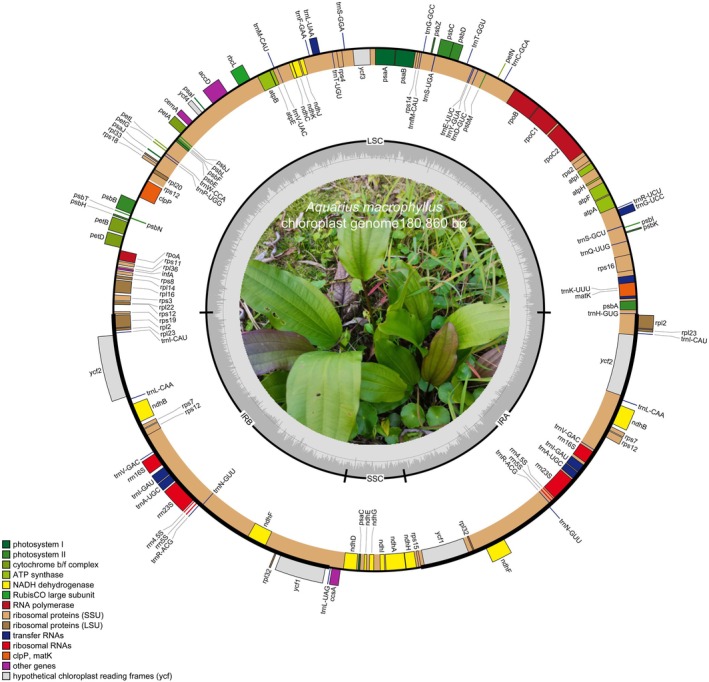 Figure 2
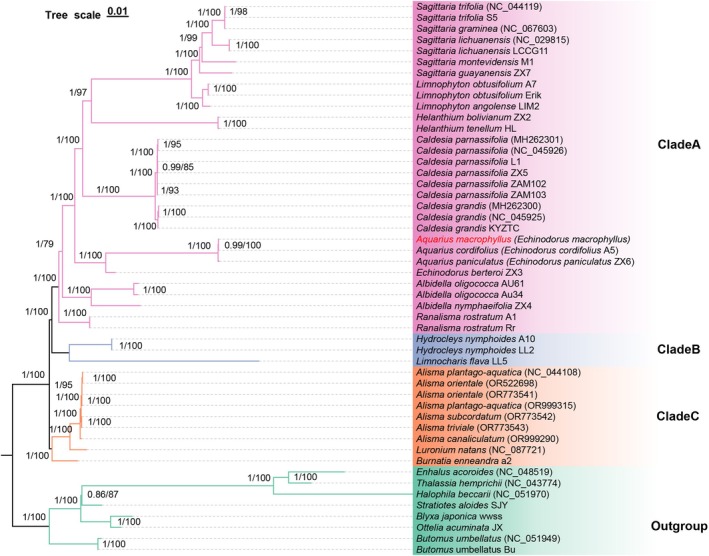 Figure 3
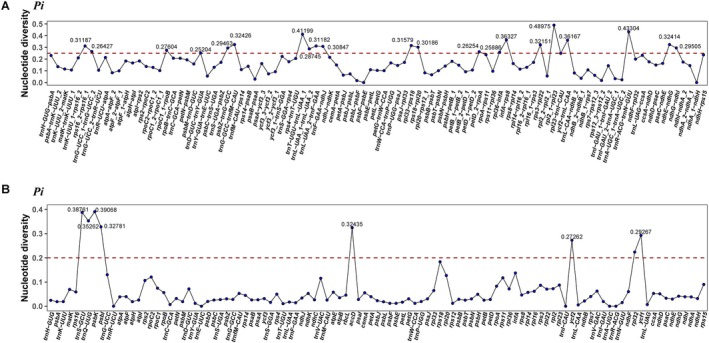 Figure 4
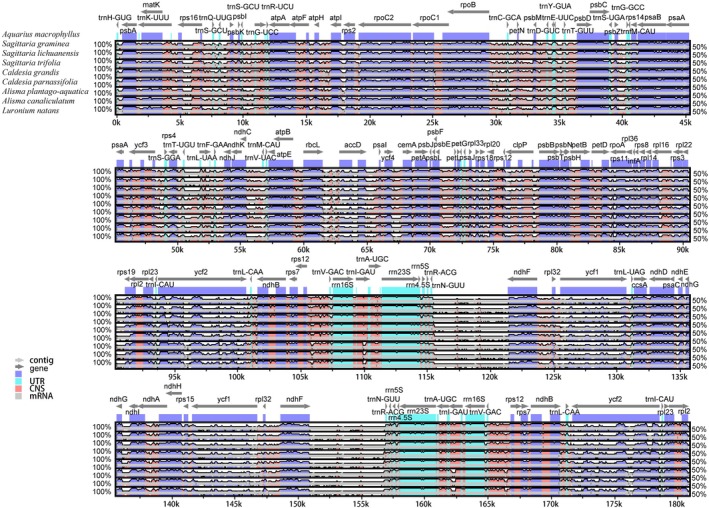 Figure 5
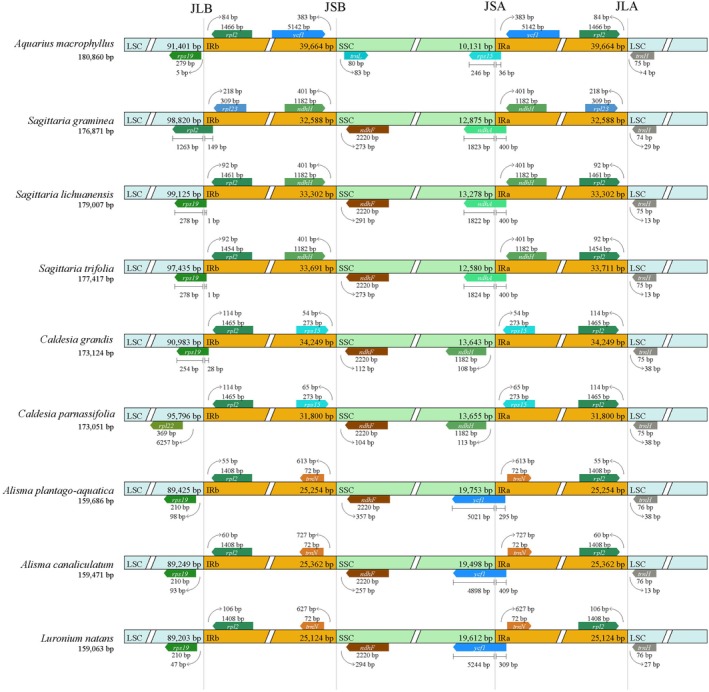 Figure 6
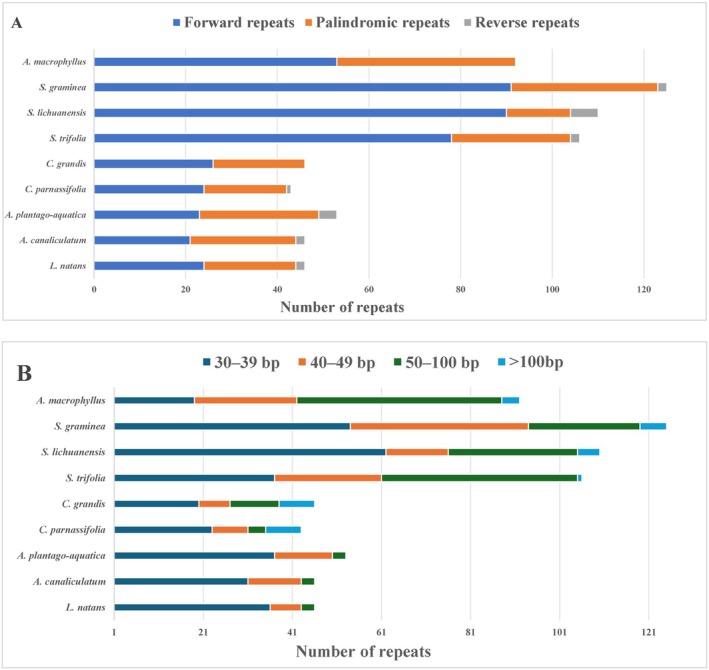 Figure 7
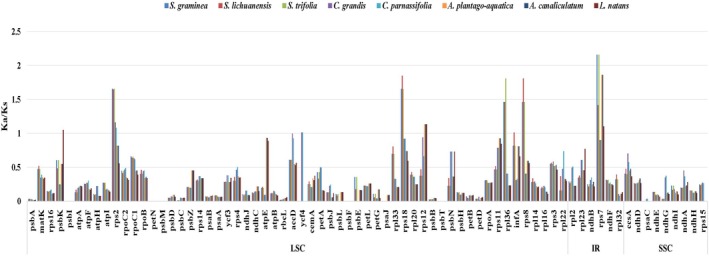 Figure 8
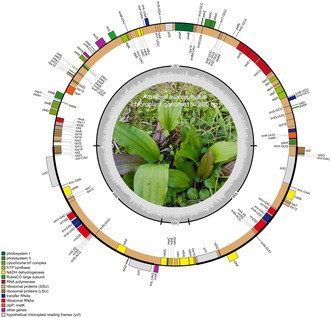 Figure 9
Peer Reviews
No public reviews on file for this paper yet. If you reviewed it on a platform where reviews are public (OpenReview, ICLR, NeurIPS, ICML), you can paste yours below so the community can read it here.
Videos
No videos yet. Explain this paper in a talk, walkthrough, or lecture? Add one.
Taxonomy
TopicsPlant and Fungal Species Descriptions · Plant Diversity and Evolution · Plant and animal studies