Road Layout in The KPZ Class
Márton Balázs, Sudeshna Bhattacharjee, Karambir Das, David Harper

TL;DR
This paper uses a mathematical model to study road layouts and traffic patterns, comparing them to known theoretical models in physics.
Contribution
The paper introduces a novel traffic model using exponential last passage percolation in the KPZ universality class.
Findings
Traffic trajectories coalescing are modeled using geodesics from last passage percolation.
Exponential LPP is shown to be suitable for modeling road networks due to its KPZ class properties.
The model's predictions align with observed characteristics of real-world road networks.
Abstract
We propose a road layout and traffic model, based on last passage percolation (LPP). An easy naïve argument shows that coalescence of traffic trajectories is essential to be considered when observing traffic networks around us. This is a fundamental feature in first passage percolation (FPP) models where nearby geodesics naturally coalesce in search of the easiest passage through the landscape. Road designers seek the same in pursuing cost savings, hence FPP geodesics are straightforward candidates to model road layouts. Unfortunately no detailed knowledge is rigorously available on FPP geodesics. To address this, we use exponential LPP instead to build a stochastic model of road traffic and prove certain characteristics thereof. Cars start from every point of the lattice and follow half-infinite geodesics in random directions. Exponential LPP is known to be in the KPZ universality…
Genes, proteins, chemicals, diseases, species, mutations and cell lines named across the full text — each resolved to its canonical identifier and authoritative record.
Click any figure to enlarge with its caption.
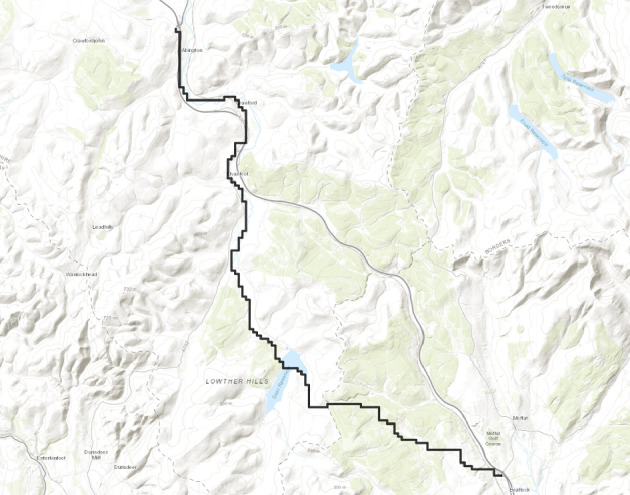 Figure 10
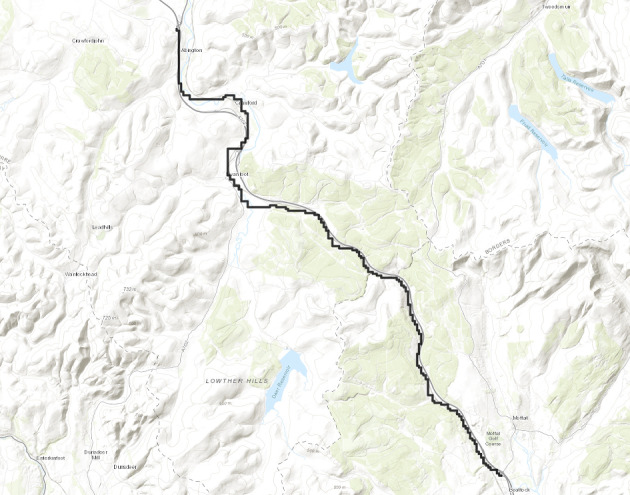 Figure 11
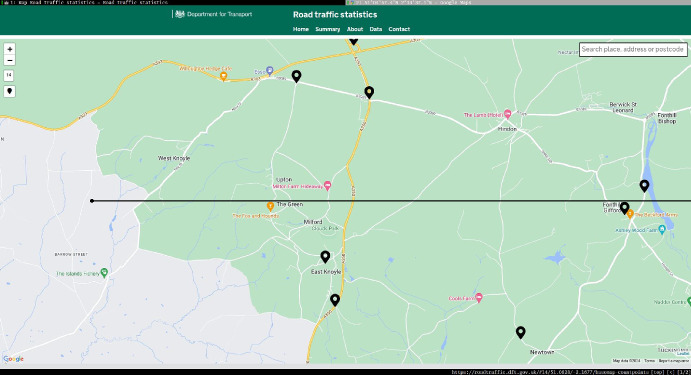 Figure 12
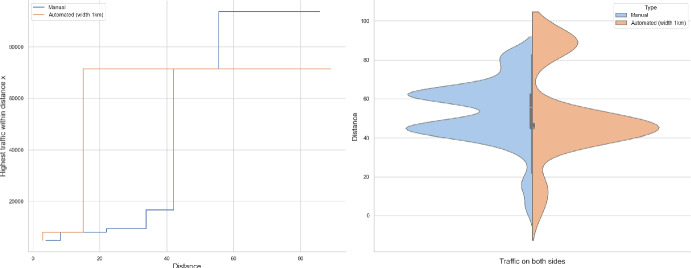 Figure 13
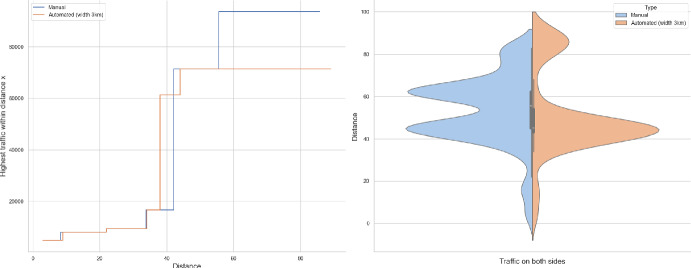 Figure 14
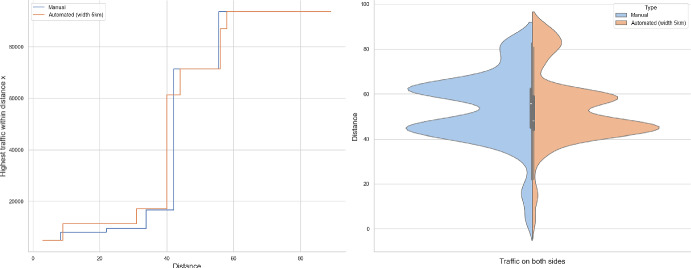 Figure 15
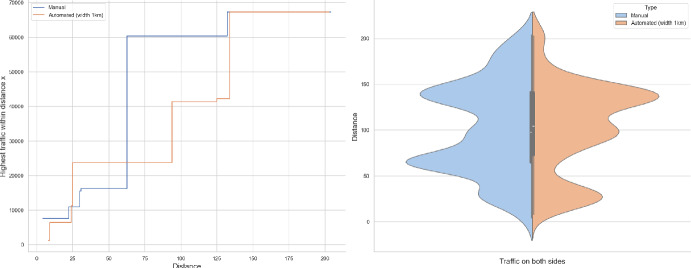 Figure 16
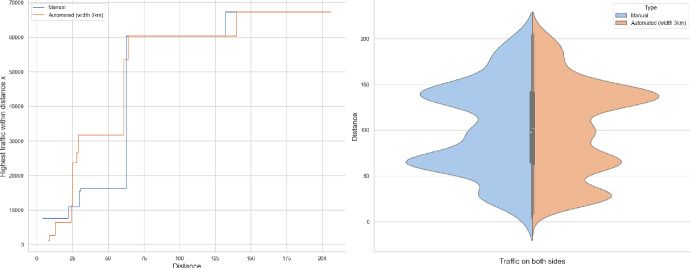 Figure 17
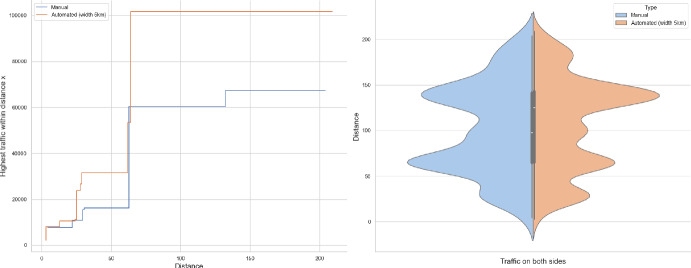 Figure 18
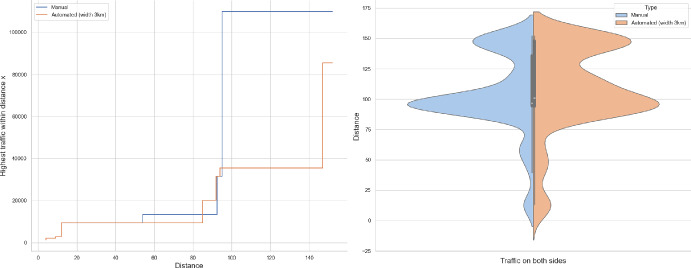 Figure 19
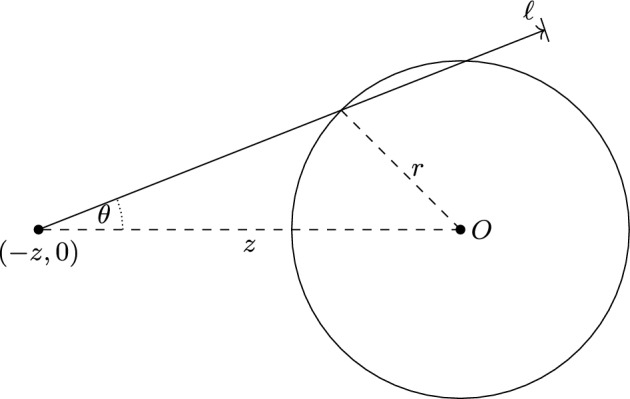 Figure 1
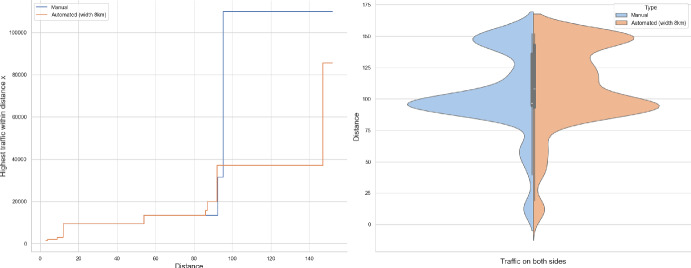 Figure 20
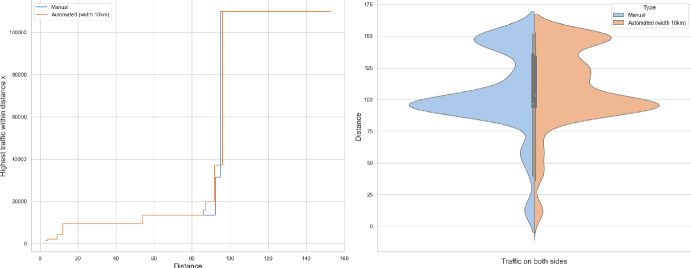 Figure 21
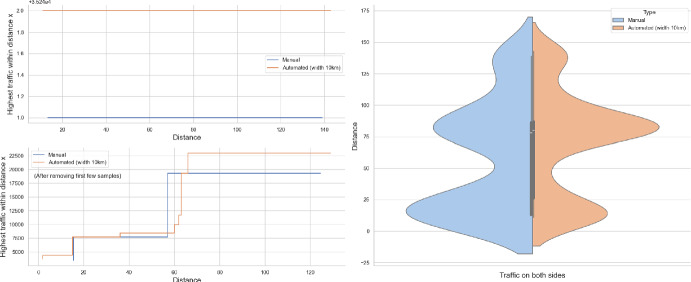 Figure 22
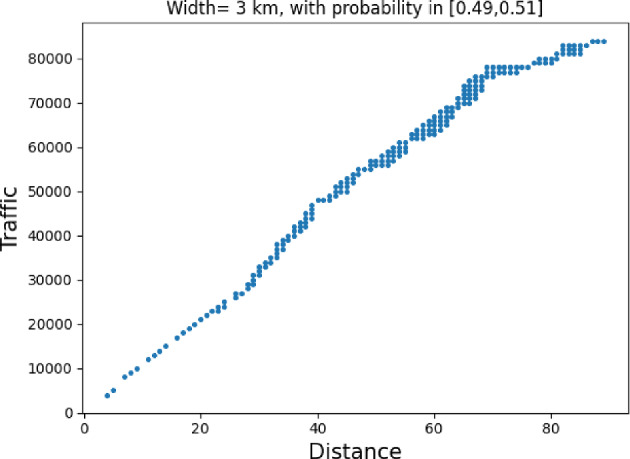 Figure 23
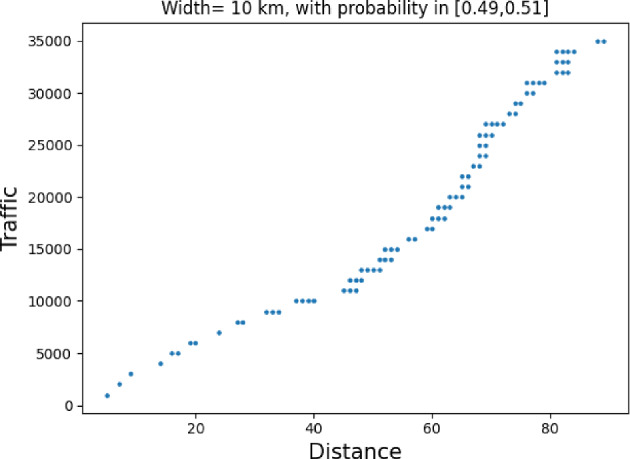 Figure 24
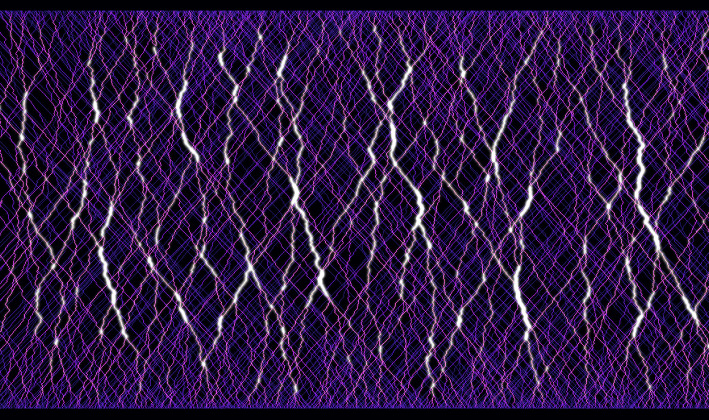 Figure 2
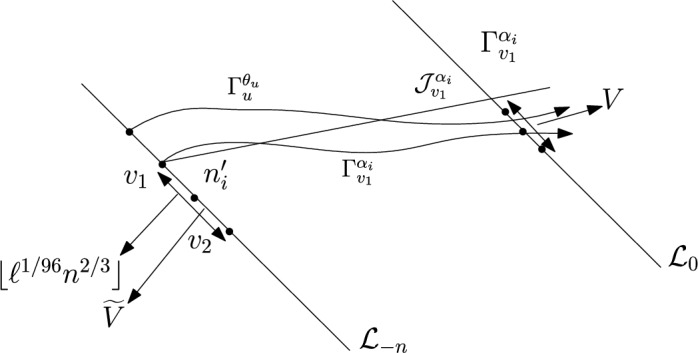 Figure 3
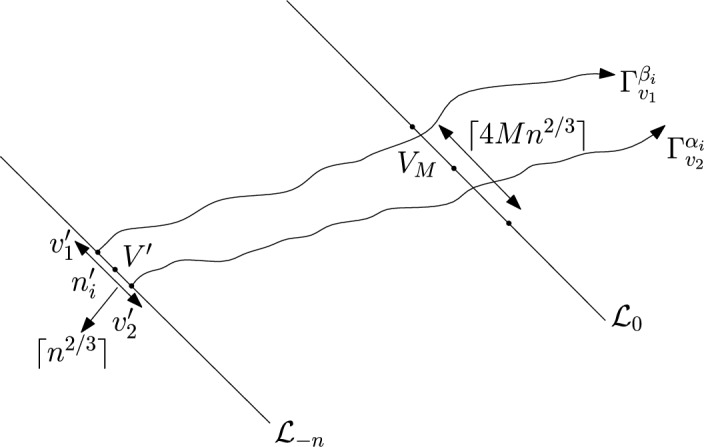 Figure 4
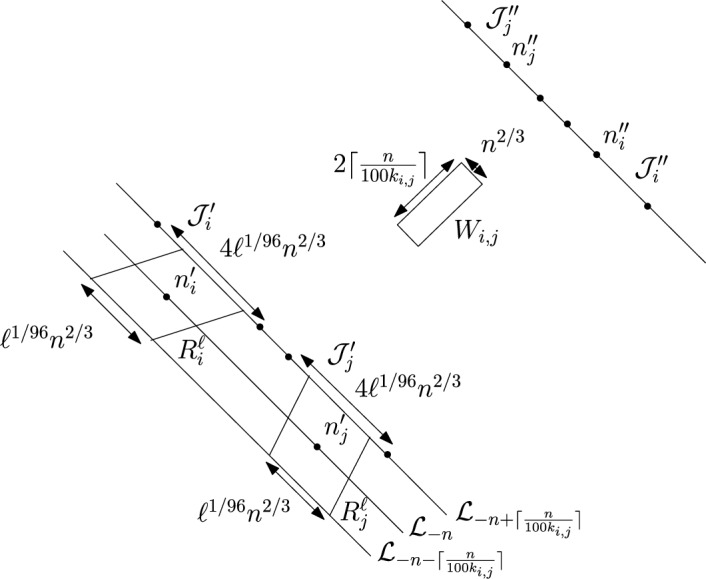 Figure 5
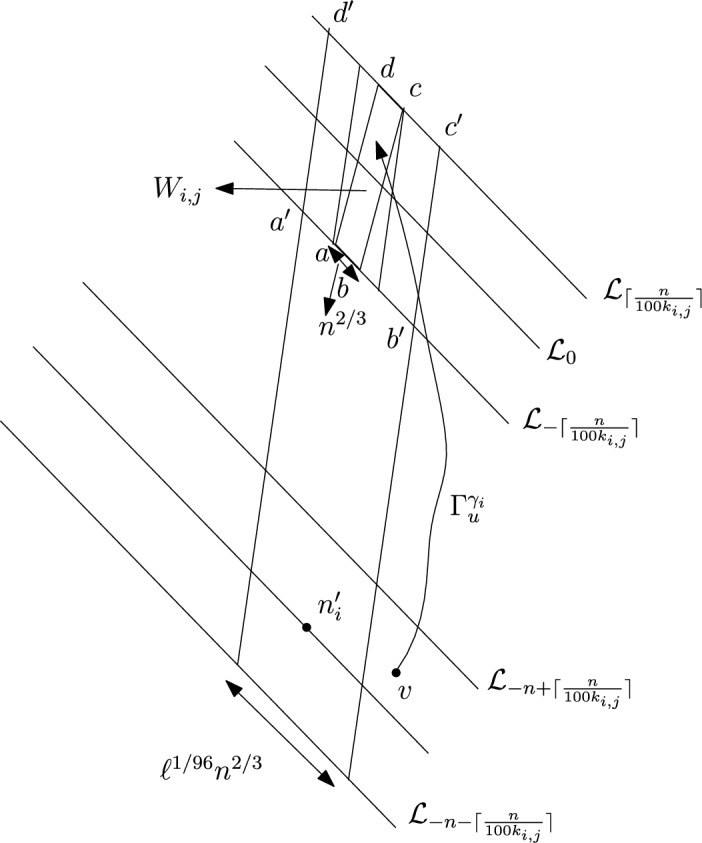 Figure 6
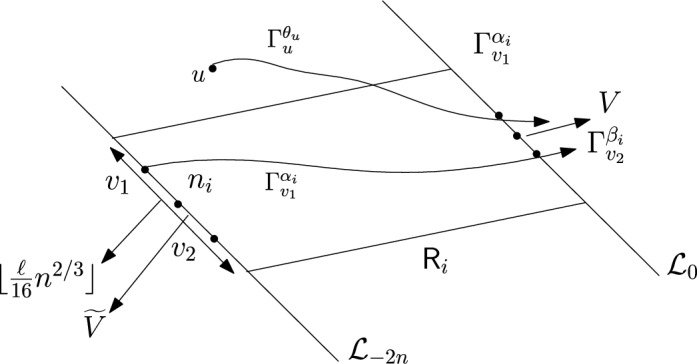 Figure 7
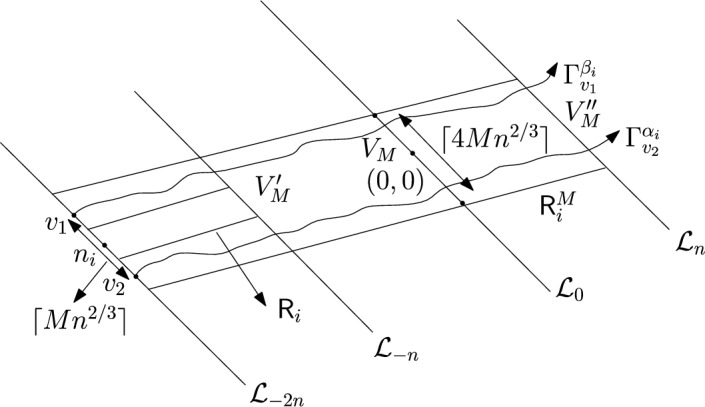 Figure 8
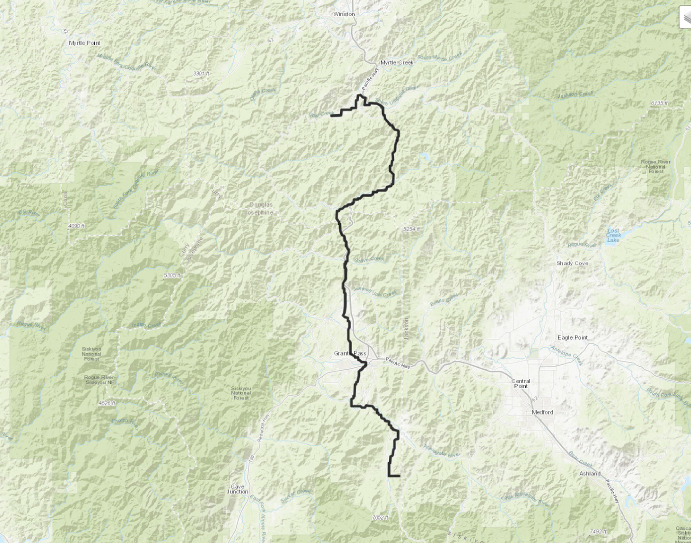 Figure 9
Peer Reviews
No public reviews on file for this paper yet. If you reviewed it on a platform where reviews are public (OpenReview, ICLR, NeurIPS, ICML), you can paste yours below so the community can read it here.
Videos
No videos yet. Explain this paper in a talk, walkthrough, or lecture? Add one.
Taxonomy
TopicsSimulation and Modeling Applications