Identification of a novel anoikis-related gene signature to predict prognosis and tumor microenvironment in intrahepatic cholangiocarcinoma carcinoma
Xuan Zhou, Bai Wei, Yan Wang, Mingjie Liu, Xiangru Guo, Yuting Duan

TL;DR
This study identifies a new gene signature linked to cell death in intrahepatic cholangiocarcinoma, helping predict patient outcomes and immune responses.
Contribution
A novel anoikis-related gene signature is developed to predict prognosis and tumor microenvironment in intrahepatic cholangiocarcinoma.
Findings
The TCGA cohort was divided into two subgroups, with subgroup B showing lower survival probability.
Three genes (EGF, BNIP3, TDGF1) were identified as prognostic markers for intrahepatic cholangiocarcinoma.
The risk model was validated in ICGC and GEO datasets and showed significant immune infiltration correlations.
Abstract
Intrahepatic cholangiocarcinoma is a malignant tumor of hepatobiliary epithelial cells. In recent years, its incidence has gradually increased. It has a very high fatality rate and low survival rate, and the existing predictive factors for intrahepatic cholangiocarcinoma are unclear. The role of anoikis, a form of programmed cell death, in intrahepatic cholangiocarcinoma is not fully understood. This study focuses on identifying and analyzing anoikis-related differentially expressed genes in intrahepatic cholangiocarcinoma, aiming to enhance our understanding of potential treatment strategies and prognosis of intrahepatic cholangiocarcinoma. In our study, we employed a clustering algorithm to classify samples from The Cancer Genome Atlas (TCGA) based on differentially expressed overlapping anoikis-related genes. Subsequently, we utilized Weighted Gene Co-expression Network Analysis…
Genes, proteins, chemicals, diseases, species, mutations and cell lines named across the full text — each resolved to its canonical identifier and authoritative record.
Click any figure to enlarge with its caption.
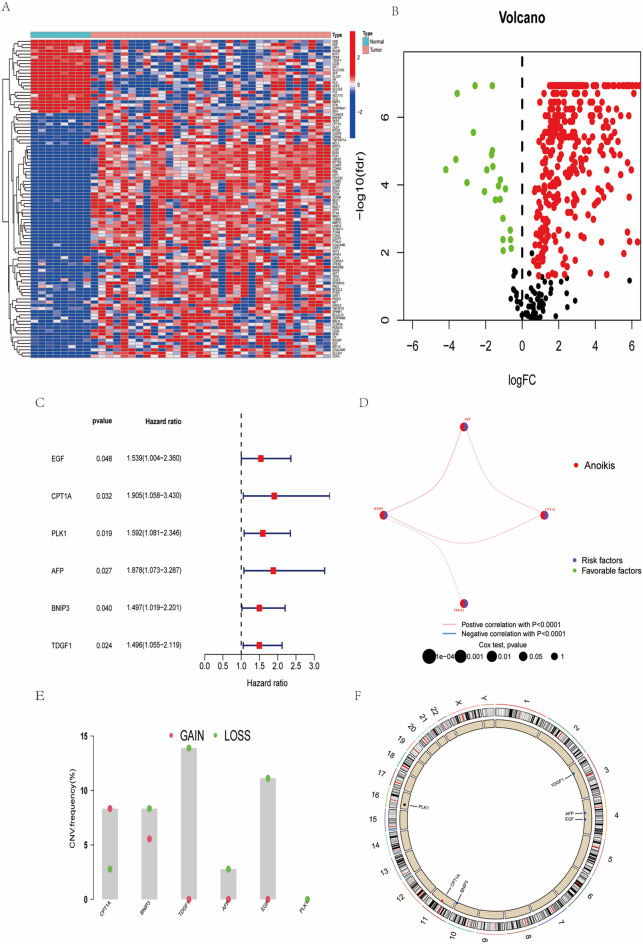 Figure 1
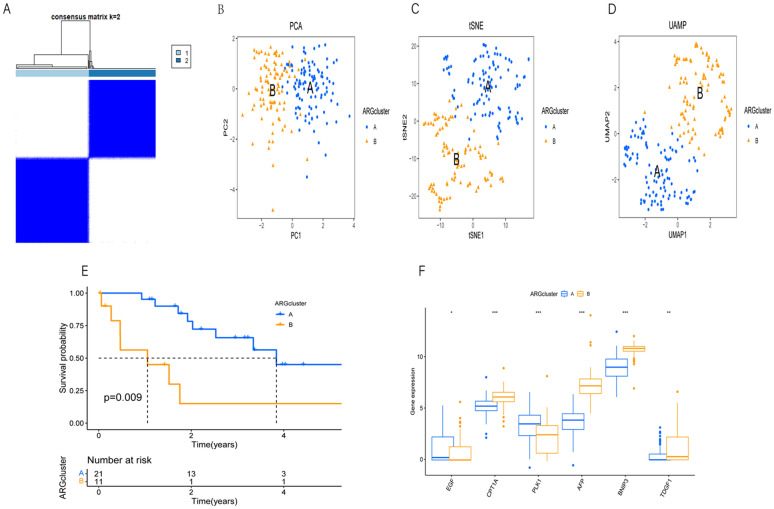 Figure 2
 Figure 3
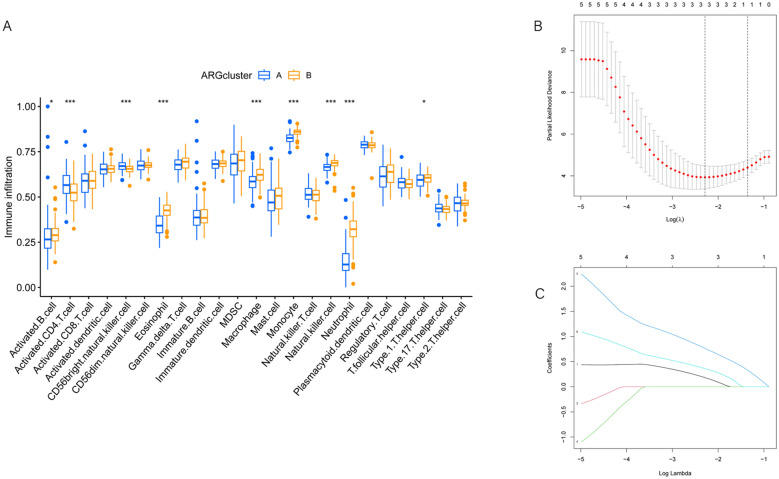 Figure 4
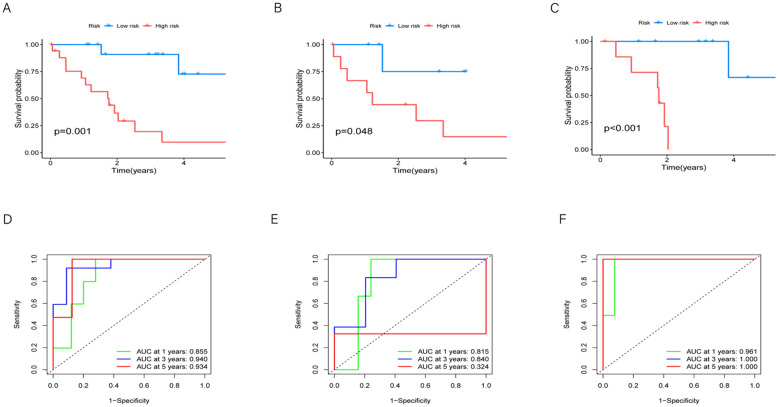 Figure 5
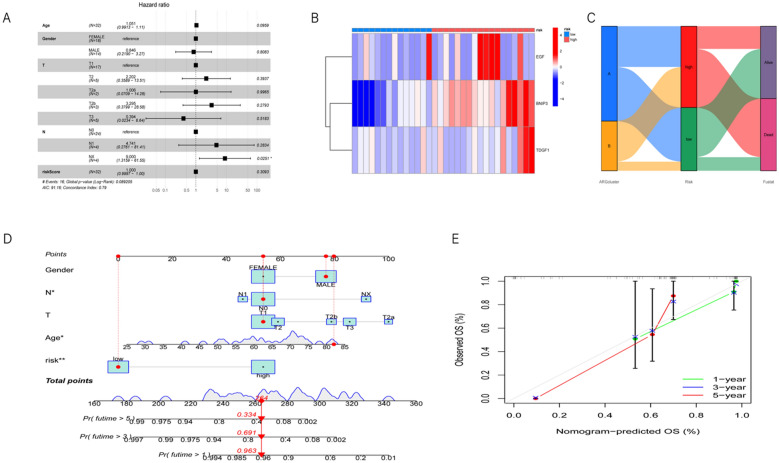 Figure 6
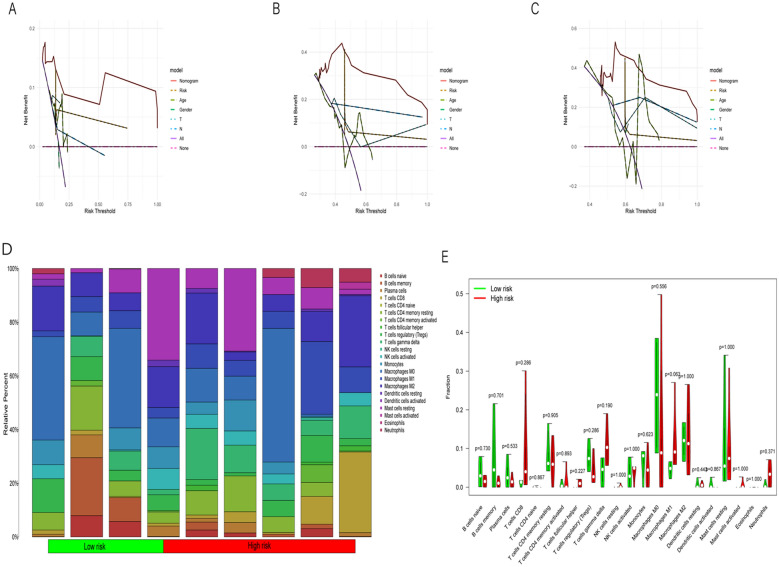 Figure 7
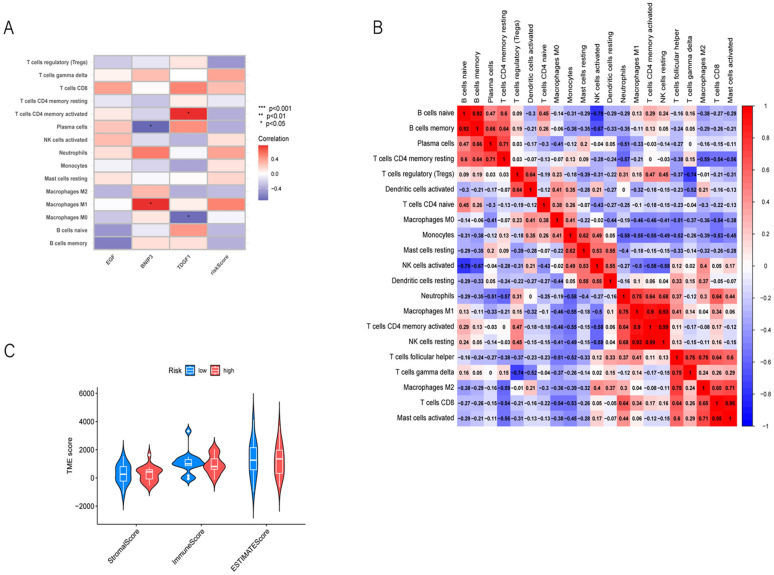 Figure 8
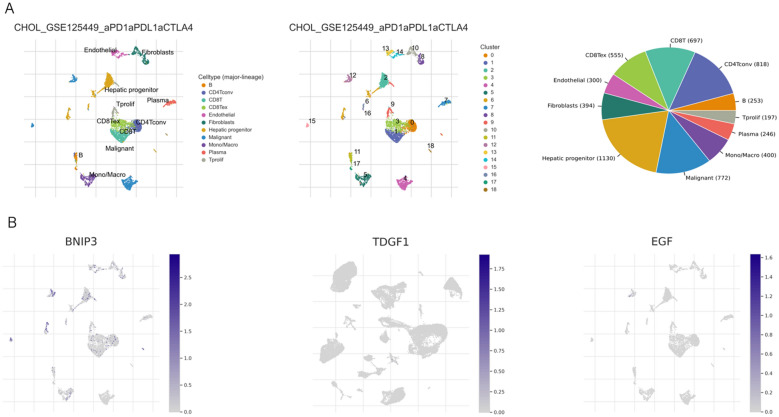 Figure 9
Peer Reviews
No public reviews on file for this paper yet. If you reviewed it on a platform where reviews are public (OpenReview, ICLR, NeurIPS, ICML), you can paste yours below so the community can read it here.
Videos
No videos yet. Explain this paper in a talk, walkthrough, or lecture? Add one.
Taxonomy
TopicsCholangiocarcinoma and Gallbladder Cancer Studies · RNA modifications and cancer · Cancer-related molecular mechanisms research