Controlled Ascent Rate Enhances Autophagy and Mitigates Acute Lung Injury in Rats Exposed to High‐Altitude Hypoxia by Inhibiting Oxidative Stress and Inflammation
Kairui Huang, Wenhui Shi, Jiajia Li, Xiaoyan Ma, Jiangwei Liu

TL;DR
Gradual ascent at high altitudes helps reduce lung damage in rats by boosting autophagy and lowering stress and inflammation.
Contribution
The study reveals that controlled ascent activates autophagy to mitigate high-altitude hypoxia-induced lung injury.
Findings
Controlled ascent reduced lung injury, oxidative stress, and inflammation in rats.
Gradual ascent increased autophagy-related protein expression in lung tissues.
The strategy shows potential as a preventive measure for high-altitude pulmonary injury.
Abstract
The gradual ascent strategy, an effective measure to prevent acute mountain sickness by enabling the body to adapt to high–altitude hypoxia, has an unclear mechanism. This study explores controlled ascent rates' effects on autophagy, oxidative stress, inflammation, and lung injury in rats exposed to high‐altitude hypoxia, hypothesizing that gradual ascent can activate autophagy, reduce oxidative stress and inflammation, and improve lung injury. 70 male Sprague‐Dawley rats are divided into seven groups, including a normal control group and high‐altitude hypoxia for 24, 72, and 120 h, with or without controlled ascent rates. Lung tissues are analyzed for the wet‐to‐dry weight ratio, histopathology, inflammatory cytokines, oxidative stress markers, and autophagy‐related protein expression. Results show that controlled ascent rates reduced lung injury, oxidative stress, and inflammation in…
Genes, proteins, chemicals, diseases, species, mutations and cell lines named across the full text — each resolved to its canonical identifier and authoritative record.
Click any figure to enlarge with its caption.
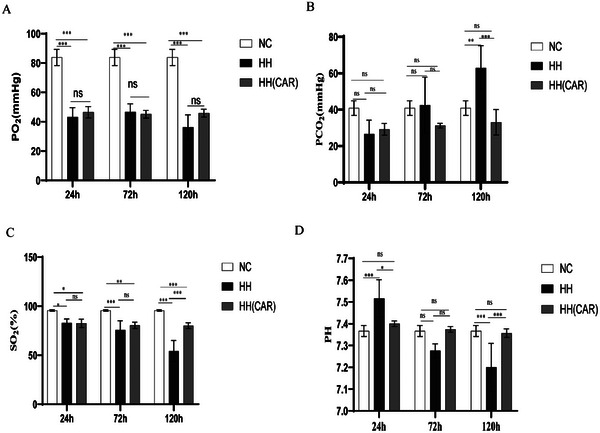 Figure 1
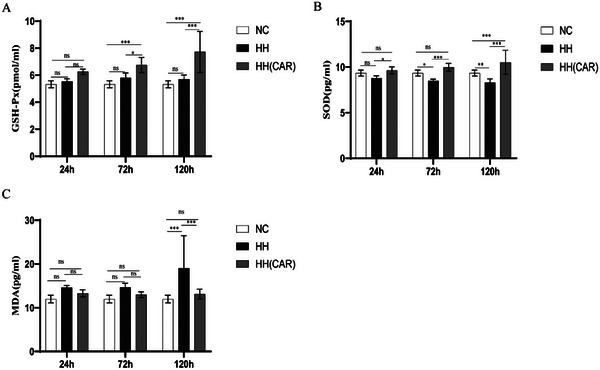 Figure 2
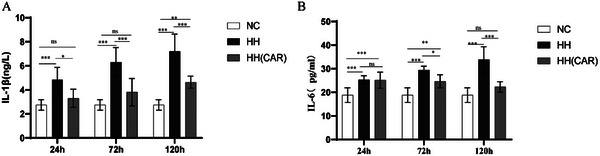 Figure 3
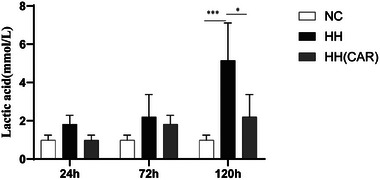 Figure 4
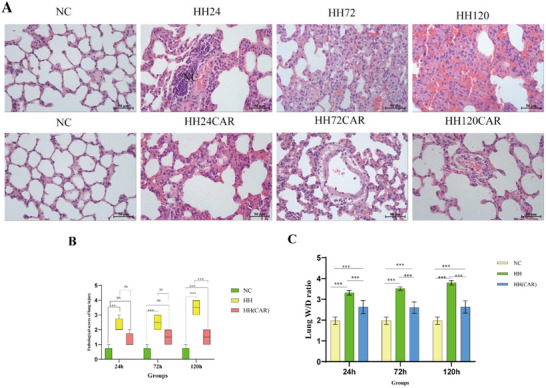 Figure 5
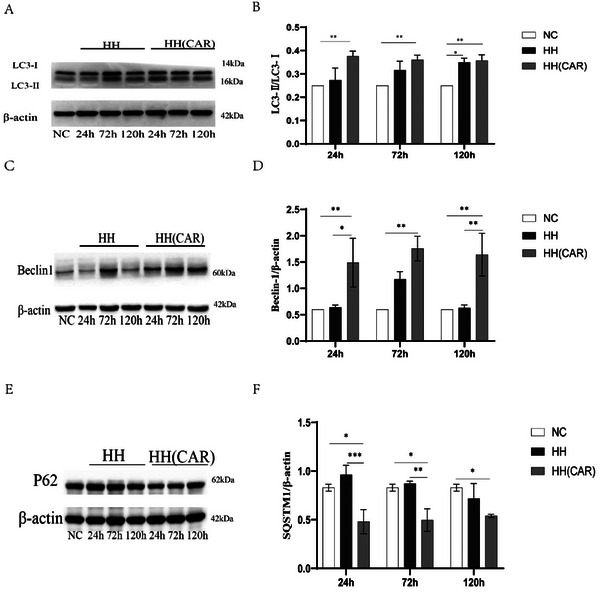 Figure 6
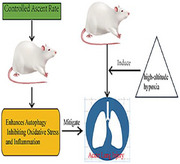 Figure 7
Peer Reviews
No public reviews on file for this paper yet. If you reviewed it on a platform where reviews are public (OpenReview, ICLR, NeurIPS, ICML), you can paste yours below so the community can read it here.
Videos
No videos yet. Explain this paper in a talk, walkthrough, or lecture? Add one.
Taxonomy
TopicsHigh Altitude and Hypoxia · Neuroscience of respiration and sleep · Spinal Cord Injury Research