Autophagy crosstalk with the immune microenvironment in chronic myeloid leukemia and serves as a biomarker for diagnosis and progression
Fangmin Zhong, Fangyi Yao, Jing Liu, Qun Fang, Xiajing Yu, Bo Huang, Xiaozhong Wang

TL;DR
This study explores how autophagy in chronic myeloid leukemia affects the immune system and could serve as a biomarker for diagnosis and disease progression.
Contribution
The study identifies autophagy-related genes as potential diagnostic biomarkers and explores their role in immune interactions in CML.
Findings
CML samples show significantly lower autophagy scores and downregulated autophagy-related genes compared to normal samples.
High autophagy scores correlate with increased regulatory T-cell infiltration and cytokine signaling, while low scores are linked to γδT cell infiltration and treatment resistance.
Three autophagy-related genes (FOXO1, TUSC1, ATG4A) were identified as effective diagnostic markers for CML and other hematological malignancies.
Abstract
Previous studies have shown that autophagy is closely related to the occurrence, development, and treatment resistance of chronic myeloid leukemia (CML) and has dual roles in promoting cell survival and inducing cell death. We analyzed autophagy levels in CML samples via transcriptome data and evaluated the relationships between autophagy and the immune microenvironment, treatment response, and disease progression. A consensus clustering algorithm was used to identify autophagy-related molecular subtypes. The value of autophagy-related genes (ARGs) in diagnosis and treatment evaluation was analyzed and verified by a variety of machine learning algorithms. Compared with normal samples, CML samples had significantly lower autophagy scores and more downregulated ARGs. The autophagy score was positively correlated with the activity of immune and signal transduction-related pathways and…
Genes, proteins, chemicals, diseases, species, mutations and cell lines named across the full text — each resolved to its canonical identifier and authoritative record.
Click any figure to enlarge with its caption.
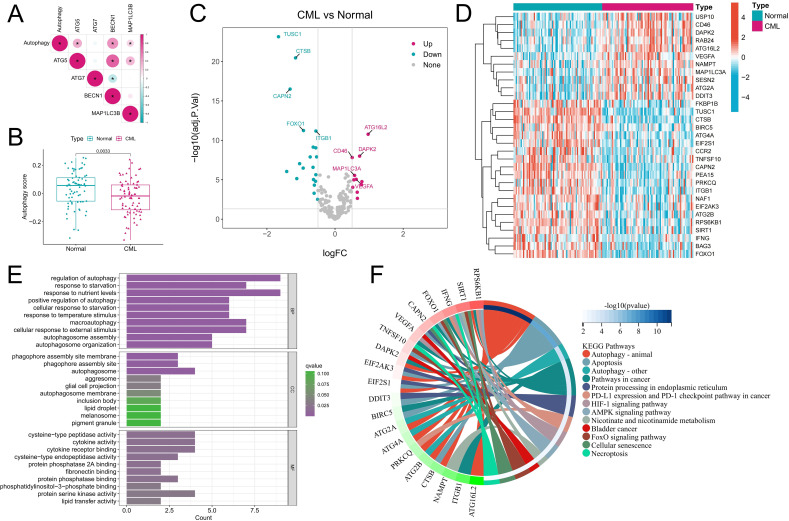 Figure 1
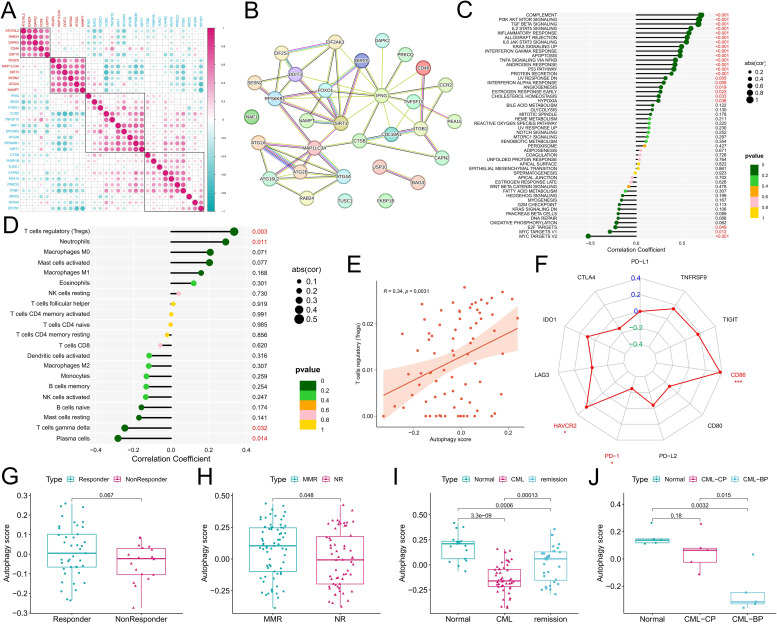 Figure 2
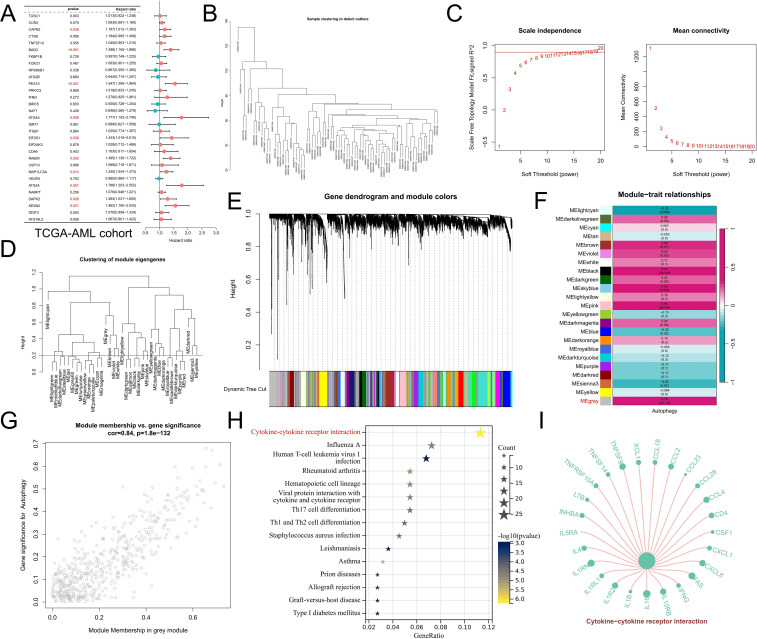 Figure 3
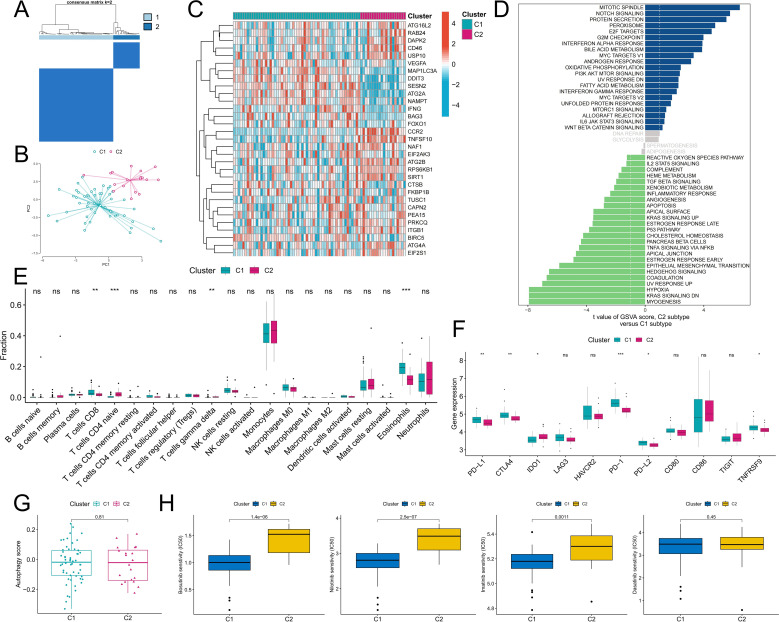 Figure 4
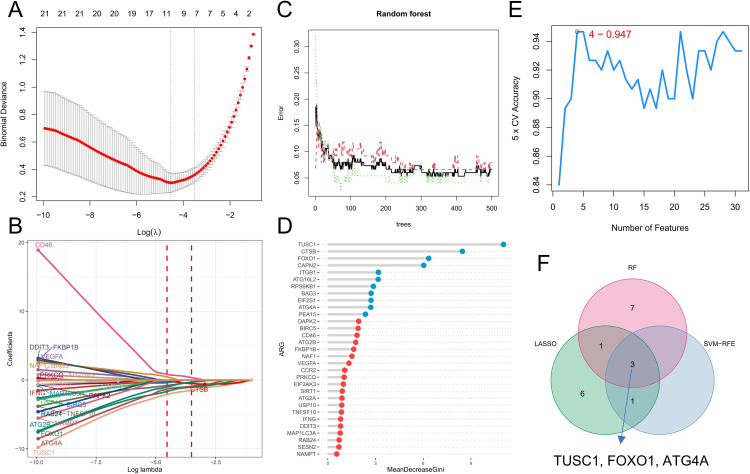 Figure 5
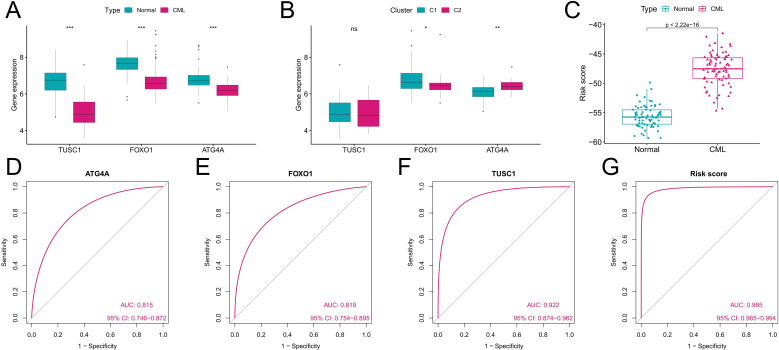 Figure 6
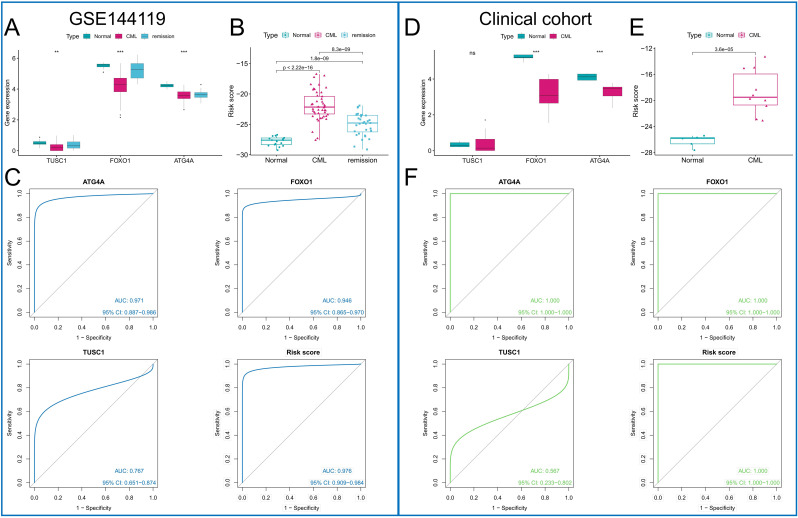 Figure 7
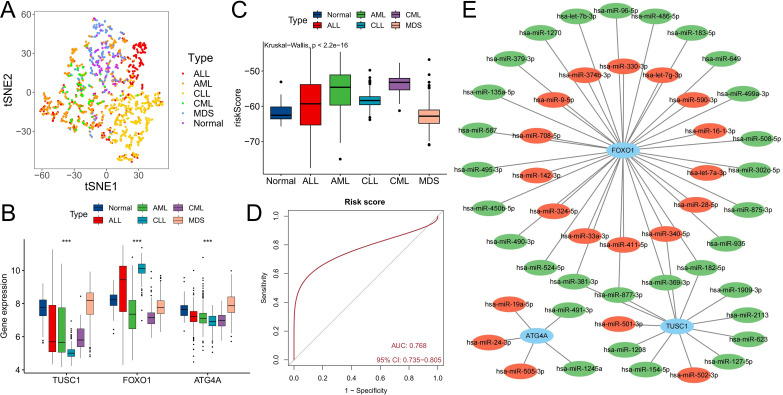 Figure 8
Peer Reviews
No public reviews on file for this paper yet. If you reviewed it on a platform where reviews are public (OpenReview, ICLR, NeurIPS, ICML), you can paste yours below so the community can read it here.
Videos
No videos yet. Explain this paper in a talk, walkthrough, or lecture? Add one.
Taxonomy
TopicsChronic Myeloid Leukemia Treatments · Acute Myeloid Leukemia Research · Chronic Lymphocytic Leukemia Research