Development of Computed Echo Tomography—An Imaging Breakthrough Addressing the Limitations of Conventional Ultrasound: A Baseline Imaging Analysis for Traumatic Injuries
John Cheronis, Michael Cronan, Dare Nwaka, Matthew Bradley, Paul K. Carlton, Rosemary Kozar, John McGahan, Melissa Myers, Elizabeth Powell, David Specht

TL;DR
Computed echo tomography (CET) is a new ultrasound technique that improves whole-body imaging in trauma by overcoming limitations caused by bone and other obstructions.
Contribution
CET provides detailed imaging of previously obstructed areas like the brain and extremities, enabling better trauma diagnosis in austere environments.
Findings
59 out of 65 views (90.8%) were adequate for clinical decision making.
CET eliminated rib shadows and bone artifacts, allowing clear imaging of thoracic and abdominal organs.
Extremity imaging with CET revealed detailed views of bone cortex and medullary cavity.
Abstract
The diagnosis and triage of trauma in austere environments using ultrasound can be severely limited by bone and other obstructions, particularly when dealing with intracranial, spinal, thoracic, and long bone injuries. A novel form of ultrasound, computed echo tomography (CET), may provide for more complete “whole body” imaging capability, thereby significantly improving patient management. To document and assess the imaging capabilities of the recently Food and Drug Administration-cleared CET system (MAUI Imaging K3900), we conducted 3 whole-body imaging sessions using 6 normal volunteers. Sixty-five predefined views of 4 different anatomic regions were obtained at each session. Images were scored by 5 clinicians experienced in trauma/general surgery, emergency medicine, and/or interventional radiology using the American College of Emergency Physicians diagnostic image quality scoring…
Genes, proteins, chemicals, diseases, species, mutations and cell lines named across the full text — each resolved to its canonical identifier and authoritative record.
Click any figure to enlarge with its caption.
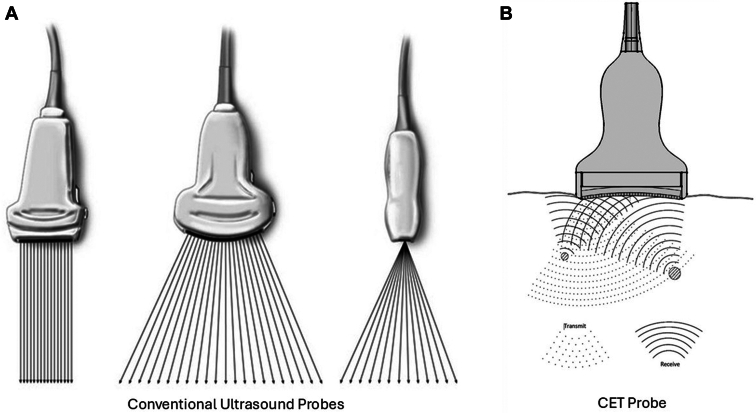 Figure 1
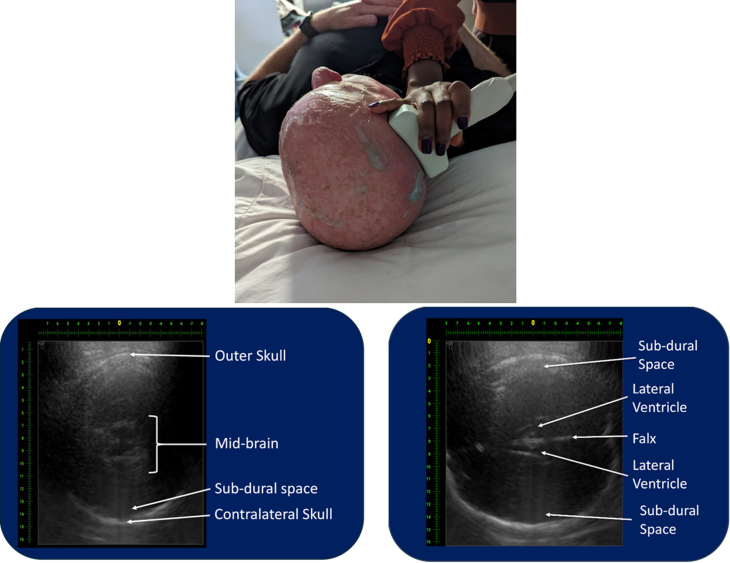 Figure 2
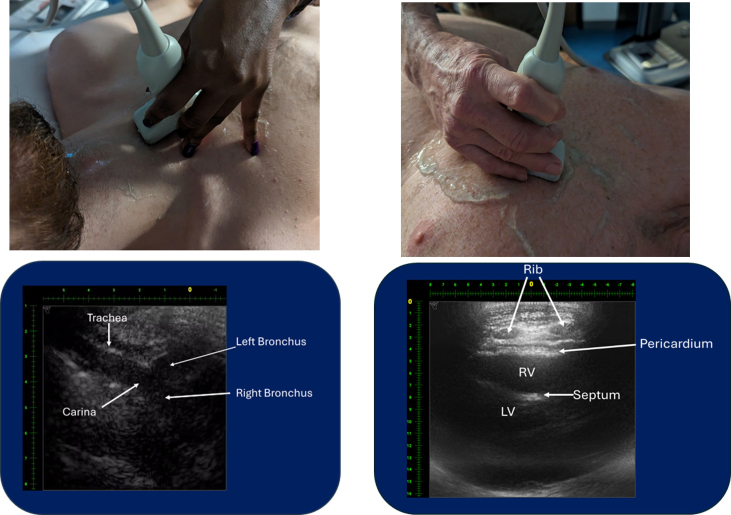 Figure 3
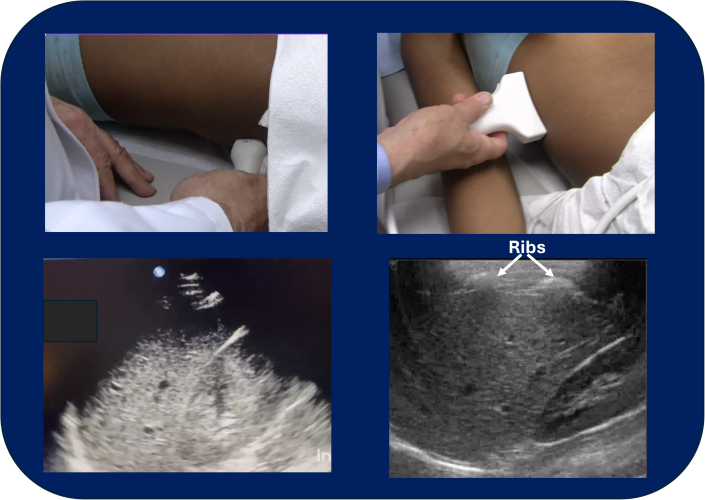 Figure 4
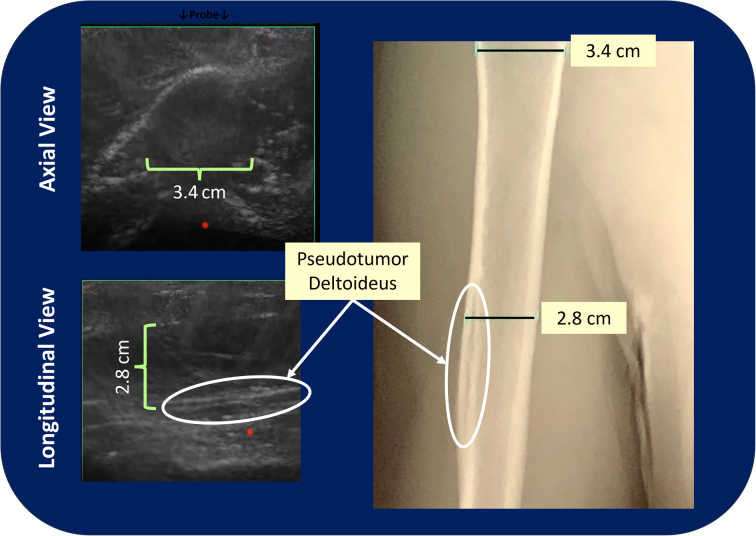 Figure 5
Peer Reviews
No public reviews on file for this paper yet. If you reviewed it on a platform where reviews are public (OpenReview, ICLR, NeurIPS, ICML), you can paste yours below so the community can read it here.
Videos
No videos yet. Explain this paper in a talk, walkthrough, or lecture? Add one.
Taxonomy
TopicsUltrasound in Clinical Applications · Radiation Dose and Imaging · Trauma and Emergency Care Studies