Comprehensive genome data analysis of Pseudomonas benzopyrenica Ch9-16 Isolated from chili powder
Mayra Paola Mena Navarro, Merle Ariadna Espinosa Bernal, Ana Laura Vega Rodríguez, Daniel Alejandro Ferrusca Bernal, Juan Enrique de Jesús López, María Carlota García Gutiérrez, Karla Isabel Lira de León, Miguel Angel Ramos López, Aldo Amaro Reyes, José Alberto Rodríguez Morales

TL;DR
This paper presents the genome analysis of Pseudomonas benzopyrenica Ch9–16, a bacterium found in chili powder from Mexico, revealing antibiotic resistance and virulence genes.
Contribution
The study provides the first comprehensive genome data for Pseudomonas benzopyrenica Ch9–16, including antibiotic resistance and virulence gene identification.
Findings
The genome consists of 18 contigs, 5.3 million base pairs, and a 65.19% GC content.
Multiple antibiotic resistance and virulence genes were identified in the genome.
The genome data is publicly available for research and microbial database expansion.
Abstract
We provide a comprehensive genome analysis of Pseudomonas benzopyrenica Ch9–16, a bacterial strain isolated from chili powder processed in Fresnillo, Zacatecas, Mexico. The genome was sequenced using the Illumina NovaSeq platform. Bioinformatic analyses, including assembly and annotation, were conducted on the BV-BRC platform. The genome, comprising 18 contigs and approximately 5.3 million base pairs with a GC content of 65.19 % and 4854 protein-coding sequences. Analysis identified multiple antibiotic resistance genes (ARGs) and virulence genes. This genome data serves as a valuable resource for understanding this bacterial specie and contributes to the database of microorganisms isolated from chili powder. The genome data was deposited at National Center for Biotechnology Information (NCBI) under accession number Bioproject ID PRJNA1062060, Bio Sample ID SAMN45486407. The genome…
Genes, proteins, chemicals, diseases, species, mutations and cell lines named across the full text — each resolved to its canonical identifier and authoritative record.
Click any figure to enlarge with its caption.
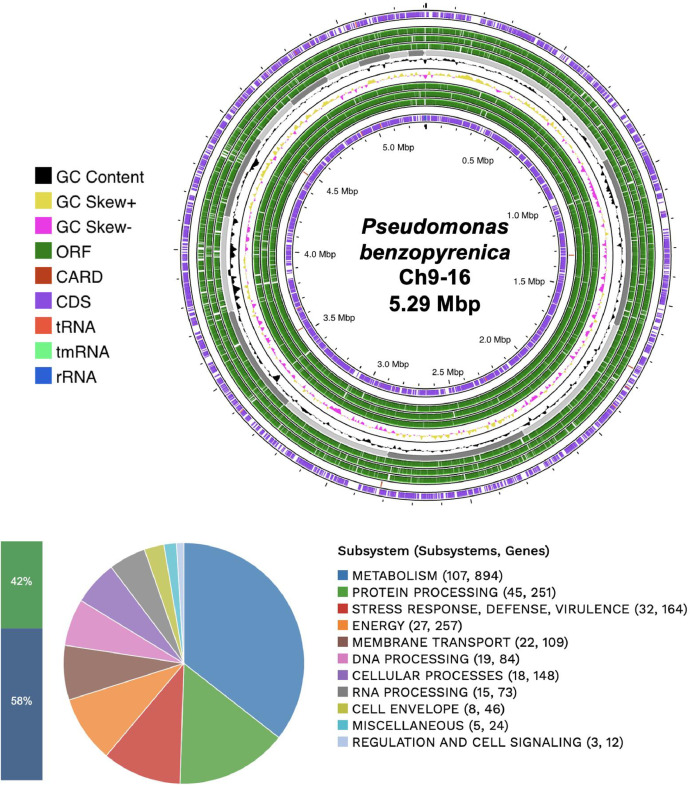 Figure 1
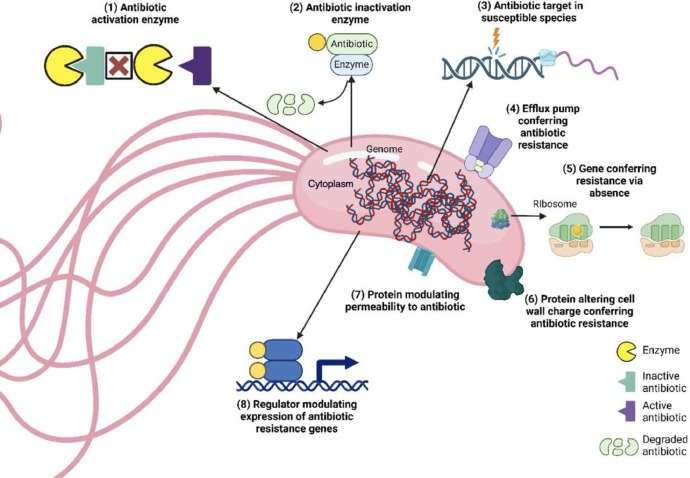 Figure 2
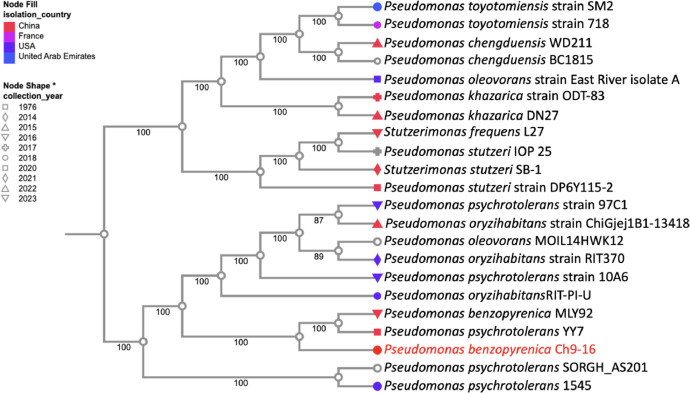 Figure 3
Peer Reviews
No public reviews on file for this paper yet. If you reviewed it on a platform where reviews are public (OpenReview, ICLR, NeurIPS, ICML), you can paste yours below so the community can read it here.
Videos
No videos yet. Explain this paper in a talk, walkthrough, or lecture? Add one.
Taxonomy
TopicsPlant-Microbe Interactions and Immunity · Plant Pathogenic Bacteria Studies · Genomics and Phylogenetic Studies
Specifications TableSubjectBiological sciencesSpecific subject areaMicrobiology, Genomics, BioinformaticsData formatRaw, Filtered and analyzedType of dataComplete genome sequence in FASTA formatTable(s)Figure(s)Data collectionPseudomonas benzopyrenica Ch9–16 was isolated using MacConkey agar selective medium from chili powder processed at Fresnillo, Zacatecas, México. ZymoBIOMICS™DNA Miniprep Kit was used during DNA purification and sequenced with Illumina NovaSeq platform. For the bioinformatics analyses, the BV-BRC platform was used for adapter trimming, quality filtering, genome assembly, genome annotation, and phylogenetic tree construction; the Porksee platform was employed for the genome map, and the JSpeciesWS platform was used to assess species similarity via ANI. The AMR phenotype analysis revealed resistance to: ampicillin, cephalothin, cefotaxime, dicloxacillin, gentamicin, erythromycin, sulfamethoxazole/trimethoprim, penicillin, vancomycin, tetracycline, carbenicillin, chloramphenicol, and nitrofurantoin.Data source locationInstitution: Universidad Autónoma de QuerétaroCity/Town/Region: Querétaro, Qro.Country: MéxicoGPS coordinates: 20°35′28″N 100°24′36″OData accessibilityThe assembly data is deposited in a public repository, and the analysed data are presented in this report.Repository name: Pseudomonas benzopyrenica Ch9–16 chromosome deposited in NCBI. Data identification number: JBLHDL000000000, Bio Project: PRJNA1062060, Bio Sample: SAMN45486407Direct URL to data:https://www.ncbi.nlm.nih.gov/nuccore/JBLHDL000000000https://www.ncbi.nlm.nih.gov/biosample/45486407https://www.ncbi.nlm.nih.gov/bioproject/1062060
Value of the Data
1
- •The complete genome sequence of P. benzopyrenica Ch9–16 could serve as a valuable resource for comparative genome studies with other environmental Pseudomonas species related.
- •This data is valuable to chili powder producers due to offers insights into the genome of a bacterial isolate present in this foodstuff.
- •The genome data is a valuable resource to comparative studies of virulence and antibiotic resistance genes with similar bacterial species, and its potential spread to other bacterial species.
- •This data is useful during evaluation of microbial safety in chili powder.
Background
2
Pseudomonas benzopyrenica was proposed as a novel species within the genus Pseudomonas in 2023 [1]. The type strain BaP3 isolated from soil samples was highly efficient at degrading benzo(a)pyrene, a chemical class of polycyclic aromatic hydrocarbons considered pollutants and as mutagenic compounds [2]. Other related strain MLY92 was recovered from the leaf veins of a diseased tobacco plant [3]. Recently a bacteriome analysis on Mexican chili powder revealed a high diversity, with presence of beneficial and pathogenic microorganisms with presence of important antibiotic resistance genes [4]. In this respect, it is imperative to know whether bacteria isolated from chili powder have potential functions to be characterized. Therefore, analyzing genome sequencing data of bacterial strains isolated from chili powder can be essential to understand potential metabolic pathways, virulence and antibiotic resistance genes. Currently, there is few available genomic information of microorganisms isolated from chili powder. In this study, we present the genome analysis of Pseudomonas benzopyrenica Ch9–16 to provide valuable information and contribute to the knowledge of this bacterial specie.
Data Description
3
P. benzopyrenica Ch9–16 was isolated from chili powder sample elaborated in Fresnillo, Zacatecas, Mexico. Table 1 provides a summary of the genomic characteristics of P. benzopyrenica Ch9–16 obtained in BV-BRC platform [5]. The genome of the bacterium P. benzopyrenica Ch9–16 was submitted to the PATRIC Comprehensive Genome Analysis Service. According to the complete genome analysis of P. benzopyrenica Ch9–16, it contains 18 contigs with an estimated length of 5292,684 bp and an average guanine-cytosine content of 65.19 %. The N50 length, which is defined as the shortest sequence length at 50 % of the genome, is 516,804 bp. The CheckM Completeness is 95.1 % and CheckM Contamination is 4.5 %. Additionally, the genome was annotated using the RAST tool (Rapid Annotation using Subsystem Technology), and a unique genome identifier number, 237,610.49, was assigned to it. Based on the data provided by RASTtk, the genome comprises 4854 protein-coding sequences (CDS), 59 transfer RNA (tRNA) genes, and 3 ribosomal RNA (rRNA) genes. Virulence factors, antibiotic resistance genes, transporter genes, and drug target genes are detailed for each source. Additionally, the distribution of subsystems is described, representing key biological and metabolic processes (Fig. 1).Table 1. Genomic description of P. benzopyrenica Ch9–16.Table 1. CharacteristicsSourceTotalGenome LengthPATRIC5292,684 bpNumber of contigsPATRIC18Number of proteins characterizedPATRIC3695Number of putative/hypothetical proteinsPATRIC1159Number of rRNA genesPATRIC3Number of tRNA genesPATRIC59Number of proteins with pathway annotationKEGG878G + C %PATRIC65.19 %N50 contig size (bp)PATRIC516,804Virulence factorsVictors17Virulence factorsVFDB20Virulence factorsPATRIC_VF1Antibiotic resistance genesCARD4Antibiotic resistance genesPATRIC50Transporter genesTCDB30Drug target genesDrugBank15Drug target genesTTD4Fig. 1Circular genomic map and subsystems information for P. benzopyrenica Ch9–16**.** From the outermost layer to the center, the map includes assembled contigs, ORFs, CDS on the forward strand, CDS on the reverse strand, RNA genes, CDS similar to known antibiotic resistance genes, CDS similar to virulence factors, GC content, and GC skew. The distribution of subsystems is illustrated in the figure below. Subsystem coverage shows that 42 % corresponds to a total of 2062 genes, while 58 % represents genes not assigned to subsystems, totaling 2881 genes.Fig 1
Fig. 2 presents the predicted antibiotic resistance genes identified through data source analysis, categorized into eight mechanisms of action. The mechanisms are as follows: (1) Antibiotic activation enzyme, represented by the katG gene; (2) Antibiotic inactivation enzyme, represented by the PDC family; (3) Antibiotic target modification in susceptible species, represented by alr, ddl, dxr, ef-G, ef-Tu, folA, dfr, folP, gyrA, gyrB, inhA, fabI, isotRNA, kasA, murA, rho, rpoB, rpoC, s10p, and s12p genes; (4) Efflux pumps conferring antibiotic resistance, represented by emrAB-OMF, emrAB-TolC, mdtABC—OMF, mdtABC-TolC, mexAB-OprM, mexEF-OprN, mexEF-OprN system, and triABC-opmH genes; (5) Genes conferring resistance through absence, represented by the gidB gene; (6) Proteins altering cell wall charge to confer resistance, represented by gdpD and pgsA genes; (7) Proteins modulating permeability to antibiotics, represented by occD1/OprD, occD3/OpdP, occD7/OpdB, occK11/OpdR, oprB, oprD family, and oprF genes; and (8) Regulators modulating the expression of antibiotic resistance genes, represented by the oxyR gene*.*Fig. 2. Mechanisms of antibiotic resistance predicted in P. benzopyrenica Ch9–16. (1) antibiotic activation enzyme, (2) antibiotic inactivation enzyme, (3) antibiotic target in susceptible species, (4) efflux pump conferring antibiotic resistance, (5) gene conferring resistance via absence, (6) protein altering cell wall charge conferring antibiotic resistance, (7) protein modulating permeability to antibiotic and (8) regulator modulating expression of antibiotic resistance genes. Created using Biorender under an academic license.Fig 2
Based on the bacterial virulence factors (VDFB) source, the virulence-related genes are shown in the Table 2.Table 2. Predicted virulence-related genes in P. benzopyrenica Ch9–16 identified through VFDB analysis.Table 2. GenProductMechanism of actionwaaGUDP-glucose:(heptosyl)LPS alpha1,3-glucosyltransferase WaaGAdhesion, EndotoxinwaaFADP-heptose–lipooligosaccharide heptosyltransferase IIfliIFlagellum-specific ATP synthase FliIAdherence, MotilityfliGFlagellar motor switch protein FliGflhAFlagellar biosynthesis protein FlhAfliMFlagellar motor switch protein FliMflgGFlagellar basal body rod protein FlgGfliPFlagellar biosynthesis protein FlipPfliNFlagellar motor switch protein FliNfleNFlagellar synthesis regulator FleNmotAFlagellar motor rotation protein MotApilHPilH twitching motility proteinAdhesion, Spasmodic motility.pilTPilT twitching motility proteinpilGPilG twitching motility proteinpilUType IV pilus assembly ATPase component PilUpilMType IV pilus biogenesis protein PilMalgBResponse regulator of the two-component system of alginate biosynthesis AlgBAntiphagocytosis, Serum resistancealgURNA polymerase sigma factor RpoEalgRAlgR, a two-component response regulator of alginate biosynthesis systemalgCPhosphoglucomutase (EC 5.4.2.2) @ Phosphomannomutase (EC 5.4.2.8)
The phylogenetic tree of P. benzopyrenica Ch9–16 is shown in Fig. 3. The data showed that Ch9–16 is closely related to Pseudomonas benzopyrenica MLY92 that was isolated of diseased tobacco leaves and Pseudomonas psychrotolerans YY7 that was isolated of plant.Fig. 3. Phylogenetic tree including different species of Pseudomonas. The following strains were included in the codon tree pipeline analysis on BV-BRC platform: Pseudomonas toyotomiensis strain SM2 (554,344.14), Pseudomonas toyotomiensis strain 718 (554,344.13), Pseudomonas chengduensis WD211 (489,632.42), Pseudomonas chengduensis BC1815 (489,632.30), Pseudomonas oleovorans strain East River isolate A (301.32), Pseudomonas khazarica strain ODT-83 (2502,979.4), Pseudomonas khazarica DN27 (2502,979.8 ), Stutzerimonas frequens L27 (2968,969.19), Pseudomonas stutzeri IOP 25 (316.648), Stutzerimonas stutzeri SB-1 (316.744), Pseudomonas stutzeri strain DP6Y115–2 (316.633), Pseudomonas psychrotolerans strain 97C1 (237,610.33), Pseudomonas oryzihabitans strain ChiGjej1B1–13,418 (47,885.46), Pseudomonas oleovorans MOIL14HWK12 (1033,992.3), Pseudomonas oryzihabitans strain RIT370 (47,885.6), Pseudomonas psychrotolerans strain 10A6 (237,610.35), Pseudomonas oryzihabitans RIT-PI-U (47,885.57), Pseudomonas benzopyrenica MLY92 (2993,566.4), Pseudomonas psychrotolerans YY7 (237,610.37), Pseudomonas psychrotolerans SORGH_AS201 (237,610.41) and Pseudomonas psychrotolerans 1545 (237,610.42). The color and shape of each node represent the country and year of collection for each isolated strain.Fig 3
The ANI values supported the phylogenetic analyses (Table 3). A pairwise genome comparison of P. benzopyrenica Ch9–16 revealed ANI values of 97.24 % with P. benzopyrenica BaP3, confirming its classification as P. benzopyrenica.Table 3. Paired analysis of Average Nucleotide Identity (ANI) among Pseudomonas species. ANI values ≥ 95 % are highlighted in red.Table 3. Image, table 3
The analysis of the AMR phenotype revealed resistance to: ampicillin, cephalothin, cefotaxime, dicloxacillin, gentamicin, erythromycin, sulfamethoxazole/trimethoprim, Ciprofloxacin, Clindamycin, penicillin, vancomycin, tetracycline, carbenicillin, chloramphenicol, and nitrofurantoin. The bacterial strain showed sensitive to antibiotics: amikacin, netilmicin, imipenem, tobramycin, cefepime, ceftazidime, ceftriaxone, levofloxacin, meropenem, piperacillin-tazobactam and norfloxacin (Table 4).Table 4. Antibiotic susceptibility of P. benzopyrenica Ch9–16.Table 3. AntibioticPhenotypeAntibioticPhenotypeAntibioticPhenotypeAmpicillin (10 µg)RCiprofloxacin (5 µg)RErythromycin (15 µg)RCephalothin (30 µg)RClindamycin (30 µg)RGentamicin (10 µg)RCefotaxime (30 µg)RDicloxacillin (1 µg)RPenicillin (6 µg)RTetracycline (30 µg)RAmikacin (30 µg)SNetilmicin (30 µg)SSulfamethoxazole/ Trimethoprim (25 µg)RCarbenicillin (100 µg)RNitrofurantoin (300 µg)RVancomycin (30 µg)RChloramphenicol (30 µg)RNorfloxacin (10 µg)SLevofloxacin (2 µg)SCefepime (4 µg)SImipenem (1 µg)SMeropenem (1 µg)SCeftazidime (1 µg)STobramycin (4 µg)SPiperacillin-TazobactamSCeftriaxone (1 µg)SS=Sensitive; R=Resistant.
The results of the biochemical analysis are presented in Table 5.Table 5. Biochemical properties of P. benzopyrenica Ch9–1*6.*Table 4. Biochemical TestResultBiochemical TestResultGlucosePositiveUreaNegativeSucroseNegativeLysineNegativeSorbitolPositiveEsculinNegativeRhamnoseNegativeVoges-ProskauerNegativeInositolPositiveCitratePositiveAdenosineNegativeMaltosePositiveMelibioseNegativeRaffinoseNegativeTSI (H_2_S)NegativeIndoleNegativeArginineNegativeTartratePositiveOrnithineNegativeAcetamidePositive
Experimental Design, Materials and Methods
4
Sample collection and microbial isolation
4.1
The chili powder sample from Fresnillo, Zacatecas was processed to isolate bacterial colonies using MacConkey agar, followed by incubation at 37 °C for 24 hours. Based on their phenotype and resistance to ampicillin (100 µg/mL) on tryptic soy agar (TSA) medium (Difco Laboratories, Detroit, MI, USA) the strain Ch9–16 was selected for further characterization.
Identification by microscan panel
4.2
Biochemical tests were conducted following standard procedures [6]. The bacterial culture was obtained (1 × 10⁶ CFU/mL) and prepared using the Prompt™ system and distributed into wells of a Neg Combo Panel Type 68 using the MicroScan Renok (Beckman Coulter, USA). Mineral oil was added to specific wells, and the panels were incubated at 35 °C for 24 hours under aerobic conditions. After adding detection reagents, the panels were analyzed with the MicroScan AutoSCAN-4 system. The LabPro software identified the genus, species, and microbial susceptibility with probabilities of ≥85 %.
Genome sequencing, assembly and annotation
4.3
Genomic DNA from P. benzopyrenica Ch9–16 was extracted using the ZymoBIOMICS™ DNA Miniprep Kit and sequenced at Zymo Research with Illumina® technology. Bioinformatics analysis was performed at BV-BRC using services such as Fastq Utilities, PATRIC, and RASTtk for genome annotation [5,[7], [8], [9], [10]]. Reference genomes were identified with Mash/MinHash, protein families aligned with MUSCLE v5, and phylogenetic analysis conducted with RaxML. A circular genome map was generated using Proksee [11,12]; while species similarity was assessed with JSpeciesWS through ANI [13]. Phylogenetic trees were created using the Codon Tree pipeline from BV-BRC, such as strain Pseudomonas toyotomiensis strain SM2 (554,344.14), Pseudomonas toyotomiensis strain 718 (554,344.13), Pseudomonas chengduensis WD211 (489,632.42), Pseudomonas chengduensis BC1815 (489,632.30), Pseudomonas oleovorans strain East River isolate A (301.32), Pseudomonas khazarica strain ODT-83 (2502,979.4), Pseudomonas khazarica DN27 (2502,979.8 ), Stutzerimonas frequens L27 (2968,969.19), Pseudomonas stutzeri IOP 25 (316.648), Stutzerimonas stutzeri SB-1 (316.744), Pseudomonas stutzeri strain DP6Y115–2 (316.633), Pseudomonas psychrotolerans strain 97C1 (237,610.33), Pseudomonas oryzihabitans strain ChiGjej1B1–13,418 (47,885.46), Pseudomonas oleovorans MOIL14HWK12 (1033,992.3), Pseudomonas oryzihabitans strain RIT370 (47,885.6), Pseudomonas psychrotolerans strain 10A6 (237,610.35), Pseudomonas oryzihabitans RIT-PI-U (47,885.57), Pseudomonas benzopyrenica MLY92 (2993,566.4), Pseudomonas psychrotolerans YY7 (237,610.37), Pseudomonas psychrotolerans SORGH_AS201 (237,610.41) and Pseudomonas psychrotolerans 1545 (237,610.42). DNA sequences were deposited in NCBI under BioProject ID PRJNA1062060 with the genome accession number JBLHDL000000000.
Antibiotic sensitivity test
4.4
Antibiotic resistance and sensitivity in P. benzopyrenica Ch9–16 were assessed using microdilution with a MicroScan system and disk diffusion, following CLSI guidelines [14]. Antibiotic discs (Oxoid) were employed with ampicillin (10 µg), carbenicillin (100 µg), cephalothin (30 µg), cefotaxime (30 µg), ciprofloxacin (5 µg), clindamycin (30 µg), dicloxacillin (1 µg), erythromycin (15 µg), penicillin (10 U), tetracycline (30 µg), vancomycin (30 µg), amikacin (30 µg), chloramphenicol (30 µg), gentamicin (10 µg), netilmicin (30 µg), nitrofurantoin (300 µg), norfloxacin (10 µg), sulfamethoxazole/trimethoprim (25 µg), cefazolin (2 µg/mL), levofloxacin (2 µg/mL), meropenem (1 µg/mL), cefepime (4 µg/mL), ceftazidime (1 µg/mL), ceftriaxone (1 µg/mL), tigecycline (2 µg/mL), cefuroxime (4 µg/mL), ertapenem (0.5 µg/mL), imipenem (1 µg/mL), and tobramycin (4 µg/mL).
Limitations
Not applicable.
Ethics Statement
This work does not involve human subjects or animal subjects. The authors declare that this manuscript is original work and has not been published elsewhere.
CRedit Author Statement
Mayra Paola Mena Navarro: Writing-original draft; Merle Ariadna Espinosa Bernal: Conceptualization, Methodology; Ana Laura Vega Rodríguez: Writing- original draft, Methodology; Daniel Alejandro Ferrusca Bernal Software, Data curation; Juan Enrique de Jesús López: Software, Data curation; Maria Carlota García Gutiérrez: Writing-original draft, Methodology; Karla Isabel Lira De León: Writing- original draft, Resources, Methodology; Miguel Angel Ramos Lopez: Writing-review & editing; Aldo Amaro Reyes: Writing-review & editing; José Alberto Rodríguez Morales: Writing-review & editing; Héctor Pool: Resources, Writing-review & editing; Carlos Guzmán Martínez: Writing-review & editing; Erika Álvarez Hidalgo; Conceptualization, Methodology; Juan Campos Guillen: Validation, Supervision, Resources, Writing-review & editing, Supervision.
The reference list from the paper itself. Each links out to its DOI / PubMed record.
- 1Dong X.Rao Z.Wu S.Peng F.Xie Z.Long Y.Pseudomonas benzopyrenica sp. nov., isolated from soil, exhibiting high-efficiency degradation of benzo(a)pyrene Int. J. Syst. Evol. Microbiol.739202310.1099/ijsem.0.00603437725099 · doi ↗ · pubmed ↗
- 2Dong X.Wu S.Rao Z.Xiao Y.Long Y.Xie Z.Insight into the high-efficiency benzo(a)pyrene degradation ability of Pseudomonas benzopyrenica Ba P 3 and its application in the complete bioremediation of benzo(a)pyrene Int. J. Mol. Sci 242020231532310.3390/ijms 242015323 PMC 1060749737895002 · doi ↗ · pubmed ↗
- 3Gao J.Whole-genome sequence of Pseudomonas benzopyrenica MLY 92: isolation from diseased leaves of tobacco in China Microbiol. Resour. Announc 137202410.1128/mra.00176-24PMC 1125679938888325 · doi ↗ · pubmed ↗
- 4Mena Navarro M.P.A study of resistome in Mexican chili powder as a public health risk factor Antibiotics 132202418210.3390/antibiotics 1302018238391568 PMC 10886038 · doi ↗ · pubmed ↗
- 5Olson R.D.Introducing the Bacterial and Viral Bioinformatics Resource Center (BV-BRC): a resource combining PATRIC, IRD and Vi PR Nucl. Acid. Res 51D 12023 D 678D 68910.1093/nar/gkac 1003 PMC 982558236350631 · doi ↗ · pubmed ↗
- 6Cruickshank R.Medical Microbiology 12th eds.1980 Churchill Livingstone Edinburg 170189 revised reprint
- 7Brettin T.RAS Ttk: a modular and extensible implementation of the RAST algorithm for building custom annotation pipelines and annotating batches of genomes Sci. Rep.512015836510.1038/srep 0836525666585 PMC 4322359 · doi ↗ · pubmed ↗
- 8Ondov B.D.Mash: fast genome and metagenome distance estimation using Min Hash Genome. Biol.171201613210.1186/s 13059-016-0997-x 27323842 PMC 4915045 · doi ↗ · pubmed ↗