Community engagement to improve OHCA outcomes: The “Heart Safe Beach” initiative – Timmendorfer Strand Germany
Benito Baldauf, Justin Große Feldhaus, Jana Hummel, Hendrik Bonnemeier

Abstract
Genes, proteins, chemicals, diseases, species, mutations and cell lines named across the full text — each resolved to its canonical identifier and authoritative record.
Click any figure to enlarge with its caption.
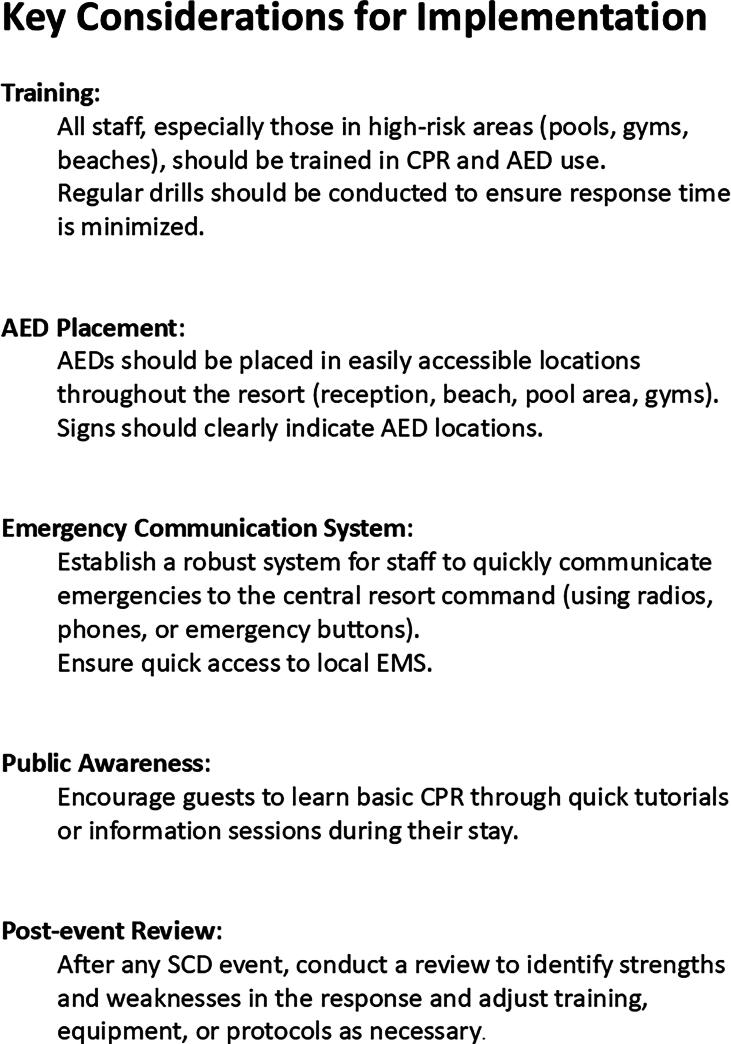 Figure 1
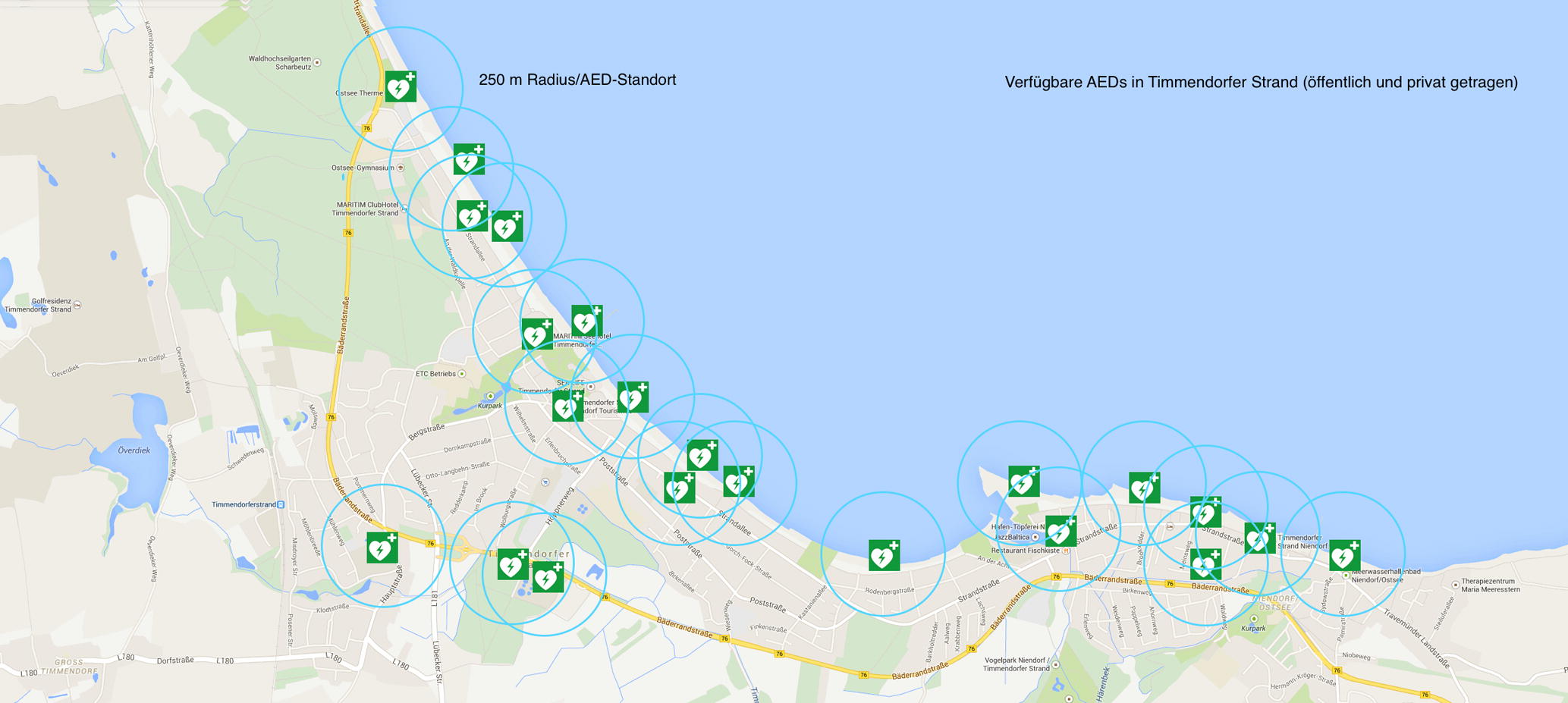 Figure 2
Peer Reviews
No public reviews on file for this paper yet. If you reviewed it on a platform where reviews are public (OpenReview, ICLR, NeurIPS, ICML), you can paste yours below so the community can read it here.
Videos
No videos yet. Explain this paper in a talk, walkthrough, or lecture? Add one.
Taxonomy
TopicsCardiac Arrest and Resuscitation · Cardiac Health and Mental Health · Heart Failure Treatment and Management
To the Editor,
Sudden cardiac death (SCD) remains a leading cause of mortality worldwide.1 Survival hinges on immediate resuscitation efforts and rapid defibrillation, underscoring the importance of layperson intervention.2 To address these critical needs, the Heart Safe Beach initiative was launched, aiming to (1) enhance lay resuscitation efforts, (2) increase automated external defibrillator (AED) availability, and (3) improve emergency dispatch efficiency.
Heart Safe Beach Initiative OverviewComponentAction TakenEarly ResultsPublic TrainingLayperson CPR and AED courses, on- and off-season sessions>400 individuals trainedAED Deployment22 AEDs installed based on OHCA heat map analysis (Figure S1)100–150 m maximum distance between AEDsAwareness CampaignPosters in public spaces; local media engagementIncreased community recognition reportedEMS IntegrationAED sites integrated into EMS dispatch system with GPS trackingExpected faster response; ongoing evaluationTo evaluate Aim 1, training records document the number of laypersons trained. Public awareness was promoted through campaigns featuring posters, flyers, and media coverage as planned in the implementation algorithm (Fig. 1). The initiative aligns AED placement with OHCA incidence heat maps, aiming for <3-minute access on foot.Fig. 1Implementation algorithm of the “Heart Safe Beach” initiative in Timmendorfer Strand. This algorithm outlines the stepwise development and execution of the community-based intervention aimed at improving out-of-hospital cardiac arrest (OHCA) outcomes. The algorithm highlights key stages including stakeholder engagement, training dissemination, AED infrastructure planning, public awareness strategies, and ongoing evaluation. This overview provides a structured framework to guide similar beachside or public area initiatives globally.
In the first phase, 122 OHCA cases were identified and mapped (Figure S1). Strategic AED placement based on these data improved coverage across high-risk areas. Early feedback from first responders and community surveys indicates an improvement in lay preparedness, though a formal outcome evaluation (e.g., bystander CPR rates) is ongoing.
We acknowledge the need for more robust outcome metrics, such as documented increases in bystander CPR or AED use, and are actively working on integrating these data into registry reporting systems for future evaluation phases.
We hope this initiative encourages similar community-based models for improving survival from OHCA.
Ethics approval and consent to participate
Not applicable.
Consent for publication
Not applicable.
Availability of data and materials
All data generated or analyzed during this study are included in this published article.
Clinical trial number
Not applicable.
CRediT authorship contribution statement
Benito Baldauf: Writing – original draft, Validation, Supervision, Data curation. Justin Große Feldhaus: Writing – review & editing, Project administration, Methodology, Investigation, Formal analysis, Data curation, Conceptualization. Jana Hummel: Writing – review & editing, Supervision, Funding acquisition. Hendrik Bonnemeier: Writing – original draft, Validation, Supervision, Resources, Project administration, Methodology, Investigation, Funding acquisition, Formal analysis, Data curation, Conceptualization.
Funding
Supported by the DEAL consortium agreement between the German Rectors Conference and Elsevier.
Declaration of competing interest
The authors declare that they have no known competing financial interests or personal relationships that could have appeared to influence the work reported in this paper.
The reference list from the paper itself. Each links out to its DOI / PubMed record.