Phosphatidylglucoside regulates apoptosis of human neutrophilic lineage cells
Noriko Yokoyama, Roudy Chiminch Ekyalongo, Madoka Kage, Kei Hanafusa, Hitoshi Nakayama, Yoshio Hirabayashi, Kenji Takamori, Kazuhisa Iwabuchi

TL;DR
This study shows that phosphatidylglucoside (PtdGlc) promotes apoptosis in neutrophil-like leukemia cells through a caspase-dependent pathway, offering a potential new treatment target for AML.
Contribution
The study identifies a novel caspase-dependent, Fas- and NADPH oxidase-independent pathway for PtdGlc-mediated apoptosis in neutrophilic lineage cells.
Findings
PtdGlc is highly expressed in HL-60 and KG1 cells but absent in KG1a cells.
DIM21 induces early apoptosis in PtdGlc-expressing cells and late-stage apoptosis in differentiated KG1 cells.
Apoptosis occurs via caspase-3 and -8 activation, independent of NADPH oxidase and Fas signaling.
Abstract
Apoptosis plays a fundamental role in the regulation of immune responses mediated by neutrophils. Phosphatidylglucoside (PtdGlc), a glycosylated phospholipid abundantly expressed on the surface of human neutrophils, has been implicated in promoting both cellular differentiation and apoptosis. In the acute myeloid leukemia (AML) cell line HL-60, PtdGlc expression increases during differentiation, and treatment with the anti-PtdGlc monoclonal antibody DIM21 induces early apoptosis. To further investigate the role of PtdGlc in neutrophilic lineage cells, we examined three AML cell lines: HL-60 (AML-M2/M3), KG1 (AML-M1), and KG1a (AML-M0). PtdGlc was highly expressed in HL-60 and KG1 cells but was absent in KG1a cells. Both HL-60 and KG1 cells exhibited early apoptosis following DIM21 treatment, whereas KG1a cells remained resistant regardless of differentiation status. Notably, in KG1…
Genes, proteins, chemicals, diseases, species, mutations and cell lines named across the full text — each resolved to its canonical identifier and authoritative record.
Click any figure to enlarge with its caption.
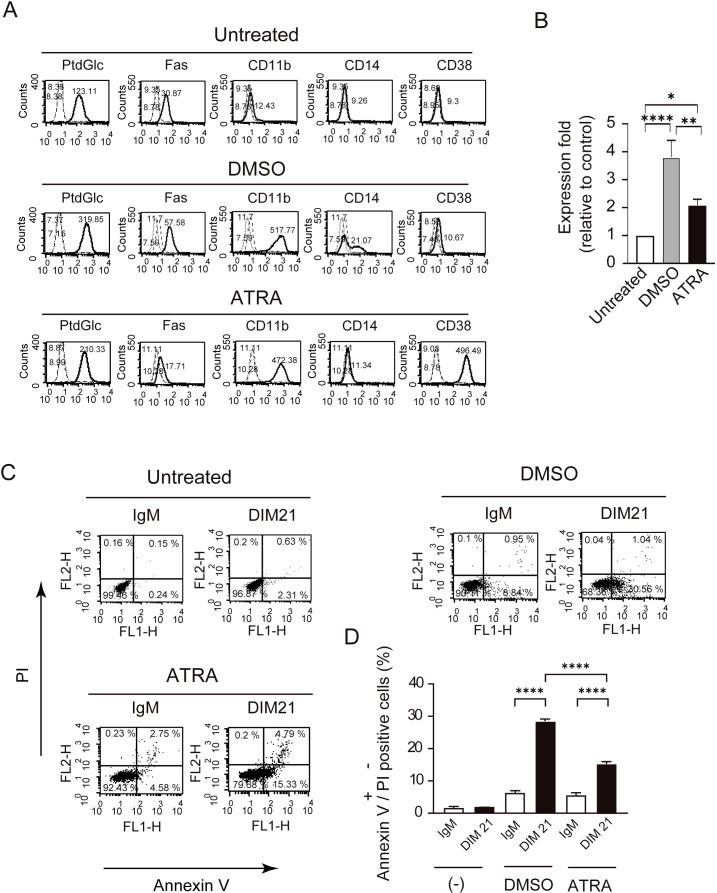 Figure 1
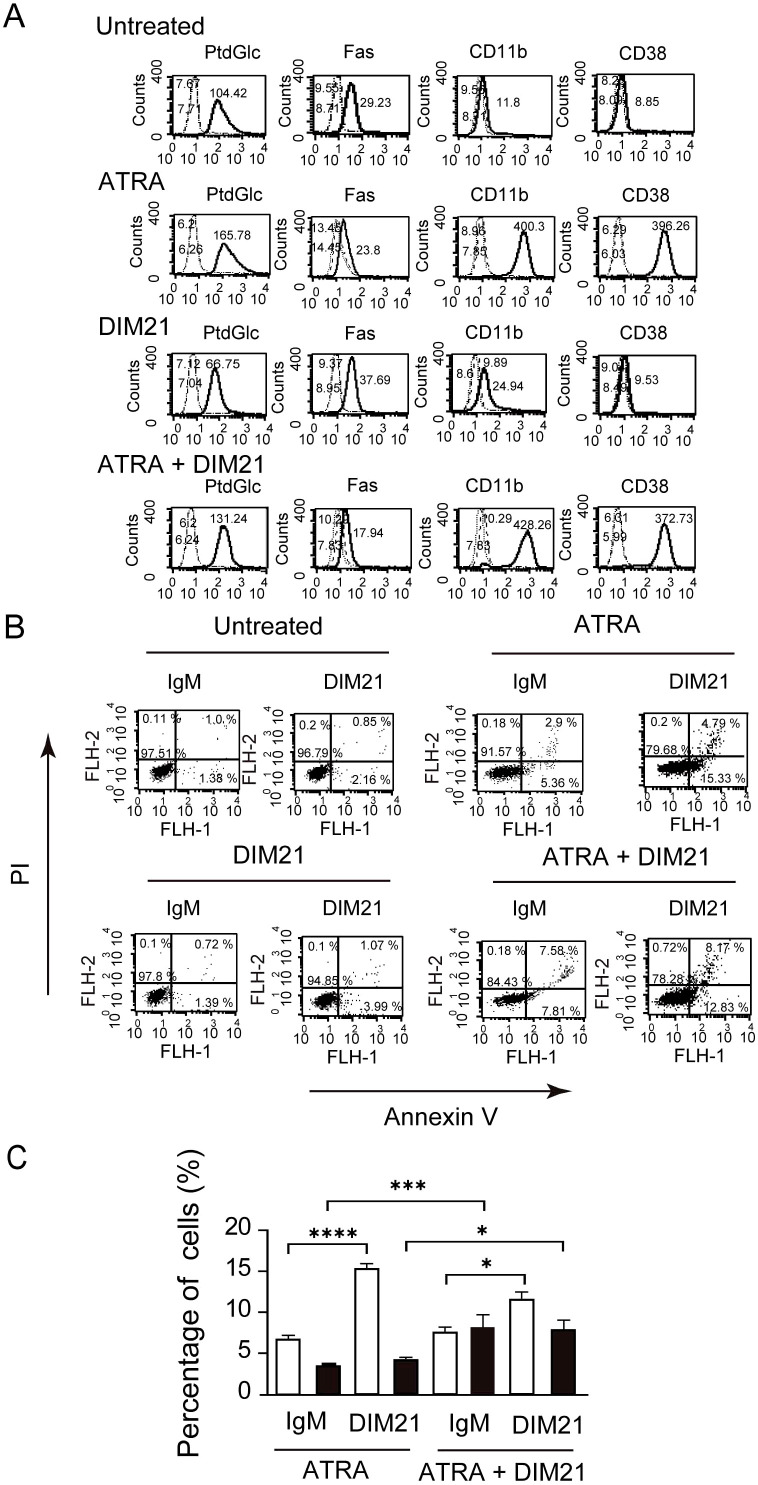 Figure 2
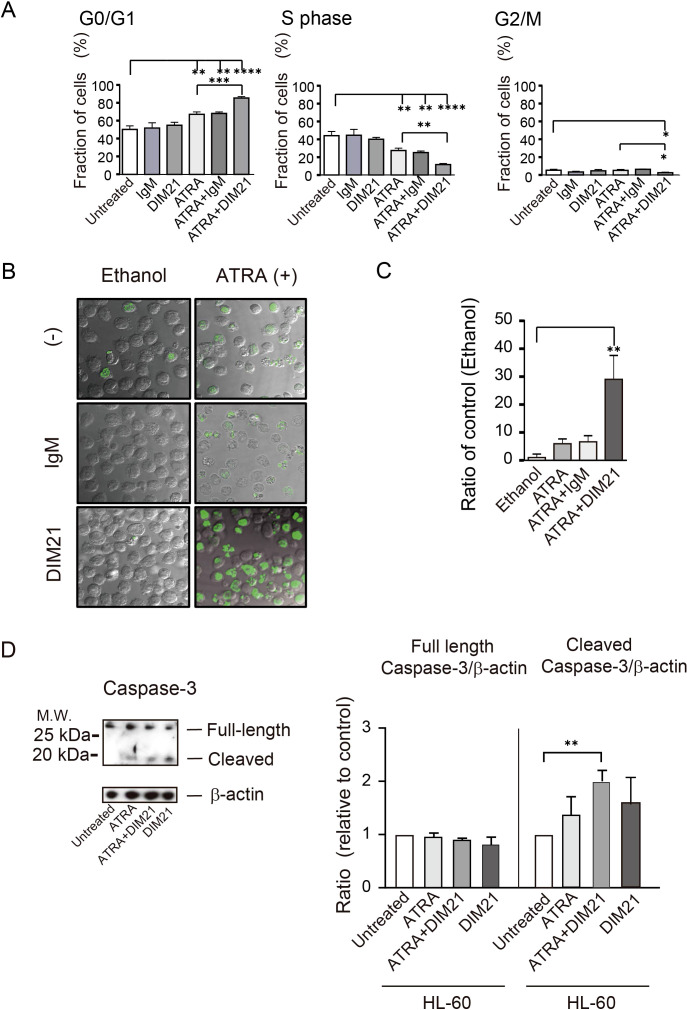 Figure 3
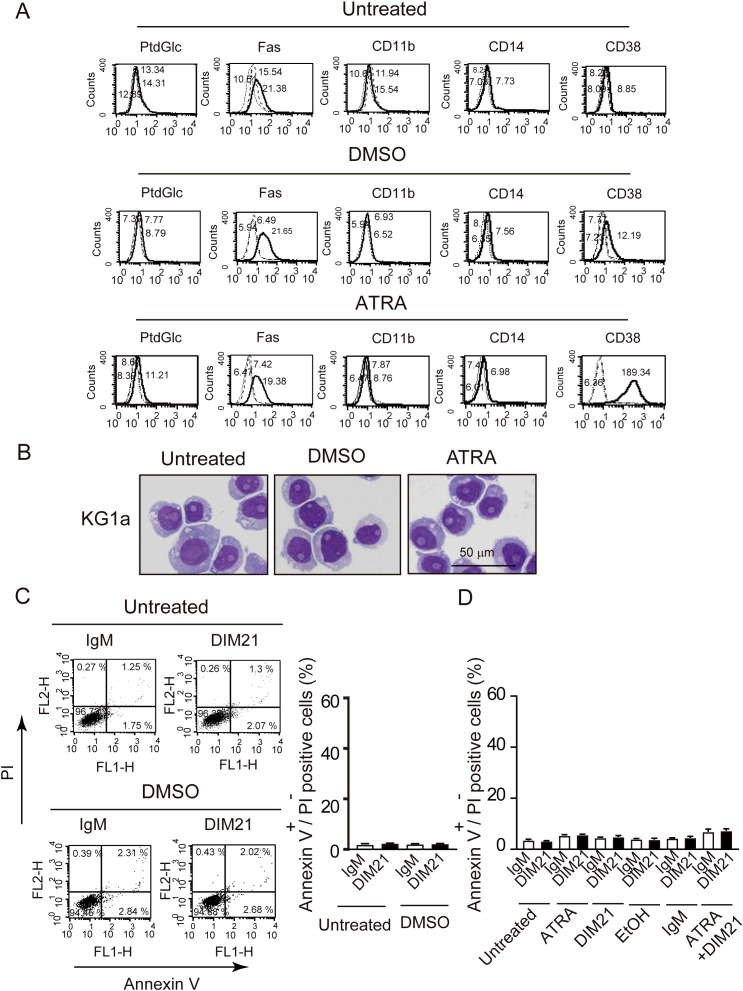 Figure 4
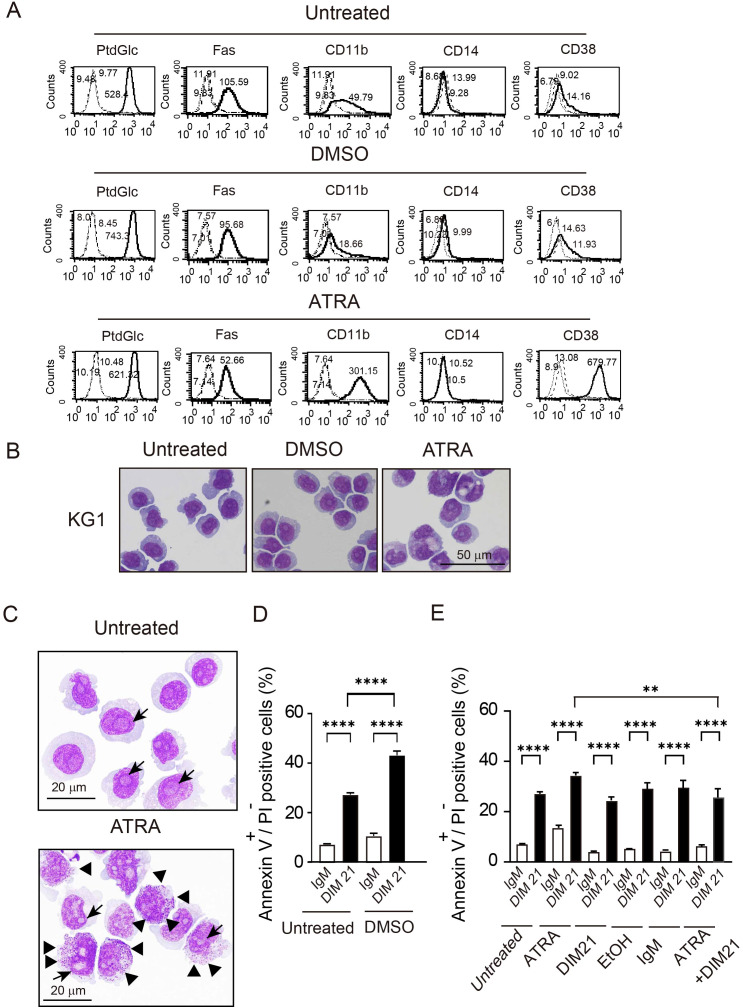 Figure 5
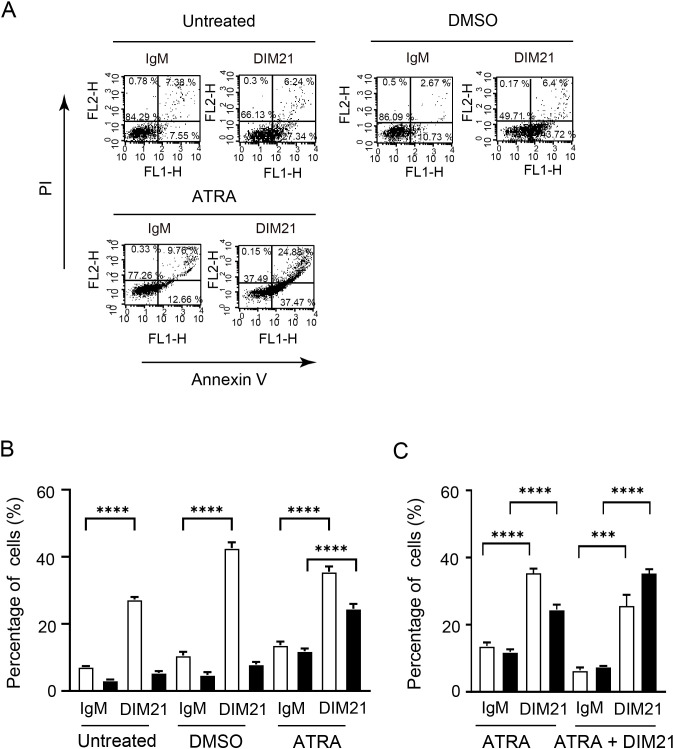 Figure 6
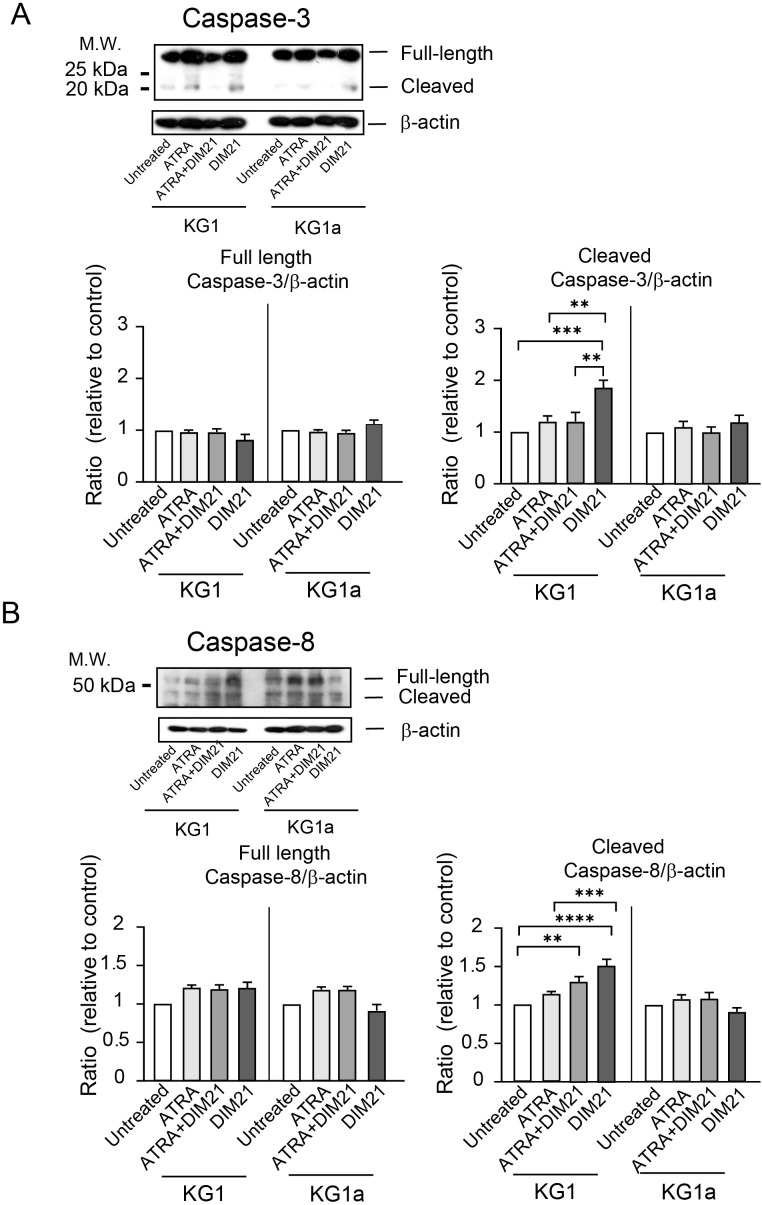 Figure 7
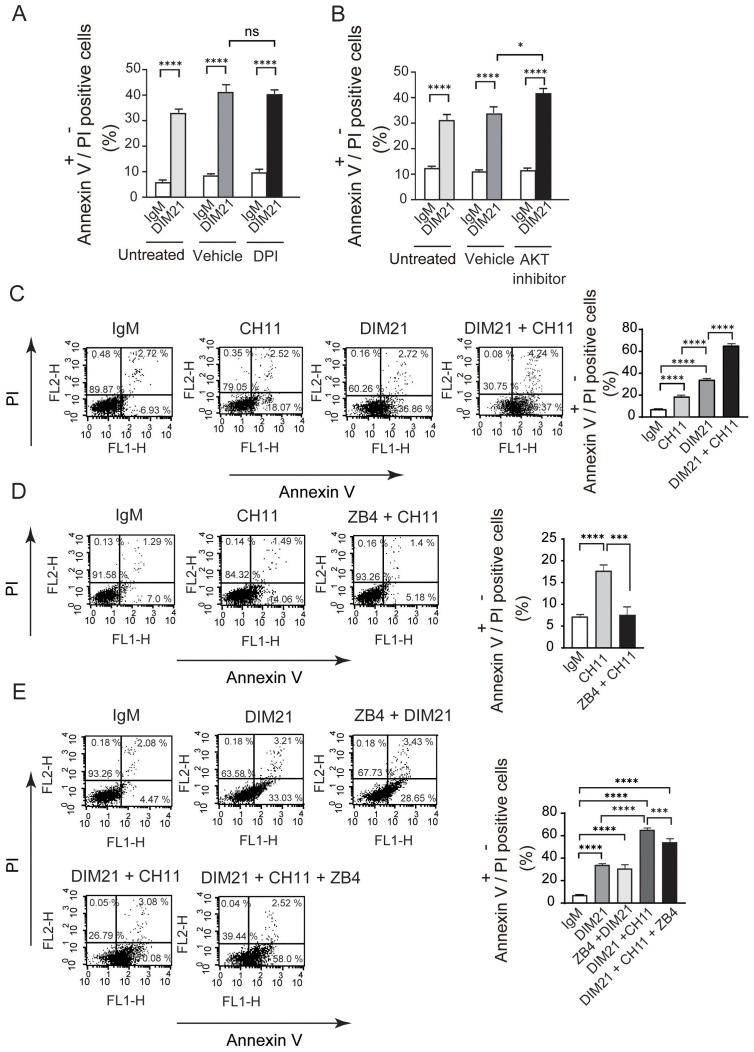 Figure 8
Peer Reviews
No public reviews on file for this paper yet. If you reviewed it on a platform where reviews are public (OpenReview, ICLR, NeurIPS, ICML), you can paste yours below so the community can read it here.
Videos
No videos yet. Explain this paper in a talk, walkthrough, or lecture? Add one.
Taxonomy
TopicsRetinoids in leukemia and cellular processes · Neutrophil, Myeloperoxidase and Oxidative Mechanisms · Immune Response and Inflammation