MLKL‒OPTN axis regulates herpesvirus‐induced neurological sequelae
Ilina Bhattacharya, Rashmi Kadam, Tejabhiram Yadavalli, Chandrashekhar D. Patil, Hemant Borase, Ipsita Volety, Sergey Kalinin, Douglas L. Feinstein, Henry C. Tseng, Deepak Shukla

TL;DR
This study reveals how the MLKL and OPTN proteins interact to control HSV-1 infection and prevent neurological damage similar to multiple sclerosis.
Contribution
The study identifies a new regulatory axis between MLKL and OPTN that governs HSV-1 pathogenesis and neurological outcomes.
Findings
MLKL regulates HSV-1 transport to the nucleus and forms p-MLKL bodies that cause oligodendrocyte death and demyelination.
OPTN negatively modulates MLKL to restrict HSV-1 infection and prevent oligodendrocyte death.
Pharmacological inhibition of MLKL with NSA reduces neurological deficits and preserves myelin in HSV-1 models.
Abstract
Herpes simplex virus‐1 (HSV‐1) infections are lifelong and linked to neurological diseases such as multiple sclerosis (MS), yet the underlying mechanisms in the host remain poorly understood. This study investigates new molecular dynamics following HSV‐1 infection, uncovering the pivotal role of the mixed lineage kinase domain‐like (MLKL) protein. Beyond its known function in necroptosis, MLKL was found to control HSV‐1 transport into the nucleus, tightly regulated by Optineurin (OPTN). We evidenced an essential regulatory interaction between MLKL and OPTN, governing MLKL's activity in both necroptosis‐dependent and independent pathways. In vivo, studies using Optn knockout mice demonstrated how this MLKL‐OPTN axis contributes to demyelination and neurological symptoms mimicking MS. This axis critically prevents oligodendrocyte death and the associated demyelination during HSV‐1…
Genes, proteins, chemicals, diseases, species, mutations and cell lines named across the full text — each resolved to its canonical identifier and authoritative record.
Click any figure to enlarge with its caption.
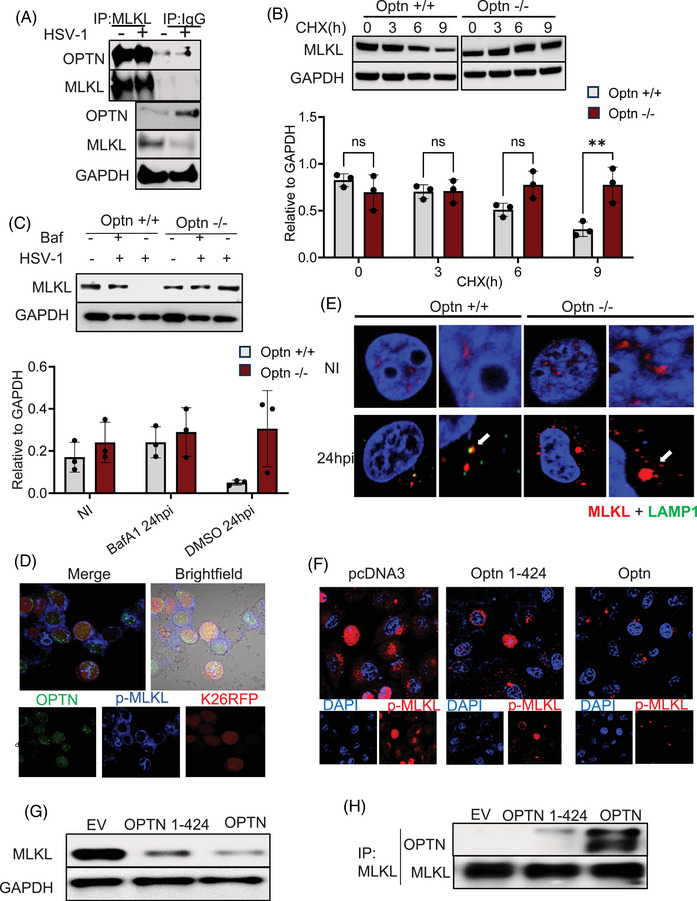 Figure 1
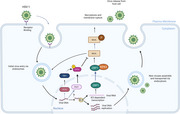 Figure 2
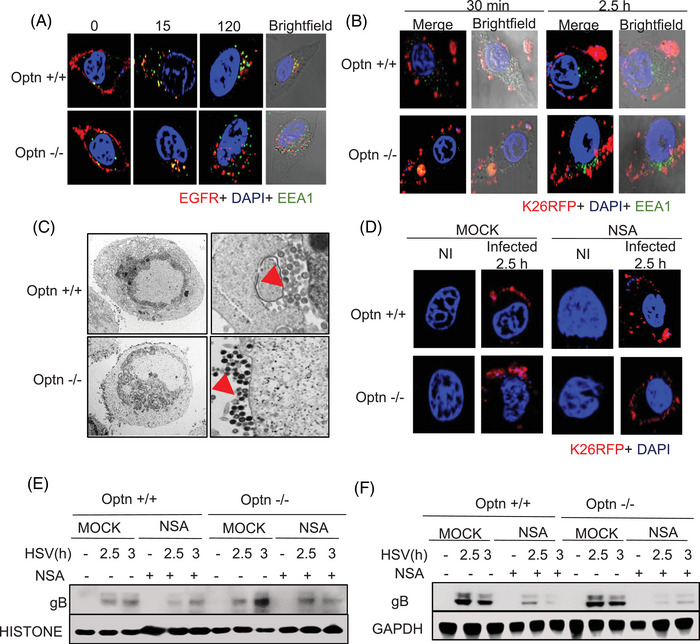 Figure 3
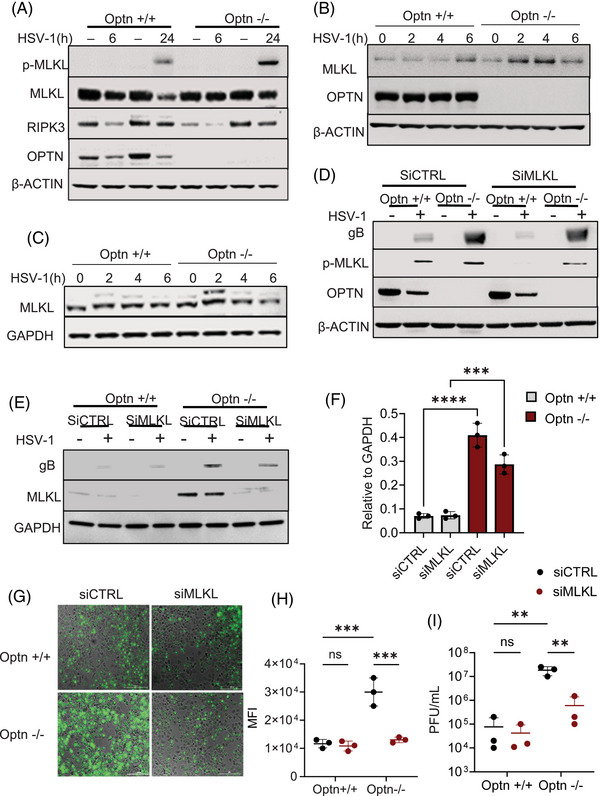 Figure 4
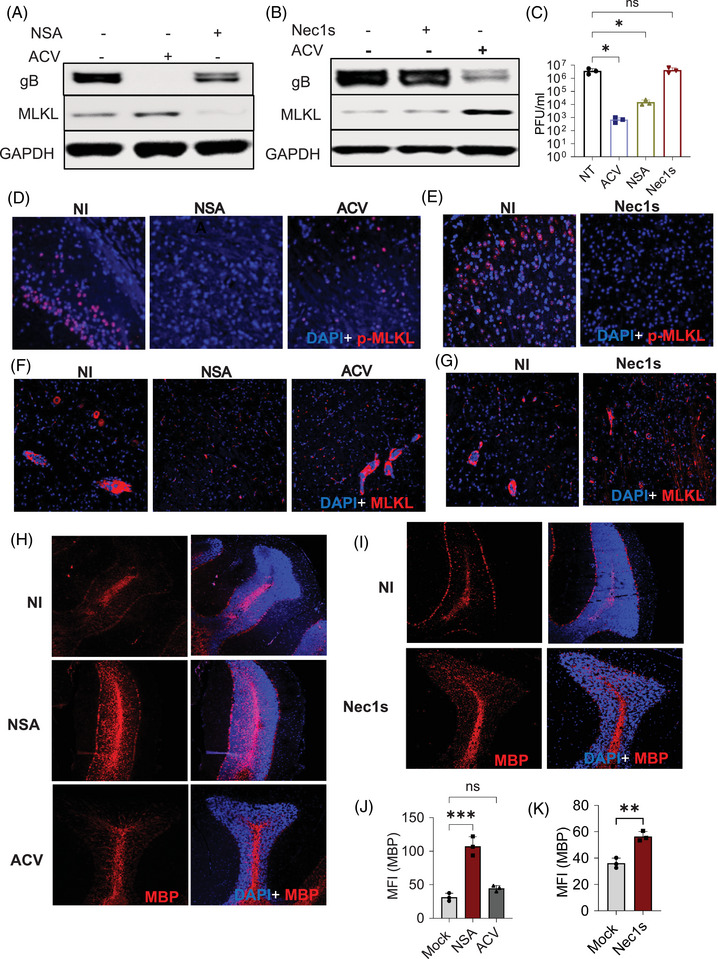 Figure 5
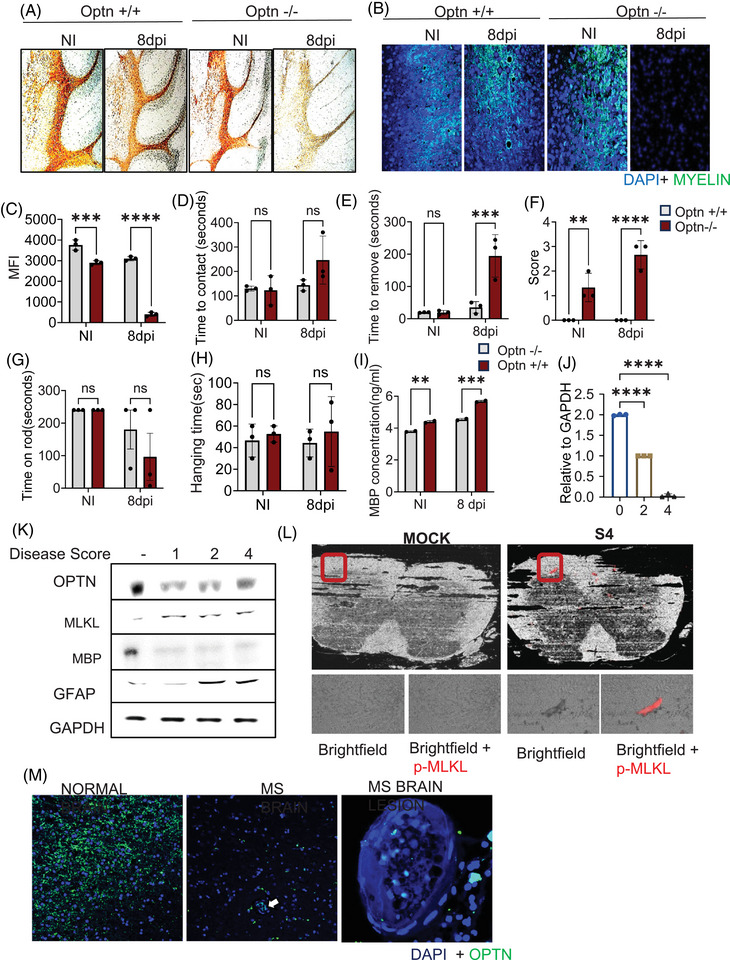 Figure 6
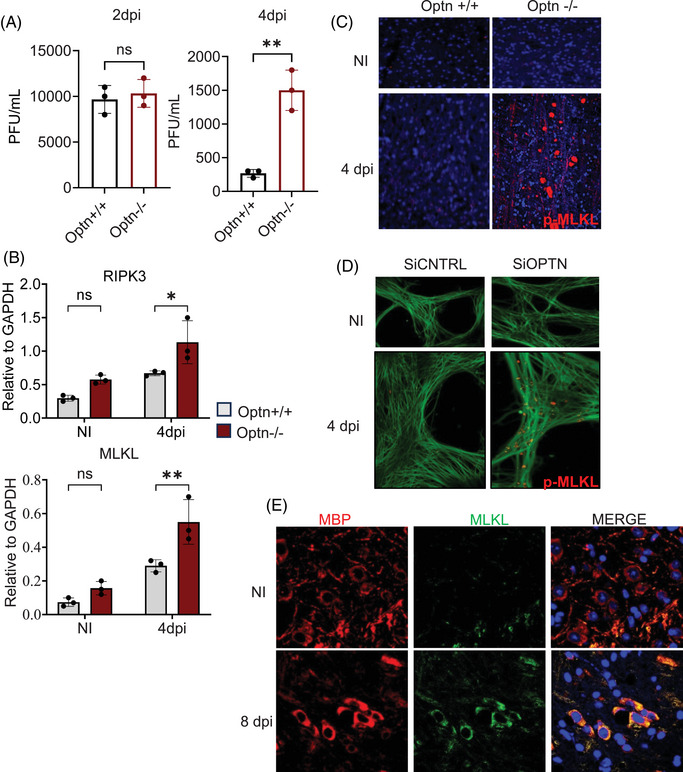 Figure 7
Peer Reviews
No public reviews on file for this paper yet. If you reviewed it on a platform where reviews are public (OpenReview, ICLR, NeurIPS, ICML), you can paste yours below so the community can read it here.
Videos
No videos yet. Explain this paper in a talk, walkthrough, or lecture? Add one.
Taxonomy
TopicsEndoplasmic Reticulum Stress and Disease · RNA regulation and disease · Hereditary Neurological Disorders