Biomechanical analysis of conventional and sumo deadlift
N. C. Hanen, K. Ben Mansour, G. N. Ertel, Y. Duchene, G. C. Gauchard

TL;DR
This study compares the biomechanics of conventional and sumo deadlifts to determine how each affects different muscles and joints.
Contribution
The study provides new insights into the biomechanical differences between conventional and sumo deadlifts using joint kinematics, kinetics, and muscle activation data.
Findings
Conventional deadlifts generate higher hip extension moments and activate hip extensors more effectively.
Sumo deadlifts involve greater hip and knee range of motion in the frontal and transverse planes.
Sumo deadlifts induce greater mediolateral stabilization demands and may benefit knee reinforcement.
Abstract
The conventional (CDL) and sumo (SDL) deadlifts are two fundamental techniques used in competitive lifting and as effective exercises for strengthening the knee and hip muscles. This study aims to investigate their biomechanical differences through a comprehensive analysis of joint kinematics, joint kinetics, and muscle activation. Thirty experienced male lifters performed both CDL and SDL at 85% of their one repetition maximum (1-RM). Lower limb joint range of motion (ROM), internal joint moments, and muscle activation of key lower limb and spinal muscles were recorded and analyzed. Paired t-tests and Statistical parametric mapping (SPM) were used to compare parameters between lifting techniques (p < 0.025). SDL showed greater ROM in the frontal and transverse planes, particularly at the hip and knee, whereas CDL involved greater hip flexion and ankle dorsiflexion. CDL generated…
Genes, proteins, chemicals, diseases, species, mutations and cell lines named across the full text — each resolved to its canonical identifier and authoritative record.
Click any figure to enlarge with its caption.
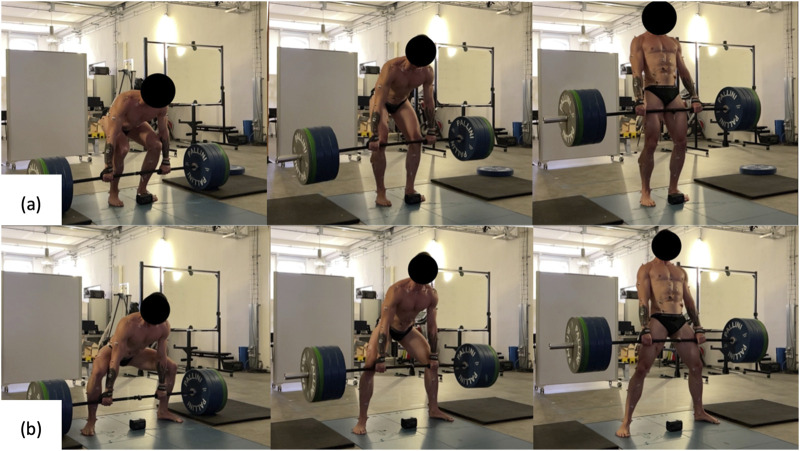 Figure 1
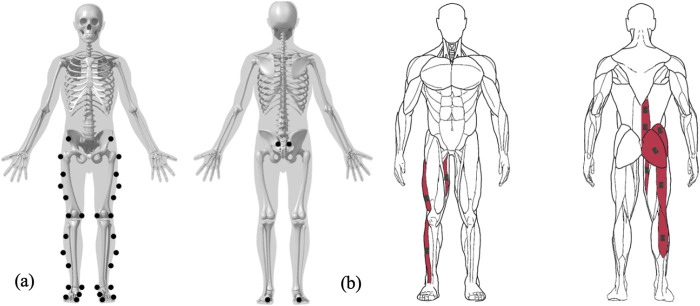 Figure 2
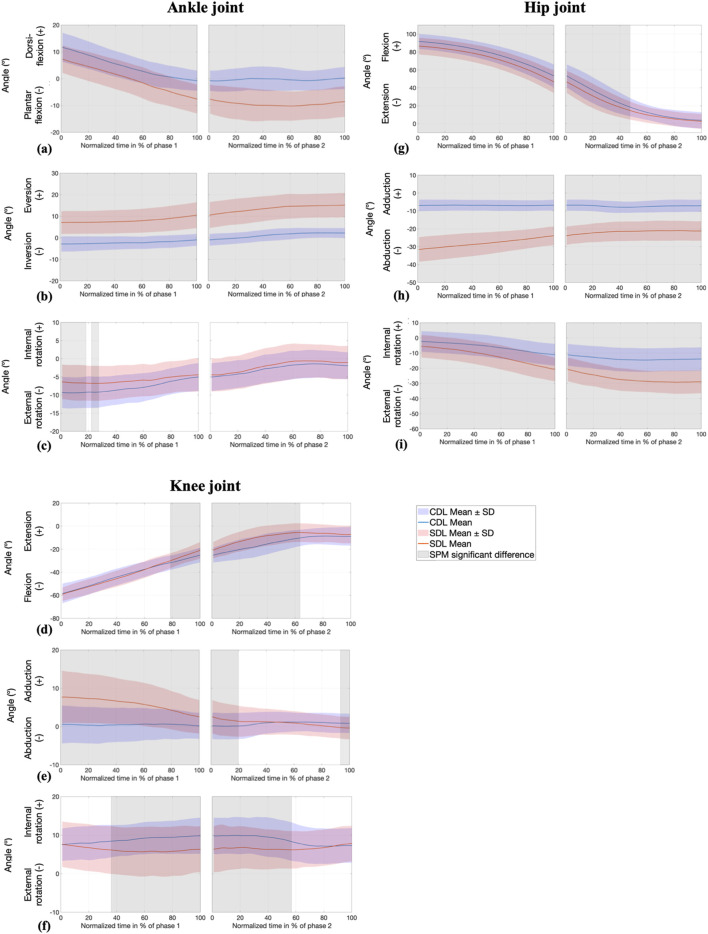 Figure 3
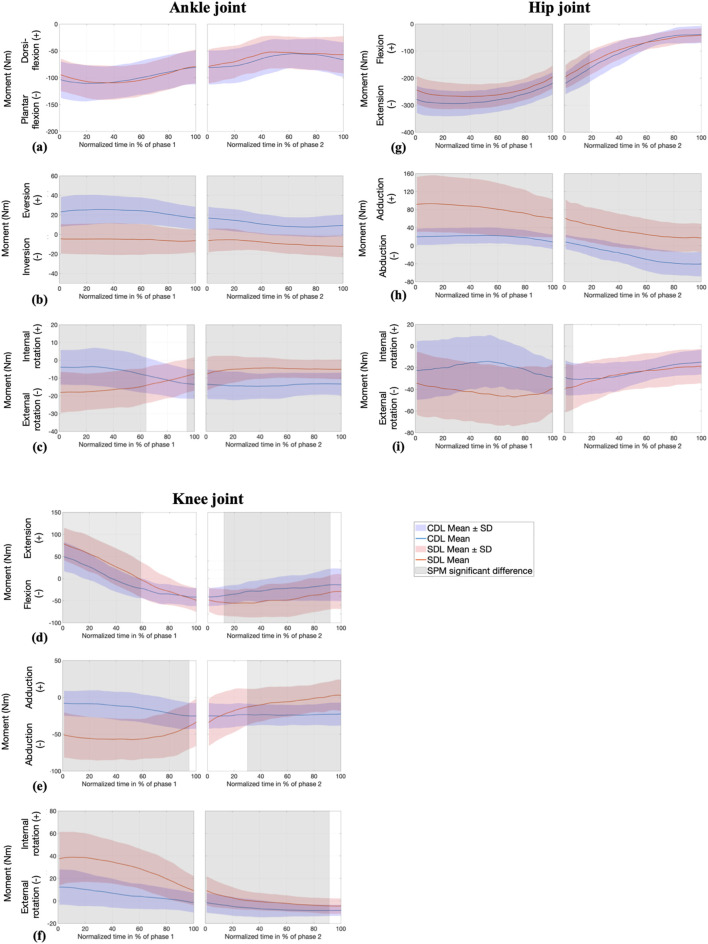 Figure 4
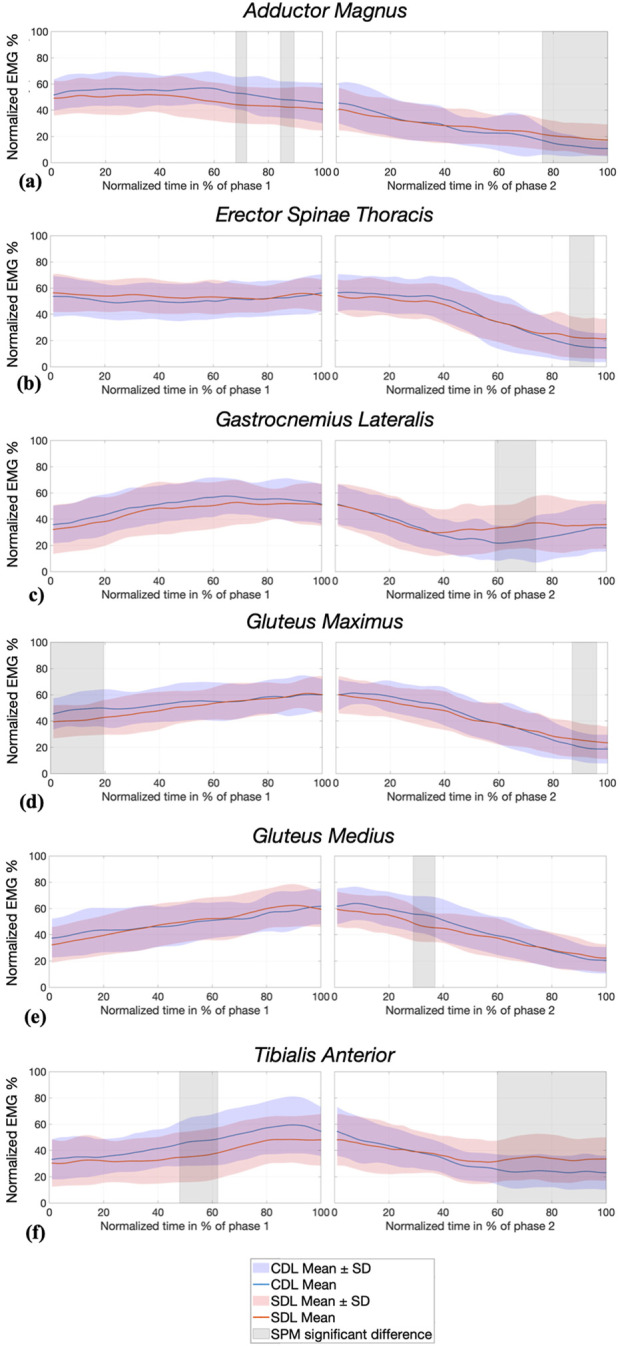 Figure 5
Peer Reviews
No public reviews on file for this paper yet. If you reviewed it on a platform where reviews are public (OpenReview, ICLR, NeurIPS, ICML), you can paste yours below so the community can read it here.
Videos
No videos yet. Explain this paper in a talk, walkthrough, or lecture? Add one.
Taxonomy
TopicsMuscle activation and electromyography studies · Shoulder Injury and Treatment · Prosthetics and Rehabilitation Robotics