mTOR promotes the formation and growth of tertiary lymphoid tissues in the kidney
Daniel J. Atwood, Zhibin He, Makoto Miyazaki, Katharina Hopp, Alkesh Jani, Seth B. Furgeson, Sarah Faubel, Charles L. Edelstein

TL;DR
This study shows that mTOR activity within kidney tertiary lymphoid tissues, not surrounding tubules, drives their growth and suggests mTOR inhibitors could reduce these immune structures.
Contribution
The novel finding is that mTOR activity within TLTs, rather than adjacent tubules, is critical for immune cell proliferation and TLT development.
Findings
mTOR inhibition with Torin2 significantly reduced TLTs in ischemic and Pkd1RC/RC kidneys.
Tubule-specific Raptor knockout had no effect on TLT formation, indicating mTOR activity in TLTs is key.
p-S6 (mTORC1 marker) was elevated in TLTs and adjacent tubules in multiple kidney disease models.
Abstract
Tertiary lymphoid tissues (TLTs) are ectopic lymphoid tissues that form de novo in nonlymphoid organs. In this study, we demonstrate that the kidneys of aged mice with a renal tubule-specific knockout of autophagy-related 7 (Atg7) contain numerous and large TLTs. p-S6 protein, a marker of mTORC1, was elevated in the tubules adjacent to the TLTs as well as within the TLTs themselves. In Atg7−/− kidneys, tubular injury and increased proinflammatory cytokines were observed, both of which are known to promote TLT formation and growth. In mice with either polycystic kidney disease (Pkd1RC/RC) or kidney ischemia, increased p-S6 was observed in tubules near TLTs and within the TLTs. Treatment with Torin2, an mTOR inhibitor, led to the virtual disappearance of TLTs in Pkd1RC/RC kidneys and a significant reduction in TLTs in ischemic kidneys. To assess whether p-S6 in the tubules was driving TLT…
Genes, proteins, chemicals, diseases, species, mutations and cell lines named across the full text — each resolved to its canonical identifier and authoritative record.
Click any figure to enlarge with its caption.
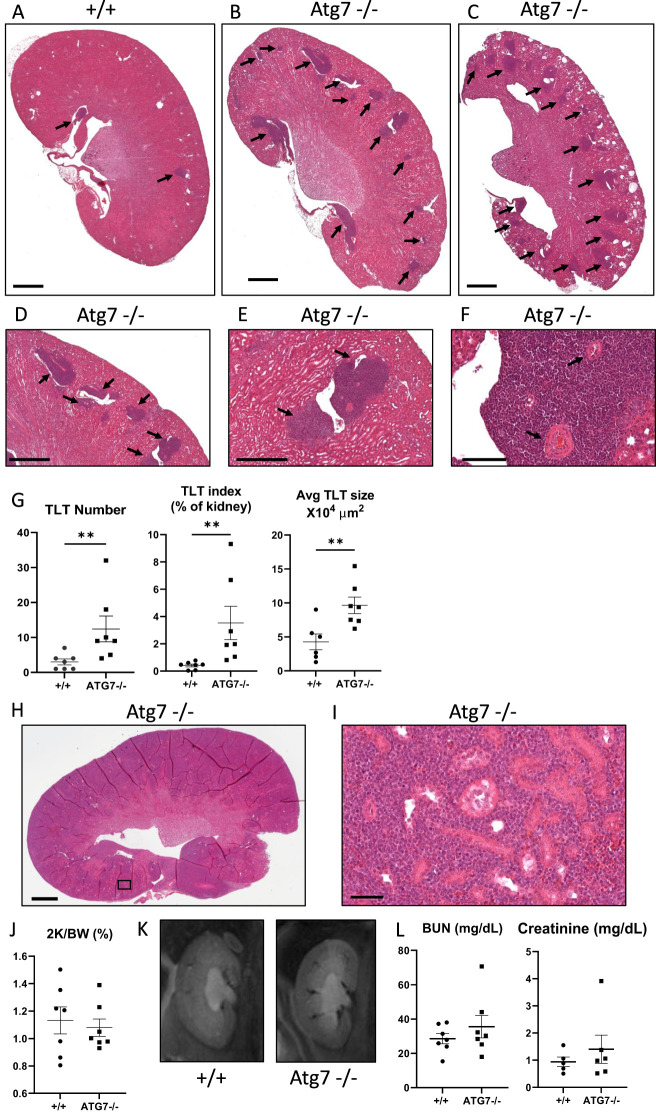 Figure 1
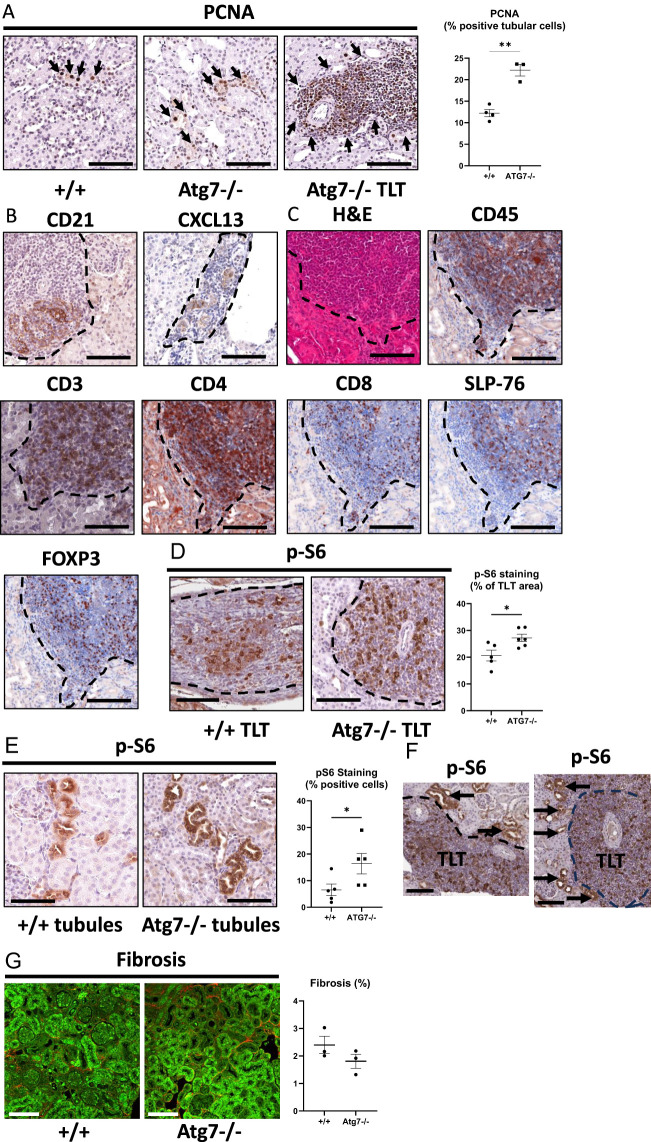 Figure 2
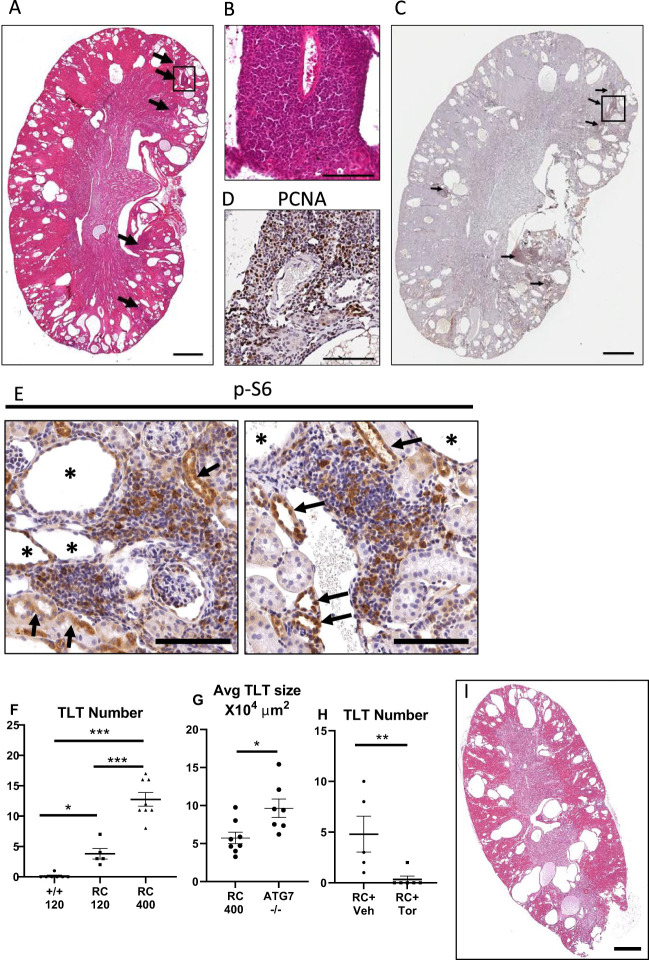 Figure 3
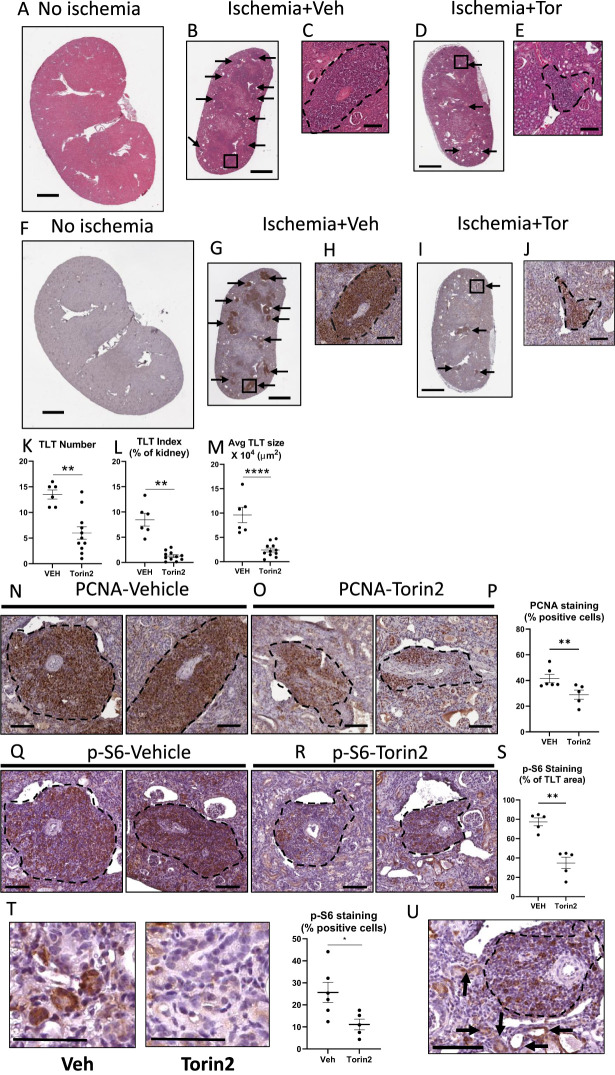 Figure 4
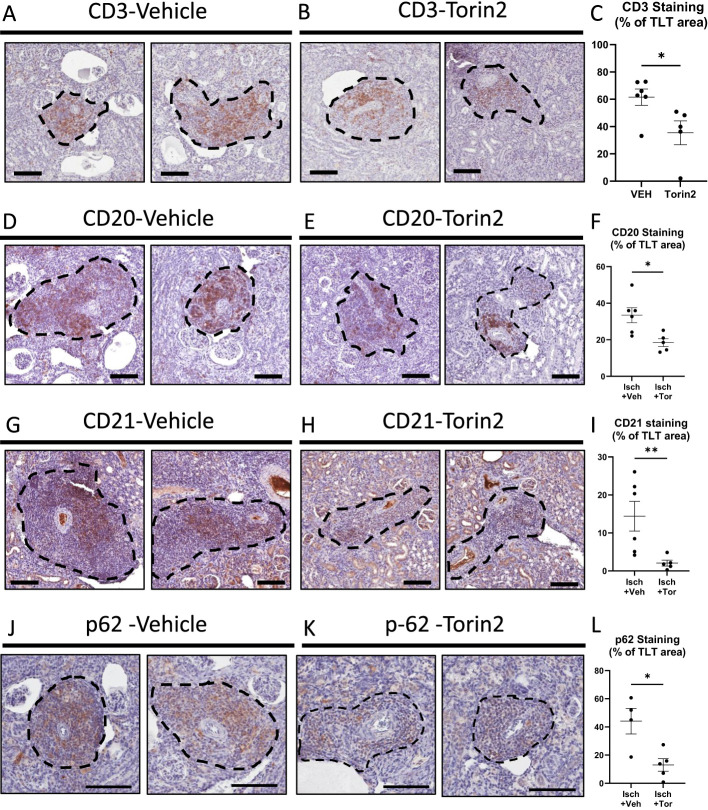 Figure 5
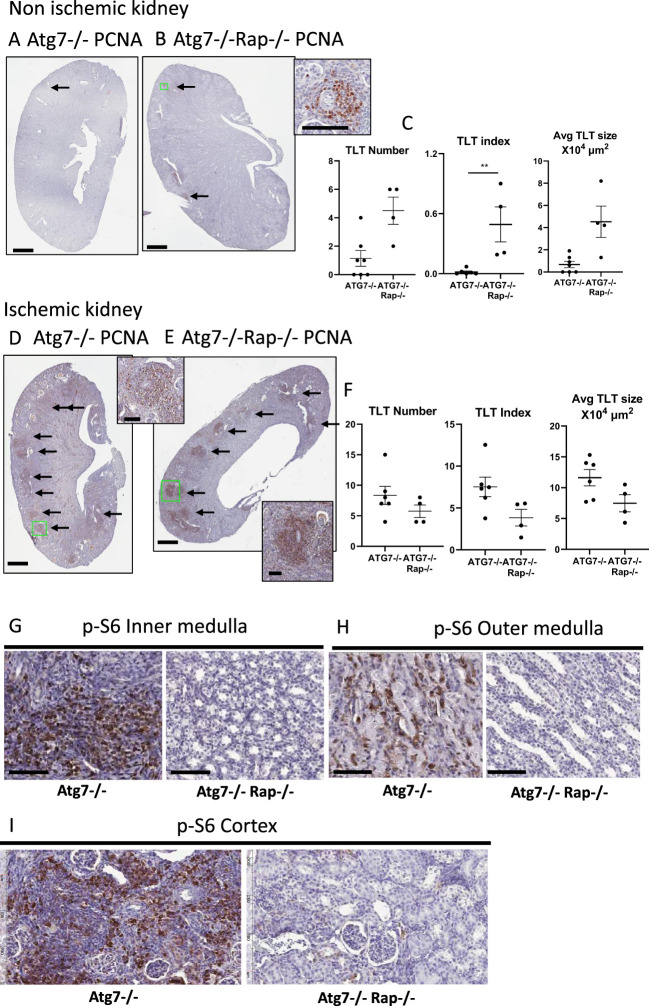 Figure 6
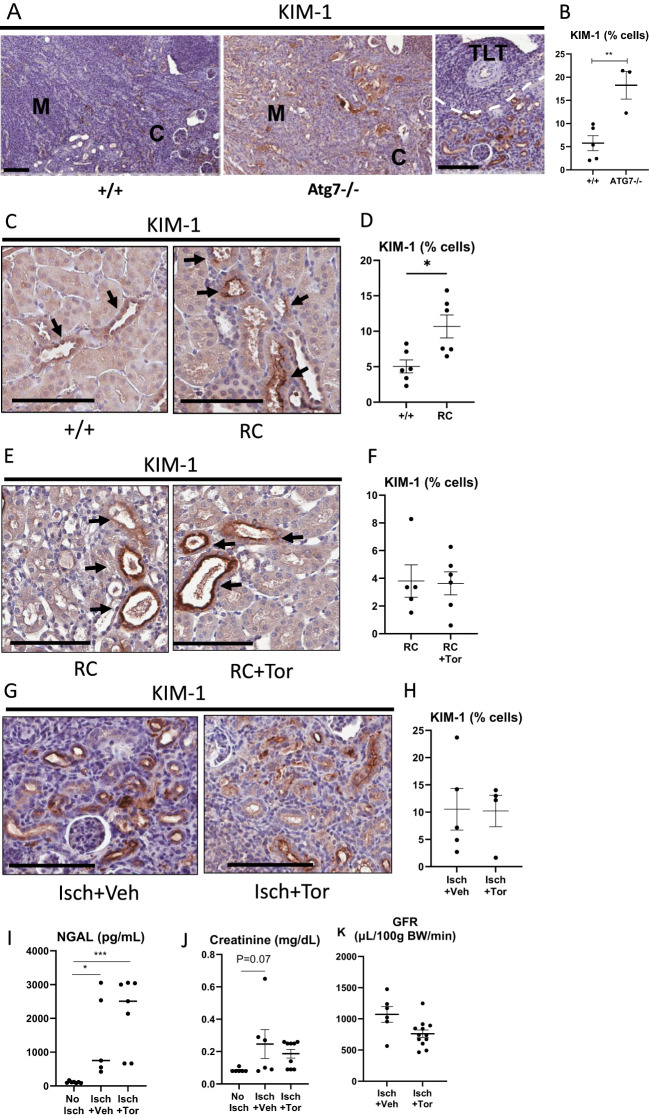 Figure 7
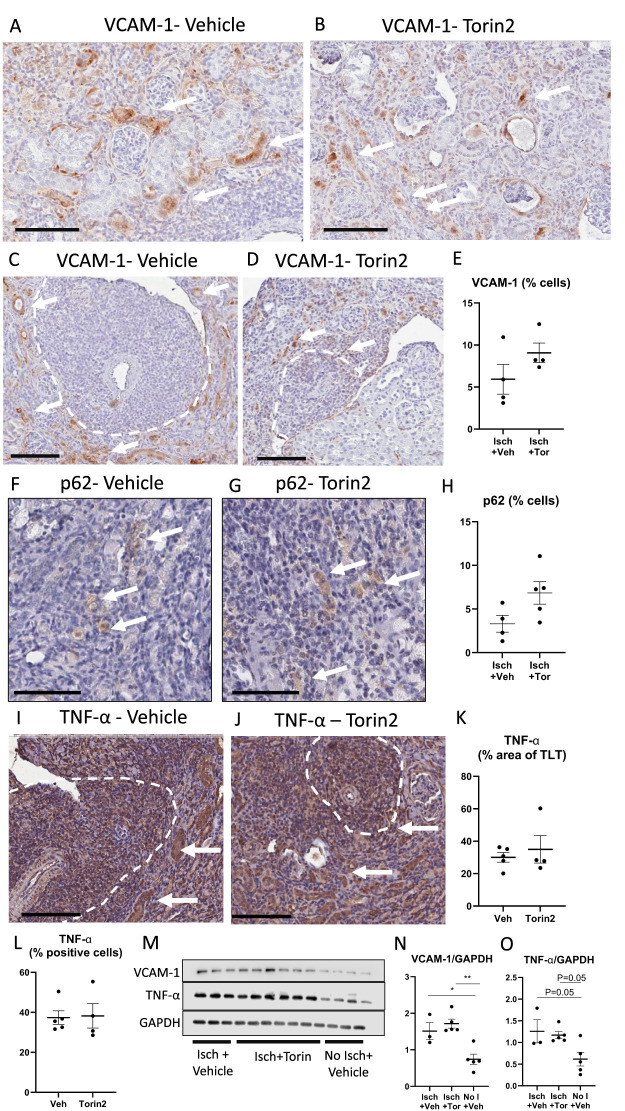 Figure 8
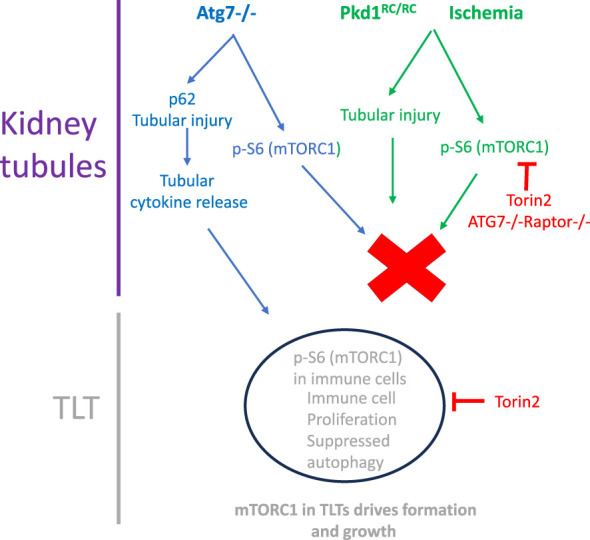 Figure 9
Peer Reviews
No public reviews on file for this paper yet. If you reviewed it on a platform where reviews are public (OpenReview, ICLR, NeurIPS, ICML), you can paste yours below so the community can read it here.
Videos
No videos yet. Explain this paper in a talk, walkthrough, or lecture? Add one.
Taxonomy
TopicsRenal and related cancers · PI3K/AKT/mTOR signaling in cancer · Renal Diseases and Glomerulopathies