RPS27A as a potential clock-related diagnostic biomarker for myocardial infarction: Comprehensive bioinformatics analysis and experimental validation
Rui Xu, Changshun Yan, GuiQiu Cao

TL;DR
This study identifies RPS27A as a potential biomarker for diagnosing heart attacks by analyzing circadian genes and their role in heart disease.
Contribution
The study introduces RPS27A as a novel clock-related biomarker for myocardial infarction, validated through bioinformatics and experimental methods.
Findings
RPS27A was confirmed as a key gene in myocardial infarction via Lasso regression and qRT-PCR.
Clock genes are linked to MI through pathways like gap junction and circadian rhythm.
Immune infiltration analysis showed differences in B-cell and CD4+ T-cell populations in MI patients.
Abstract
•Clock genes are linked to myocardial infarction, offering novel insights into its pathogenesis.•Ten differentially expressed clock genes suggest new pathways in myocardial infarction development.•RPS27A’s core role in myocardial infarction was validated via Lasso regression and qRT-PCR, showing elevated expression.•Gene enrichment analysis uncovers gap junction and circadian rhythm pathways in myocardial infarction.•RPS27A was identified as a potential molecular target for diagnosing myocardial infarction. Clock genes are linked to myocardial infarction, offering novel insights into its pathogenesis. Ten differentially expressed clock genes suggest new pathways in myocardial infarction development. RPS27A’s core role in myocardial infarction was validated via Lasso regression and qRT-PCR, showing elevated expression. Gene enrichment analysis uncovers gap junction and circadian…
Genes, proteins, chemicals, diseases, species, mutations and cell lines named across the full text — each resolved to its canonical identifier and authoritative record.
Click any figure to enlarge with its caption.
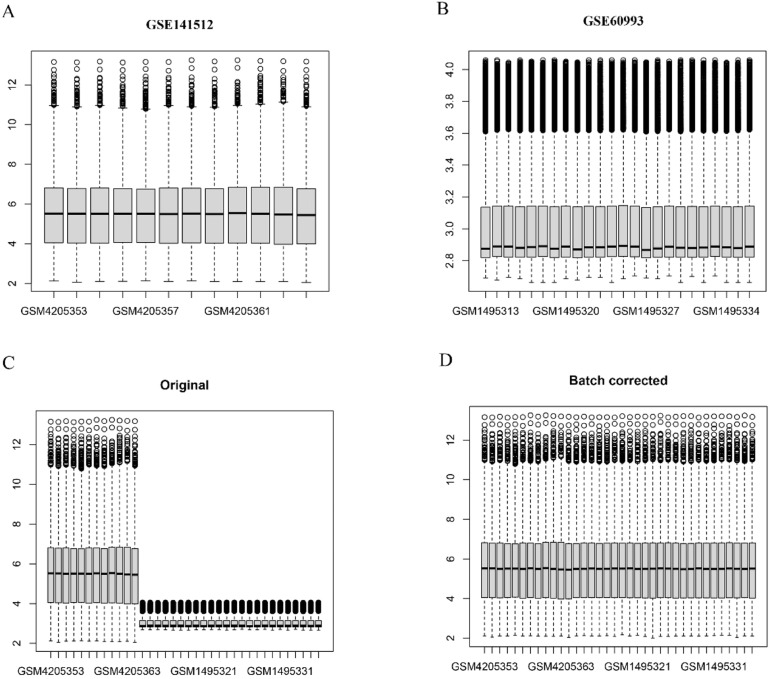 Figure 1
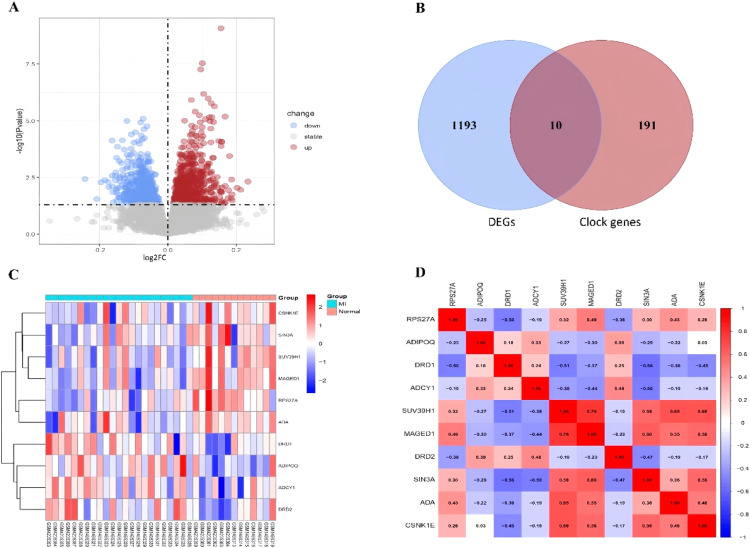 Figure 2
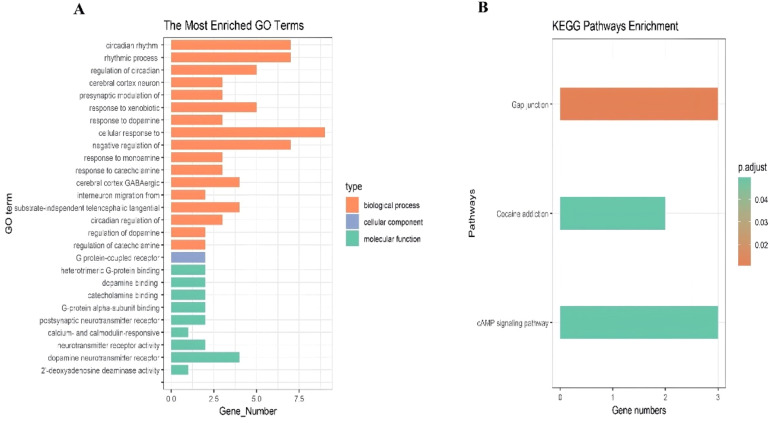 Figure 3
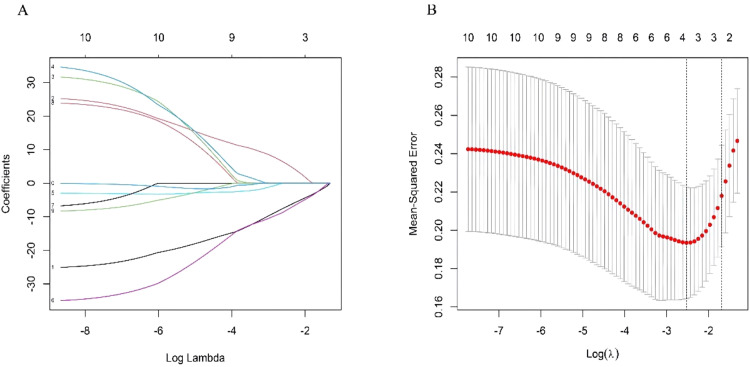 Figure 4
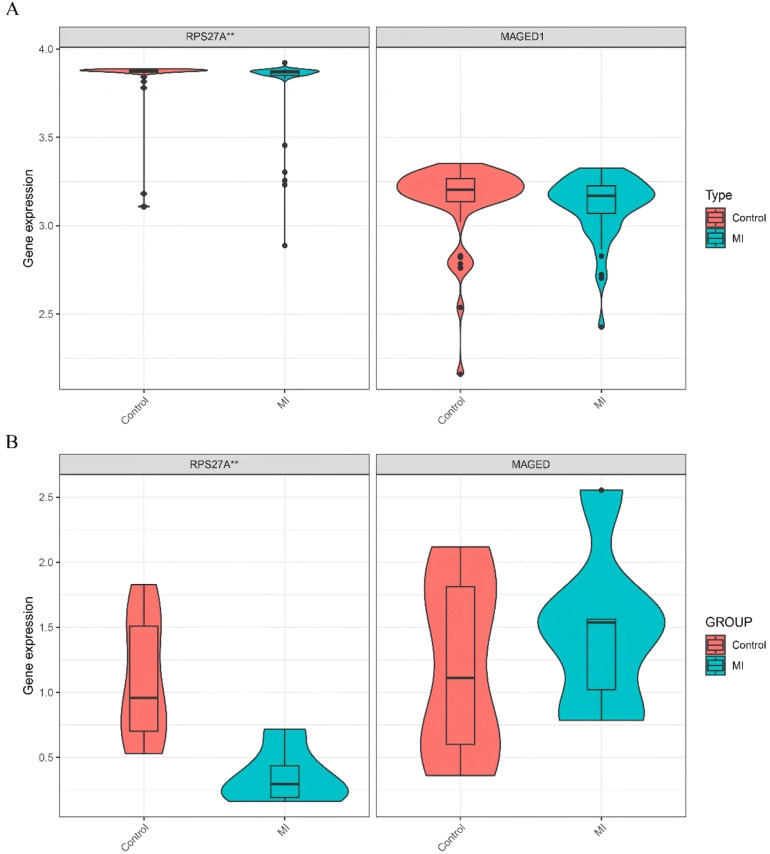 Figure 5
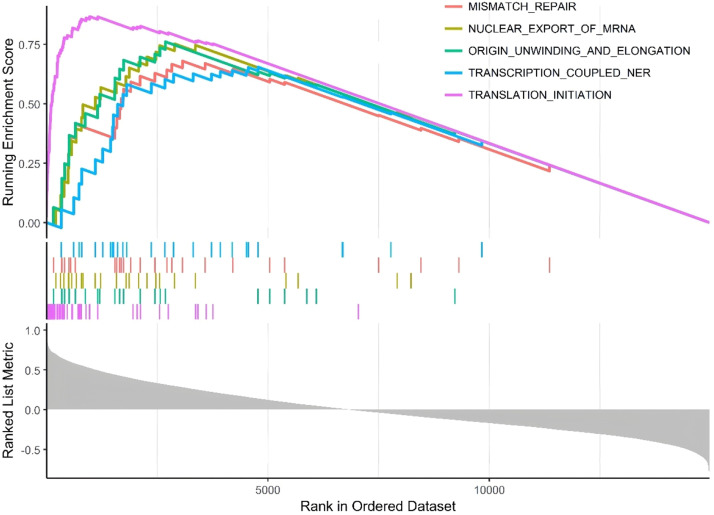 Figure 6
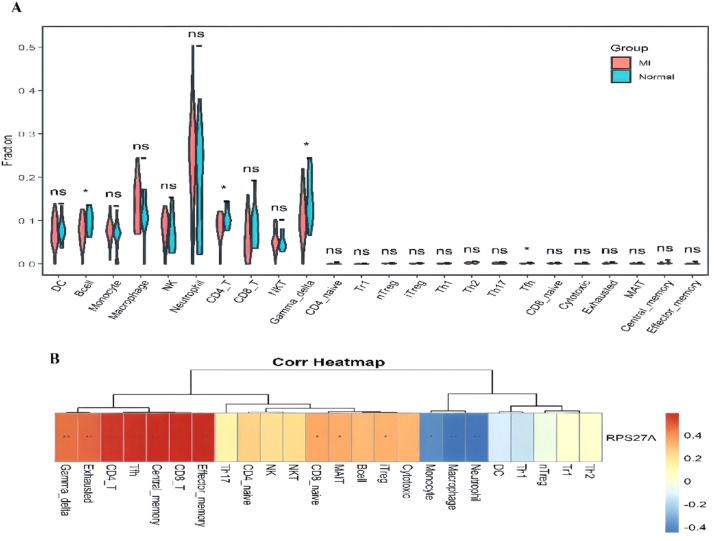 Figure 7
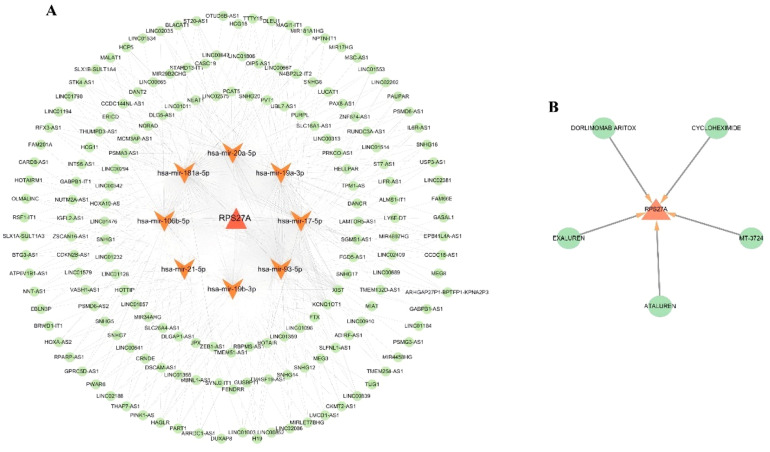 Figure 8
Peer Reviews
No public reviews on file for this paper yet. If you reviewed it on a platform where reviews are public (OpenReview, ICLR, NeurIPS, ICML), you can paste yours below so the community can read it here.
Videos
No videos yet. Explain this paper in a talk, walkthrough, or lecture? Add one.
Taxonomy
TopicsMitochondrial Function and Pathology · Bioinformatics and Genomic Networks · Metabolomics and Mass Spectrometry Studies