Successful long-term survival following lipiodol chemoembolization for hepatocellular carcinoma in Alagille syndrome: A case report
Imad Akasbi, Ismail Chaouche, Nizar El Bouardi, Amal Akammar, Hajar O Chahdi, Ismail Zerrari, Maria Lahlali, Hakima Abid, Badr Alami, Nada Lahmidani, Meryem Boubbou, Ibrahimi Sidi adil, Mustapha Maaroufi, MY Youssef Alaoui Lamrani

TL;DR
A patient with Alagille syndrome and hepatocellular carcinoma survived 9 years after chemoembolization treatment, suggesting this therapy could be effective for similar cases.
Contribution
Demonstrates the long-term effectiveness of lipiodol-based TACE in managing HCC in a rare genetic disorder.
Findings
A 29-year-old patient with Alagille syndrome and HCC survived 9 years after TACE treatment.
The patient showed no recurrence and stable imaging post-treatment.
This case highlights TACE as a potential palliative option for HCC in Alagille syndrome.
Abstract
Alagille syndrome is a rare genetic disorder causing multisystem complications, including biliary abnormalities, chronic liver disease, and rarely, hepatocellular carcinoma (HCC), which is difficult to manage due to liver dysfunction and vascular abnormalities. We report a 29-year-old female, diagnosed with Alagille syndrome in infancy, who developed infiltrative HCC at age 20 and underwent lipiodol-based transarterial chemoembolization (TACE) in 2015, with a second session in 2016 for recurrence. Remarkably, she has achieved an exceptional 9-year survival post-treatment with stable imaging and no recurrence, a highly uncommon outcome for HCC in Alagille syndrome, highlighting TACE’s potential as an effective palliative treatment for HCC in Alagille syndrome, particularly for patient's ineligible for liver transplantation, and underscoring the need for further studies on locoregional…
Genes, proteins, chemicals, diseases, species, mutations and cell lines named across the full text — each resolved to its canonical identifier and authoritative record.
Click any figure to enlarge with its caption.
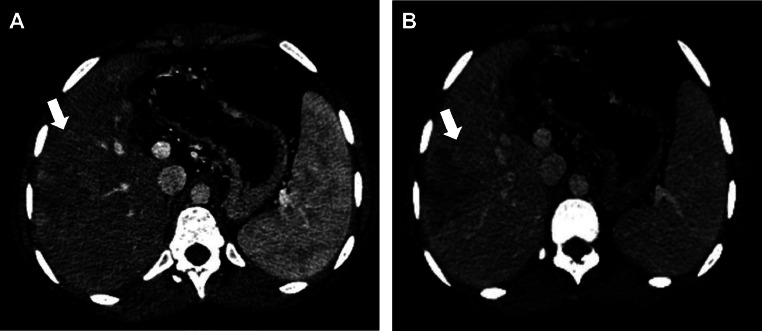 Figure 1
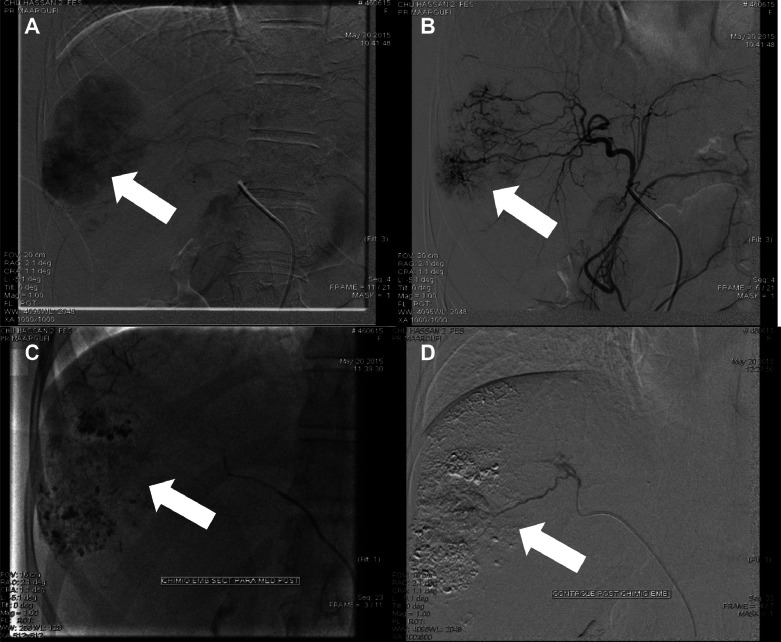 Figure 2
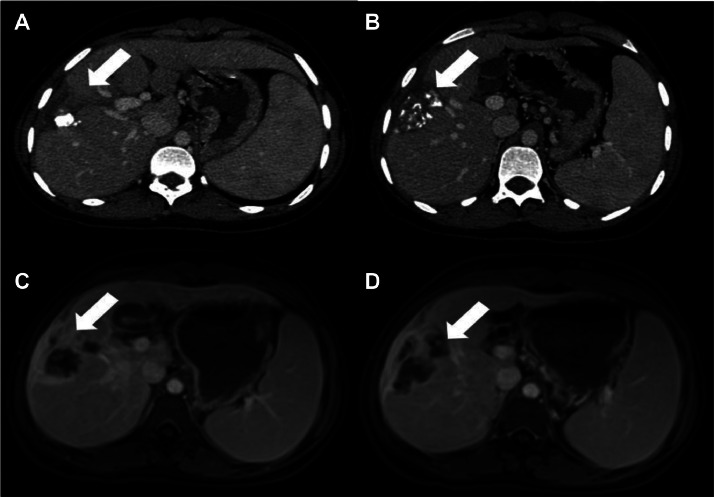 Figure 3
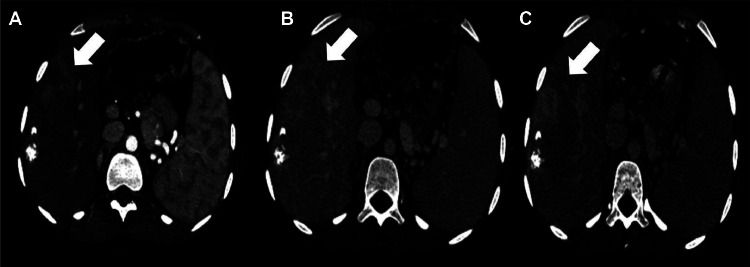 Figure 4
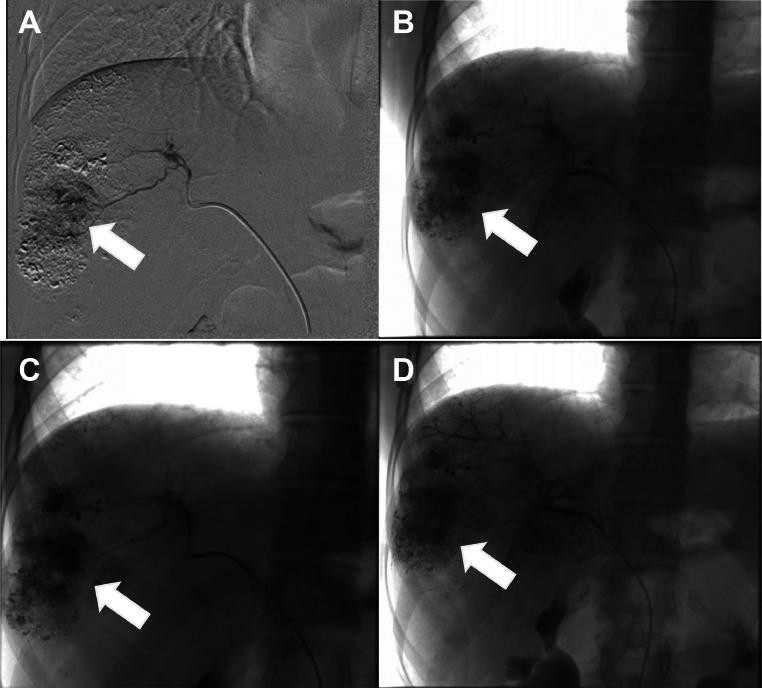 Figure 5
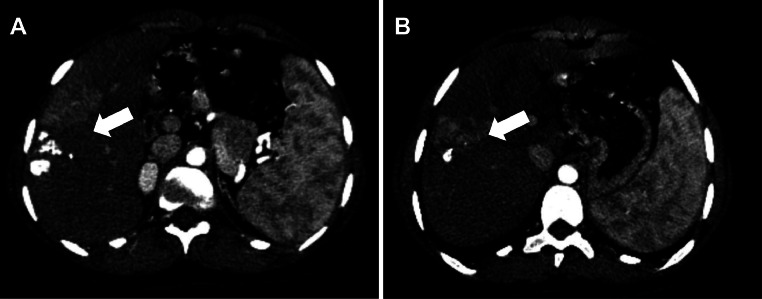 Figure 6
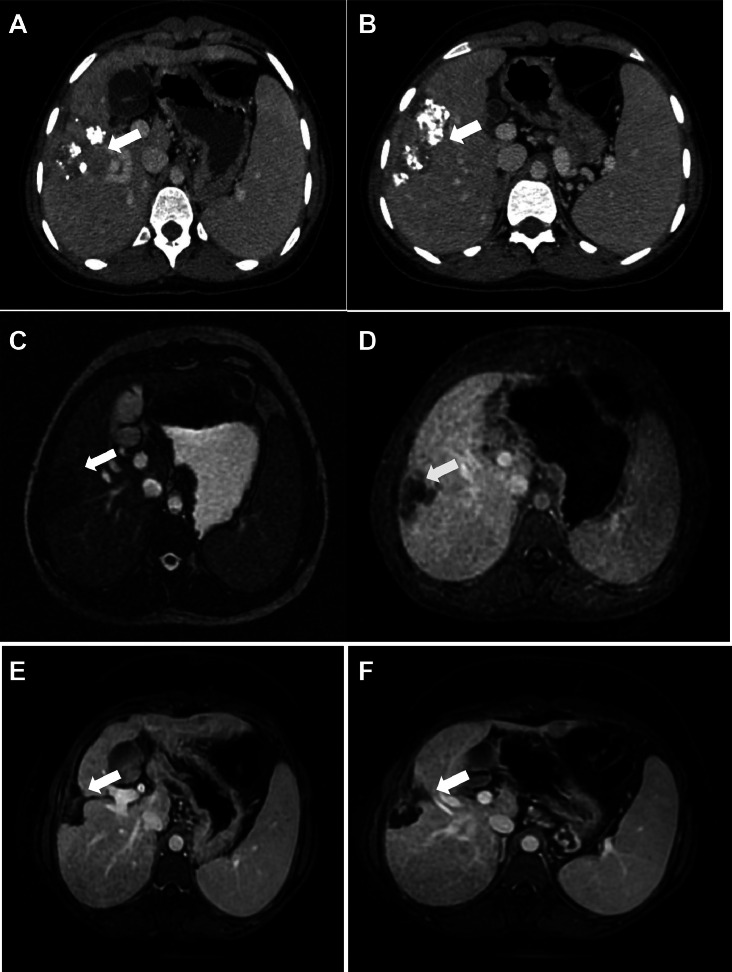 Figure 7
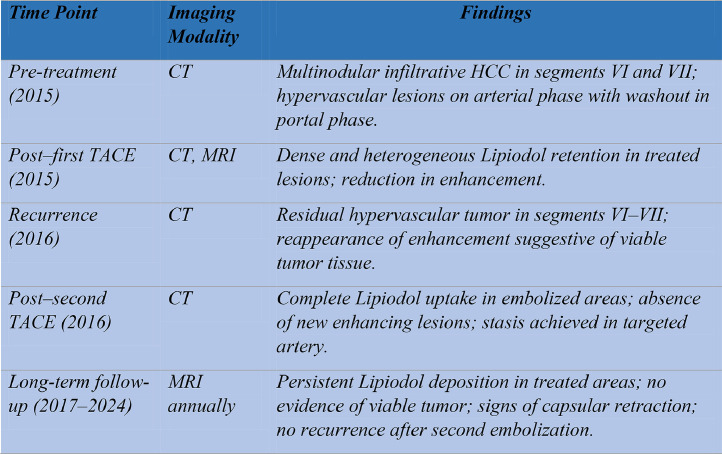 Figure 8
Peer Reviews
No public reviews on file for this paper yet. If you reviewed it on a platform where reviews are public (OpenReview, ICLR, NeurIPS, ICML), you can paste yours below so the community can read it here.
Videos
No videos yet. Explain this paper in a talk, walkthrough, or lecture? Add one.
Taxonomy
TopicsPediatric Hepatobiliary Diseases and Treatments · Gallbladder and Bile Duct Disorders · Biliary and Gastrointestinal Fistulas