Evaluating the effectiveness and sustainability of a primary healthcare strategy to reduce the prevalence of strongyloidiasis in endemically infected Indigenous communities in Northern Australia
Wendy A. Page, David Blair, Karen Dempsey, Beverley-Ann Biggs, Jenni A. Judd, Krystyna Cwiklinski, Eduardo José Lopes-Torres, Krystyna Cwiklinski, Eduardo José Lopes-Torres, Krystyna Cwiklinski, Eduardo José Lopes-Torres

TL;DR
A healthcare strategy using electronic records to test and treat strongyloidiasis in remote Indigenous communities significantly reduced infection rates over eight years.
Contribution
A sustainable primary healthcare strategy integrating electronic health records to reduce strongyloidiasis prevalence in endemic communities.
Findings
84% of adults in four communities were tested for strongyloidiasis, reducing prevalence from 44% to 10%.
85% of treated cases with follow-up tests showed negative results, indicating effective treatment and monitoring.
The intervention's benefits were sustained for four years after implementation ended.
Abstract
Strongyloidiasis is endemic in many remote Indigenous communities in Australia. Early diagnosis, treatment, and follow-up of chronic strongyloidiasis can prevent life-threatening clinical complications and decrease transmission in these endemic communities. The aim of this paper is to evaluate the effectiveness and sustainability of a primary healthcare strategy designed to measure and reduce the prevalence of strongyloidiasis in four remote communities in northeast Arnhem Land. The primary healthcare strategy was a prospective, longitudinal, health-systems intervention designed to integrate serological testing for chronic strongyloidiasis into the Indigenous preventive adult health assessment utilising the electronic health-record systems in four Aboriginal health services. Positive cases were recalled for treatment, and opportunistic follow-up serology after six months. Results were…
Genes, proteins, chemicals, diseases, species, mutations and cell lines named across the full text — each resolved to its canonical identifier and authoritative record.
Click any figure to enlarge with its caption.
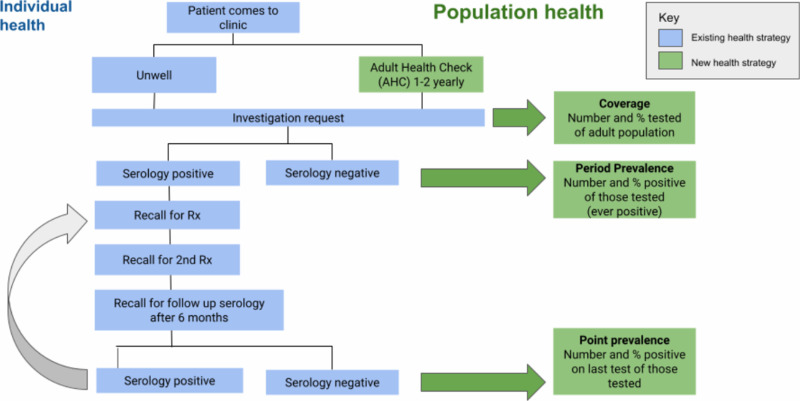 Figure 1
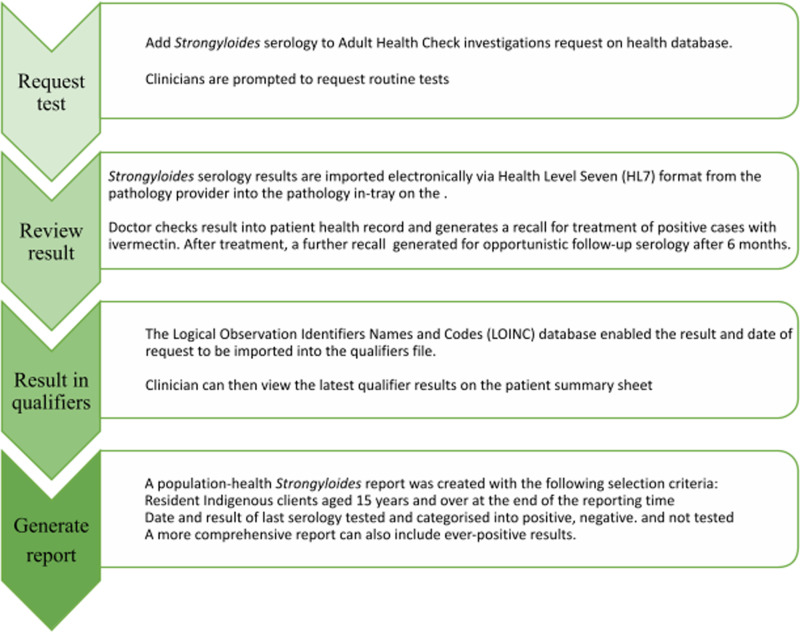 Figure 2
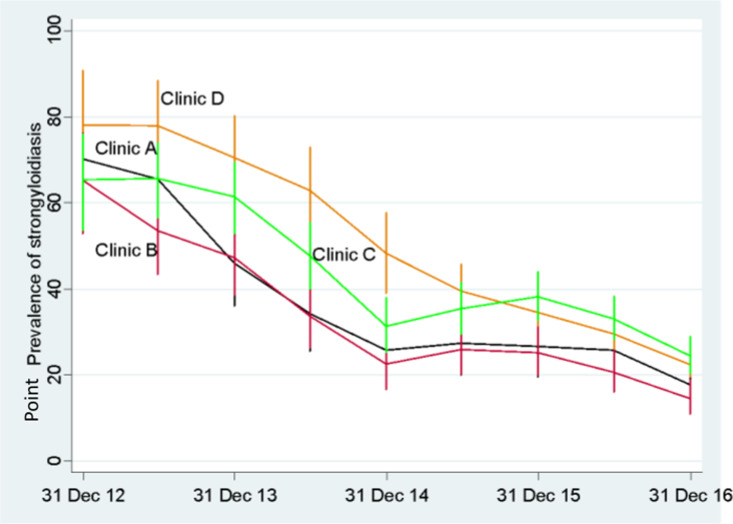 Figure 3
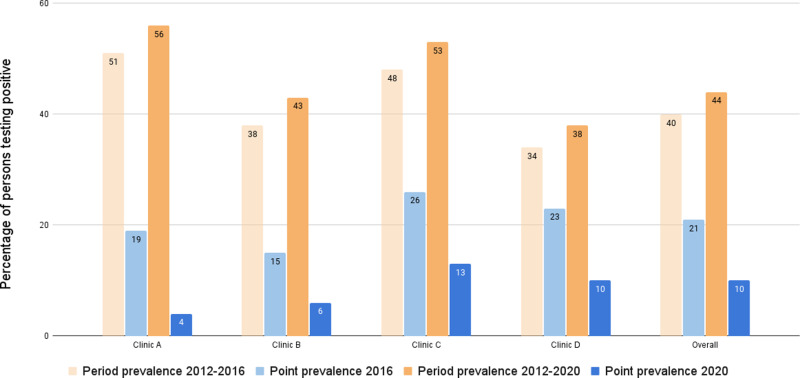 Figure 4
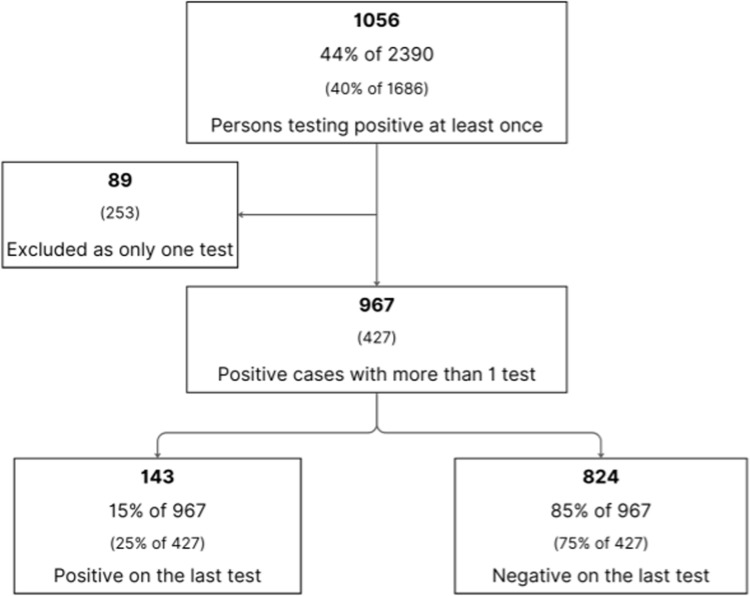 Figure 5
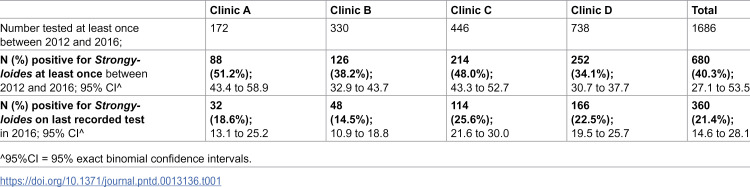 Figure 6
Peer Reviews
No public reviews on file for this paper yet. If you reviewed it on a platform where reviews are public (OpenReview, ICLR, NeurIPS, ICML), you can paste yours below so the community can read it here.
Videos
No videos yet. Explain this paper in a talk, walkthrough, or lecture? Add one.
Taxonomy
TopicsParasites and Host Interactions · Global Maternal and Child Health · Global Health Workforce Issues