Prediction of testosterone deficiency using different screening indexes in adult American men: An NHANES cross-sectional study
Bo Zhang, Yi Gu, Yuanyuan Li, Xingliang Feng, Shaonong Dang, Shaonong Dang, Shaonong Dang

TL;DR
This study finds that a specific obesity-related index called TyG-WHtR is a strong predictor of testosterone deficiency in adult American men.
Contribution
The study identifies TyG-WHtR as the most effective screening index for testosterone deficiency among several metabolic indicators.
Findings
The TyG-WHtR index showed the highest predictive accuracy (AUC: 0.776) for testosterone deficiency.
Men in the highest TyG-WHtR tertile had significantly lower testosterone levels and a six-fold higher risk of testosterone deficiency.
The associations remained consistent even after adjusting for diabetes and hypertension in subgroup analyses.
Abstract
Testosterone levels are closely associated with visceral obesity, insulin resistance, and lipid metabolism. The objective of this study was to investigate the associations among eight indicators related to visceral obesity, insulin resistance, lipid metabolism, and testosterone levels. The data were obtained from a cross-sectional survey based on National Health and Nutrition Examination Survey (NHANES) 2013–2016. Logistic and linear regression were employed to assess the associations between these inicators and testosterone levels. Simultaneously, the receiver operating characteristic (ROC) curve was utilized to evaluate their predictive capacity for testosterone deficiency (TD). Data from a collective of 1514 individuals selected from NHANES were analyzed. After adjusting all potential confounders, a tight association was identified between these eight indexes and TD. The ROC curve…
Genes, proteins, chemicals, diseases, species, mutations and cell lines named across the full text — each resolved to its canonical identifier and authoritative record.
Click any figure to enlarge with its caption.
 Figure 1
 Figure 2
 Figure 3
 Figure 4
 Figure 5
 Figure 6
 Figure 7
 Figure 8
 Figure 9
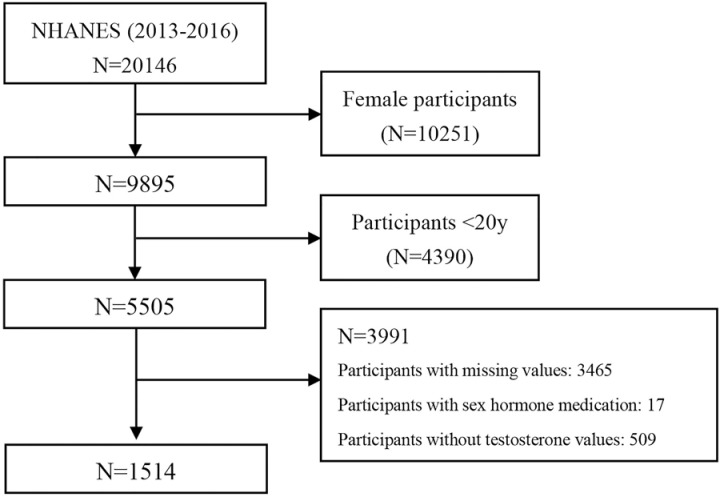 Figure 10
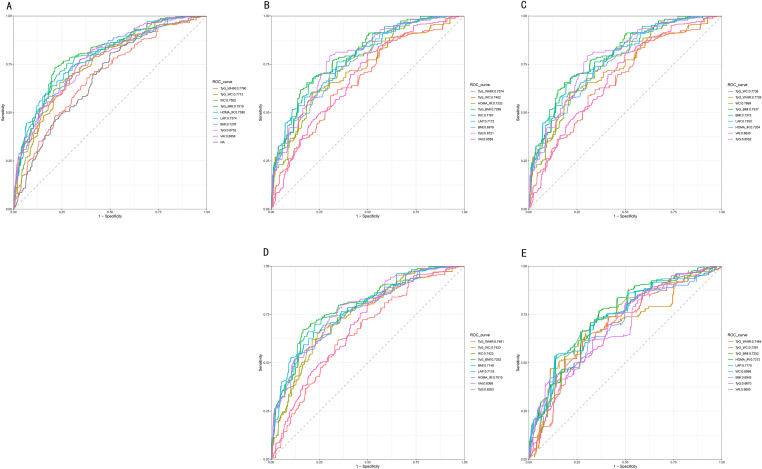 Figure 11
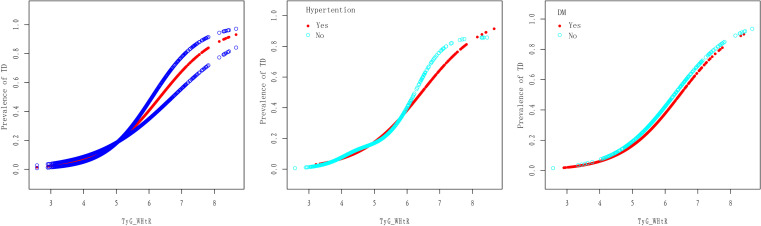 Figure 12
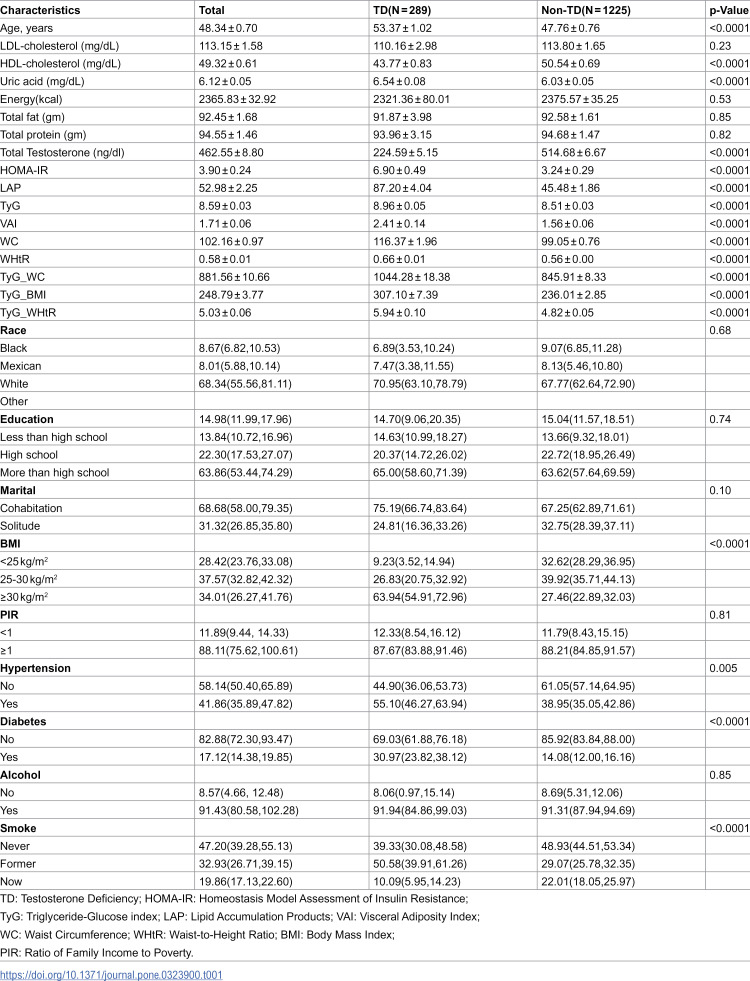 Figure 13
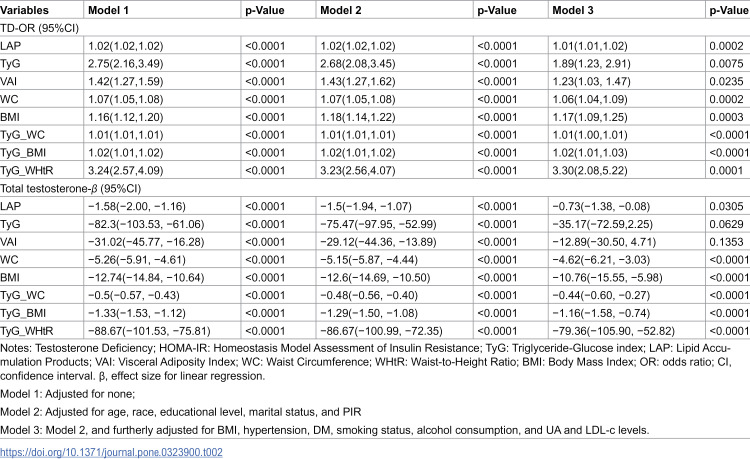 Figure 14
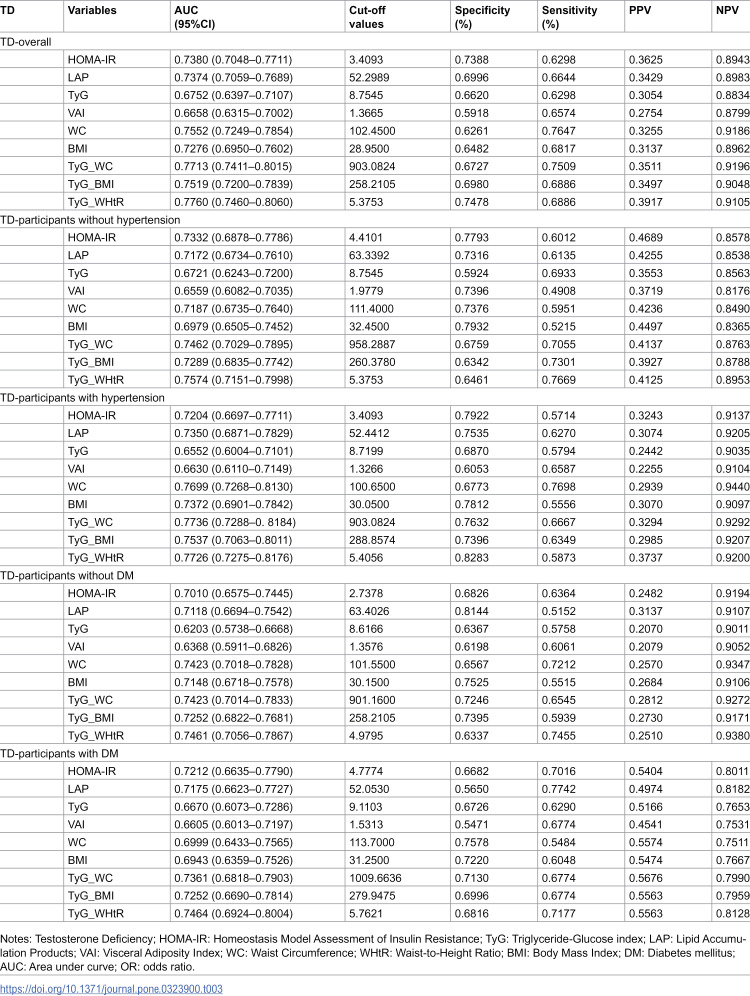 Figure 15
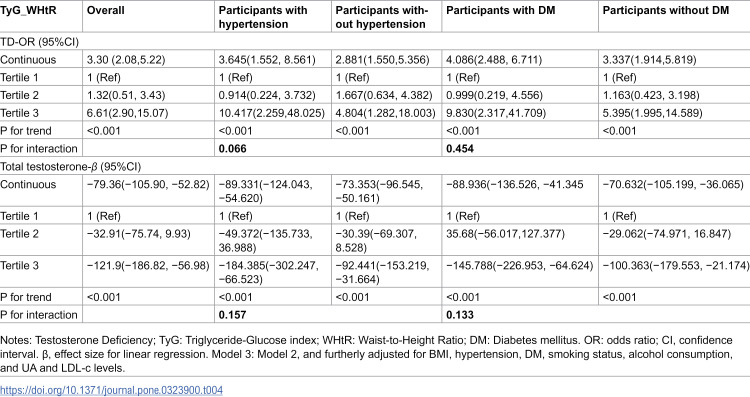 Figure 16
Peer Reviews
No public reviews on file for this paper yet. If you reviewed it on a platform where reviews are public (OpenReview, ICLR, NeurIPS, ICML), you can paste yours below so the community can read it here.
Videos
No videos yet. Explain this paper in a talk, walkthrough, or lecture? Add one.
Taxonomy
TopicsHormonal and reproductive studies · Pharmacology and Obesity Treatment · Sexual Differentiation and Disorders