Intention to Catha edulis chewing cessation and associated factors among Catha edulis chewers of Bahir Dar University students, Northwest Ethiopia: Application of the Trans theoretical model
Misgie Fetene, Zeamanuel Anteneh Yigzaw, Habtamu Wondiye, Rahel Mulatie Anteneh, Almaw Genet Yeshiwas, Getasew Yirdaw, Berhanu Abebaw Mekonnen, Meron Asmamaw Alemayehu, Chalachew Yenew, Gashaw Melkie Bayeh, Anley Shiferaw Enawgaw, Amare Genetu Ejigu, Habitamu Mekonen

TL;DR
This study examines the intention to quit chewing Catha edulis among Ethiopian university students and identifies factors influencing their decision.
Contribution
The study applies the Trans Theoretical Model to assess cessation intention and its associated factors among Catha edulis users in Ethiopia.
Findings
61.8% of participants had an intention to quit Catha edulis chewing within six months.
High consciousness-raising and self-reevaluation were positively associated with cessation intention.
Positive decisional balance and high dependency on Catha edulis were negatively associated with cessation intention.
Abstract
Over 10 million people chew Catha edulis worldwide. Evidence shows that the prevalence of Catha edulis chewing in Ethiopian university students ranged from 6.7% to 56.8%. This study was designed to assess the Catha edulis chewing cessation intention and its associated factors among university students. An institution-based cross-sectional study, using trans theoretical model, was conducted from November 1–30, 2022, among 419 Catha edulis chewers University students North West, Ethiopia. A stratified random sampling technique was used. A structured, pretested, and self-administered questionnaire was used to collect the data. Epi Data version 4.6 was used for data entry, and SPSS version 26 was used for analysis. Binary logistic regression analysis was performed. Adjusted odds ratios (ORs) with 95% confidence intervals (CIs) and p-values <0.05 in the multivariable model were used. Of the…
Genes, proteins, chemicals, diseases, species, mutations and cell lines named across the full text — each resolved to its canonical identifier and authoritative record.
Click any figure to enlarge with its caption.
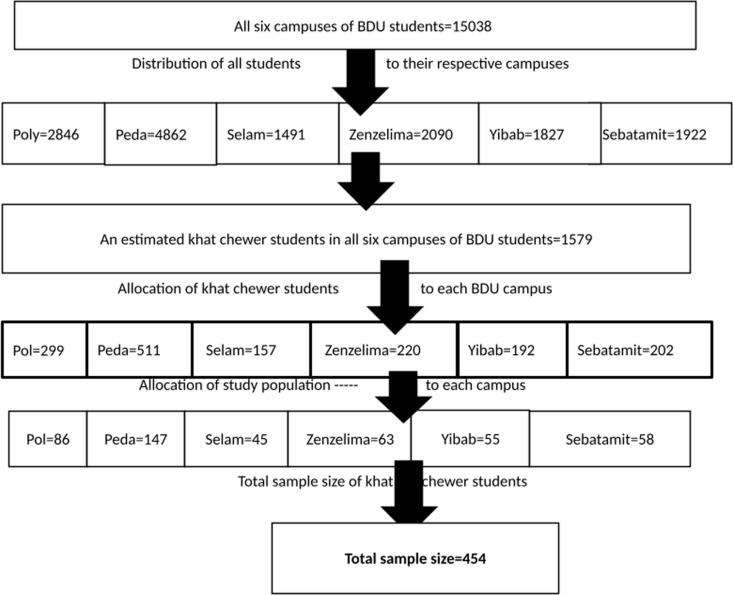 Figure 1
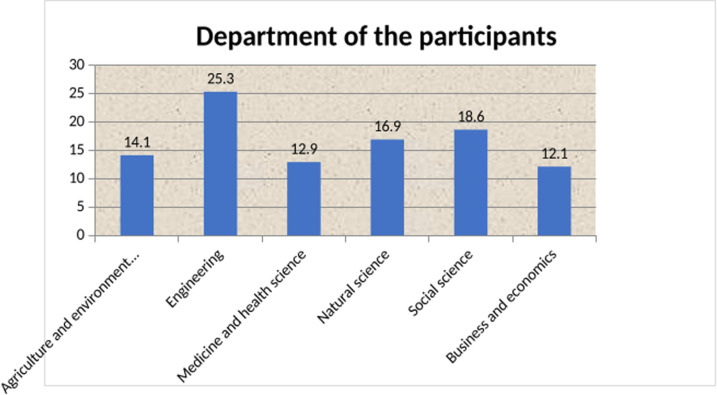 Figure 2
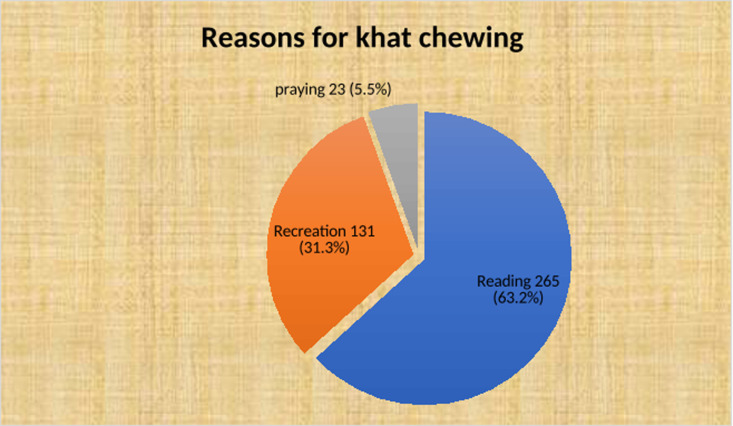 Figure 3
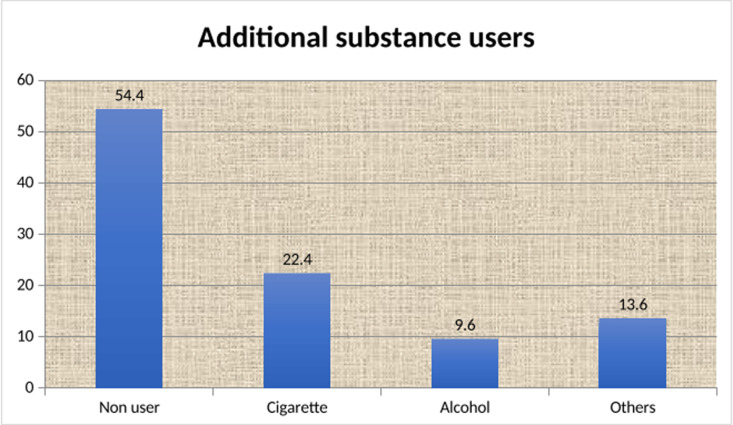 Figure 4
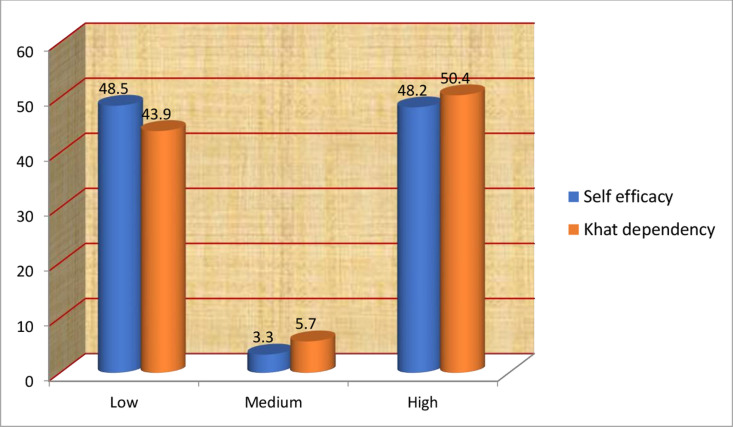 Figure 5
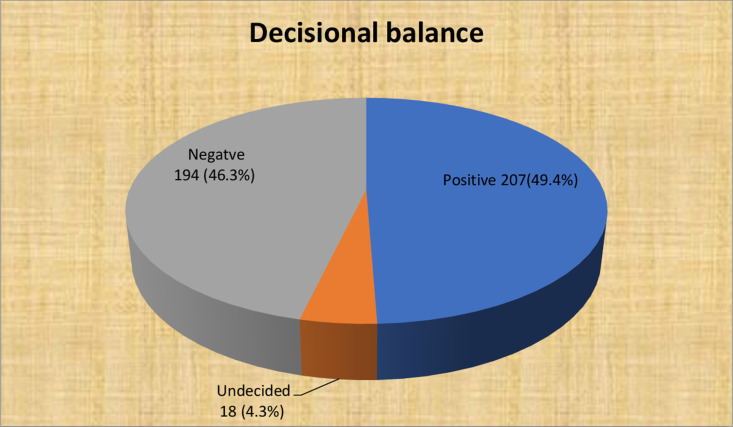 Figure 6
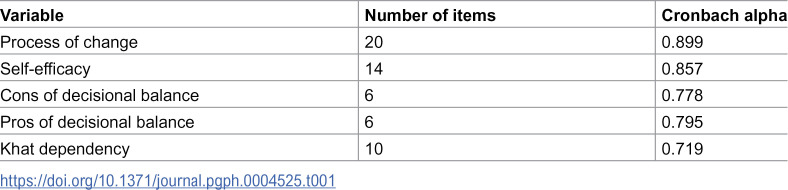 Figure 7
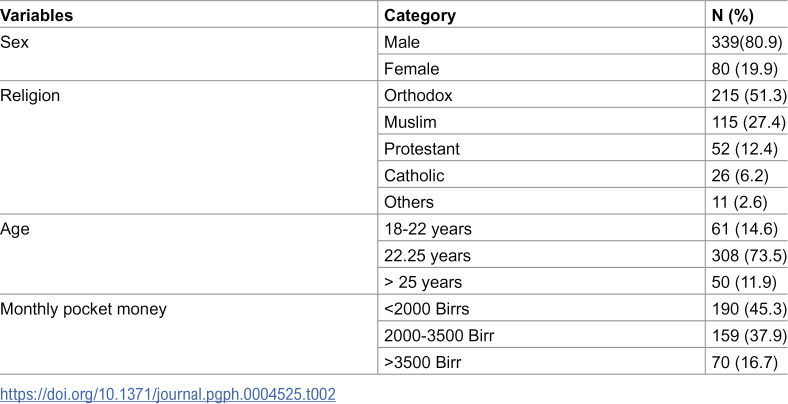 Figure 8
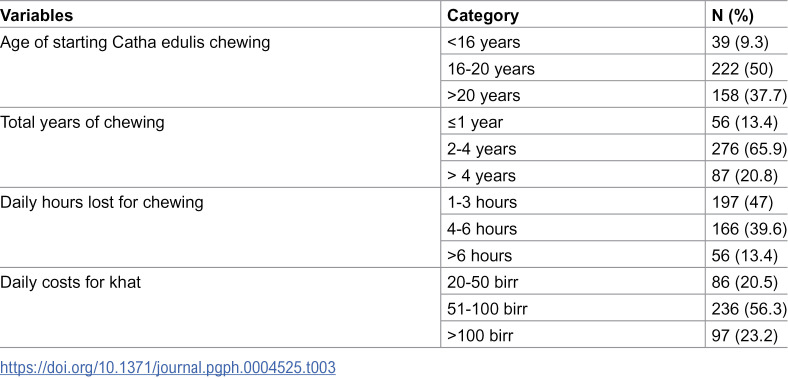 Figure 9
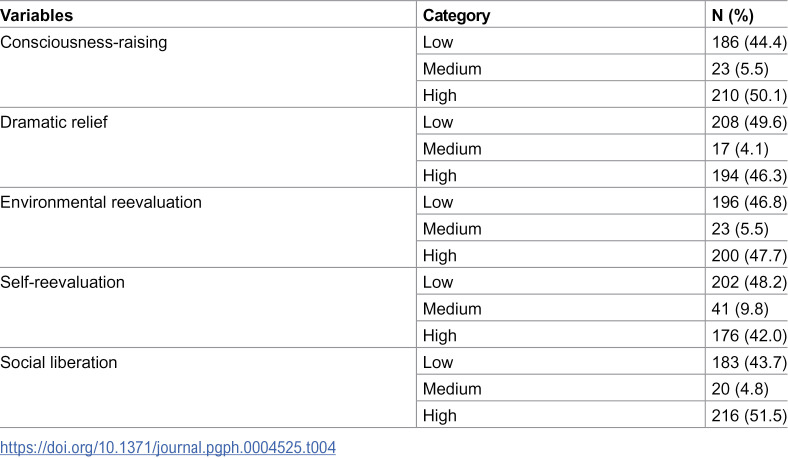 Figure 10
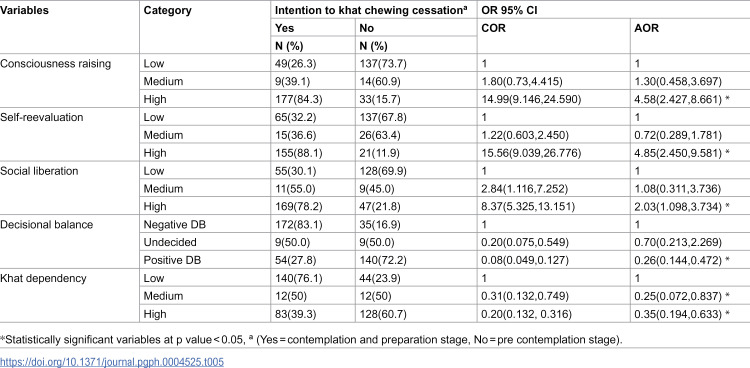 Figure 11
Peer Reviews
No public reviews on file for this paper yet. If you reviewed it on a platform where reviews are public (OpenReview, ICLR, NeurIPS, ICML), you can paste yours below so the community can read it here.
Videos
No videos yet. Explain this paper in a talk, walkthrough, or lecture? Add one.
Taxonomy
TopicsBody Image and Dysmorphia Studies · Obsessive-Compulsive Spectrum Disorders · Anxiety, Depression, Psychometrics, Treatment, Cognitive Processes