Morphometric‐Assisted Prediction of Developmental Toxicity Using Stem Cell‐Based Embryo Models in Microwells
Vinidhra Shankar, Athanasia Zoi Pappa, Clemens van Blitterswijk, Erik Vrij, Stefan Giselbrecht

TL;DR
A new method uses stem cell-based embryo models and automated imaging to detect developmental toxicity more effectively than traditional methods.
Contribution
The study introduces 'morphotoxicity' as a novel concept to assess developmental toxicity through automated morphological analysis.
Findings
High doses of retinoic acid, caffeine, ampyrone, and dexamethasone disrupt embryo model development.
Morphotoxicity provides complementary insights to cytotoxicity for predicting developmental risks.
Automated imaging and machine learning improve the speed and accuracy of toxicity screening.
Abstract
Congenital abnormalities cause ≈3% of fetal defects and premature deaths in Europe, often due to maternal exposure to toxicants. To mitigate the ethical and logistical challenges of animal studies, stem cell‐based models are being exploredthat offer scalable readouts at various stages of embryogenesis. However, most current in vitro models are limited in complexity, throughput, automation compatibility or real‐time spatio‐temporal read‐outs. In this study, a scalable, automated platform capable of imaging and quantifying morphological features such as shape, size, texture, and marker intensity is presented. Using a microwell screening platform, XEn/EpiCs, a peri‐implantation stage embryo model that mimics eXtraembryonic Endoderm and Epiblast co‐development, is robustly generated and used to screen a library of 38 reported compounds. Unlike conventional cytotoxicity assays, this approach…
Genes, proteins, chemicals, diseases, species, mutations and cell lines named across the full text — each resolved to its canonical identifier and authoritative record.
Click any figure to enlarge with its caption.
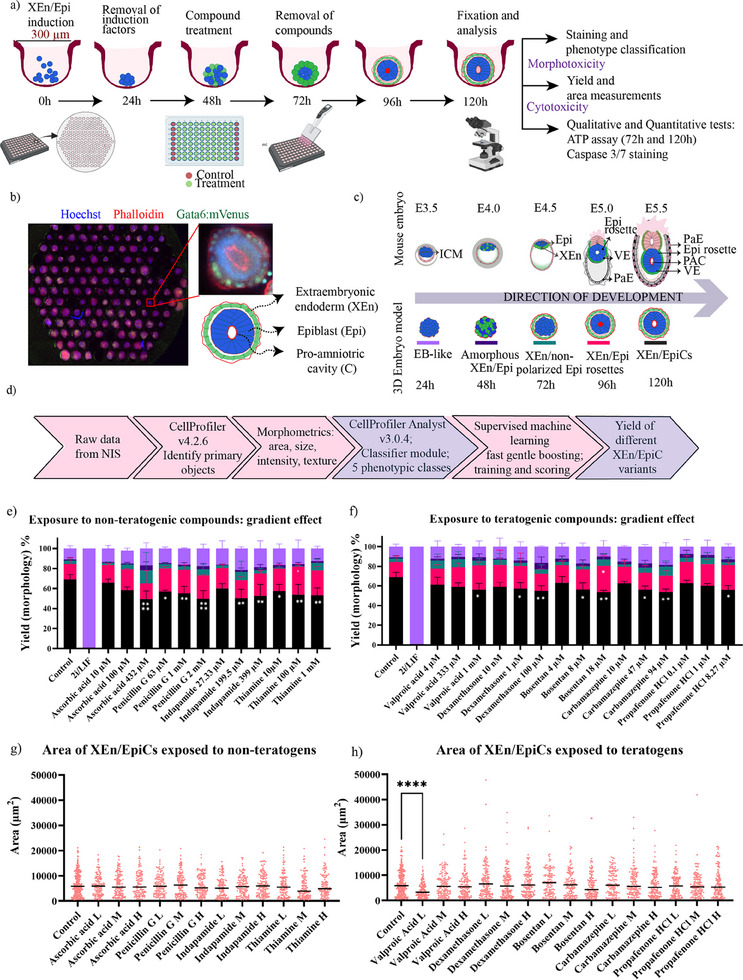 Figure 1
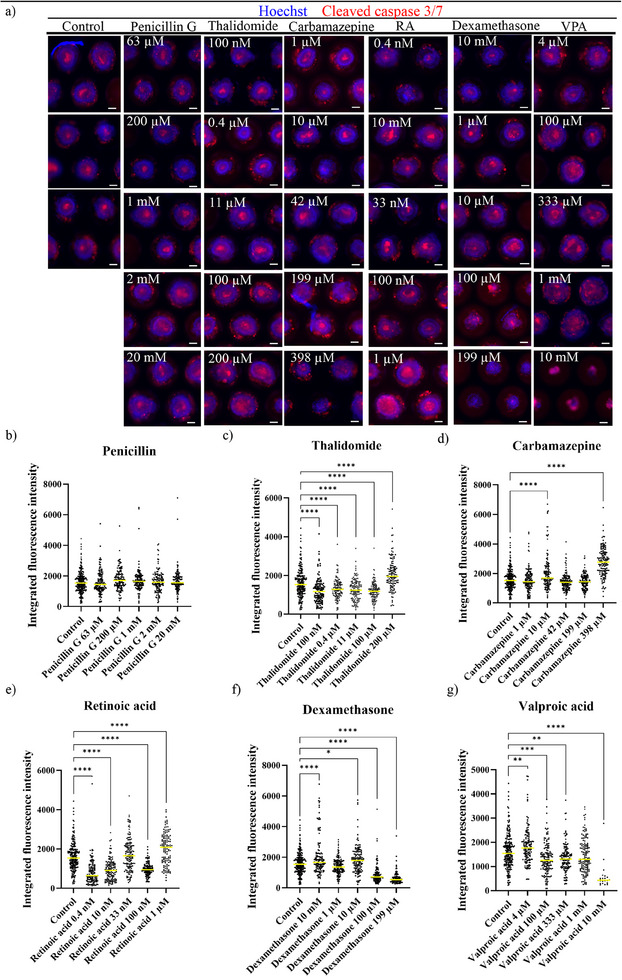 Figure 2
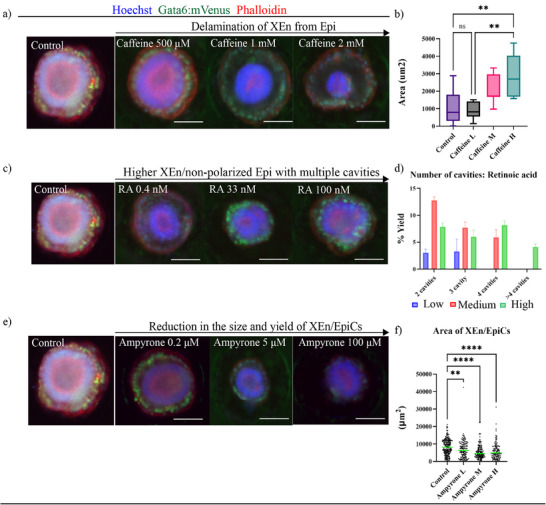 Figure 3
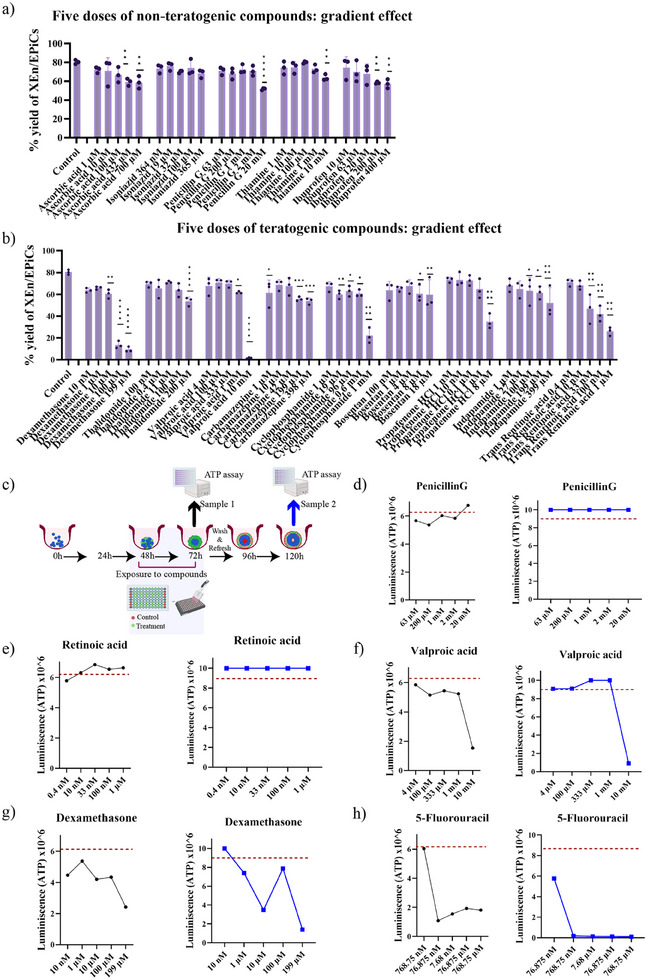 Figure 4
 Figure 5
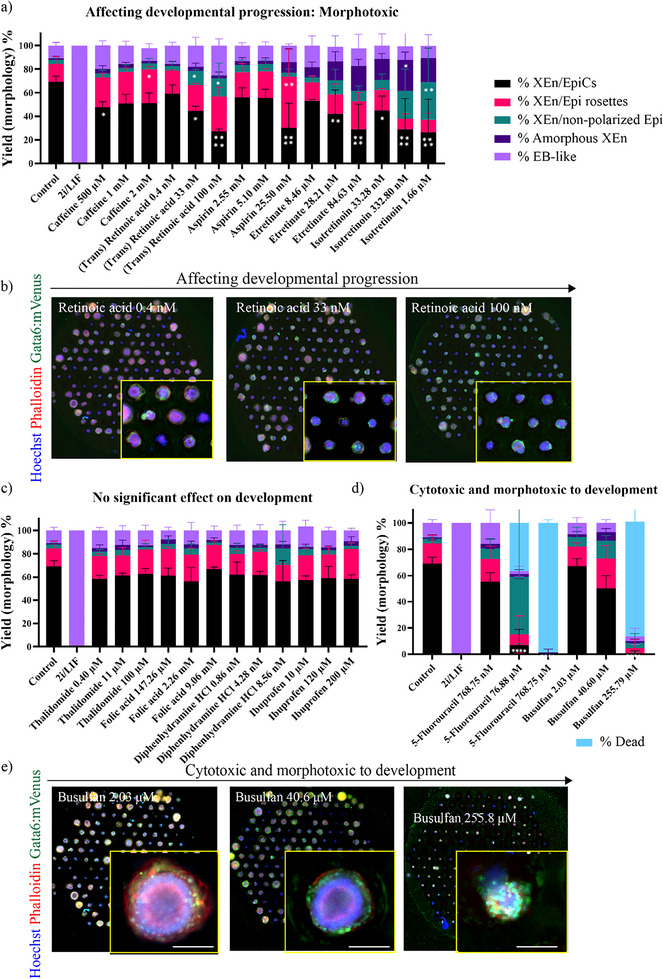 Figure 6
Peer Reviews
No public reviews on file for this paper yet. If you reviewed it on a platform where reviews are public (OpenReview, ICLR, NeurIPS, ICML), you can paste yours below so the community can read it here.
Videos
No videos yet. Explain this paper in a talk, walkthrough, or lecture? Add one.
Taxonomy
TopicsPluripotent Stem Cells Research · 3D Printing in Biomedical Research · Renal and related cancers