Determination of Enantiomeric Excess in Confined Aprotic Solvent
Emer B. Farrell, Fionn McNeill, Dominik Duleba, Adria Martínez-Aviño, Patrick J. Guiry, Robert P. Johnson

TL;DR
This paper introduces a new nanopore-based method for quickly and cheaply measuring the stereochemical purity of compounds, which is important for drug production.
Contribution
A novel nanopore-based platform using ion-current rectification for rapid enantiomeric excess determination is introduced.
Findings
The nanopore method distinguishes enantiomers through changes in ion-current rectification.
The platform successfully determined enantiomeric excess for multiple compounds in minutes.
The method uses low-cost equipment and minimal sample volumes.
Abstract
The validation of the stereochemical purity of synthesized compounds is a requisite for the fine-chemical industry, particularly in the production of enantiopure drug compounds. However, most methodologies employed in the determination of enantiopurity require carefully chosen chiral GC or HPLC columns, increasing associated cost, analysis time, and complexity. Herein, we present a nanopore-based technology for the determination of enantiopurity, exploiting changes in ion-current rectification of quartz nanopipettes containing an aprotic organic electrolyte. Changes in solvent ordering at the quartz surface upon enantiomerically preferential adsorption give rise to distinguishable current-voltage responses. The applicability of our simple and cost-effective platform is demonstrated through the determination of the enantiomeric excess of commercially available (R)- and (S)-enantiomers of…
Genes, proteins, chemicals, diseases, species, mutations and cell lines named across the full text — each resolved to its canonical identifier and authoritative record.
Click any figure to enlarge with its caption.
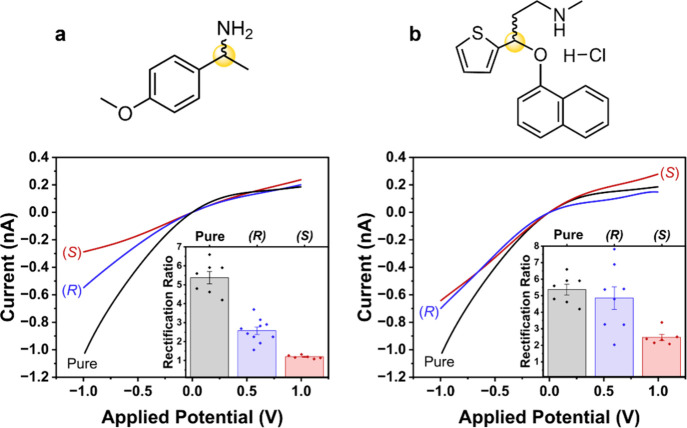 Figure 1
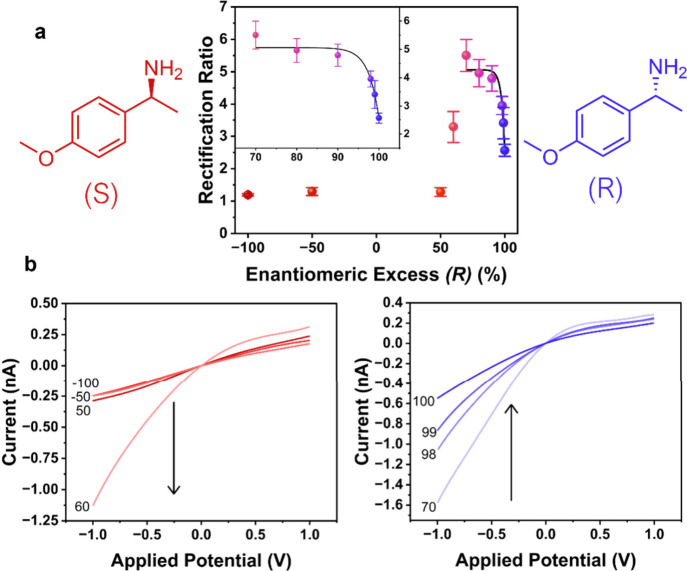 Figure 2
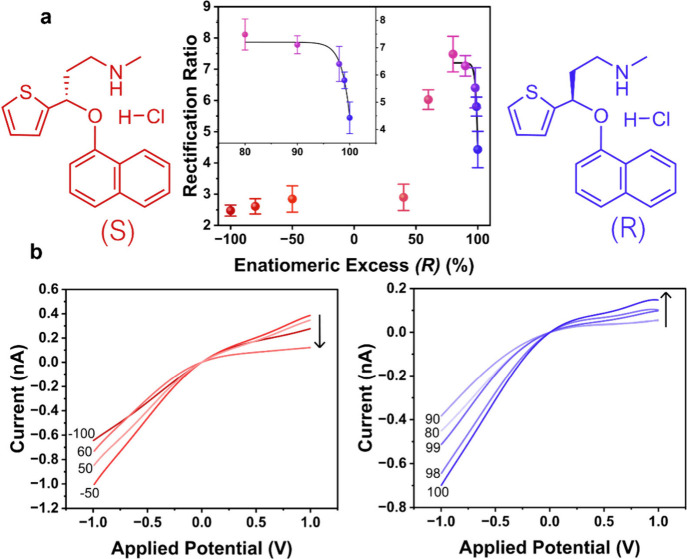 Figure 3
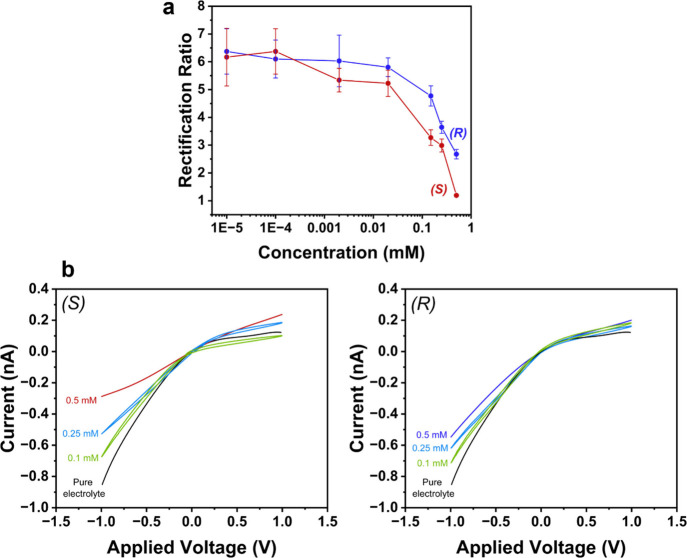 Figure 4
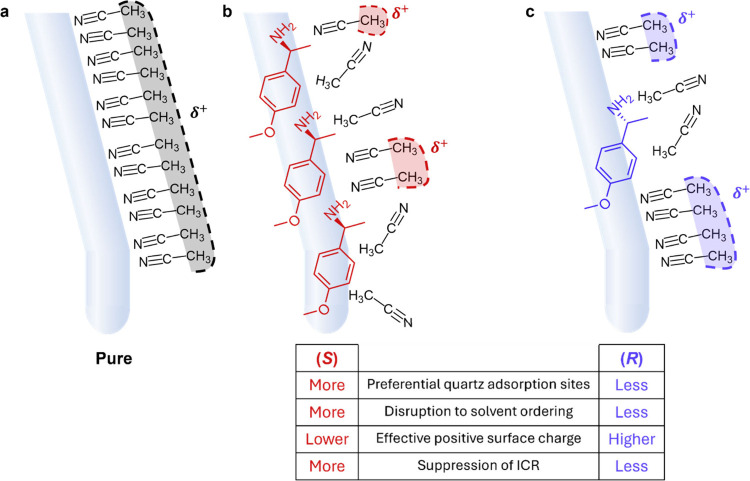 Figure 5
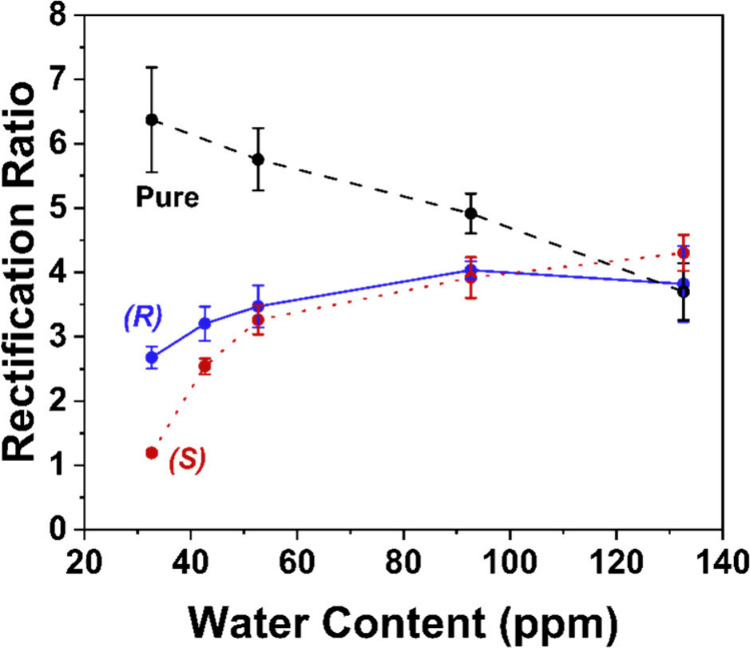 Figure 6
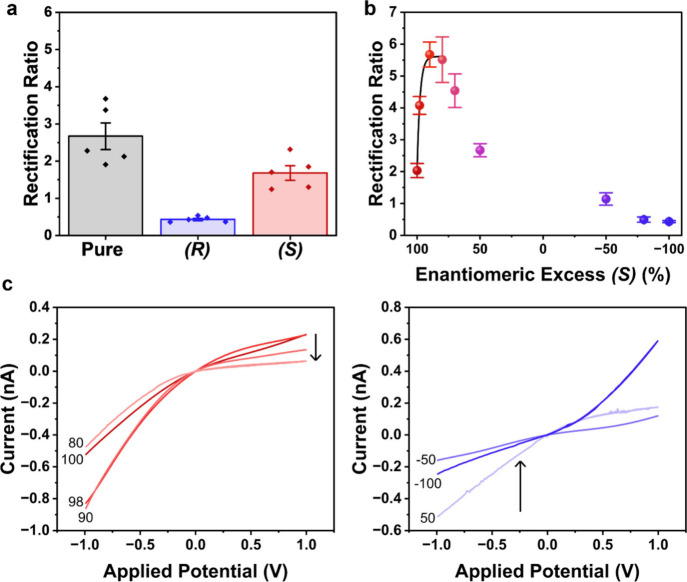 Figure 7
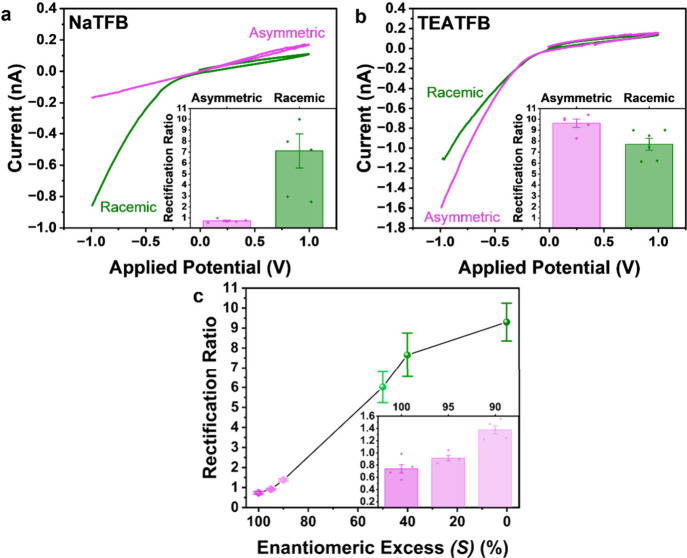 Figure 8
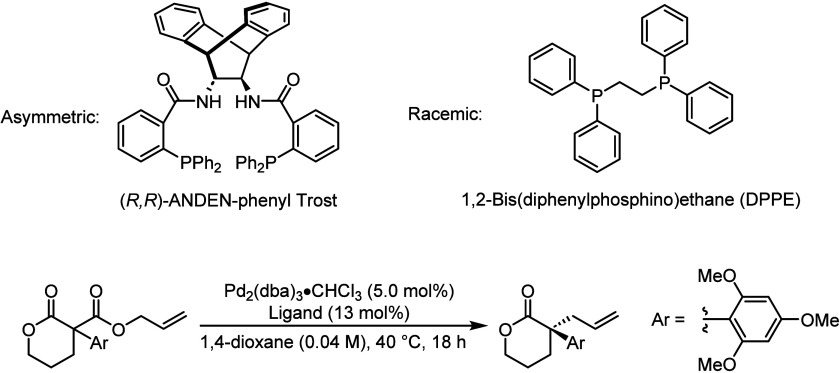 Figure 9
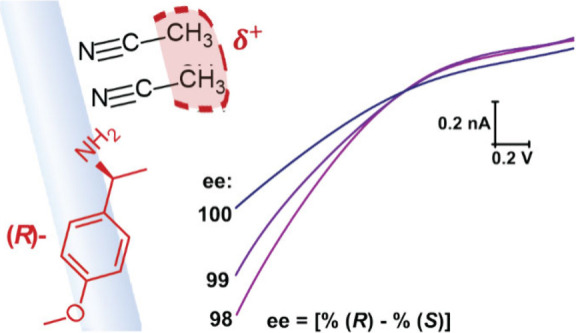 Figure 10
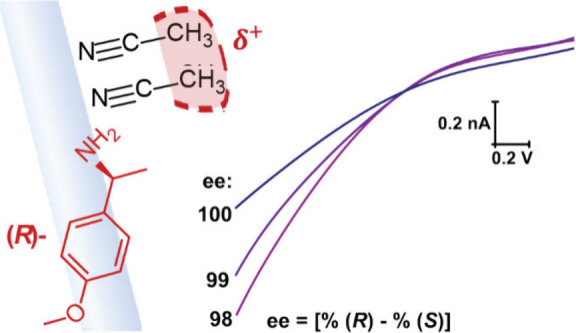 Figure 11
 Figure 12
 Figure 13
Peer Reviews
No public reviews on file for this paper yet. If you reviewed it on a platform where reviews are public (OpenReview, ICLR, NeurIPS, ICML), you can paste yours below so the community can read it here.
Videos
No videos yet. Explain this paper in a talk, walkthrough, or lecture? Add one.
Taxonomy
TopicsAnalytical Chemistry and Chromatography · Molecular spectroscopy and chirality · Surface Chemistry and Catalysis