Ethnoveterinary Practices Related to Captive Elephants in Sauraha, Chitwan, Nepal
Sachin Devkota, Alok Dhakal, Sher Bahadur Jethara, Manish Chaudhary, Rakesh Kumar Yadav, Bijay Kumar Shrestha

TL;DR
This study documents traditional use of medicinal plants by Nepali mahouts to treat captive elephant ailments, highlighting the importance of preserving this ethnoveterinary knowledge.
Contribution
The study provides a detailed inventory of 42 plant species used in ethnoveterinary practices for captive elephants in Sauraha, Nepal.
Findings
The Fabaceae and Poaceae families were most commonly used for treating elephant ailments.
Paste formulation was the most common preparation method, with oral administration being the primary route.
Azadirachta indica (Neem) was the most frequently cited plant for treating elephant diseases.
Abstract
The use of medicinal plants for treating animal diseases is a longstanding and widespread practice in Nepal, providing farmers with an accessible and cost‐effective option. This study aimed to document traditional knowledge regarding medicinal plants used to treat ailments in captive elephants in Sauraha, Chitwan. A total of 56 mahouts, responsible for the care of privately and government‐owned captive elephants, were interviewed through face‐to‐face interactions. The study identified 42 plant species from 26 families used to treat 27 ailments in captive elephants. Among these, the Fabaceae family was the most dominant, followed by the Poaceae family. The most commonly used plant parts were leaves, bark, and seeds. Medicinal herbs were predominantly prepared in paste formulations (21 plant species), while raw formulations were used for 15 species. The oral route of administration was…
Genes, proteins, chemicals, diseases, species, mutations and cell lines named across the full text — each resolved to its canonical identifier and authoritative record.
Click any figure to enlarge with its caption.
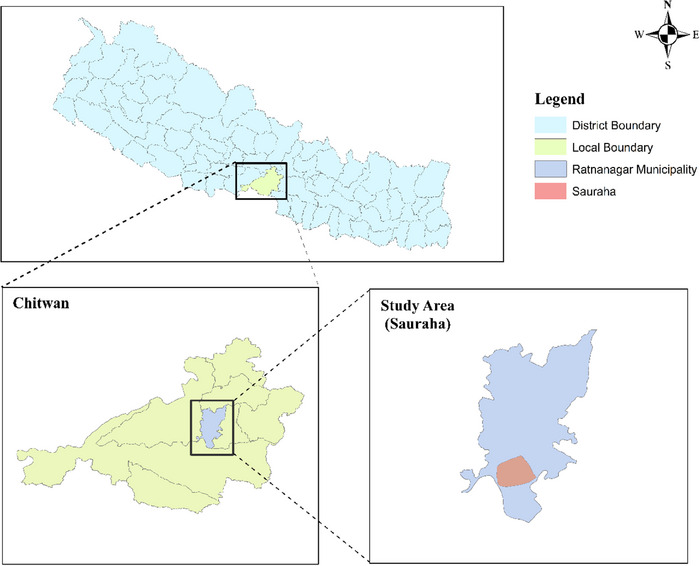 FIGURE 1
| Description | Percentage (Frequency) |
|---|---|
|
| |
| <40 | 55.4% |
| ≥40 | 44.6% |
|
| |
| Male | 98.2% |
| Female | 1.8% |
|
| |
| ≤ 10 | 17.9% |
| 11–19 | 50% |
| ≥20 | 32.1% |
|
| |
| Yes | 66.1% |
| No | 33.9% |
|
| |
| Government owned captive elephants | 55.6% |
| Private elephants | 44.4% |
| ID | Family | Botanical name | Local name | Life form | Parts used | Form | Route | Ailment category | Ailments |
|---|---|---|---|---|---|---|---|---|---|
| C‐2023‐11 | Acoraceae |
| Bojho or Ghodbachh | Herbs | Seed, leaf | Powder, paste | Dermal | Dermatological | Foot rot |
| Leaf, root | Paste, roast | Oral | Gastro‐intestinal | Bloat1, indigestion, constipation2,12, stomach aches3,12, flatulence, diarrhea11 | |||||
| Root | Roast | Oral | Respiratory | Cold | |||||
| C‐2023‐50 | Amaryllidaceae |
| Pyaj | Herbs | Bulb | Paste | Oral | Gastro‐intestinal | Diarrhea4 |
| Ecto‐Endo parasite | Endo‐parasite5 | ||||||||
| C‐2023‐13 |
| Lasun | Herbs | Bulb | Paste, Roast | Oral | Gastro‐intestinal | Constipation2,6,12, stomach aches12, bloat6, diarrhea7,11 | |
| Paste | Dermal | Wound and injury | Wound & injuries | ||||||
| Oral | Reproductive | Musth8 | |||||||
| Dermal | Ecto‐endo parasite | Ecto‐parasite | |||||||
| C‐2023‐36 | Apiaceae |
| Kalo jeera | Herbs | Seed | Paste | Oral | Gastro‐intestinal | Stomach aches, indigestion, constipation8, flatulence9, bloat9 |
| Ecto‐endo parasite | Endo‐parasite | ||||||||
| C‐2023‐12 |
| Jeera | Herbs | Seed | Roast, paste, powder | Oral | Gastro‐intestinal | Constipation10, bloat, indigestion, stomach aches | |
| C‐2023‐41 |
| Jwano | Herbs | Seed | Roast, paste | Oral | Gastro‐intestinal | Diarrhea11, constipation10,12, bloat, indigestion, stomach aches12, flatulence | |
| Juice | Oral | Respiratory | Common cold13 | ||||||
| C‐2023‐22 | Apocynaceae |
| Aak | Shrubs | Root | Paste | Dermal | Dermatological | Foot Rot |
| Flower | Roast | Oral | Respiratory | Common cold | |||||
| C‐2023‐17 | Asphodelaceae |
| Musabbar or Ghyukumari | Herbs | Leaf | Decoction | Dermal | Inflammation | Swollen areas |
| Paste | Dermal | Ecto‐Endo parasite | Ecto‐parasite | ||||||
| C‐2023‐23 | Asteraceae |
| Ganaune jhar | Herbs | Whole plant, Leaf | Juice, Paste | Dermal | Dermatological | Maggot infection, Foot Rot |
| C‐2023‐26 | Brassicaceae |
| Tori | Herbs | Seed | Paste | Dermal | Dermatological | Foot Rot |
| Dermal | Inflammation | Swollen14 | |||||||
| Dermal | Osteological | Swollen joint | |||||||
| Dermal | Reproductive | Post‐partum massage | |||||||
| C‐2023‐40 |
| Pahelo Jhar | Herbs | Whole plant | Paste | Oral | Ecto‐Endo parasite | Ecto‐parasite | |
| C‐2023‐27 | Convolvulaceae |
| Aakash Lati | Herbs | Whole plant | Juice | Dermal | Inflammation | Inflammatory parts |
| C‐2023‐43 | Cucurbitaceae |
| Kuvindo | Climbers | Fruit | Raw | Oral | Reproductive | Musth |
| C‐2023‐31 | Euphorbiaceae |
| Bhelar | Trees | Fruit | Paste | Dermal | Dermatological | Foot Rot |
| C‐2023‐24 | Fabaceae |
| Palas | Trees | Bark | Powder | Dermal | Dermatological | Maggot infection |
| C‐2023‐44 |
| Lajawati jhar | Herbs | Leaf | Raw | Oral | Gastro‐intestinal | Indigestion | |
| C‐2023‐47 |
| Khair | Trees | Bark, Whole plant, Root | Raw, Powder | Oral | Gastro‐intestinal | Diarrhea, Indigestion | |
| C‐2023‐14 |
| Imli | Trees | Leaf | Juice | Ocular | Eye problem | Abnormal eye discharges15 | |
| Paste | Dermal | Osteological | Sprain | ||||||
| C‐2023‐25 |
| Methi | Herbs | Seed | Decoction | Dermal | Inflammation | Swollen area14,16,20 | |
| Powder | Oral | Gastro‐intestinal | Constipation2,10,12, Stomach aches3,12 | ||||||
| C‐2023‐35 | Gentianaceae |
| Chiraita | Herbs | Whole plant | Raw | Oral | Ecto‐Endo parasite | Endo‐parasite |
| C‐2023‐32 | Lamiaceae |
| Pudina | Herbs | Leaf | Paste | Oral | Gastro‐intestinal | Constipation, Stomach aches, Indigestion |
| C‐2023‐33 |
| Tulsi | Shrubs | Leaf | Juice | Oral | Respiratory | Common cold | |
| C‐2023‐16 | Lauraceae |
| Medh | Trees | Bark | Paste | Dermal | Osteological | Fracture |
| Dermatological | Foot rot | ||||||||
| C‐2023‐42 | Malvaceae |
| Simal | Trees | Bark | Raw | Oral | Respiratory | Cold |
| C‐2023‐19 | Meliaceae |
| Neem | Trees | Leaf, Bark | Paste | Dermal | Dermatological | Foot Rot |
| Paste, Powder, Roast | Oral, Dermal | Ecto‐Endo parasite | Ecto‐parasite | ||||||
| Raw | Oral | Gastro‐intestinal | Indigestion | ||||||
| Juice | Dermal | Inflammation | Swollen areas17 | ||||||
| Juice | Dermal | Nervous | Paralysis of leg | ||||||
| Powder, Paste | Dermal | Wound and injury | Wounded part | ||||||
| C‐2023‐49 | Menispermaceae |
| Gurjo | Climbers | Stem, Whole plant | Raw | Oral | Gastro‐intestinal | Diarrhea |
| Raw | Oral | General weakness | Weakness | ||||||
| Juice, Raw | Oral | Respiratory | Common cold18 | ||||||
| C‐2023‐39 | Moraceae |
| Bar | Trees | Bark, Leaf | Raw, Paste | Oral | Gastro‐intestinal | Diarrhea, Constipation, Bloat |
| Raw | Oral | Respiratory | Cold | ||||||
| C‐2023‐37 |
| Dudhe Lahara | Trees | Leaf, Bark | Paste, Roast | Dermal | Dermatological | Foot Rot | |
| Raw | Oral | Gastro‐intestinal | Bloat | ||||||
| C‐2023‐38 |
| Pipal | Trees | Leaves, Bark | Paste, Raw | Oral | Gastro‐intestinal | Diarrhea | |
| Oral | Respiratory | Cold | |||||||
| C‐2023‐21 | Myrtaceae |
| Amba | Trees | Leaves | Raw | Oral | Gastro‐intestinal | Diarrhea |
| C‐2023‐52 |
| Jamun | Trees | Bark | Raw | Oral | Gastro‐intestinal | Diarrhea | |
| C‐2023‐45 | Piperaceae |
| Kalo Mirch | Shrubs | Seed | Paste | Oral | Gastro‐intestinal | Flatulence |
| Powder | Oral | Reproductive | Musth19 | ||||||
| C‐2023‐46 | Poaceae |
| Baas | Shrubs | Leaf | Raw | Oral | Gastro‐intestinal | Diarrhea |
| Decoction | Dermal | Inflammation | Swollen areas20 | ||||||
| Raw | Oral | Reproductive | Normal parturition | ||||||
| Decoction | Oral | Respiratory | Common cold21 | ||||||
| C‐2023‐29 |
| Dubo | Herbs | Leaf | Juice | Ocular | Eye problem | Redness of eye | |
| C‐2023‐34 |
| Dhan | Herbs | Seed | Raw | Oral | Gastro‐intestinal | Diarrhea | |
| Raw | Oral | Reproductive | Increase lactation22 | ||||||
| C‐2023‐28 |
| Ukhu | Shrubs | Fruit | Raw | Dermal | Dermatological | Maggot infection | |
| Stem | Raw | Oral | General weakness | Weakness | |||||
| C‐2023‐48 | Rutaceae |
| Kagati | Shrubs | Fruit | Juice | Oral | Gastro‐intestinal | Constipation, Bloat |
| C‐2023‐51 | Santalaceae |
| Harchul | Shrubs | Bark | Decoction | Dermal | Osteological | Fracture |
| C‐2023‐18 | Solanaceae |
| Khatmiti | Herbs | Leaf | Juice | Ocular | Eye problem | Cataract |
| C‐2023‐15 | Vitaceae |
| Mane | Climbers | Bark | Decoction | Dermal | Inflammation | Swollen parts |
| Nervous | Paralysis, Nerve injury | ||||||||
| Osteological | Fracture, Swollen joint | ||||||||
| Powder | Wound and injury | Wounded region | |||||||
| C‐2023‐20 | Zingiberaceae |
| Besar | Herbs | Rhizome | Paste, Decoction | Dermal | Dermatological | Foot Rot |
| Oral | Gastro‐intestinal | Bloat1, diarrhea7, Constipation12, Stomach aches12 | |||||||
| Oral | Reproductive | Irregular estrous23 | |||||||
| Dermal | Wound and injury | Wounded parts | |||||||
| Oral | Respiratory | Cold | |||||||
| C‐2023‐30 |
| Adhuwa | Herbs | Rhizome | Powder | Oral | Gastro‐intestinal | Constipation12, Stomach aches12 | |
| Roast | Respiratory | Cold13 |
| Family | Number of plants |
|---|---|
| Fabaceae | 5 |
| Poaceae | 4 |
| Apiaceae | 3 |
| Moraceae | 3 |
| Amaryllidaceae | 2 |
| Brassicaceae | 2 |
| Lamiaceae | 2 |
| Myrtaceae | 2 |
| Zingiberaceae | 2 |
| Acoraceae | 1 |
| Apocynaceae | 1 |
| Asphodelaceae | 1 |
| Asteraceae | 1 |
| Convolvulaceae | 1 |
| Cucurbitaceae | 1 |
| Euphorbiaceae | 1 |
| Gentianaceae | 1 |
| Lauraceae | 1 |
| Malvaceae | 1 |
| Meliaceae | 1 |
| Menispermaceae | 1 |
| Piperaceae | 1 |
| Rutaceae | 1 |
| Santalaceae | 1 |
| Solanaceae | 1 |
| Vitaceae | 1 |
| Botanical name | Local name |
Number of informants who cite the species | Citation frequency |
|---|---|---|---|
|
| Neem | 19 | 33.93 |
|
| Tori | 18 | 32.14 |
|
| Jwano | 14 | 25.00 |
|
| Khair | 13 | 23.21 |
|
| Baas | 13 | 23.21 |
|
| Besar | 8 | 14.29 |
|
| Mane | 7 | 12.50 |
|
| Gurjo | 7 | 12.50 |
|
| Bojho | 7 | 12.50 |
|
| Lasun | 6 | 10.71 |
Peer Reviews
No public reviews on file for this paper yet. If you reviewed it on a platform where reviews are public (OpenReview, ICLR, NeurIPS, ICML), you can paste yours below so the community can read it here.
Videos
No videos yet. Explain this paper in a talk, walkthrough, or lecture? Add one.
Taxonomy
TopicsEthnobotanical and Medicinal Plants Studies · Rangeland Management and Livestock Ecology · Wildlife Ecology and Conservation
Introduction
1
Ayurveda is an ancient system of medicine for human health with historical roots in India (Mathpati et al. 2020). Ayurveda has been used to treat both human and animal diseases for centuries (Jaiswal and Williams 2017). The local plants utilised for treating diseases of livestock and domestic birds are generally called ethnoveterinary medicinal plants (Khattak et al. 2015). Traditional medical practices have been employed for generations and passed down orally from one generation to the next (Ouma 2022). Ancient books such as the Agnipurana, Devipurana, Garudpurana, Lingapurana, Matsyapurana, Skandapurana, Charaka Samhita and Susruta Samhita describe numerous methods of treating animal ailments using medicinal herbs (Upadhyay et al. 2011). However, these age‐old traditions are gradually fading as modern civilisation increasingly prioritises new technologies and medical advancements. The use of ethnoveterinary practice as primary care has been seen mostly in Asia and Africa, largely due to its cost‐effectiveness compared to pharmaceutical products. For example, in Nepal, researchers identified 103 plant species from 56 families used for treating domestic animals in the Argakhanchi district (Dhakal et al. 2021).
While ethnoveterinary practices have been well‐documented for various livestock species, there is a noticeable lack of information regarding their application to captive elephants. About 15,000 Asian elephants in range countries are utilised in temples, the timber industry, or kept under private ownership, while around 2,000 African and Asian elephants are housed in zoological facilities and circuses (Hildebrandt et al. 2012). Nepal is home to an estimated 400 elephants, with roughly equal numbers of wild and captive individuals found across the lowland regions (Ram and Acharya 2020). In such environments, health care and the dietary needs of captive elephants are often called into question. Studies on captive elephants in zoos, private facilities, and religious settings have highlighted concerns regarding their welfare and nutritional requirements (Vanitha et al. 2016; Dubost et al. 2019). So, as a cost‐effective alternative and complementary to modern medicines, most of the mahouts use ethnoveterinary practice for treatment of ailments. Few studies have documented the application of ethnoveterinary care in captive elephants. A study in India identified the use of 53 plant species from 29 families to treat 23 different diseases in captive elephants (Jayakumar et al. 2017).
To best of our knowledge, there has not been any documented ethnoveterinary study among mahouts in Nepal. This study aims to address this gap by documenting the use of ethnoveterinary medicine in the treatment of captive elephants in Sauraha, Chitwan, Nepal. This research not only aids in preserving the limited knowledge on elephant healthcare but also highlights the importance of preserving endangered plant species.
Methodology
2
Study Area
2.1
The study was conducted in Sauraha, which lies in Ratnanagar municipality of Chitwan District, Nepal. The site was selected purposively, as Sauraha is the buffer zone of Chitwan National Park (CNP) (Figure 1). Sauraha is one of the major tourist destinations and has a high number of captive elephants. Sauraha is part of the subtropical Terai region and is characterised by diverse vegetation. The area is dominated by tropical moist deciduous forests, with Sal (Shorea robusta Roth) being the primary tree species. Riverine forests along the Rapti and Narayani rivers feature trees like Sissoo (Dalbergia sissoo Roxb.) and Khair (Acacia catechu (L.f.) Willd.). The region also includes grasslands, known as ‘Phanta’, which are rich in tall grasses such as Saccharum spontaneum (L.). This diverse vegetation supports a variety of wildlife, including elephants and one‐horned rhinoceroses, and is crucial to the local ecosystem and community livelihoods. CNP was established in 1973 and covers about 952.6 square km of land. Sauraha is located in the eastern part of CNP and is the park's key gateway. The CNP is situated on the southern portion of the Chitwan District sharing the southern frontier with Balmiki Tiger Reserve of India and the eastern boundary with Parsa National Park. The national park falls within the bio‐climatic sub‐tropical monsoonal climate, and the mean annual rainfall is 2,100 mm.
Map of study area showing Sauraha. The map was prepared using ArcGis 10.8, and the shape file was obtained from https://opendatanepal.com/dataset/new‐political‐and‐administrative‐boundaries‐shapefile‐of‐nepal.
Field Work and Collection of Data
2.2
All mahouts taking care of private and government‐owned captive elephants in CNP were interviewed personally via face‐to‐face interview from July to September 2023. CNP and United Elephant Cooperative Limited provided information on details of captive elephants and mahouts. The interview was carried out using well‐prepared questionnaires consisting of both open‐and‐close ended questions. The questionnaires were prepared based on previous studies and knowledge of investigators (Dhakal et al. 2021). Participation in the study was voluntary, verbal informed consent was obtained from the participants, and they could withdraw from the survey anytime.
Plant Specimen Collection, Herbarium Preservation and Identification
2.3
Along with the survey with mahouts, the voucher specimens collected were transported to the lab for herbarium specimen preparation, a process which involved pressing the plants, drying them, and mounting them on appropriate herbarium sheets for permanent storage and future reference. The majority of plants were identified in the field, while some required further identification using available literature. Nomenclature and classification of the identified species were based on the following references (IUCN Nepal 2000; Aryal et al. 2016; POWO 2017; WFO 2023).
Data Analysis
2.4
Utilising MS Excel 2016, data were summarised for life form, plant parts used, application form, route of administration and citation frequency of plants. The formula used to calculate the citation frequency (Singh et al. 2012) was:
Results
3
Socio‐demographic Profile of the Mahouts
3.1
Out of 56 mahouts, nearly all of them were male (98.2%), and there was only one female. Most (31/56) were below 40 years. Among the mahouts, 55.6% (30/56) were working for privately owned elephants, while 44.4% (26/56) were working for government‐owned captive elephants. About 50% (28/56) of them had work experience ranging from 10 to 20 years. Additionally, 66.1% (37/56) had experience of attending the elephant handling training programme (Table 1).
Plant Diversity and Their Uses
3.2
A total of 42 plants were identified in the study area for treating different ailments of captive elephants (Table 2).
Family of Plants and Their Life Form
3.3
The taxonomic diversity of plants that were reported are presented in Table 3. The present study indicates that most plant species used were herbs (20 species), followed by trees (12 species), shrubs (7 species), and climbers (3 species), respectively.
Plant Parts Used of Medicinal Plants
3.4
The present study indicates that the most frequently used plant part was the leaf (of 15 plant species), followed by bark (of 11 plant species), seed (of 8 plant species), whole plant (of 6 plant species), fruit (of 4 plant species), root (of 3 plant species), bulb, rhizome, stem (of 2 plant species each) and flower (of 1 species).
Preparation Technique
3.5
In our study, 21 plant species were found to be applied as paste formulations, while 15 plant species were employed as raw formulations. These were followed by juice (10 species), powder (9 species), roast (8 species), and decoction formulation (6 species).
Route of Administration
3.6
The present study indicates that the most common route of administration was oral (28 species), followed by dermal (19 species) and ocular (3 species).
Citation Frequency (C.f.)
3.7
The highest citation frequency was found for Azadirachta indica (33.9), followed by Brassica campestris (32.1), and Trachyspermum ammi (25). The top 10 plant species with the highest citation frequency are provided in Table 4.
Discussion
4
The mahouts are close to elephants and are responsible for their care and management. Proper training and experience are required for handling of captive elephants. During interviews, the mahouts shared that they received training from experienced animal handlers, animal welfare organisations, and veterinary technicians. These trainings often occurred during elephant health camps or other elephant‐focused programmes organised by Chitwan National Park.
The application of ethnoveterinary medicine is an important component in the treatment of ailments in captive elephants, which has also been discussed by Dubost et al. (2022). The herbal plants and their methods of preparation should be documented on a regular basis. In our study, a total of 42 plant species from 26 families were used in ethnoveterinary medicine that mahouts collected from forests and nearby places. In Thailand, mahouts integrated traditional healing methods such as herbal remedies, forest browsing, and spiritual practices into elephant care (Kittisirikul et al. 2024). Similarly in Laos, interviewed mahouts expressed optimism regarding the health benefits of certain plants, believing that their consumption leads to improvements in the elephant's well‐being (Dubost et al. 2019). Fabaceae was found to be the dominating family with 5 plant species, which is consistent with the findings of other authors studying ethnoveterinary practices for domestic animals (Tabuti et al. 2003; Ali‐Shtayeh et al. 2016). This might be due to the high diversity of Fabaceae, as they allow themselves to adopt a wide range of environmental conditions. In contrast to our study, the study on captive elephants by Jayakumar et al. (2017) found Apiaceae as a dominating family. This difference in observation might be due to differences in study area along with their vegetation. We cannot omit cultural and traditional disparity between the respondents. The finding of herbs as the primary life form of plants was similar to the study conducted by other researchers (Jayakumar et al. 2017; Dhakal et al. 2021). This might be due to the ability of herbs for rapid growth and a short life cycle with a wider range of environmental tolerance compared to trees and shrubs. In addition to this, herbs are also easily found everywhere and have ease of collection. Leaves were extensively used for the preparation of remedies, which is similar to the finding of other researchers (Dhakal et al. 2021). Leaves might be preferred because they are easy to collect, comparable to parts like flowers, bark, roots and fruits. They might also have extra compounds because photosynthesis and the production of metabolites occur there (Ghorbani 2005). In contrast with our findings, Jayakumar et al. (2017) reported maximum usage of seed. Maximum use of paste formulation was similar to the findings of Jayakumar et al. (2017). Pastes are mostly found as one of the popular methods in ethnoveterinary practices, as they are easy to prepare using mortar and pestle. In most of the cases, paste is generally prepared by adding water or yogurt. Some people also add milk or honey to boost viscosity and mask odour (Islam et al. 2014). The maximal application of the oral route was similar to the findings of Dhakal et al. (2021) and Giday et al. (2009). This study did not find any evidence of nasal administration.
Jayakumar et al. (2017) found Ferula assa‐foetida as the highest cited plant. This might be related to differences in the research area. According to Khwairakpam et al. (2018), various parts of Acorus calamus, such as the leaves and rhizomes, have traditionally been utilised in various medicinal formulations to treat a range of ailments, including arthritis, neuralgia, diarrhoea, dyspepsia, kidney and liver disorders, eczema, sinusitis, asthma, fevers, bronchitis, hair loss, and other health conditions. Additionally, Oyawoye et al. (2022) have mentioned various ethnomedicinal uses and properties of Allium cepa and Allium sativum. Cuminum cyminum has also been found effective against various digestive ailments in captive animals (Jayakumar et al. 2017). Aloe vera has shown efficacy in reducing swelling (Dhakal et al. 2021). These findings are consistent with our research, which also highlights the medicinal properties of these plants. Ageratum conyzoides has been widely recognised for its ethnomedicinal applications, including antimicrobial, anti‐ulcer, anti‐inflammatory, anticancer, antiprotozoal, antidiabetic, spasmolytic and analgesic properties (Yadav et al. 2019). Swertia chirayita is a well‐known medicinal herb utilised in traditional medicine to treat various conditions such as leprosy, malaria, and fever (Poonam and Singh 2009). According to El Menyiy et al. (2022), Mentha spicata has demonstrated potential antioxidant, antidiabetic, anti‐inflammatory, and anticancer properties. P. nigrum has primarily been used to treat gastrointestinal issues, such as indigestion, bloating, diarrhoea, flatulence, and stomach aches. Additional applications included the management of infertility, lack of appetite, respiratory conditions, and skin disorders related to coughing and colds (Takooree et al. 2019). According to Del Río et al. (2004), Citrus limon is mainly consists of flavonoids, which are involved in a variety of biological effects, such as antiviral, antioxidative, anti‐inflammatory, antiallergic, antiproliferative, antimutagenic, and anticarcinogenic properties contributing mainly to gastrointestinal properties. Numerous pharmacological activities, such as antioxidant, antineoplastic, antiviral, anti‐inflammatory, antibacterial, antifungal, antidiabetic, anticoagulant, antifertility, cardiovascular protective, hepatoprotective, and immunostimulant activity, have been demonstrated by curcumin, one of the curcuminoids found in the rhizome (Omosa 2017).
Azadirachta indica contains various bioactive compounds, including azadirachtin, nimbin, sodium nimbinate, tannin, flavonoids, limonoids, saponin and quercetin (Islas et al. 2020). Brassica seeds contain a diverse array of phytochemical compounds, including phenolics, polyphenols, flavonoids, carotenoids, and phenolic acids such as zeaxanthin, lutein, and β‐carotene (Favela‐González et al. 2020). It also comprises phytosterols, chlorophyll, alkaloids, and glucosinolates, including indoles and isothiocyanates (Favela‐González et al. 2020). Studies have also identified a range of phytochemical constituents in Trachyspermum ammi, including carbohydrates, glycosides, saponins, and phenolic compounds. Additionally, volatile oils such as thymol, γ‐terpinene, para‐cymene, and α‐ and β‐pinene have been reported. The presence of protein, fat, fibre, and essential minerals like calcium, phosphorus, iron, and nicotinic acid has also been documented (Bairwa et al. 2012). Phyto‐chemical compounds present in Allium sativum are derived from sulphur‐containing compounds such as allicin, alliin, diallyl sulphide, diallyl disulphide, diallyl trisulphide, ajeone, and S‐allyl‐cysteine (Shang et al. 2019). Similarly, the key bioactive ingredients found in Allium cepa include total phenolics, total flavonoids, and quercetin and its derivatives (Kumar et al. 2022). Berberine, palmatoside and palmatine are some of the active compounds found in Tinospora cordifolia (Jain et al. 2021). Various phytochemicals, including phenylpropanoids, sesquiterpenes, and monoterpenes, along with xanthone glycosides, flavones, lignins, steroids, inorganic compounds, mucilage, volatile oils, and saponins, have been extracted from different parts of Acorus calamus (Khwairakpam et al. 2018). Cuminum cyminum serves as a rich source of various bioactive compounds, including alkaloids, flavonoids, and terpenoids, among others (Singh et al. 2021). The seeds of Trigonella foenum‐graecum are a rich source of vital protective nutrients and bioactive compounds, including galactomannans, flavonoids, coumarins, saponins, alkaloids, and essential oils, which offer significant health benefits both individually and in combination with other bioactives (Alu'datt et al. 2024).Turmeric contains curcuminoids, which are its primary bioactive compounds responsible for its health benefits. Other compounds, such as essential oils, flavonoids, alkaloids, and polysaccharides, also contribute to the medicinal properties of turmeric (De Oliveira Filho et al. 2021). The overall phytochemical analysis of Cissus quadrangularis revealed the presence of flavonoids, triterpenoids, alkaloids, saponins, iridoids, stilbenes, vitamins, steroids, and glycosides (Bafna et al. 2021). Future efforts should focus on sustainable approaches to ensure the health and well‐being of captive elephants.
Conclusion
5
We found wide use of ethnoveterinary practice in captive elephants in Sauraha, Chitwan. The present study documented 42 plant species from 26 families that were used in ethnoveterinary medicine. Leaves were the most frequently used plant parts, and paste formulation was the most common preparation technique. There is a high need for further research into these herbal remedies. This would not only contribute to drug development but also support the conservation of these vital plant species and the preservation of indigenous knowledge present within mahouts.
Author Contributions
Sachin Devkota: conceptualisation, methodology, validation, formal analysis, investigation, resources, data curation, writing ‐ original draft, writing ‐ review and editing, visualisation. Alok Dhakal: conceptualisation, methodology, validation, formal analysis, investigation, resources, data curation, writing ‐ original draft, writing ‐ review and editing, visualisation. Sher Bahadur Jethara: formal analysis, investigation, resources, data curation, writing ‐ original draft, writing ‐ review and editing. Manish Chaudhary: formal analysis, investigation, resources, data curation, writing ‐ original draft, writing ‐ review and editing. Rakesh Kumar Yadav: conceptualisation, methodology, validation, formal analysis, investigation, resources, writing ‐ original draft, writing ‐ review and editing, visualisation, project administration. Bijay Kumar Shrestha: conceptualisation, methodology, validation, resources, visualisation, project administration
Ethics Statement
The study was approved by the Nepal Veterinary Council (Ref. No. Ethical 36/2080/81).
Consent
Individuals’ consent was received prior to collecting data.
Conflicts of Interest
The authors declare no conflicts of interest.
The reference list from the paper itself. Each links out to its DOI / PubMed record.
- 1Ali‐Shtayeh, M. S. , R. M. Jamous , and R. M. Jamous . 2016. “Traditional Arabic Palestinian Ethnoveterinary Practices in Animal Health Care: A Field Survey in the West Bank (Palestine).” Journal of Ethnopharmacology 182: 35–49. 10.1016/j.jep.2016.02.005.26869545 · doi ↗ · pubmed ↗
- 2Alu'datt, M. H. , T. Rababah , S. Al‐ali , et al. 2024. “Current Perspectives on Fenugreek Bioactive Compounds and Their Potential Impact on Human Health: A Review of Recent Insights Into Functional Foods and Other High Value Applications.” Journal of Food Science 89: 1835–1864. 10.1111/1750-3841.16970.38407443 · doi ↗ · pubmed ↗
- 3Aryal, K. K. , M. Dhimal , A. Pandey , et al. 2016. Knowledge Diversity and Healing Practices of Traditional Medicine in Nepal. Nepal Health Research Council.
- 4Bafna, P. S. , P. H. Patil , S. K. Maru , and R. E. Mutha . 2021. “Cissus Quadrangularis L: A Comprehensive Multidisciplinary Review.” Journal of Ethnopharmacology 279: 114355. 10.1016/j.jep.2021.114355.34181958 · doi ↗ · pubmed ↗
- 5Bairwa, R. , B. Rajawat , and R. Sodha . 2012. “Trachyspermum Ammi.” Pharmacognosy Reviews 6: 56. 10.4103/0973-7847.95871.22654405 PMC 3358968 · doi ↗ · pubmed ↗
- 6Del Río, J. A. , M. D. Fuster , P. Gómez , I. Porras , A. García‐Lidón , and A. Ortuño . 2004. “Citrus Limon: A Source of Flavonoids of Pharmaceutical Interest.” Food Chemistry 84: 457–461. 10.1016/S 0308-8146(03)00272-3. · doi ↗
- 7De Oliveira Filho, J. G. , M. J. De Almeida , T. L. Sousa , D. C. Dos Santos , and M. B. Egea . 2021. “Bioactive Compounds of Turmeric (Curcuma longa L.).” In Bioactive Compounds in Underutilized Vegetables and Legumes, edited by H.N. Murthy , and K.Y. Paek , 297–318. Springer International Publishing. 10.1007/978-3-030-57415-4_37. · doi ↗
- 8Dhakal, A. , S. Khanal , and M. Pandey . 2021. “Ethnoveterinary Practice of Medicinal Plants in Chhatradev Rural Municipality, Arghakhanchi District of Western Nepal.” Nusantara Bioscience 13: 29–40. 10.13057/nusbiosci/n 130105. · doi ↗