Interventional Radiology Procedures and Anesthesia Practices: A Bibliometric Analysis
Moosa Alwardi, Amber Papalkar, Abhijit Nair

TL;DR
This paper analyzes published research on anesthesia practices in interventional radiology to understand trends and contributions in the field.
Contribution
The study provides a bibliometric analysis of anesthesia management in interventional radiology literature.
Findings
Anesthesia services are crucial for successful interventional radiology procedures.
Different anesthetic approaches are used depending on clinical needs and patient age.
Bibliometric analysis reveals key journals, authors, and institutions in the field.
Abstract
In order to ensure patient safety, comfort, and ideal procedural conditions, anesthesia services are essential to current interventional radiology (IR) procedures. Clinical needs, procedure type, and patient age impact the anesthetic strategy. Both adult and pediatric IR interventions are considerably more successful when the anesthesia plan is well-coordinated. In recent years, many articles in peer-reviewed journals have been published highlighting various IR procedures performed under different anesthetic approaches, such as monitored anesthesia care with sedation, general anesthesia, and regional anesthesia, successfully. Several review articles have also discussed the anesthetic facilities and monitoring required in the IR suite. This bibliometric analysis aimed to provide comprehensive details of the journals, citations, authors, and institutions that published articles on…
Genes, proteins, chemicals, diseases, species, mutations and cell lines named across the full text — each resolved to its canonical identifier and authoritative record.
Click any figure to enlarge with its caption.
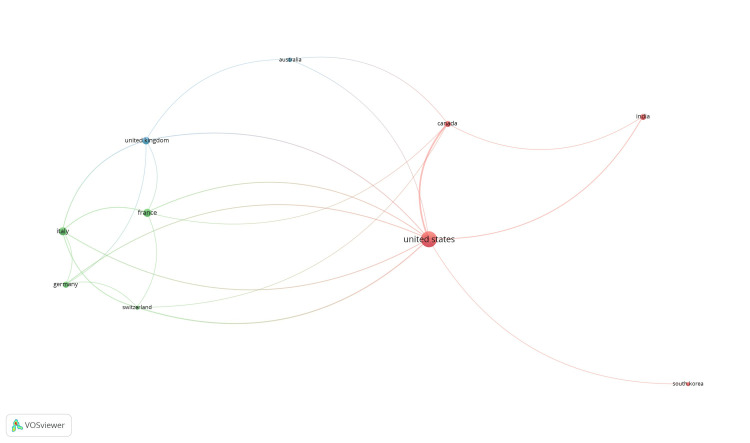 Figure 1
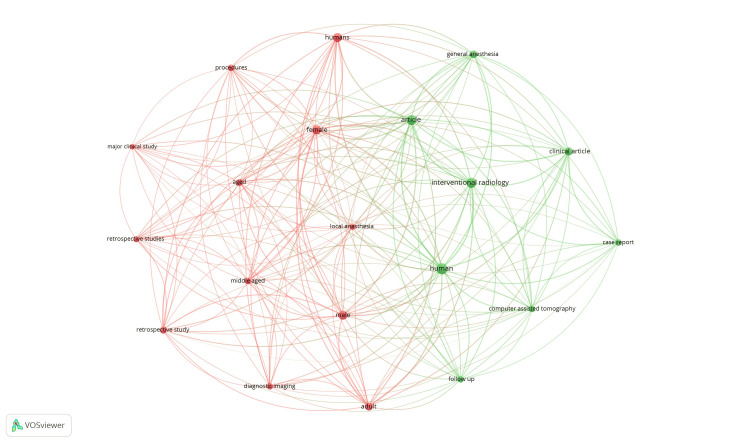 Figure 2
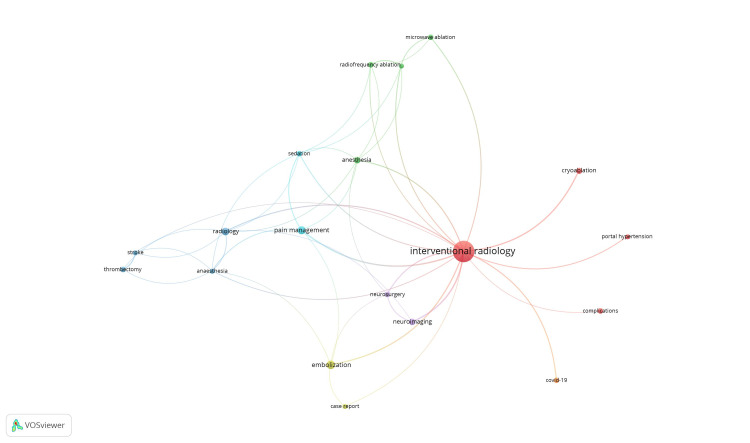 Figure 3
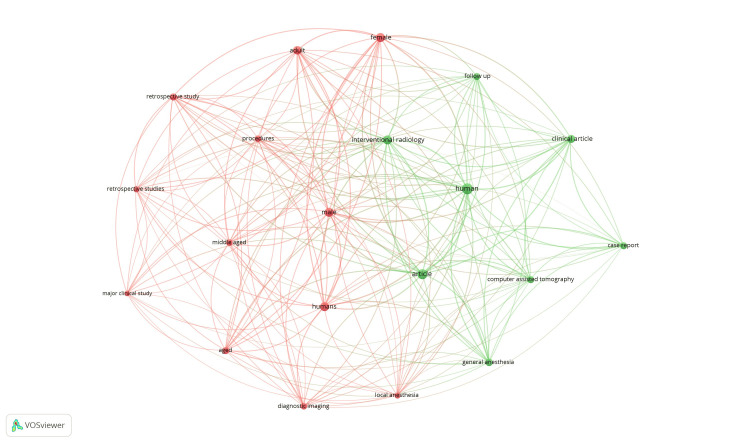 Figure 4
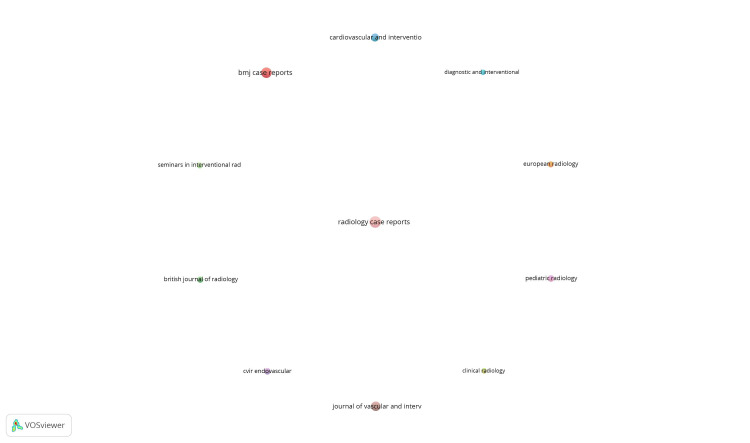 Figure 5
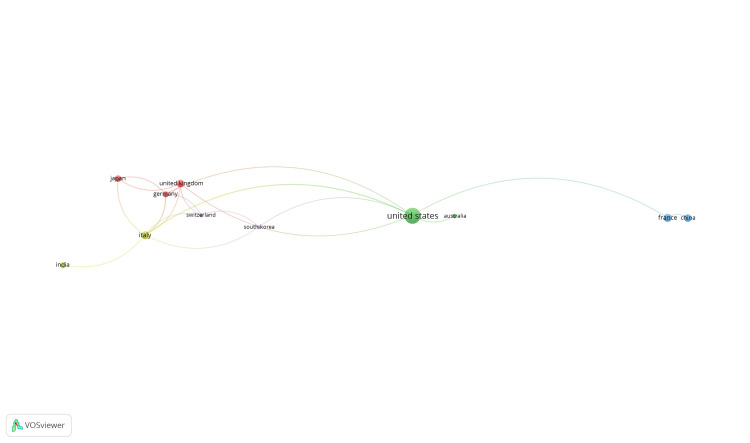 Figure 6
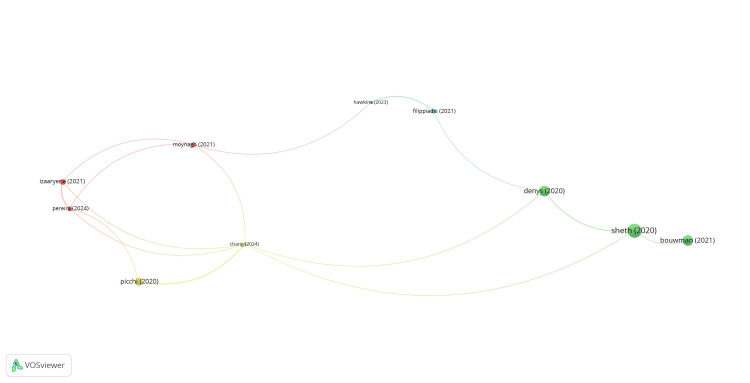 Figure 7
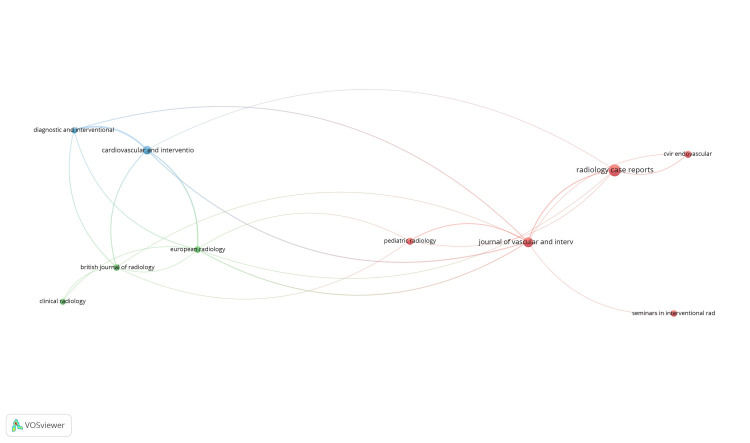 Figure 8
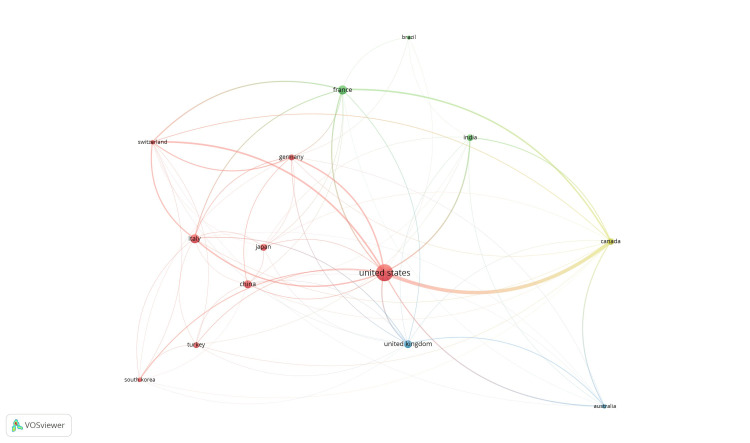 Figure 9
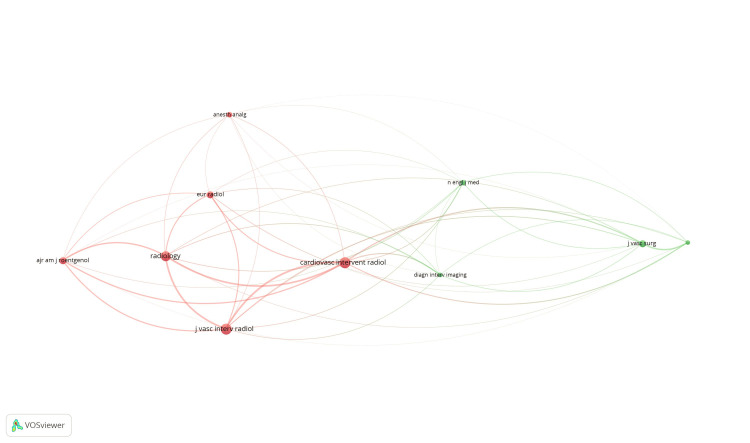 Figure 10
| Author | Documents | Citations |
| Connolly, Bairbre L. | 3 | 55 |
| Han, Xinwei | 3 | 21 |
| Jiao, Dechao | 3 | 18 |
| Mahnken, Andreas H. | 3 | 32 |
| Prasad, Surya Nandan | 5 | 11 |
| Singh, Vivek | 5 | 11 |
| Organization | Documents | Citations |
| Department of Biotechnological and Applied Clinical Sciences, University of L’Aquila, L’Aquila, Italy | 2 | 15 |
| Department of Interventional Radiology, Duke University Medical Center, Durham, United States | 2 | 5 |
| Department of Interventional Radiology, The First Affiliated Hospital of Zhengzhou University, China | 2 | 3 |
| Department of Radiology, Mayo Clinic, Rochester, United States | 2 | 12 |
| Department of Radiodiagnosis, Sanjay Gandhi Postgraduate Institute of Medical Sciences, Uttar Pradesh, India | 3 | 11 |
| Vascular and Interventional Radiology Department, Careggi University Hospital, Florence, Italy | 2 | 42 |
| Country | Documents | Citations |
| Australia | 7 | 46 |
| Canada | 14 | 125 |
| France | 24 | 95 |
| Germany | 12 | 50 |
| India | 14 | 24 |
| Italy | 24 | 118 |
| South Korea | 6 | 14 |
| Switzerland | 6 | 48 |
| United Kingdom | 19 | 65 |
| United States | 87 | 335 |
| Source | Documents | Citations |
| BMJ Case Reports | 17 | 30 |
| British Journal of Radiology | 6 | 33 |
| Cardiovascular and Interventional Radiology | 10 | 41 |
| Clinical Radiology | 5 | 10 |
| CVIR Endovascular | 7 | 11 |
| Diagnostic and Interventional Imaging | 5 | 44 |
| European Radiology | 6 | 36 |
| Journal of Vascular and Interventional Radiology | 14 | 150 |
| Pediatric Radiology | 7 | 13 |
| Radiology Case Reports | 21 | 22 |
| Seminars in Interventional Radiology | 6 | 7 |
| Author | Documents | Citations |
| Connolly, Bairbre l. | 3 | 55 |
| Han, Xinwei | 3 | 21 |
| Jiao, Dechao | 3 | 18 |
| Mahnken, Andreas H. | 3 | 32 |
| Prasad, Surya Nandan | 5 | 11 |
| Singh, Vivek | 5 | 11 |
| Organization | Documents | Citations |
| Department of Biotechnological and Applied Clinical Sciences, University of L’Aquila, L’Aquila, Italy | 2 | 15 |
| Department of Interventional Radiology, Duke University Medical Center, Durham, United States | 2 | 5 |
| Department of Interventional Radiology, The First Affiliated Hospital of Zhengzhou University, China | 2 | 3 |
| Department of Radiology, Mayo Clinic, Rochester, United States | 2 | 12 |
| Department of Radiodiagnosis, Sanjay Gandhi Postgraduate Institute of Medical Sciences, Uttar Pradesh, India | 3 | 11 |
| Vascular and Interventional Radiology Department, Careggi University Hospital, Florence, Italy | 2 | 42 |
| cited reference | citations |
| Dindo D et al. (2004) [ | 3 |
| Gillams A et al. (2015) [ | 3 |
| Khalilzadeh O et al. (2017) [ | 3 |
| MacMahon H et al. (2017) [ | 4 |
| American Society of Anesthesiologists Task Force on Sedation and Analgesia by Non-Anesthesiologists (2002) [ | 3 |
| Santiago E et al. (2018) [ | 3 |
| Source | Citations |
| AJR Am J Roentgenol | 83 |
| Anesth Analg | 52 |
| Cardiovasc Intervent Radiol | 206 |
| Diagn Interv Imaging | 39 |
| Eur J Vasc Endovasc Surg | 37 |
| Eur Radiol | 86 |
| J Vasc Interv Radiol | 203 |
| J Vasc Surg | 84 |
| N Engl J Med | 51 |
| Radiology | 175 |
Peer Reviews
No public reviews on file for this paper yet. If you reviewed it on a platform where reviews are public (OpenReview, ICLR, NeurIPS, ICML), you can paste yours below so the community can read it here.
Videos
No videos yet. Explain this paper in a talk, walkthrough, or lecture? Add one.
Taxonomy
TopicsAdvanced X-ray and CT Imaging · Cardiac, Anesthesia and Surgical Outcomes · Radiation Dose and Imaging
Introduction and background
In recent years, interventional radiology (IR) procedures have grown dramatically, offering less invasive alternatives to conventional surgery. These treatments include pain relief procedures, tumor ablations, and vascular interventions. Anesthesia services are essential to maintaining patient safety and procedural success due to the complexity of these procedures and the need for patient comfort and immobility [1-5]. Several IR procedures, including vascular access and biopsy, can be carried out under local anesthesia (LA) [6]. For procedures that require sedation while preserving spontaneous breathing, monitored anesthesia care (MAC) is commonly employed. In certain situations, such as limb interventions, regional anesthesia (RA) is used. For complex procedures like transjugular intrahepatic portosystemic shunt (TIPS) placement, embolization of large tumors, or when patients are uncooperative, general anesthesia (GA) is preferred [7].
Anesthesiologists enhance patient safety and comfort by providing sedation, alleviating anxiety, facilitating longer and more complex procedures without patient movement, and allowing IR specialists to focus entirely on technical aspects without managing sedation-related issues. The success of any IR intervention depends on close coordination between anesthesiologists, radiologists, and nursing staff, and effective communication further enhances procedural efficiency and reduces complications [8,9]. Several IR procedures involve vascular manipulation, necessitating close monitoring of blood pressure and cardiac function [10-12]. GA cases may require advanced airway management, particularly in prone or lateral positions. Sedation strategies must be optimized to prevent patient discomfort while ensuring cooperation [13,14]. RA has also been successfully utilized in many IR procedures [15]. Most pediatric patients require deep sedation or GA due to their inability to remain still. Neonates and infants have unique respiratory and cardiovascular considerations, requiring tailored anesthetic management [16-19]. Pediatric vascular access is typically challenging and time-consuming [20,21]. To deliver safe and effective anesthetic care, the IR suite must be equipped with a fully functional anesthesia workstation. Patient safety during procedures is ensured by standard monitoring, which includes ECG, pulse oximetry, capnography, and invasive blood pressure monitoring when necessary. To manage anesthesia-related emergencies such as hemodynamic instability, anaphylaxis, or airway compromise, a fully stocked crash cart must be readily accessible. Immediate access to defibrillators, emergency medications, and advanced airway management tools is essential for timely intervention in the event of complications [22,23].
The type of quantitative research used to evaluate academic literature is bibliometric analysis, which examines networks, patterns, and trends within a specific area of study. This method utilizes tools and validated software to assess research productivity, citation dynamics, and collaborations among researchers, institutions, and countries. Bibliometric studies provide valuable insights into the evolution of knowledge, highlight research gaps, and identify influential works, all of which help guide further research [24-26]. This bibliometric analysis aims to systematically analyze the trends and hotspots of research involving IR and anesthesia practices over the past five years.
Review
Methods
Search Strategy
We searched the literature from January 2020 to March 2025. The literature search and data downloads were performed on a single day (24th March 2025) to minimize bias arising from database updates. A comprehensive search was conducted on the Scopus database using the following search strategy: TITLE-ABS-KEY (interventional AND radiology AND anesthesia) AND PUBYEAR > 2019 AND PUBYEAR < 2026 AND (EXCLUDE (DOCTYPE, "tb") OR EXCLUDE (DOCTYPE, "er")) AND (EXCLUDE (SUBJAREA, "VETE") OR EXCLUDE (SUBJAREA, "ENVI") OR EXCLUDE (SUBJAREA, "ENGI") OR EXCLUDE (SUBJAREA, "PHYS") OR EXCLUDE (SUBJAREA, "CENG")) AND (EXCLUDE (LANGUAGE, "French") OR EXCLUDE (LANGUAGE, "Chinese") OR EXCLUDE (LANGUAGE, "Spanish") OR EXCLUDE (LANGUAGE, "German") OR EXCLUDE (LANGUAGE, "Russian") OR EXCLUDE (LANGUAGE, "Japanese"))
The Scopus file was stored in comma-separated values (CSV) format. The CSV file was systematically screened by two authors (MAW and AN). Articles that did not involve anesthesia management were removed. The final set of articles was processed for bibliometric analysis.
Data Processing
Complete records, after removing ineligible articles and cited references, were included in the dataset, which was then exported for further analysis. For bibliometric analysis, VOSviewer (Version 1.6.20, Leiden University, Netherlands) was used. We planned five types of analysis using VOSviewer [27]: bibliographic coupling, citation analysis, co-authorship analysis, co-occurrence analysis, and co-citation analysis. The units of analysis for co-authorship analysis were countries, organizations, and authors. For co-occurrence analysis, the units were index keywords, author keywords, and all keywords. Citation analysis and bibliographic coupling were performed using documents, sources, authors, organizations, and countries as units of analysis. For co-citation analysis, the units of analysis were cited authors, cited sources, and cited references.
Results
A Scopus database search revealed 633 documents. After screening all documents and excluding those that did not include both IR and anesthesia, 267 documents fulfilled the inclusion criteria. The CSV file was then uploaded to the VOSviewer software for bibliometric analysis across various categories.
Co-authorship Analysis
Co-authorship and authors: Out of 1,627 authors, only 6 met the threshold. Bairbre L. Connolly had 3 documents with 55 citations, and Andreas H. Mahnken had 3 documents with 32 citations (Table 1).
Co-authorship and organizations: Out of 842 organizations, 6 met the threshold. PGIMS in Lucknow, India, had 3 documents, while the remaining 5 organizations had 2 documents each. However, the Vascular and Interventional Radiology Department at Careggi University Hospital, Florence, Italy, had a total of 42 citations, the highest among all (Table 2).
Co-authorship and countries: Out of 54 countries, 14 met the threshold. The top 10 countries are summarized in Figure 1. The United States had the highest output, with 87 documents and 335 citations (Table 3).
Mapping of co-authorship and countries.
Co-occurrence Analysis
Co-occurrence and all keywords: Of the 4,102 keywords, 487 met the threshold. A network was generated for the 20 most frequently occurring keywords. The resulting network diagram is shown in Figure 2.
Mapping of co-occurrence and all keywords.
Co-occurrence and author keywords: Out of 670 keywords, 19 met the threshold, all of which were used to create the network. Interventional Radiology was the most common author keyword, with 79 occurrences and a total link strength of 61. The network diagram is shown in Figure 3.
Mapping of co-occurrence and author keywords.
Co-occurrence and index keywords: Of the 3,705 keywords, 463 met the threshold. We selected the top 20 keywords to create the network. The network diagram is shown in Figure 4.
Mapping of co-occurrence and index keywords.
Citation Analysis
Citation analysis and documents: Out of the 267 documents, 112 met the threshold. We selected 20 documents to create the network, of which only 3 were connected. Romagnoli (2020) had 25 citations, the highest in this category [28].
Citation analysis and sources: Of the 137 sources, 11 met the threshold. All 11 sources were included to create the network (Figure 5). Radiology Case Reports had the highest number of documents (21), with 22 citations. However, Journal of Vascular and Interventional Radiology had the highest number of citations (150), based on 14 documents (Table 4).
Mapping of citation analysis and sources.
Citation analysis and authors: Of the 1,558 authors, 6 met the threshold. A network was created using all six authors. Surya Nandan Prasad and Vivek Singh each had five documents with 11 citations (Table 5).
Citation analysis and organizations: Of the 842 organizations, 6 met the threshold. The details are summarized in Table 6.
Citation analysis and countries: Of the 53 countries, 14 met the threshold. A network was created using all 14 countries, of which 11 were connected (Figure 6). The United Kingdom had the highest number of documents (87) and 335 citations.
Mapping of citation analysis and countries.
Bibliographic Coupling
Bibliographic coupling and documents: Of the 267 documents, 112 met the threshold. A network of 20 documents was created, of which 10 were connected (Figure 7). Bouwman had 31 citations, followed by Denys, who had 30 citations.
Mapping of bibliographic coupling and documents.
Bibliographic coupling and sources: Of the 137 sources, 11 met the threshold, with 10 connected and used to create the network (Figure 8). Journal of Vascular and Interventional Radiology had 150 citations from 5 sources.
Mapping of bibliographic coupling and sources.
Bibliographic coupling and authors: Of the 1,558 authors, 6 met the threshold. Author Bairbre L. Connolly had 55 citations from 3 documents.
Bibliographic coupling and organizations: Of the 847 organizations, 7 met the threshold. The Vascular and Interventional Radiology Department at Careggi University Hospital, Florence, Italy, had 42 citations from its two documents.
Bibliographic coupling and countries: Of the 54 countries, 14 met the threshold and were included in the network (Figure 9). With 335 citations from 35 documents, the USA was the leading country.
Mapping of bibliographic coupling and countries.
Co-citation Analysis
Co-citation and cited references: Out of 6,418 references, 6 met the threshold and were used to create the network. The article by MacMahon et al. had the highest number of citations (4) (Table 7).
Co-citation and cited sources: Of the 2,180 sources, 38 met the threshold. We selected the top 10 sources to create the network (Figure 10). The Journal Cardiovascular and Interventional Radiology had 206 citations, followed by Journal of Vascular and Interventional Radiology with 203 citations (Table 8).
Mapping of co-citation and cited sources.
Co-citation and cited authors: Of the 18,345 authors, 3 met the threshold. Cazzato RL had the highest number of citations in this category, with a total of 29.
Discussion
This bibliometric analysis has attempted to identify emerging trends and significant research related to IR and anesthesia practices.
Recent years have seen tremendous advancements in IR, enhancing patient outcomes through the incorporation of artificial intelligence (AI), improved procedural techniques, and advanced imaging technologies. These innovations have transformed IR into a field capable of providing highly precise, minimally invasive treatments for a wide spectrum of diseases [35]. Advancements in catheter design and related technologies have significantly improved the safety and efficacy of interventional procedures. With increased stability and flexibility, modern catheters facilitate navigation through complex anatomy. By reducing systemic side effects, improving therapeutic efficacy, and enabling the precise delivery of targeted medications, developments in IR have revolutionized vascular interventions [36]. Transcatheter arterial chemoembolization, which combines chemotherapy and embolization, has proven effective in treating liver tumors. The integration of AI into IR holds the potential to substantially enhance procedural efficiency and diagnostic accuracy. AI algorithms can analyze imaging data to assist radiologists in detecting anomalies and determining optimal treatment strategies. Predictive analytics can facilitate personalized treatment planning by evaluating large datasets to anticipate outcomes and potential side effects. AI-driven solutions also support workflow optimization through real-time data analysis and automated scheduling systems, thereby increasing patient flow and operational efficiency [37].
Robot-assisted interventions have improved control and precision during IR procedures, enhancing outcomes and shortening recovery periods [38]. Augmented reality and three-dimensional imaging provide more comprehensive views of pathology, enabling even greater procedural accuracy [39]. These technological advances have contributed to significantly improved patient outcomes. Modern IR procedures are minimally invasive, which reduces the risk of complications, shortens recovery time, and improves overall patient satisfaction.
Recent developments in procedural sedation and analgesia for non-operating room anesthesia (NORA) have focused on improving patient outcomes, safety, and efficiency [40,41]. Advances in drug delivery systems now allow for greater precision in administration, enabling tailored sedation that meets individual patient needs. These systems reduce the risk of both under- and oversedation, thereby improving safety. Technologies such as target-controlled infusion (TCI) pumps, Bispectral Index (BIS) monitoring, and capnography for conscious sedation are now prioritized in IR suites by various societies and institutions [42-44].
Anesthetists providing services in IR settings must be well-versed in the pharmacokinetics and pharmacodynamics of anesthetic agents. They must also be prepared to manage complications such as overdose or respiratory events due to airway obstruction. Patients undergoing IR are often critically ill, with low cardiopulmonary reserves. When indicated, based on comorbidities and procedural complexity, thorough pre-procedure evaluations are essential [45-47].
Due to its opioid-sparing properties, RA has become increasingly popular in pediatric IR. A retrospective study conducted from January 2016 to September 2022 investigated the effects of nerve blocks during IR-performed sclerotherapy for vascular malformations and bone cysts [48]. The study found that patients who received nerve blocks required significantly less opioid medication during and after procedures. As IR procedures become increasingly complex, the need for specialized anesthetic support continues to grow. Anesthesiologists must work closely with radiologists to ensure patient safety and must be proficient in the specific requirements of IR procedures [49,50].
There are several limitations to this bibliometric analysis. We only searched the Scopus database, although other databases suitable for bibliometric analysis include Web of Science, PubMed, Lens, and Dimensions. However, the software used allows analysis of results generated from only one database. Therefore, some relevant articles may have been missed. Additionally, articles published after the date of our data collection were excluded, as new publications were continually added to the literature after this analysis was submitted for review. Several tools are available for bibliometric analysis, including CiteSpace, Bibliometrix, and Scientometrics. However, we chose to use VOSviewer because it offers advanced yet user-friendly network visualizations.
Conclusions
This bibliometric analysis involving IR and anesthesia has attempted to analyze the current literature related to these two entities. A tailored anesthesia approach is vital to modern interventional radiology procedures, ensuring patient safety, comfort, and optimal procedural conditions. The results of this analysis may be helpful for researchers planning to conduct further studies involving collaboration between IR and anesthesia management, thereby identifying new directions for future research.
The reference list from the paper itself. Each links out to its DOI / PubMed record.
- 1Prostate artery embolization-review of indications, patient selection, techniques and results J Clin Med Naidu SG Narayanan H Saini G Segaran N Alzubaidi SJ Patel IJ Oklu R 51391020213476865910.3390/jcm 10215139 PMC 8584630 · doi ↗ · pubmed ↗
- 2Percutaneous management of osteoarthritis in the knee: proceedings from the Society of Interventional Radiology Research Consensus Panel J Vasc Interv Radiol Ahmed O Block J Mautner K 91932202110.1016/j.jvir.2021.03.40933689834 · doi ↗ · pubmed ↗
- 3Image-guided tumor ablation in gynecologic oncology: review of interventional oncology techniques and case examples highlighting a collaborative, multidisciplinary program Gynecol Oncol Moynagh MR Dowdy SC Welch B 83584316020213338815610.1016/j.ygyno.2020.12.037 · doi ↗ · pubmed ↗
- 4The pain crisis: interventional radiology's role in pain management AJR Am J Roentgenol Fletcher A Moore KJ Stensby JD Hulbert A Saemi AM Davis RM Bhat AP 67669021720213296611710.2214/AJR.20.24265 · doi ↗ · pubmed ↗
- 5Interventional radiology for treatment of bone metastases Cancer Radiother Hayek G Kastler B 3743782420203252769410.1016/j.canrad.2020.04.006 · doi ↗ · pubmed ↗
- 6Local anesthesia in interventional radiology Semin Intervent Radiol Li X Trerotola SO 3813863920223640602610.1055/s-0042-1757342 PMC 9671687 · doi ↗ · pubmed ↗
- 7Common procedures and strategies for anaesthesia in interventional radiology Curr Opin Anaesthesiol Landrigan-Ossar M 4584632820152608727310.1097/ACO.0000000000000208 · doi ↗ · pubmed ↗
- 8Patient safety in interventional radiology: a CIRSE IR checklist Cardiovasc Intervent Radiol Lee MJ Fanelli F Haage P Hausegger K Van Lienden KP 2442463520122201178310.1007/s 00270-011-0289-5PMC 3298647 · doi ↗ · pubmed ↗