Dural Sealants in Spine Surgery: A Scientometric Analysis
Pochollo Miguel P Rosales, Catherine Joy Escuadra

TL;DR
This study analyzes global research trends on dural sealants used to prevent cerebrospinal fluid leaks in spine surgeries.
Contribution
The paper provides a scientometric overview of dural sealant research, highlighting collaboration patterns and topic evolution.
Findings
The United States, Italy, and Japan led in publications on dural sealants for CSF leakage.
Research has shifted from sealant types to their effects on surgical outcomes.
Collaborations were identified among institutions in South Korea, India, China, and the USA.
Abstract
This research aims to systematically and comprehensively evaluate the publication, citation, collaboration, and evolution of topics in dural sealants for cerebrospinal fluid (CSF) leakage in spine surgery publications. The study systematically mined publications from the Web of Science in January 2023 using the keywords (dural sealant) AND (cerebrospinal fluid) AND (spine surgery). No exclusion criteria were used in the search. The analysis was divided into publication, citation, collaboration, and text-co-occurrence network analysis. R Studio and VOSviewer were used for data management, analysis, and visualization. A total of 56 documents published between 2002 and 2022 were analyzed. The countries with the most publications were the United States of America (39.62%), Italy (9.43%), and Japan (9.43%). Total citations for all publications were 859, with an overall H-index of 15.…
Genes, proteins, chemicals, diseases, species, mutations and cell lines named across the full text — each resolved to its canonical identifier and authoritative record.
Click any figure to enlarge with its caption.
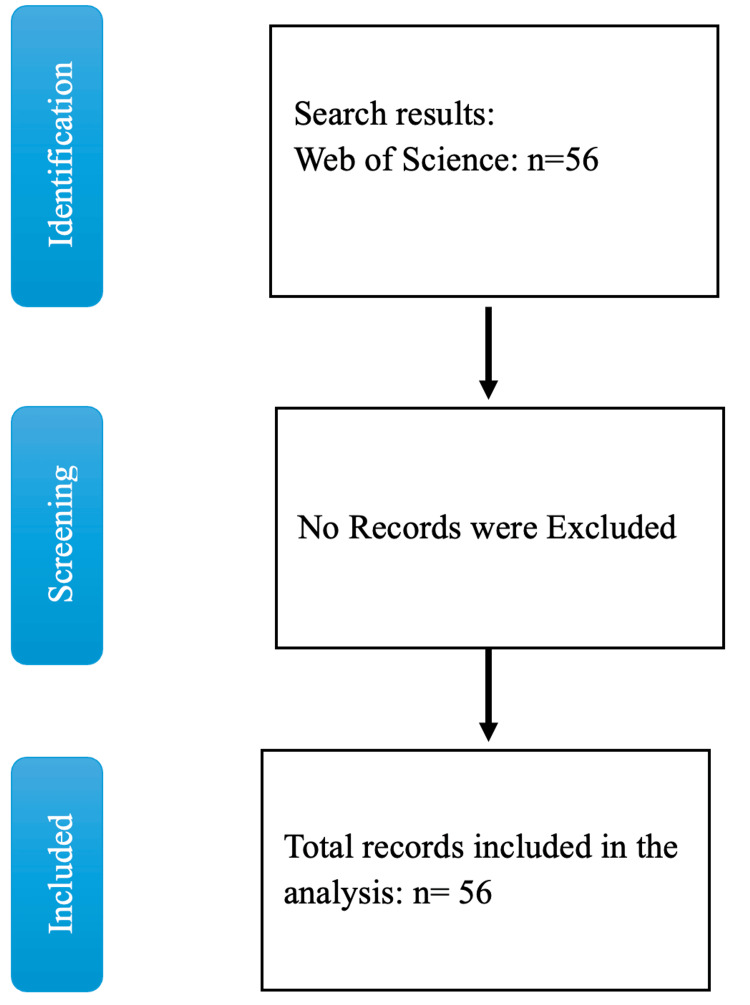 Figure 1
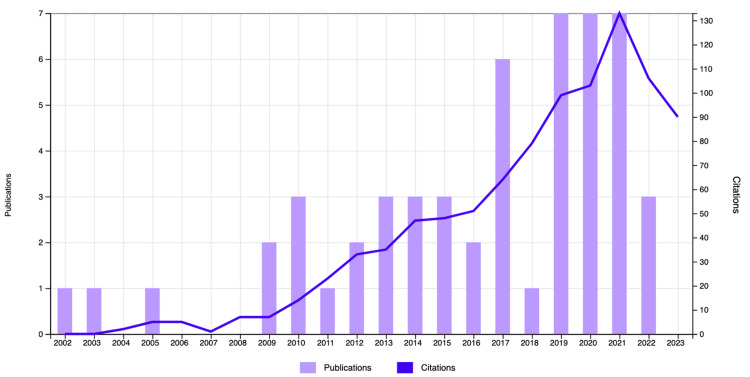 Figure 2
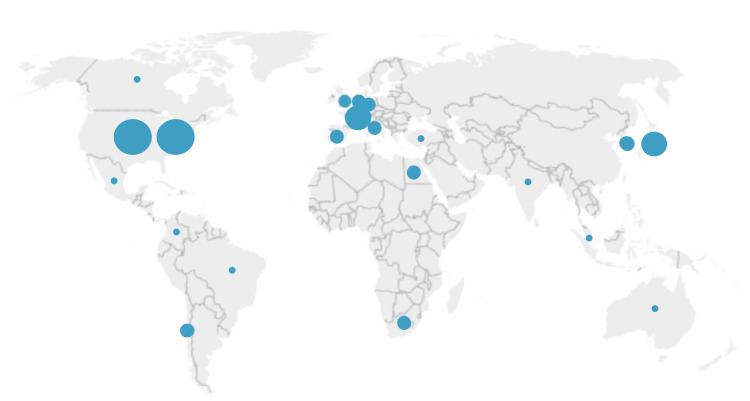 Figure 3
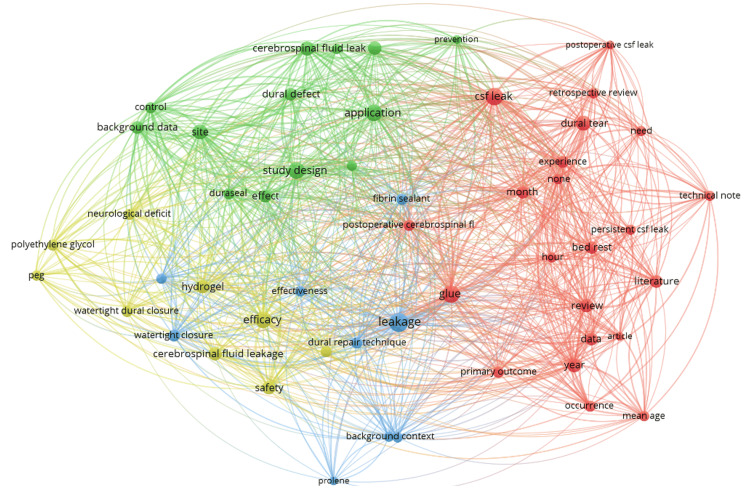 Figure 4
| Publication Titles | n | % | Impact Factor |
| World Neurosurgery | 8 | 20.811 | 2.0 |
| Spine | 7 | 9.639 | 3.0 |
| Spine Journal | 5 | 7.01 | 4.16 |
Peer Reviews
No public reviews on file for this paper yet. If you reviewed it on a platform where reviews are public (OpenReview, ICLR, NeurIPS, ICML), you can paste yours below so the community can read it here.
Videos
No videos yet. Explain this paper in a talk, walkthrough, or lecture? Add one.
Taxonomy
TopicsSurgical Simulation and Training · Spine and Intervertebral Disc Pathology · Digital Imaging in Medicine
Introduction and background
Cerebrospinal fluid (CSF) leakage is one of the most difficult postoperative complications after spinal surgery and branches out to many further complications including epidural infections, inflammations, and an overall prolonged post-operative recovery [1]. The primary risk factors for CSF leakage include the advanced age of patients and the level of surgeon’s training, while other risk factors such as a significant history of repeated spinal surgery are also considered [2]. Since CSF leakage can result in a myriad of complications that can potentially result in a prolonged hospital stay, higher incidence of reoperation, and an overall decline in prognosis, treatment is imperative [1].
Treatment of CSF leak entails the closure of the dura to stop fluid leakage, which can be achieved by a direct suture or augmented closure, and CSF pressure adjustments [3]. While these treatment strategies have been tested for their effectiveness after incidences of CSF leakage, they also have corresponding complications. For example, direct suture repair creates pin holes upon puncture sites by the suture needles, which can alter the pressure system in the dural defect and can result in more persistent CSF leakage [3]. In addition to this, CSF pressure adjustments as a potential approach for dural repair can result in spinal fluid over drainage, entry of gas to the subarachnoid space, and entry of infectious agents [3]. With these challenges in the treatment approach for CSF leakage, dural repair calls for a more secure and airtight intervention that can also prevent the other complications of the previous approaches [3].
Dural sealants are biomaterials designed to provide a watertight closure of the dura mater to prevent CSF leakage after surgery [1]. These sealants typically consist of synthetic polymers such as polyethylene glycol hydrogel, fibrin-based materials, or other adhesives that rapidly polymerize to seal the defect [1]. Compared to traditional suturing techniques, dural sealants offer the advantage of faster application, reduced risk of creating additional dural defects, and better coverage of irregular tears [1]. Their mechanism involves adhering to the dural surface and forming a physical barrier, thereby restoring CSF integrity without excessive tension on the dura [4]. Advantages include ease of application, minimized manipulation of neural tissues, reduced operative time, and potential decrease in postoperative CSF leakage rates [1]. However, disadvantages include cost and the potential for inflammatory reactions in some materials [4].
At present, scientometrics has been used to understand the trend for specific neurosurgery techniques such as pallidotomy [3] and spine surgery [5], publications from certain journals [6,7], and publications of neurosurgeons from specific areas like China [8] and Africa [9]. To the authors’ knowledge at the time of writing, there is no scientometric study analyzing the use of dural sealants in the prevention of CSF leak in spine surgery. Therefore, the aims of the study are to elaborate on (i) publication and citation trends of dural sealants in spine surgery research publications, (ii) which countries and affiliations collaborate to create research publications regarding dural sealants, (iii) cluster of keywords in dural sealants in spine surgery publications using text co-occurrence analysis, and (iv) what are the areas in dural sealants and CSF leak that need further development. To expound on this matter, the objective of the study is to compare the publication trend and topic trend on dural sealants in spine surgery using scientometric techniques.
Review
Materials and methods
Design
In this study, scientometric methods were utilized, based on the research of Gracio et al. [10] and Sangam et al. [11], to conduct a comparative analysis of the research productivity in dentistry and genetics across different countries. The use of this approach provides valuable insights into the current state and potential future directions of research, policy, education, and health related to a specific topic.
Data Source, Search Strategy, and Data Extraction
In January 2023, a comprehensive search was conducted of the Web of Science's core collection to retrieve pertinent articles, similar to Yao et al. [12] who utilized this database to chart the patterns and insights of global health systems research publications. The terms (“dural sealants” AND “spine surgery” AND “cerebrospinal fluid”) were used as the keywords to search the database. Complete records of each publication were extracted as plain text files from Web of Science. No exclusion criteria were used in the search as this was an exploratory study. After the initial retrieval, publications were manually categorized according to document type (original research articles, review articles, editorials) (Figure 1). More so, retrieved publications underwent a relevance screening based on title and abstract review to ensure alignment with the study objective of dural sealants in spine surgery.
PRISMA flow diagram of the literature searchPRISMA: Preferred Reporting Items for Systematic Reviews and Meta-Analyses
Data Analysis and Visualization
In order to effectively manage and analyze the results of our research, various tools including the Web of Science result analysis feature, R Studio, and VOSviewer (version 1.6.18) were utilized. The Web of Science result analysis feature was instrumental in examining the publication and citation characteristics of the included articles, enabling us to gain a more comprehensive understanding of the data.
To further aid in the analysis, full publication and citation records were downloaded as a plain text file for text co-occurrence network analysis. This was particularly helpful in identifying connections and patterns within the data that may have otherwise gone unnoticed.
In addition to these tools, VOSviewer [13] and R Studio were employed to create various maps based on network and text data, helping us to better visualize and interpret our findings. To ensure accuracy, VOSviewer thesaurus file was utilized to merge different variants of author, journal names, institutional affiliations, and synonyms, resulting in a more cohesive and comprehensive analysis of the data.
Results
A total of 56 documents published between 2002 and 2023 were analyzed. All publications were in the English language and included the following document types: article (n=45), review (n=10), and editorial material (n=1). Total citations for all publications were 859, with an overall H-index of 15. Table 2 in Appendices lists the articles retrieved from the database. Figure 2 reports dural sealant spine research's overall publication and citation over time.
Overall publication and citation of dural sealant spine research from Web of Science
Figure 3 illustrates the research productivity per country on the topic. Analysis revealed that as of 2022, 23 countries from all continents around the world have published an article about dural spine sealant. Countries with the most significant number of publications are the United States (n=22), Italy and Japan (n=5), and France, Germany, India, and South Korea (n=3). This result is further supported by the top publishing institution identified, the University of California System (n=4). In terms of evolution, the analysis revealed that the United States, India, and South Korea were the countries that initially published articles on the topic in the early 2000s, which were followed by publications from other European and South American countries. In addition, institutions from South Korea, India, China, and the United States of America were found to have previous collaborations on the topic. Also, the circle sizes in Figure 3 are proportional to the number of publications per country. The occurrence of two separate nodes for the United States was due to software limitations during thesaurus merging; this was consolidated during the final analysis to avoid duplication.
Research productivity of countries for dural sealants
Table 1 summarizes the top three journals with the most dural sealant spine publications. Aside from these, other journals that have published articles related to this topic included journals on pediatrics (Journal of Neurosurgery Pediatrics), orthopedics (Orthopaedics Traumatology Surgery Research), and clinical neuroscience (Journal of Clinical Neuroscience). Upon further review, most of the publications have utilized the following study designs: retrospective chart review (n=15), quasi-experimental (n=13), systematic or literature review (n=10), case reports (n=10), and randomized controlled trial (n=4). All primary research used data from human subjects except for five papers that used cadavers (n=1) and animal subjects (n=4).
Figure 4 presents the text map of the frequently occurring keywords in the title and abstracts of all publications included. These words were clustered together based on the frequency of their co-occurrence in each publication. Results revealed that publications in spine surgery have four clusters of co-occurring keywords which include (i) “neurological deficit,” “polyethylene glycol,” “efficacy,” “safety” (yellow); (ii) “dural defect,” “effect,” “prevention,” “cerebrospinal fluid leak” (green); (iii) “postoperative CSF leak,” “dural tear,” “review” (red); and (iv) “leakage,” “prolene,” “fibrin sealant,” “waterlight closure” (blue). These clusters of keywords were further supported by the top three most cited publications, which include “Effect of fibrin glue on the prevention of persistent cerebral spinal fluid leakage after incidental durotomy during lumbar spinal surgery” by Jankowitz et al., “Polyethylene Glycol Hydrogel Spinal Sealant (DuraSeal Spinal Sealant) as an Adjunct to Sutured Dural Repair in the Spine Results of a Prospective, Multicenter, Randomized Controlled Study” by Kim and Wright, and “Dural repair with four spinal sealants: focused review of the manufacturers' inserts and the current literature” by Epstein [4]. It is also worth noting that in terms of evolution, keywords related to primary studies like “retrospective review”, “background data,” and “effectiveness” were found in earlier publications compared with words like “literature review,” and “systematic review”. Also, keywords related to outcomes were identified like “leakage,” “primary outcomes,” and “safety.” These keyword clusters were automatically generated based on co-occurrence frequency, but occasional overlaps, such as "cerebrospinal fluid leak" and "postoperative CSF leak" in different clusters, may occur due to variations in how terms appeared in individual publications. The top three most-cited publications further validate these clusters as they primarily addressed the key concepts found across the clusters, effectiveness of dural sealants, prevention of persistent CSF leak, and safety outcomes, thus reinforcing the network analysis findings.
Network map of frequently occurring keywords of spinal dural sealant publications
Discussion
This study described the publication and topic trend in dural sealant spine research in the last two decades. The movement in research publications supports this intervention's growing importance and development in spinal neurosurgery.
Scarcity of Studies Regarding Different Strategies for Dural Repair
The study's findings indicate that the majority of current research on dural sealants in spine surgery consists of retrospective studies and case reports involving individuals who have undergone spinal surgery and there is scarcity in studies reviewing the efficacy of different strategies for dural repair. This aligns with previous reviews of spinal sealants and techniques for spinal dural tears [14]. It is worth noting, however, that recent publications on the subject include studies with higher levels of evidence, such as randomized controlled trials and systematic reviews. This development suggests that the evidence for dural sealants in spine research is growing and becoming more robust. Surgeons and researchers must prioritize the continued research of dural sealants in spine surgery to fully understand its features and effectiveness. It is crucial that we invest in this technology to improve patient outcomes and advance the field of spinal surgery.
Economic Burden of Treating CSF Leakage After Spine Surgery
Incidental durotomy and subsequent CSF leakage are established complications following spinal surgery, occurring in 2 to 20% [15]. This entails an increase in hospital expenses to as high as 50 percent. Therefore, minimizing complications during surgery with prompt repair of dural tears is important for a fast recovery and the avoidance of further complications. Hence, there is an increase in pressure on the surgeons to be careful in avoiding, as well as treating, this complication [15].
Emerging Technology and Innovations in Spine Surgery
Newer and emerging technologies, such as nanotechnology-enhanced dural sealants in the form of chitosan hydrogel, demonstrated effective sutureless dural closure, highlighting its potential in enhancing tissue integration and durability [16]. Another area of increasing interest is robot assisted applications in spinal surgery, which could enhance the precision in procedures, which could decrease incidence of complications such as CSF leak [17].
Limitation and Recommendations
As with any research endeavor, it is important to acknowledge the limitations encountered in this study. Firstly, the scope was restricted to publications indexed in the Web of Science database, potentially overlooking valuable information published in other journals. More specifically regarding the electronic search, it must be noted that the exclusive use of the keyword "dural sealant" may have limited retrieval of related studies utilizing synonymous terms like "dural patch" or "dural substitute." To gain a more comprehensive understanding of the topic, future studies may consider including a broader range of publications from diverse sources. Secondly, the text network maps in this study analyzed words occurring in the title abstract with frequency of occurrence as the primary criterion. While providing valuable insights, this approach represents a relatively fundamental analysis. Future research could benefit from using more sophisticated topic modeling techniques, like Latent Dirichlet Allocation, to enhance categorization and classification of publications. By adopting these advanced methods, researchers can achieve a more nuanced and accurate representation of the various research topics within the field of spinal surgery. Moreover, although only 56 publications met the inclusion criteria, this reflects the relatively niche focus of dural sealants in spine surgery and the strict inclusion of English language, indexed, and research-based articles.
Conclusions
This study provided an overview of the scientific output, trends, and research topics from dural sealants for prevention of CSF leak in spine surgery. The study revealed that although the publications and citations about dural sealants have been getting considerable interest in the past few years, gaps in the publication about the topic per institution and country are still evident. Most collaboration was found between countries with high publications and advanced neurosurgery practices and training. This study provides an overview and valuable guidance for neurosurgery researchers, practitioners, educators, and policymakers to find the future direction of use of dural sealants in preventing CSF leak. The authors highly suggest spine surgeons to consider the results of the study identifying future capacity-building projects, research agendas, and policy guidelines, and possibly collaborative projects between countries, to further improve research.
The reference list from the paper itself. Each links out to its DOI / PubMed record.
- 1Effectiveness of dural sealants in prevention of cerebrospinal fluid leakage after craniotomy: a systematic review World Neurosurg Kinaci A Algra A Heuts S O'Donnell D van der Zwan A van Doormaal T 36837611820182996974410.1016/j.wneu.2018.06.196 · doi ↗ · pubmed ↗
- 2Predictive factors for dural tear and cerebrospinal fluid leakage in patients undergoing lumbar surgery J Neurosurg Spine Sin AH Caldito G Smith D Rashidi M Willis B Nanda A 224227520061696108310.3171/spi.2006.5.3.224 · doi ↗ · pubmed ↗
- 3A scientometric analysis of the 100 most cited articles on pallidotomy Stereotact Funct Neurosurg Agrawal M Garg K Samala R Rajan R Singh M 4634739920213407793810.1159/000516237 · doi ↗ · pubmed ↗
- 4Dural repair with four spinal sealants: focused review of the manufacturers' inserts and the current literature Spine J Epstein NE 106510681020102109446710.1016/j.spinee.2010.09.017 · doi ↗ · pubmed ↗
- 5Effectiveness of sealants in prevention of cerebrospinal fluid leakage after spine surgery: a systematic review World Neurosurg Kinaci A Moayeri N van der Zwan A van Doormaal TP 56757512720193092857910.1016/j.wneu.2019.02.236 · doi ↗ · pubmed ↗
- 6Scientometric analysis of publications from 2004-2021 in the spine surgery field: a Latin American perspective World Neurosurg Zárate-Kalfópulos B Cruz-ZambranoÁR Falavigna A Guiroy A Reyes-Sánchez A García-Ramos CL 094167202210.1016/j.wneu.2022.07.14535948229 · doi ↗ · pubmed ↗
- 7A comparative scientometric analysis of the 100 most cited articles of Acta Neurochirurgica (Wien) and World Neurosurgery World Neurosurg Narayanan MD Deora H Garg K Grotenhuis JA 10612215720223466265710.1016/j.wneu.2021.10.099 · doi ↗ · pubmed ↗
- 8Status quo and research trends of neurosurgical departments in China: bibliometric and scientometric analyses J Med Internet Res Ni B He M Cao B He J Liu Y Zhao Z 023202110.2196/25700 PMC 840612036260378 · doi ↗ · pubmed ↗