Unveiling the Antioxidant Power and Secondary Metabolites of Tabebuia chrysantha (Jacq.) Leaves and Flowers from Ecuador
Raluca A. Mihai, Ramiro Fernando Vivanco Gonzaga, Nelson Santiago Cubi Insuaste, Nilo Rigoberto Maza Morocho, Rodica D. Catana

TL;DR
This study explores the antioxidant power and chemical composition of leaves and flowers from the Ecuadorian Guayacan tree, finding that leaves have higher antioxidant activity and flavonoid levels.
Contribution
The study is the first to characterize the antioxidant and secondary metabolite profiles of Tabebuia chrysantha in Ecuador.
Findings
Leaves showed higher flavonoid levels and antioxidant capacity compared to flowers.
LC-MS identified bioactive compounds like phenolic acids, flavonoids, and terpenoids.
Strong correlations among antioxidant assays highlight the role of phenolics and flavonoids in free radical scavenging.
Abstract
Background: Tabebuia chrysantha (Jacq.) Nichols, commonly known as Guayacan, is a prominent species within the Bignoniaceae family known for its medicinal value and ecological significance. This study aimed to characterize the antioxidant capacity and secondary metabolite composition of Guayacan leaves and flowers grown in Ecuador, a region where its chemical profile remains unexplored. Methods: Comprehensive analyses were conducted to determine the total phenolic content (TPC), total flavonoid content (TFC), and antioxidant activity using ABTS, DPPH, FRAP assays, and LC-MS. Results: The results revealed remarkable differences between mature leaves and flowers. Leaves exhibited consistently higher flavonoid levels (e.g., 0.280 ± 0.005 mg QE/g DW) and superior antioxidant capacity across all assays (e.g., 10.84 ± 0.51 µmol Trolox g−1 DW in ABTS) compared to flowers, which showed greater…
Genes, proteins, chemicals, diseases, species, mutations and cell lines named across the full text — each resolved to its canonical identifier and authoritative record.
Click any figure to enlarge with its caption.
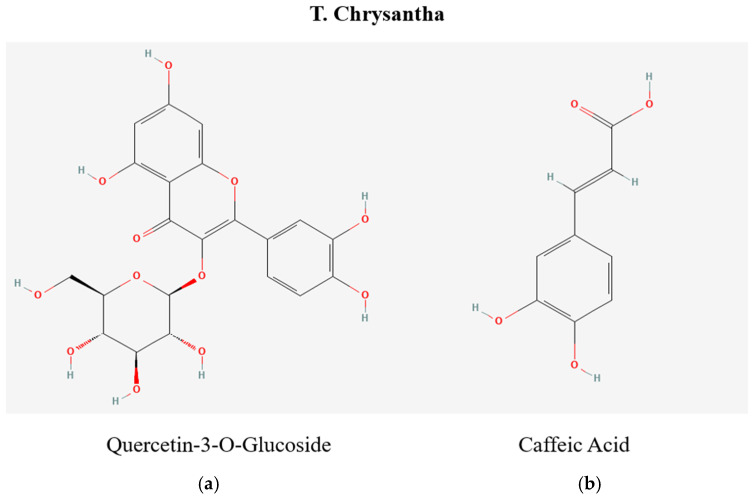 Figure 1
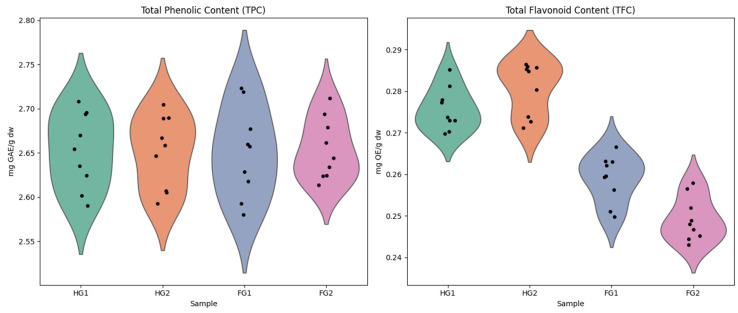 Figure 2
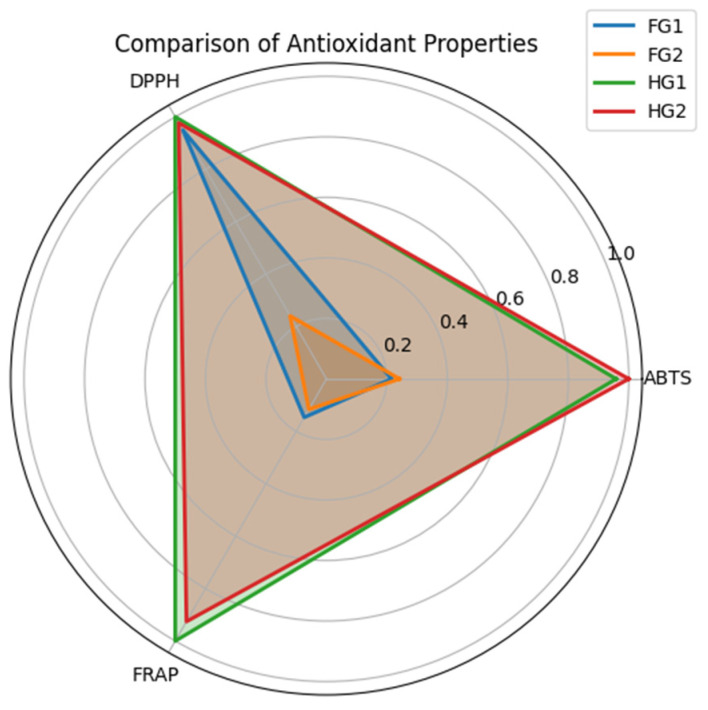 Figure 3
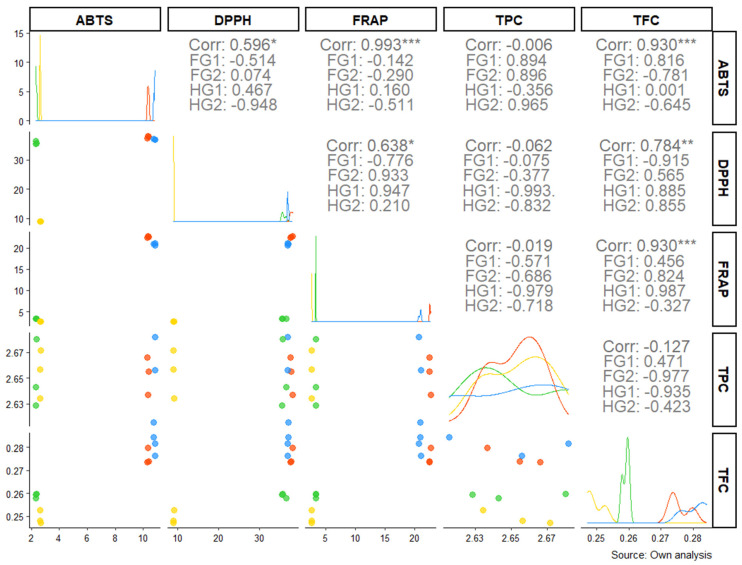 Figure 4
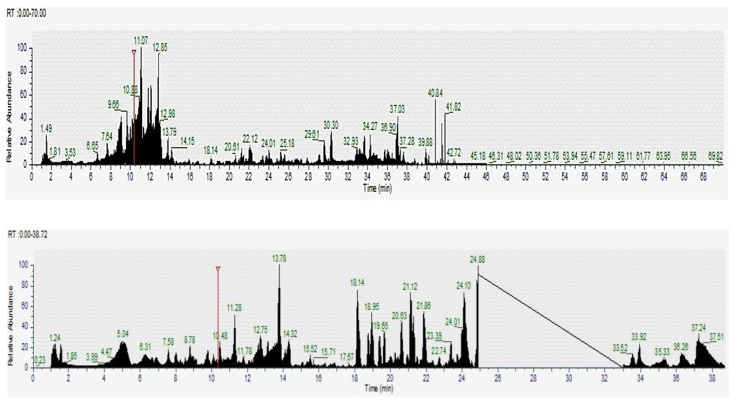 Figure 5
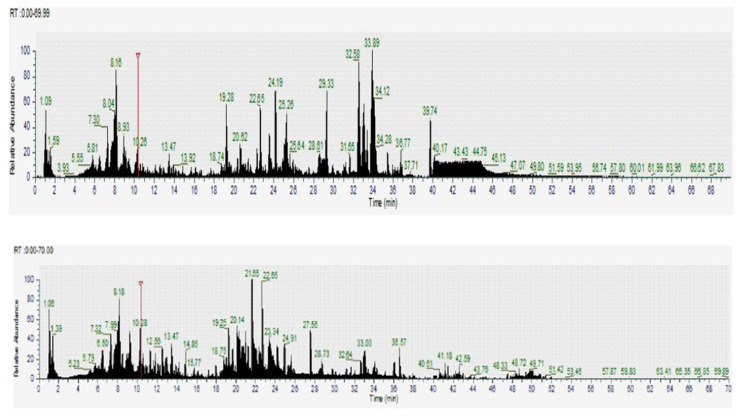 Figure 6
Peer Reviews
No public reviews on file for this paper yet. If you reviewed it on a platform where reviews are public (OpenReview, ICLR, NeurIPS, ICML), you can paste yours below so the community can read it here.
Videos
No videos yet. Explain this paper in a talk, walkthrough, or lecture? Add one.
Taxonomy
TopicsPhytochemicals and Antioxidant Activities · Phytochemistry and Biological Activities · Essential Oils and Antimicrobial Activity