Dietary Supplementation of Edible Mushroom Phallus atrovolvatus Aqueous Extract Attenuates Brain Changes in the AppNL−G−F Mouse Model of Alzheimer’s Disease
Raweephorn Kaewsaen, Wasaporn Preteseille Chanput, Lalida Rojanathammanee, Svetlana A. Golovko, Drew R. Seeger, Mikhail Y. Golovko, Suba Nookala, Colin K. Combs

TL;DR
A mushroom extract from Phallus atrovolvatus may help reduce brain changes linked to Alzheimer's disease without harming gut health.
Contribution
This study shows that Phallus atrovolvatus extract reduces AD-related brain changes in a mouse model.
Findings
MAE reduced Aβ deposition and gliosis in the hippocampus of AppNL−G−F mice.
MAE increased specific immune cell frequencies in female and male AppNL−G−F mice.
MAE had no adverse effects on gut leakiness or memory performance.
Abstract
Background/Objectives: Alzheimer’s disease (AD) is a neurodegenerative disease characterized by progressive dementia and brain accumulation of Aβ-peptide-containing plaques, gliosis, neuroimmune changes, and neurofibrillary tangles. Mushroom polysaccharides have been previously reported to have anti-neuroinflammation activity through the gut–brain axis. This study aimed to evaluate whether a dietary intervention with Phallus atrovolvatus, a recently identified edible mushroom in Thailand, could have a benefit on gut health and alleviate AD-related changes. Methods: Male and female 6–8-month-old littermate wild-type control (C57BL/6J) and AppNL−G−F mice were randomly assigned to either a control diet or a diet supplemented with mushroom aqueous extract (MAE) for 8 weeks to quantify changes in body weight, intestine, immune cells, short chain fatty acids, brain cytokines, amyloid-β (Aβ)…
Genes, proteins, chemicals, diseases, species, mutations and cell lines named across the full text — each resolved to its canonical identifier and authoritative record.
Click any figure to enlarge with its caption.
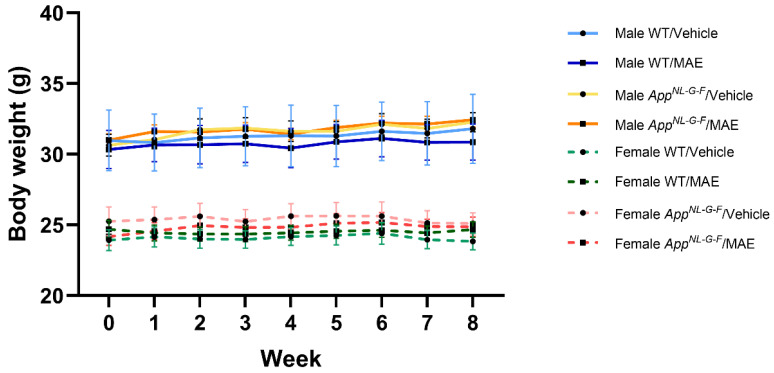 Figure 1
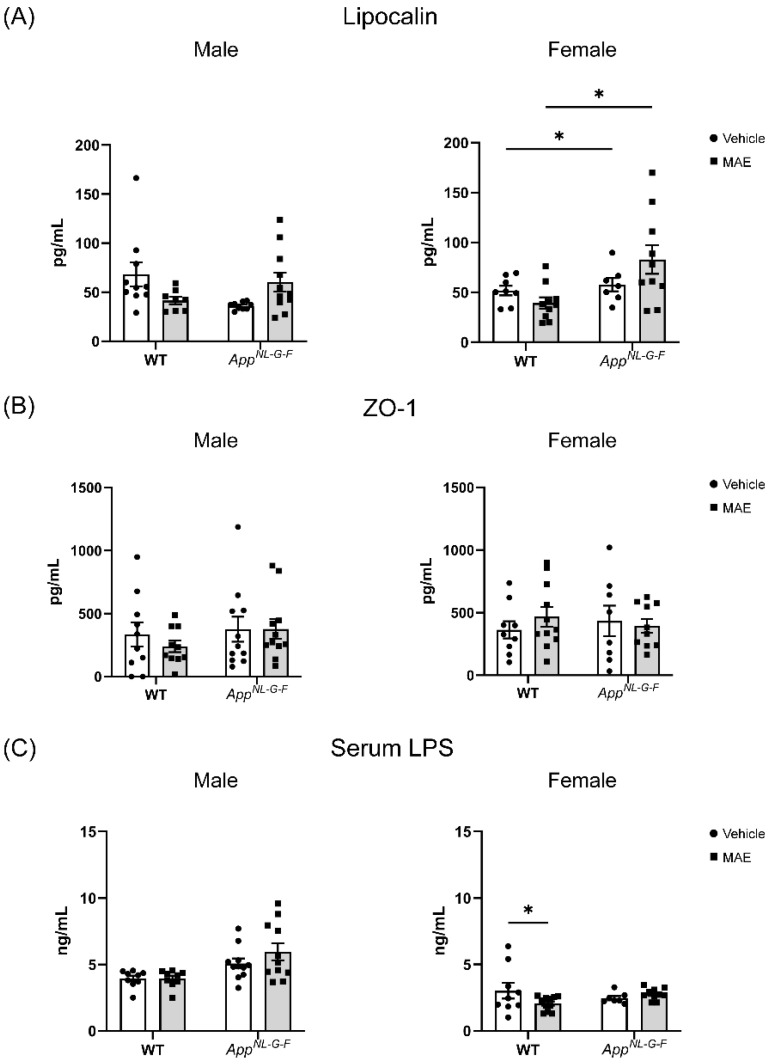 Figure 2
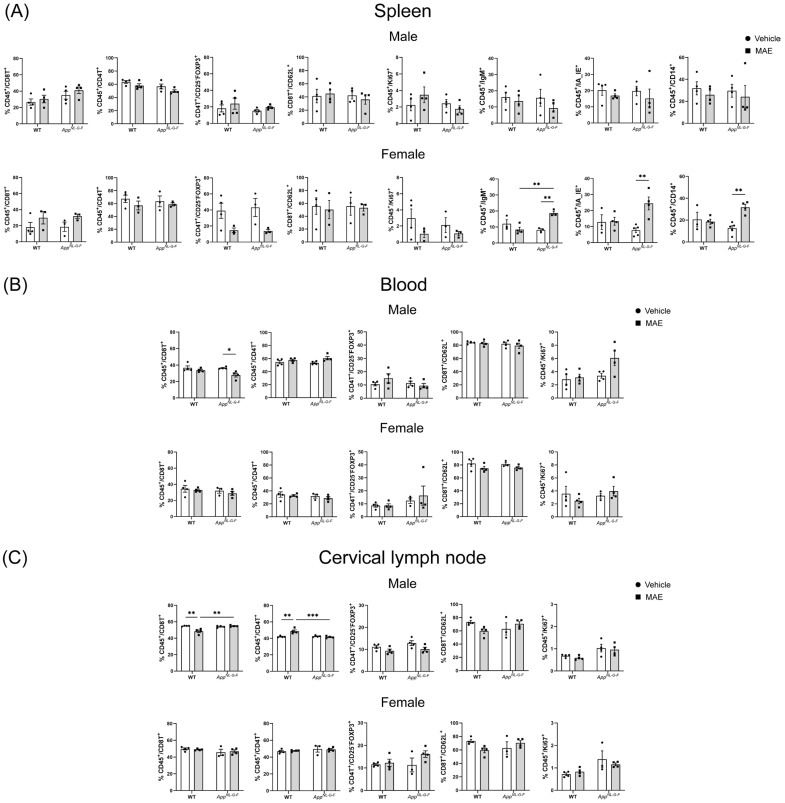 Figure 3
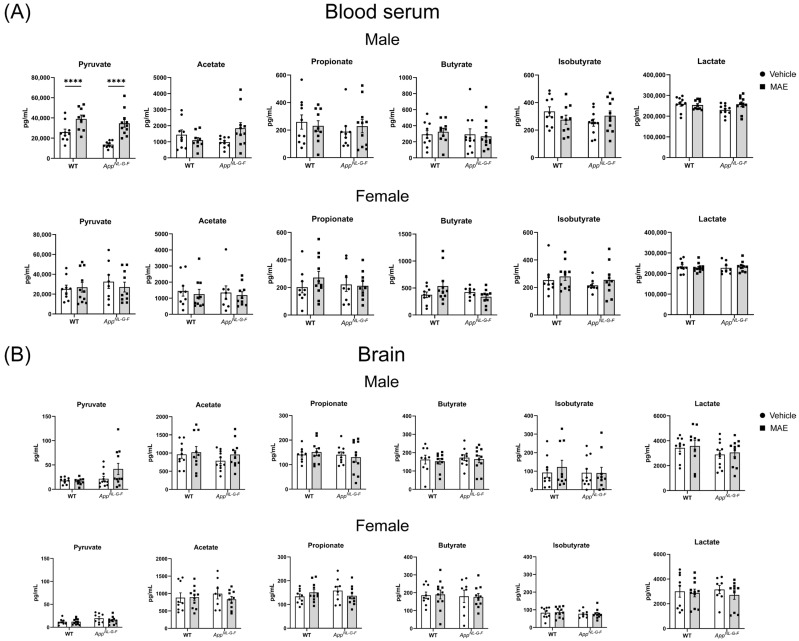 Figure 4
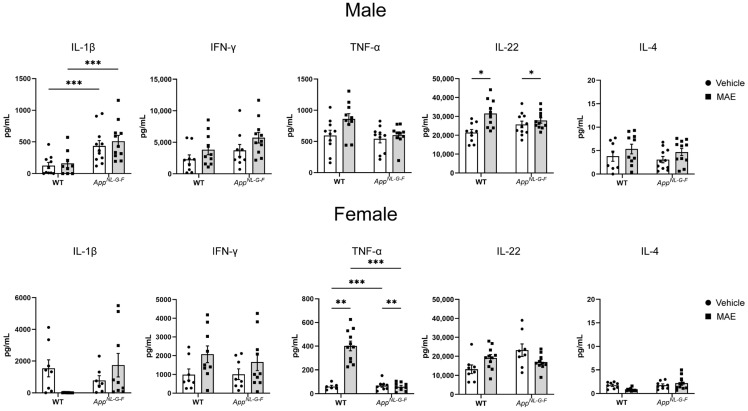 Figure 5
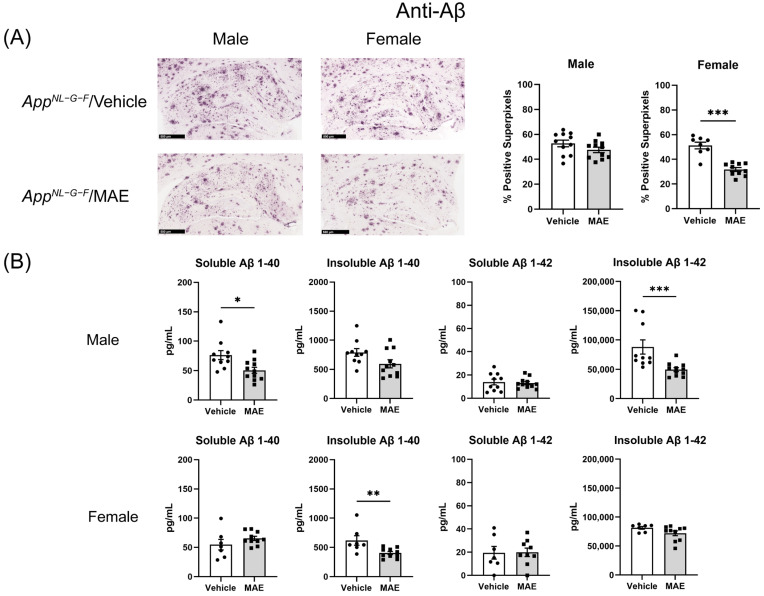 Figure 6
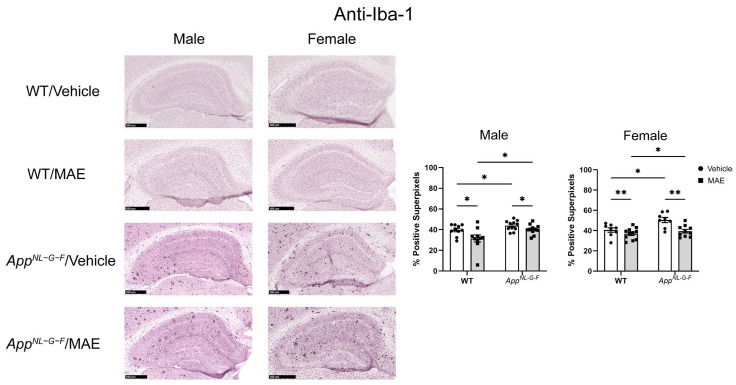 Figure 7
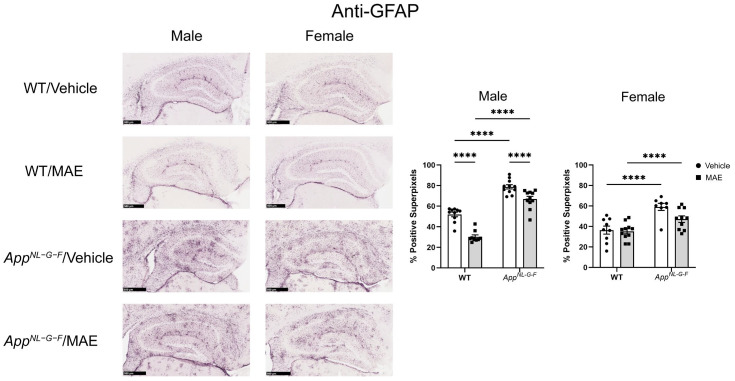 Figure 8
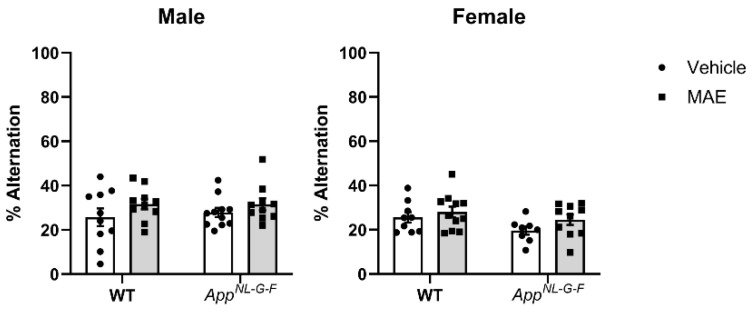 Figure 9
Peer Reviews
No public reviews on file for this paper yet. If you reviewed it on a platform where reviews are public (OpenReview, ICLR, NeurIPS, ICML), you can paste yours below so the community can read it here.
Videos
No videos yet. Explain this paper in a talk, walkthrough, or lecture? Add one.
Taxonomy
TopicsAlzheimer's disease research and treatments · Pharmacological Effects of Natural Compounds · Tryptophan and brain disorders