Immunotoxicity Study of Cucurbit[n]urils (n = 6, 7, 8) and Modeling of Interaction with Some Monocyte Receptors by a Molecular Docking Method
Saule B. Zhautikova, Nursipat N. Abdykhanova, Dmitry A. Fedorishin, Yelena G. Shapovalova, Andrei I. Khlebnikov, Abdigali A. Bakibaev, Irina A. Kurzina, Saule K. Kabieva, Nazerke Boranbay, Gaziza M. Zhumanazarova

TL;DR
This study evaluates the safety of cucurbit[n]urils on human monocytes and finds them to be non-toxic and non-inflammatory.
Contribution
The novel contribution is the demonstration of cucurbit[n]urils' biocompatibility and potential for medical applications via molecular docking.
Findings
Cucurbit[n]urils (n = 6, 7, 8) at 10−5 M concentration do not reduce monocyte viability below 50%.
The compounds do not induce pro-inflammatory activation in monocytic macrophages.
Molecular modeling suggests cucurbit[n]urils can interact with Toll-like receptors, supporting their medical potential.
Abstract
In this study, cucurbit[n]urils (n = 6, 7, 8) were carefully evaluated for their cytotoxicity and immunotoxicity to human peripheral blood monocytes. The cytotoxicity was studied by evaluating the survival of monocytes, while the immunotoxicity level was assessed by analyzing the inflammatory mediators secreted by them using an enzyme-linked immunosorbent assay. It was found that cucurbit[n]urils (n = 6, 7, 8) in the used concentration (10−5 M) do not cause a negative effect on cell viability, which is maintained at a level above 50%. At the same time, cucurbit[n]urils (n = 6, 7, 8) do not cause pro-inflammatory activation of monocytic macrophages. The absence of stimulation of pro-inflammatory cytokine expression demonstrates the promising biocompatibility of the studied compounds, which is crucial for their successful clinical use. The obtained results of molecular modeling show the…
Genes, proteins, chemicals, diseases, species, mutations and cell lines named across the full text — each resolved to its canonical identifier and authoritative record.
Click any figure to enlarge with its caption.
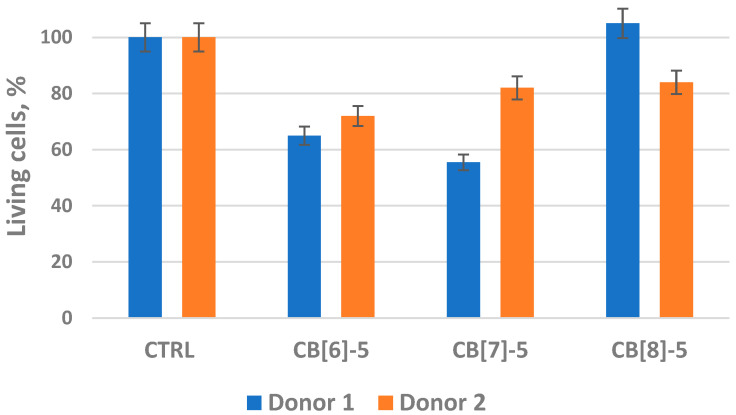 Figure 1
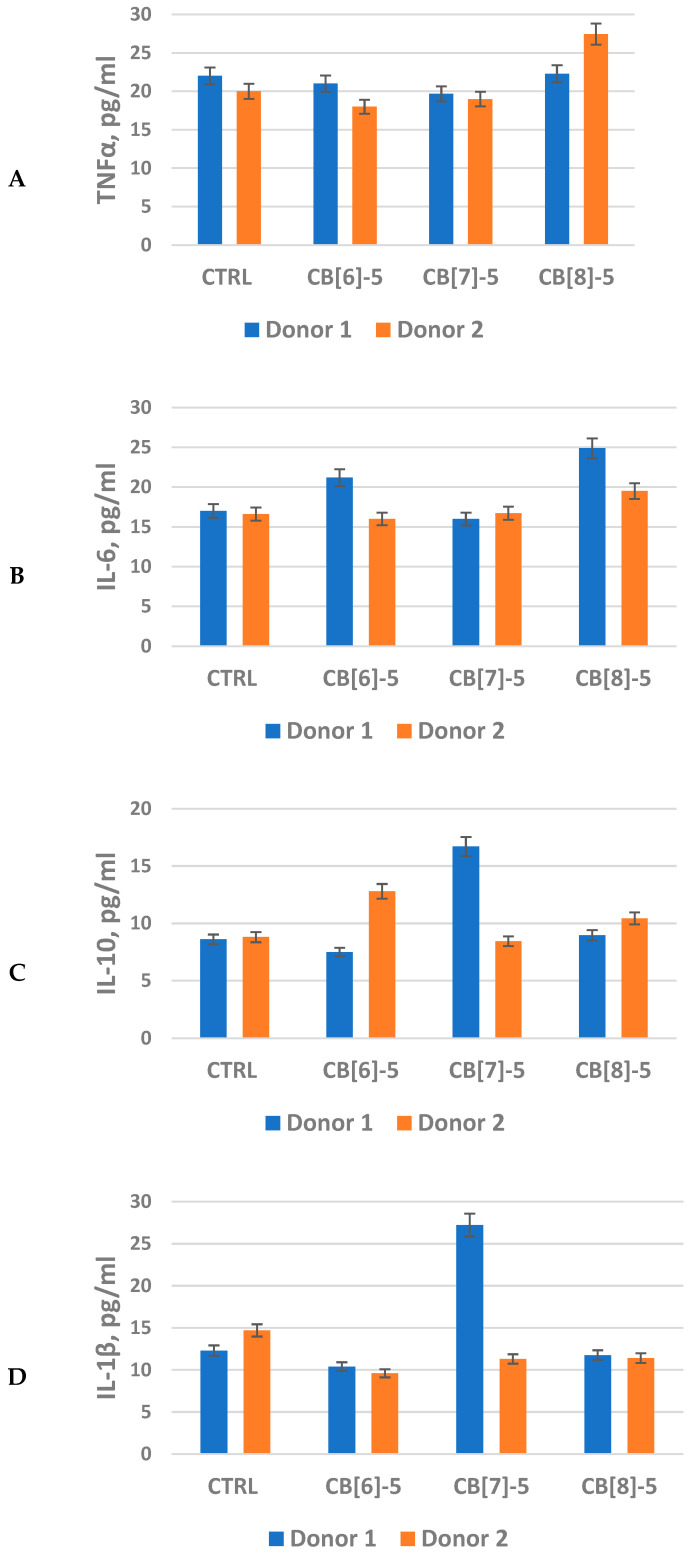 Figure 2
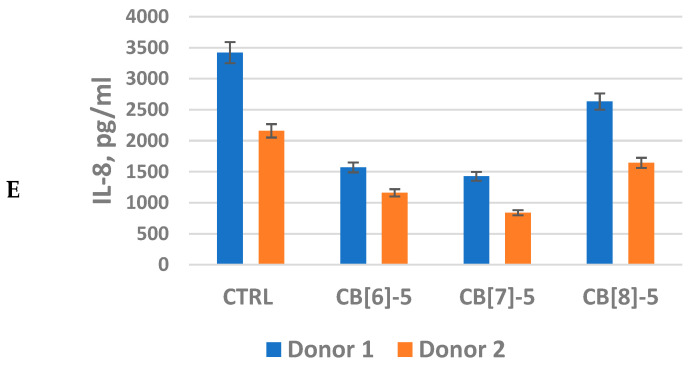 Figure 3
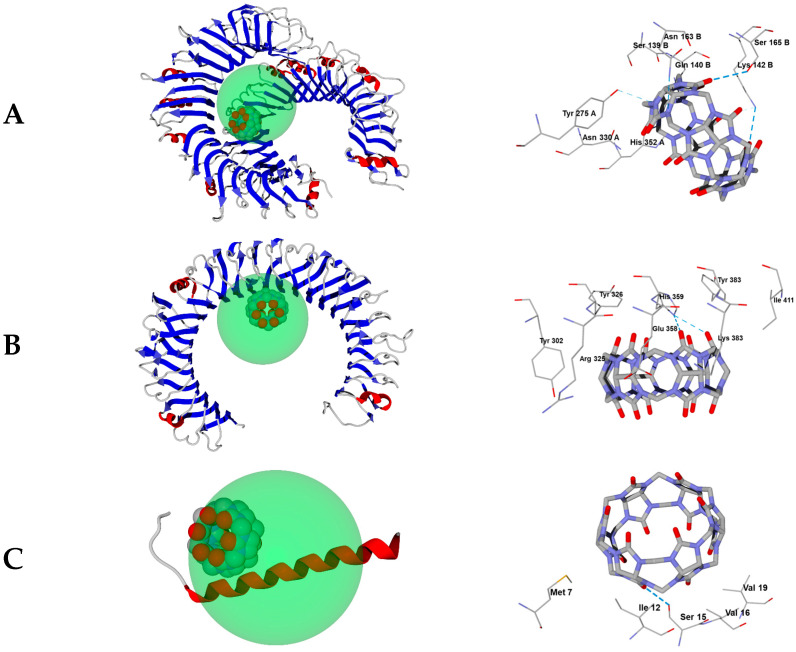 Figure 4
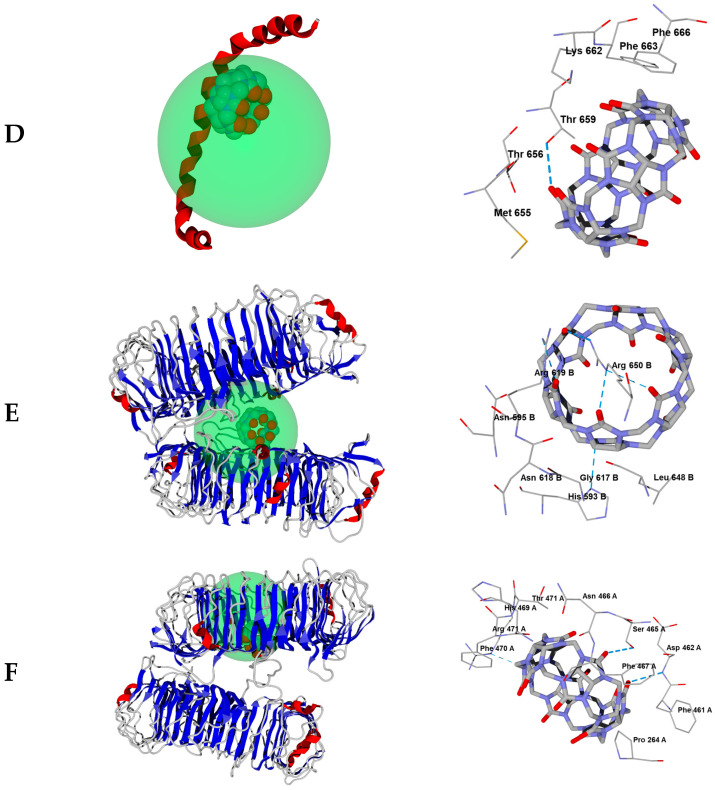 Figure 5
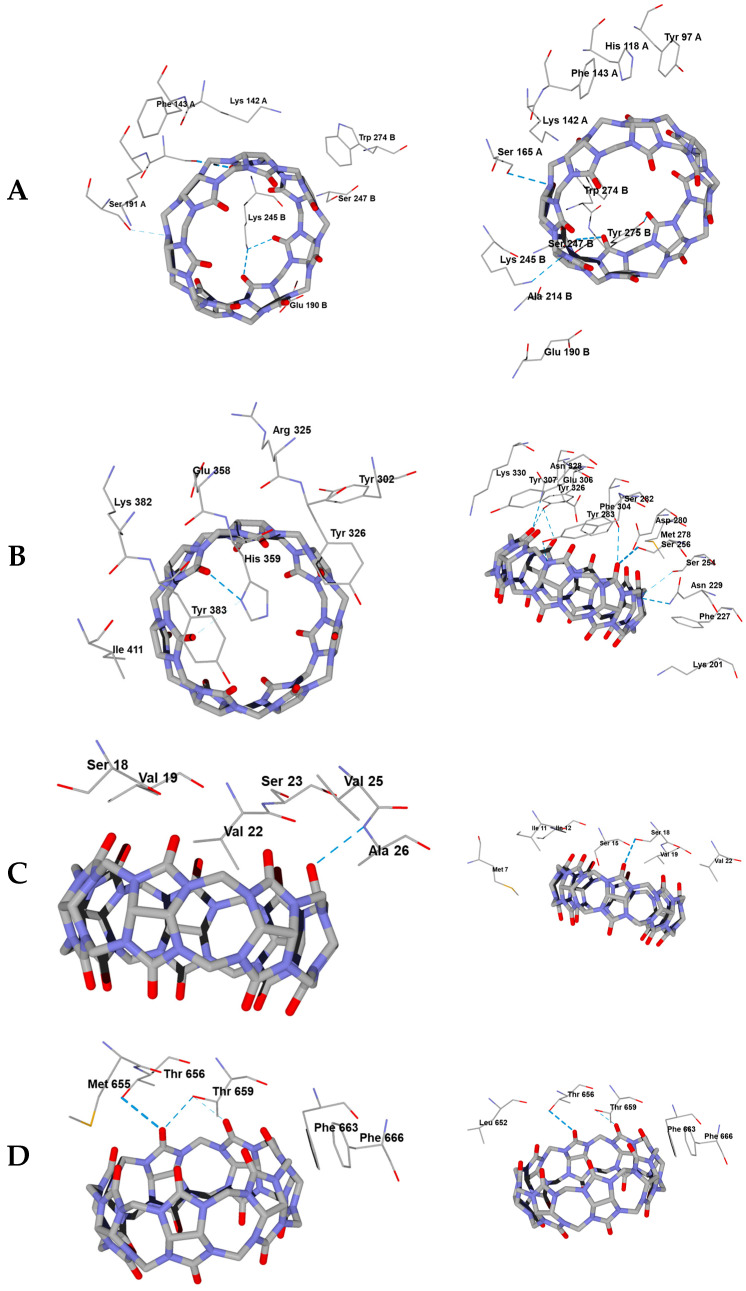 Figure 6
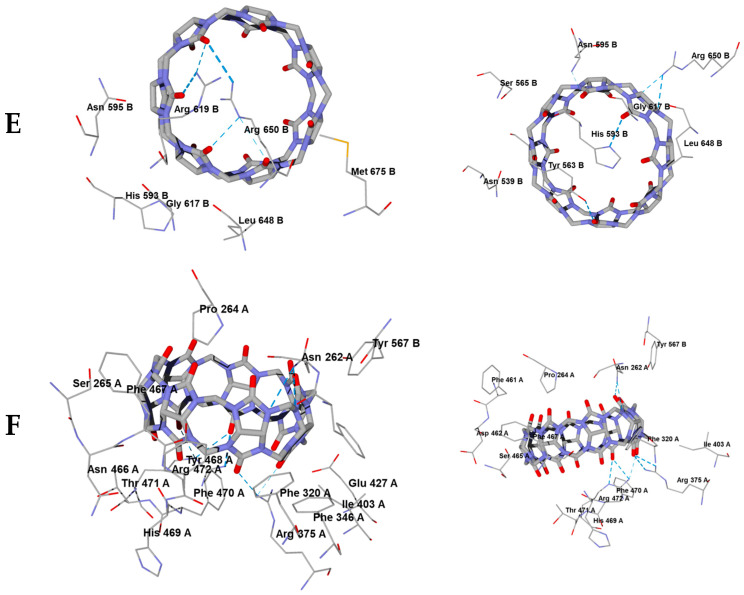 Figure 7
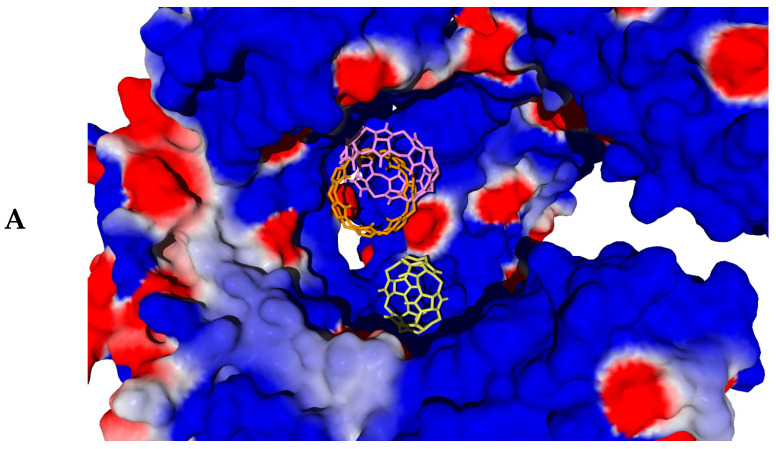 Figure 8
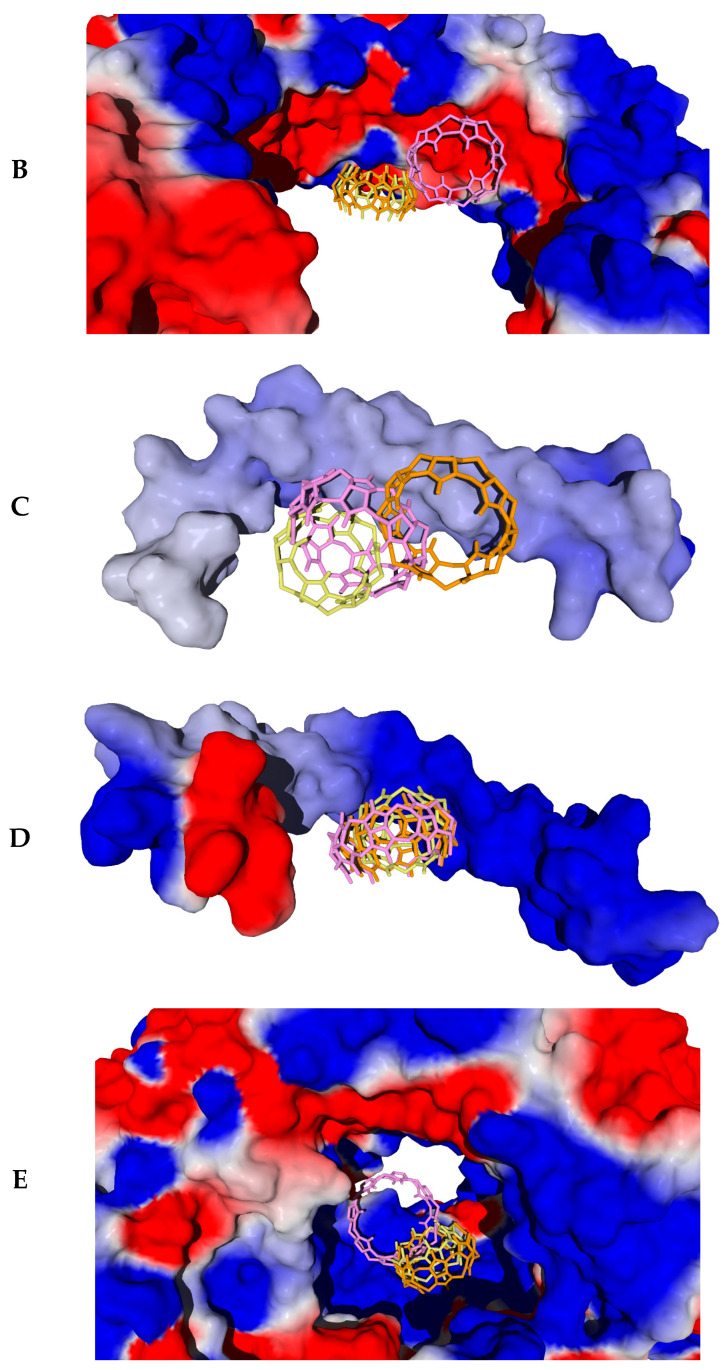 Figure 9
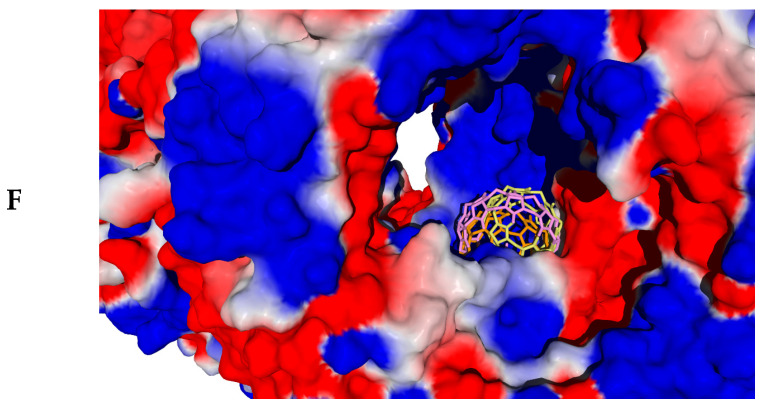 Figure 10
Peer Reviews
No public reviews on file for this paper yet. If you reviewed it on a platform where reviews are public (OpenReview, ICLR, NeurIPS, ICML), you can paste yours below so the community can read it here.
Videos
No videos yet. Explain this paper in a talk, walkthrough, or lecture? Add one.
Taxonomy
TopicsLipid Membrane Structure and Behavior · Supramolecular Chemistry and Complexes · Molecular Sensors and Ion Detection