Electrical Behavior of Combinatorial Thin-Film ZrxTa1−xOy
Matthew Flynn-Hepford, Reece Emery, Steven J. Randolph, Scott T. Retterer, Gyula Eres, Bobby G. Sumpter, Anton V. Ievlev, Olga S. Ovchinnikova, Philip D. Rack

TL;DR
This study explores how changing the composition of ZrxTa1−xOy thin films affects their electrical behavior and resistive switching mechanisms.
Contribution
The paper reveals that a combination of charge trapping and ionic motion governs the resistive switching in mixed ZrxTa1−xOy systems.
Findings
Charge trapping and emission control short-term cycling behavior in ZrxTa1−xOy devices.
Ionic motion contributes to long-term changes in conduction with increased cycling.
ToF-SIMS identified ionic motion as the source of the 'wake-up' behavior in the devices.
Abstract
Combinatorial magnetron sputtering and electrical characterization were used to systematically study the impact of compositional changes in the resistive switching of transition metal oxides, specifically the ZrxTa1−xOy system. Current-voltage behavior across a range of temperatures provided insights into the mechanisms that contribute to differences in the electrical conductivity of the pristine Ta2O5 and ZrO2, and mixed ZrxTa1−xOy devices. The underlying conductive mechanism was found to be a mixture of charge trapping and ionic motion, where charge trapping/emission dictated the short-term cycling behavior while ion motion contributed to changes in the conduction with increased cycling number. ToF-SIMS was used to identify the origin of the “wake-up” behavior of the devices, revealing an ionic motion contribution. This understanding of how cation concentration affects conduction in…
Genes, proteins, chemicals, diseases, species, mutations and cell lines named across the full text — each resolved to its canonical identifier and authoritative record.
Click any figure to enlarge with its caption.
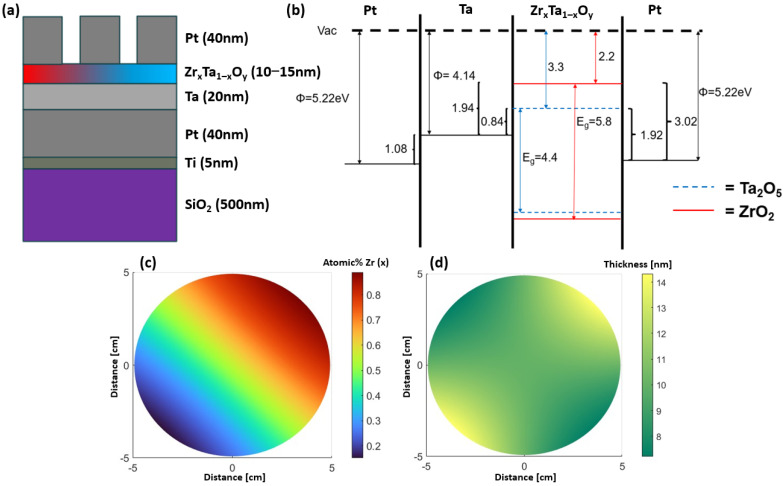 Figure 1
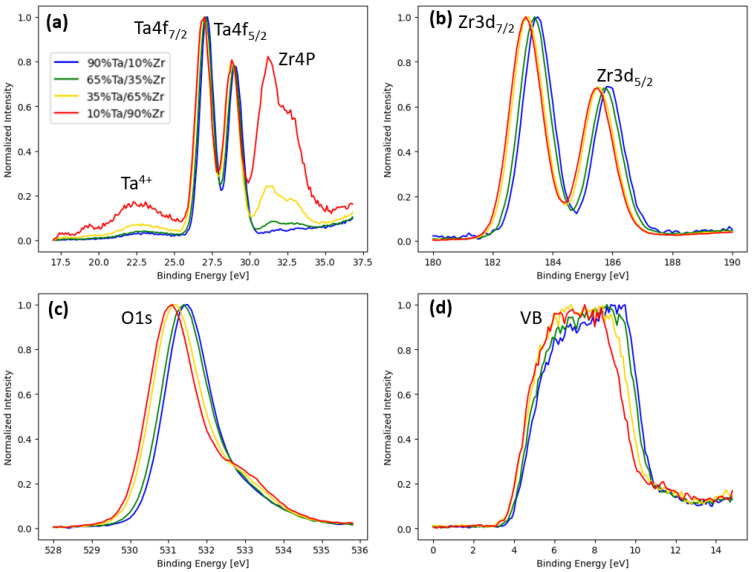 Figure 2
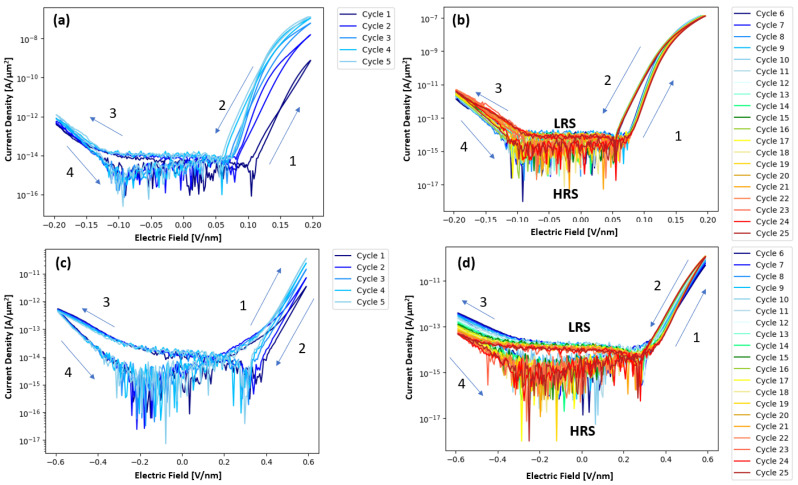 Figure 3
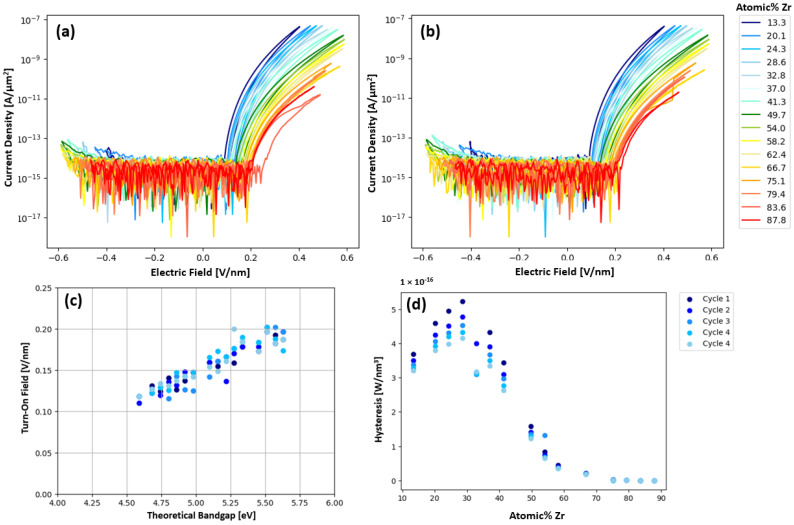 Figure 4
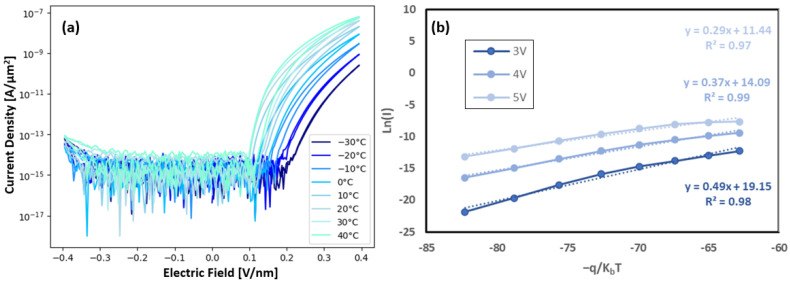 Figure 5
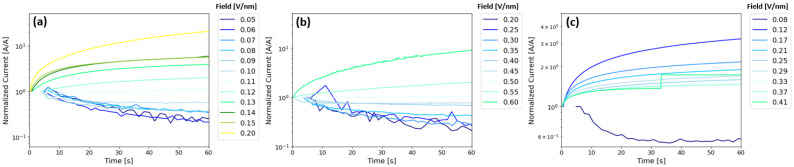 Figure 6
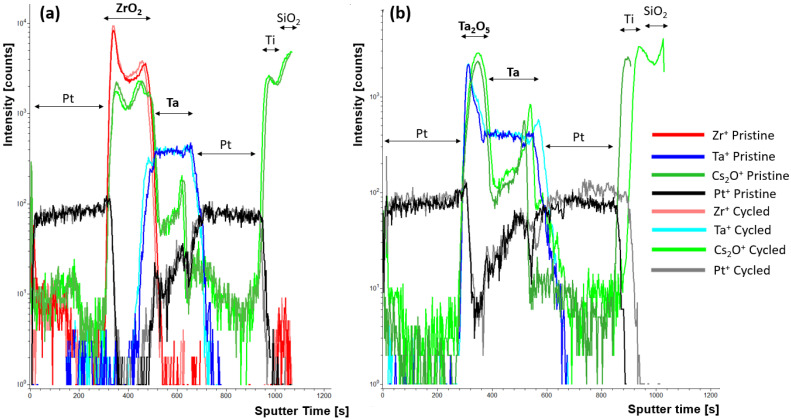 Figure 7
Peer Reviews
No public reviews on file for this paper yet. If you reviewed it on a platform where reviews are public (OpenReview, ICLR, NeurIPS, ICML), you can paste yours below so the community can read it here.
Videos
No videos yet. Explain this paper in a talk, walkthrough, or lecture? Add one.
Taxonomy
TopicsAdvanced Memory and Neural Computing · Ferroelectric and Negative Capacitance Devices · Semiconductor materials and devices